April 10 – 11
Scarborough, Tobago
We arrived in Scarborough Port around 7:30 a.m. The Odyssey has a tendency to shake when we are slowing down, and the dining hall is a camphony of sound with the dishes and silverware dancing on the tables.
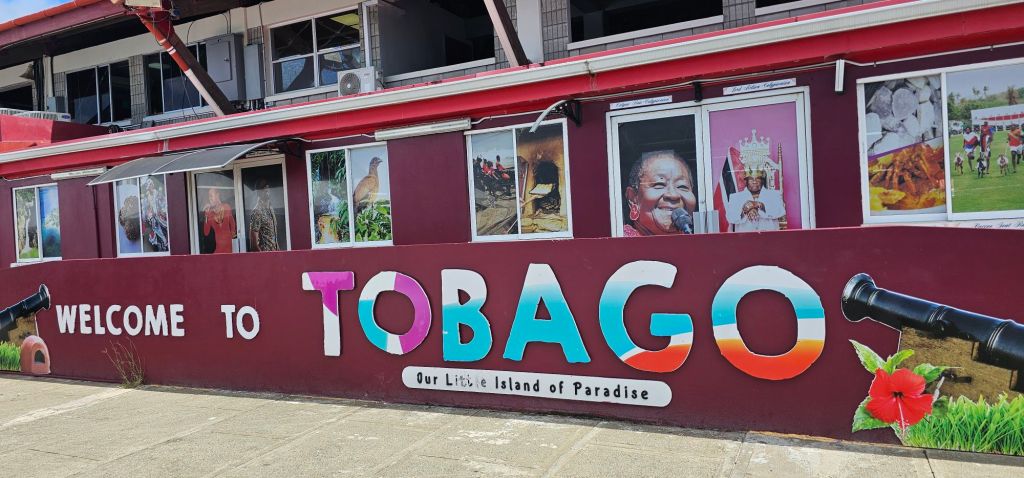
The residents were cleared for disembarkation by 9:00 AM, and Steve, Angela, and I were ready to go exploring.
From the ship, the town looked fairly small, so we decided to walk up to Fort King George first thing.
Leaving the terminal, there was the usual crowd of taxi drivers looking to take people on a tour. I would imagine that with the safety warnings that Trinidad and Tobago have had since December, not many cruises have stopped in, and people were looking to make some money.
The walk to the fort is approximately 30 minutes, according to Google. Usually, we can take about 10 minutes off of the Google time when we’re walking. This walk involved a straight hill walk.
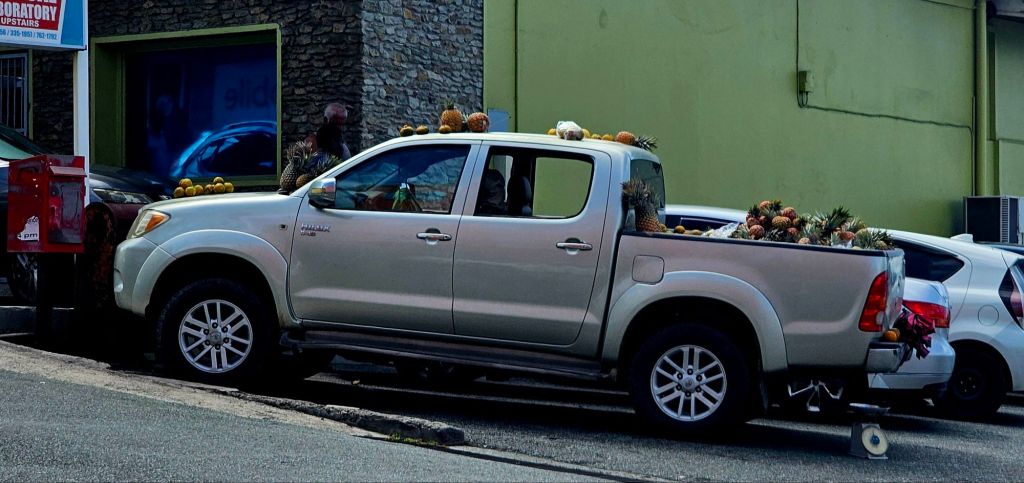
While the walk was not particularly long, it was fairly steep and hot out. we were definitely sweaty messes by the time we reached the top. There were several birds and iguanas that we could see on the walk-up.
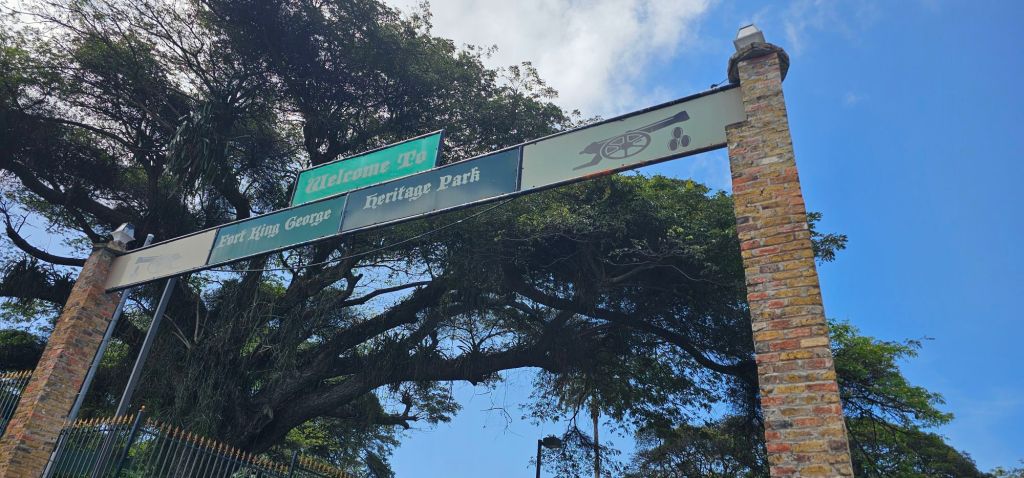
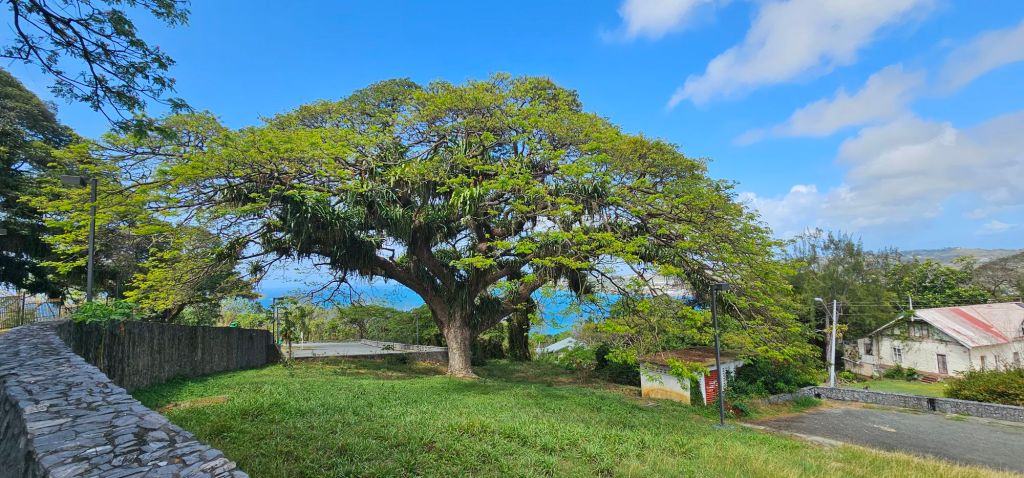
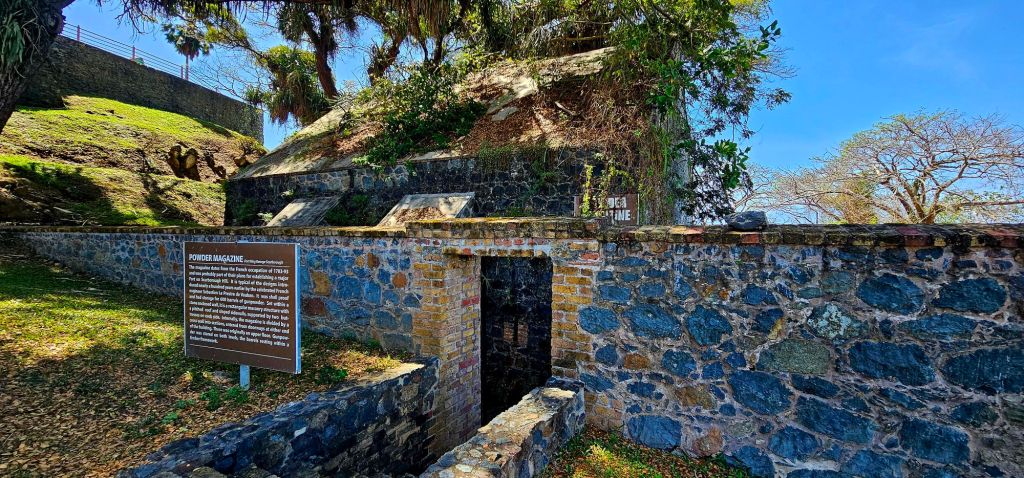
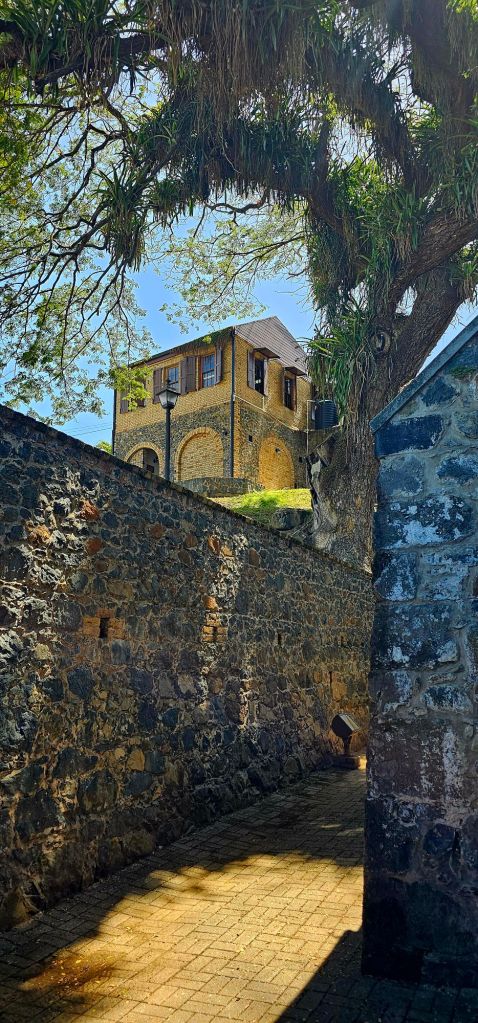
When we reached the top, we ran into more Odyssey residents. There were several old fort structures still standing and some amazing views of the water surrounding the island.


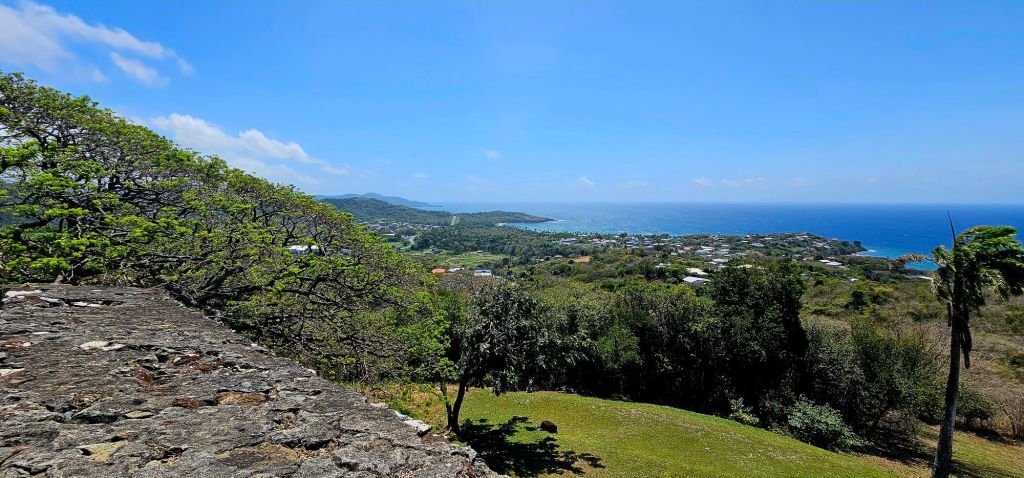
After seeing the buildings, there are two museums up top, and each one costs the equivalent of $4. Other residents who had already visited the museums told us that they really weren’t worth that much money. Needless to say, we didn’t visit them.
There is also a lighthouse up there.
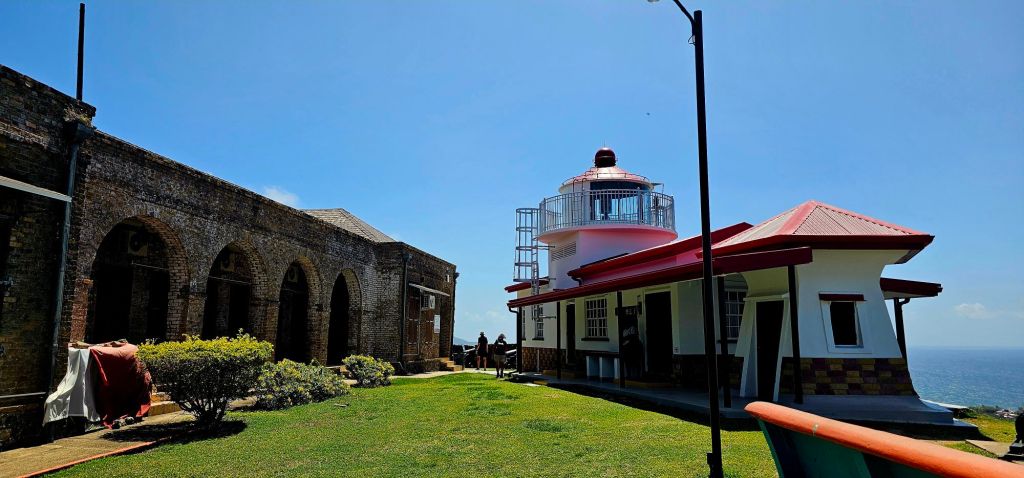
Also, at the top, there were a couple of vendors selling drinks, trinkets, and snacks. Steve bought water with some leftover EC currency even though Trinidad and Tobago have their own dollar.
Probably the grossest experience I’ve had was up there. Beside the fort is the hospital, and attached to it is the morgue. That’s depressing and not your usual sight next to tourist attractions, but what made it better or worse was that when we walked to the punishment cells, they are next to the back of the morgue and the chimney was going. That’s when I looked around and saw the soot. There are years of cremation soot all around this section of the fort.


We made our way back down to downtown Scarborough there, we saw the assembly house, a park with an eternal flame that was out, and several shops.
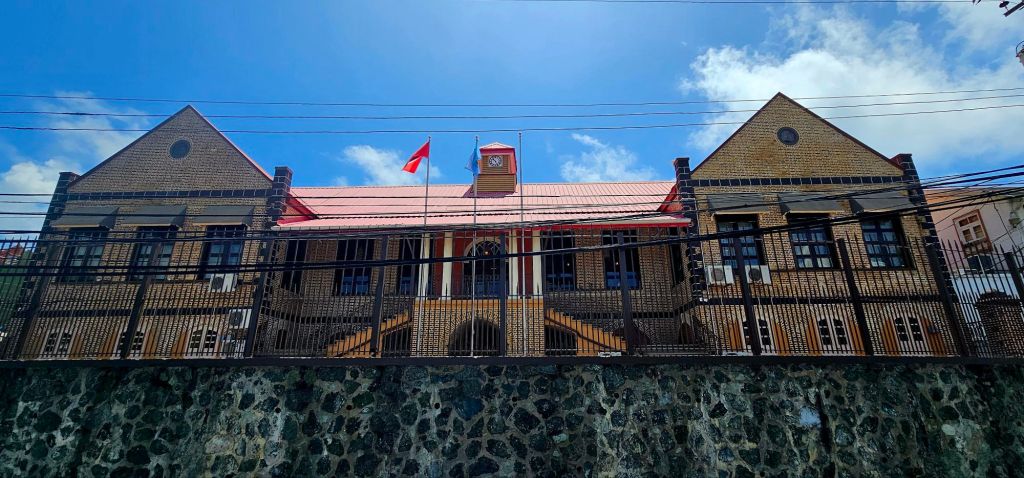
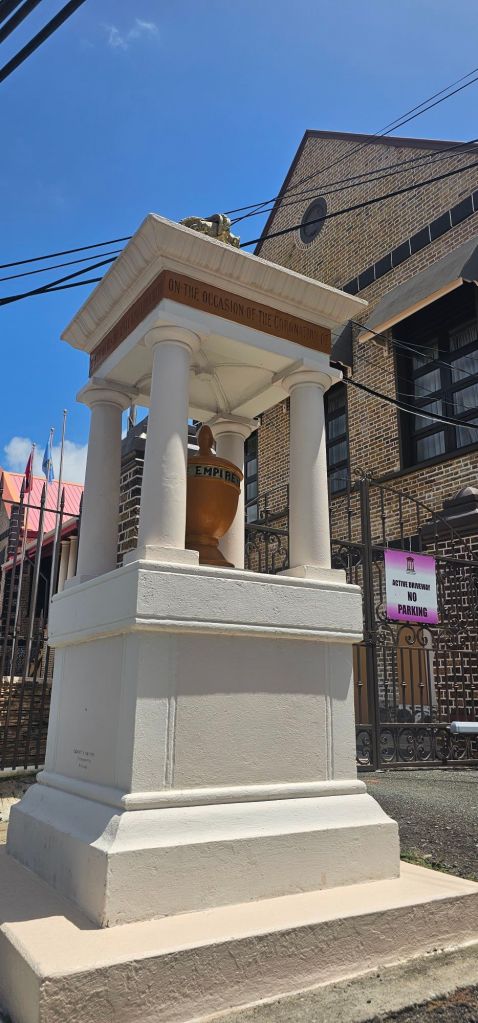
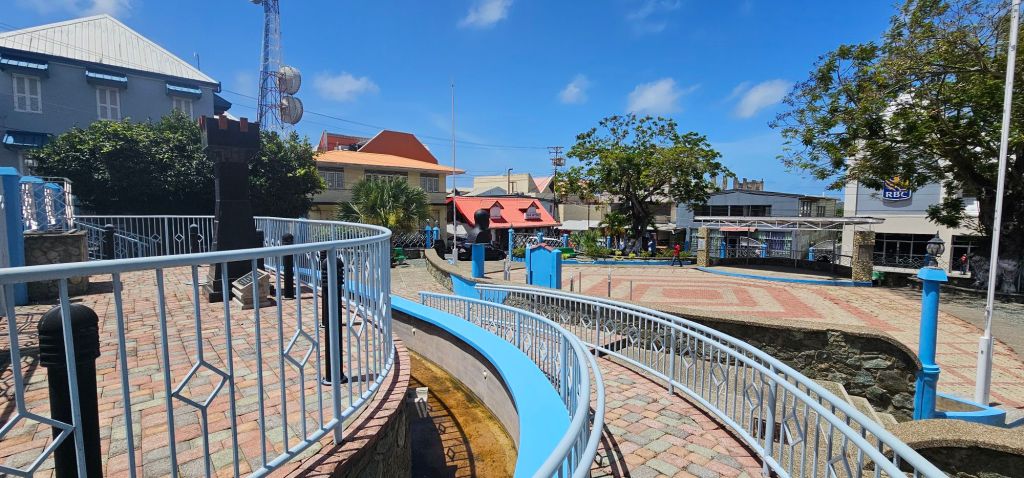
Near the port where we got off the ship, there is an escalade with several buildings meant for restaurants and shops, but the majority of them were shuttered. There was also the I ❤️ Tobago sign that way took some pictures at.

By this time, we had seen just about everything within walking distance, except the botanical garden, which was more a grassy field, so we came back to the ship for lunch.
Port of Spain, Trinidad
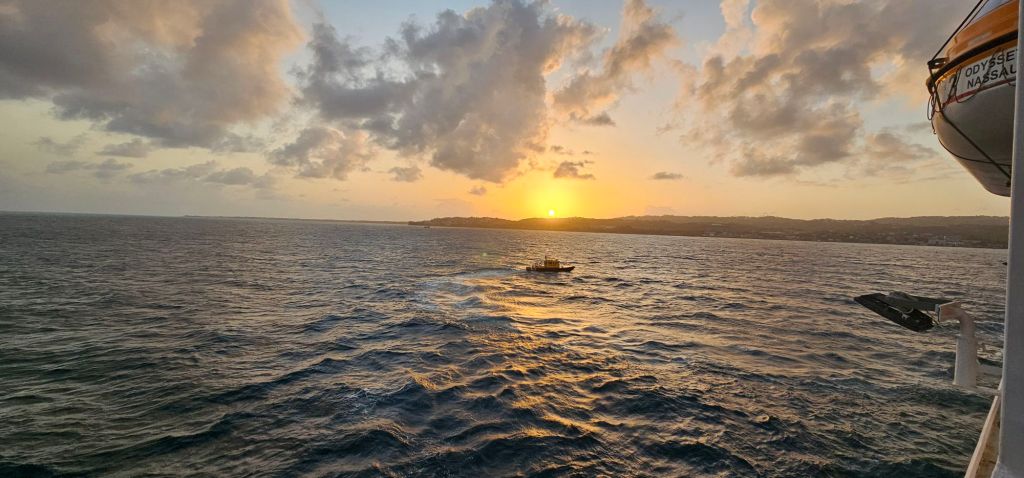
Although Trinidad and Tobago are very close together, our ship, the Odyssey, spent the night out at sea and returned to Trinidad at 7:00 AM.
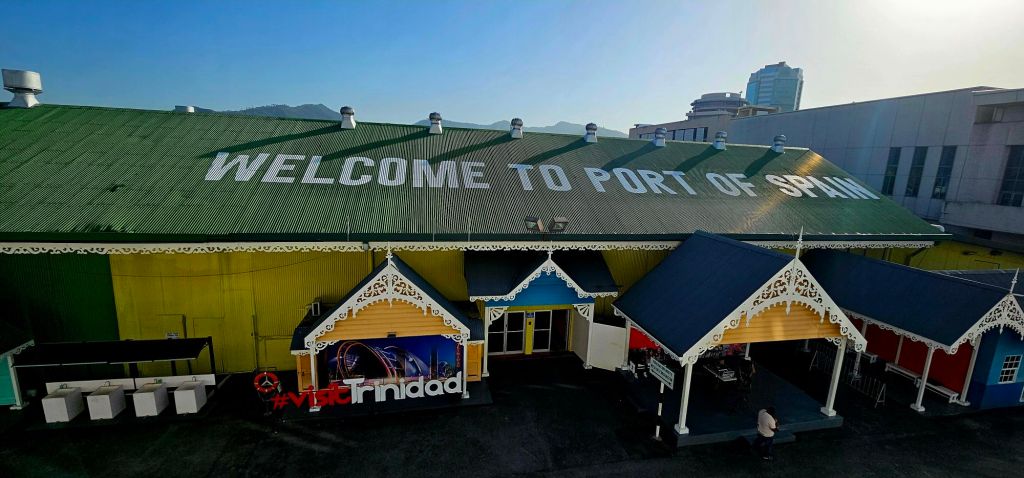
The morning was sunny and hot. Angela, Steve, and I headed out at about 9:15 a.m.. The US State Department has stated that Trinidad is an unsafe destination for tourists. Reports of kidnappings have put Trinidad on a level three warning, so we weren’t too eager to go too far.
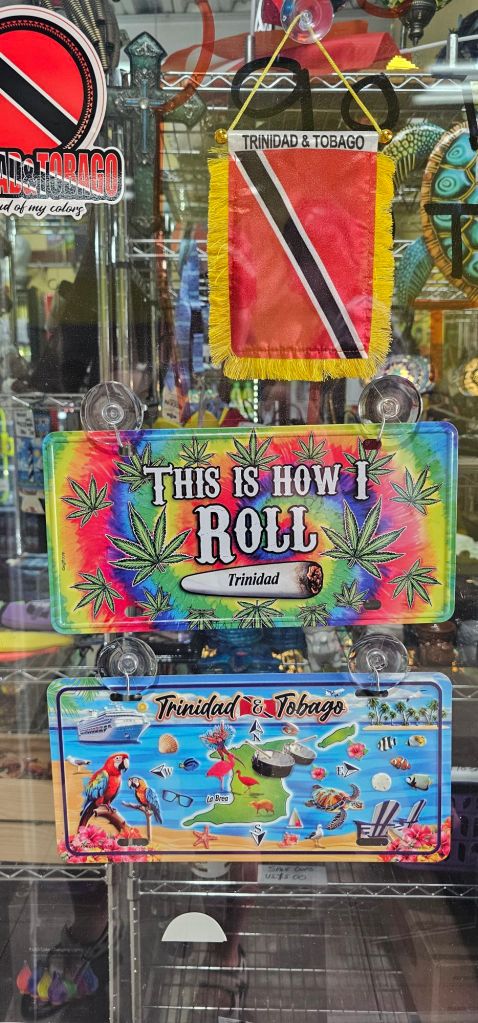
GPS My City has a short one mile – one hour walk that shows I highlights of the city and is close to the port area. It is about a 13-minute walk to the first site, Independence Square.
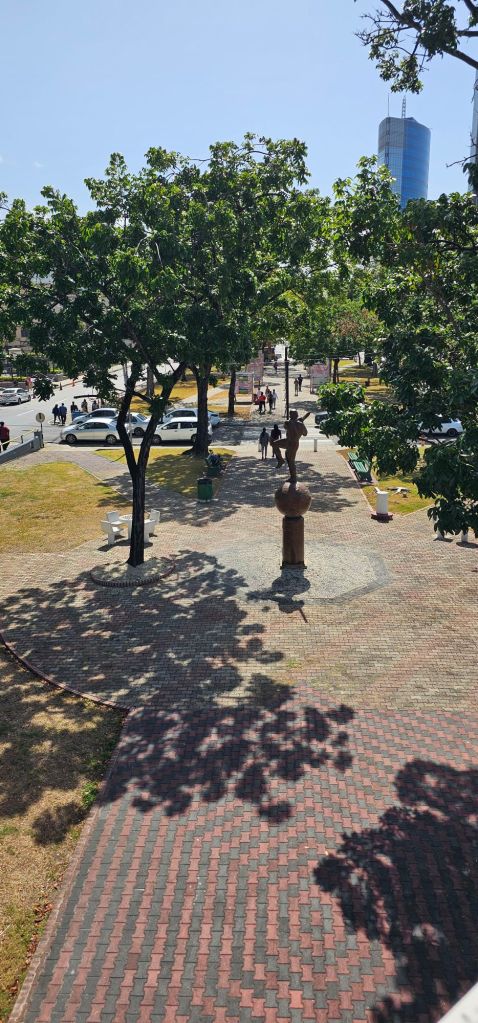
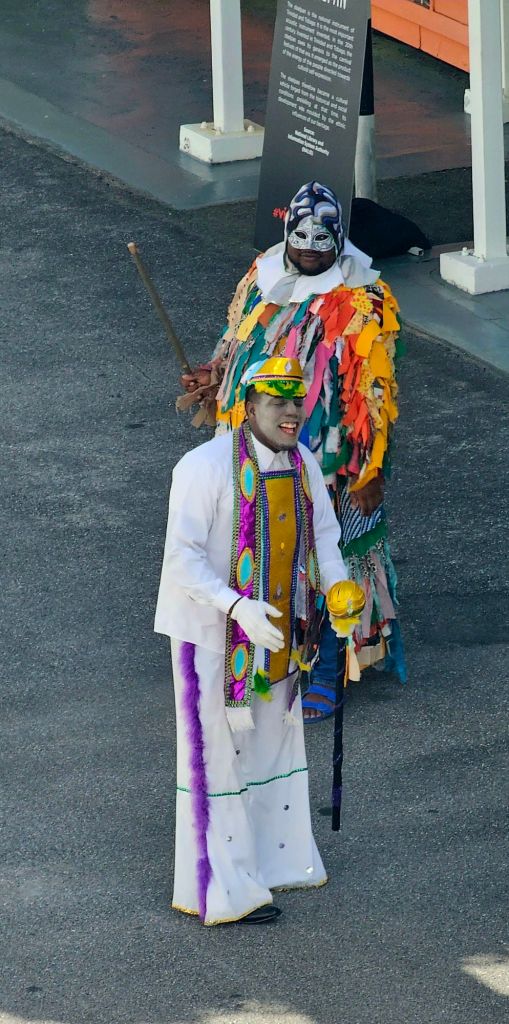
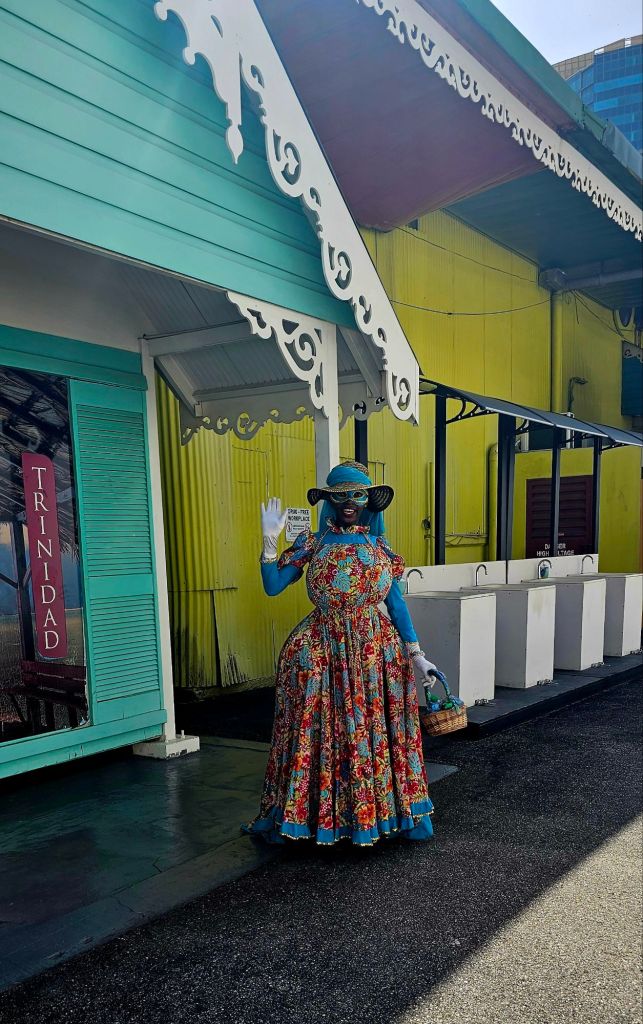
But before I got to the GPS My City locations, we still needed to get out of the port area. There were four or five dancers dressed up in Carnival outfits and a DJ playing carnival music to greet us when we got off the ship. Once in the terminal, there were several stores that were open.
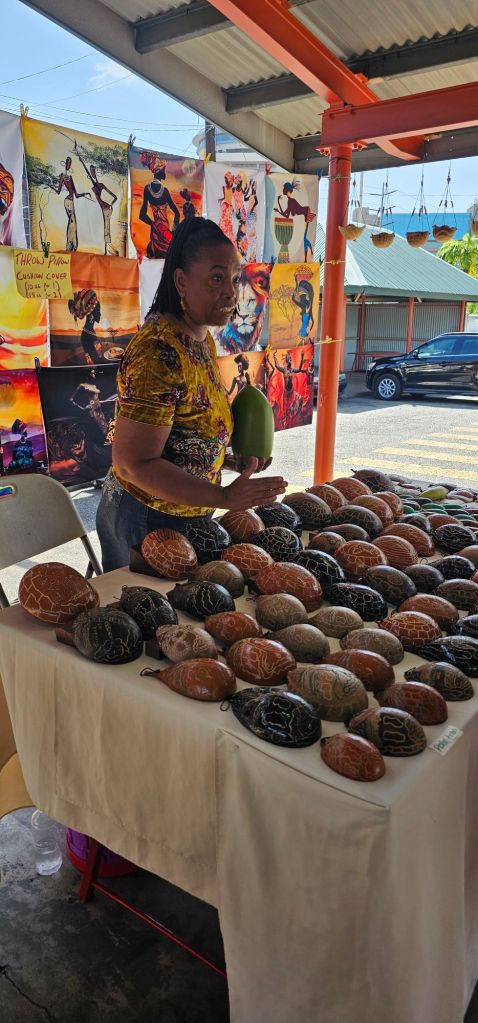
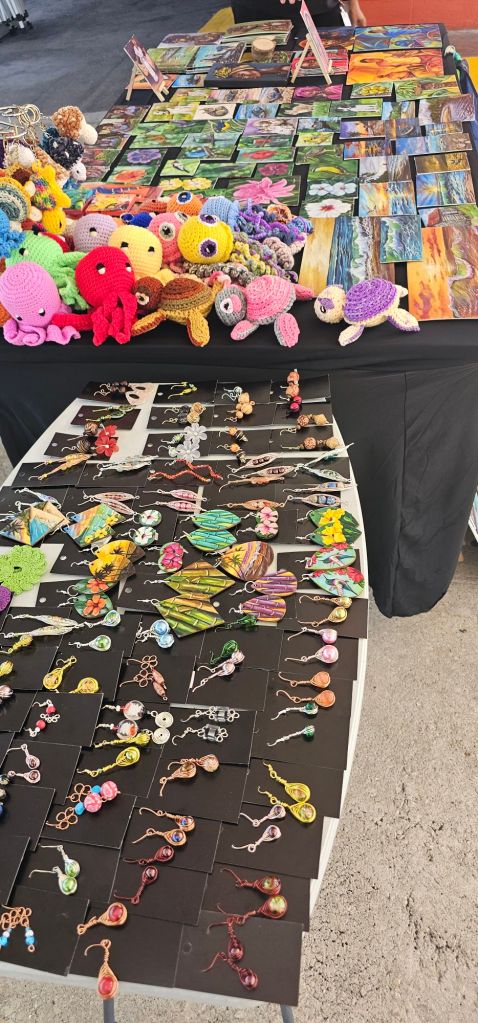
Immediately outside the port terminal, and before you reached the gate, there was a craft market that was set up with seven or eight people and their goods.

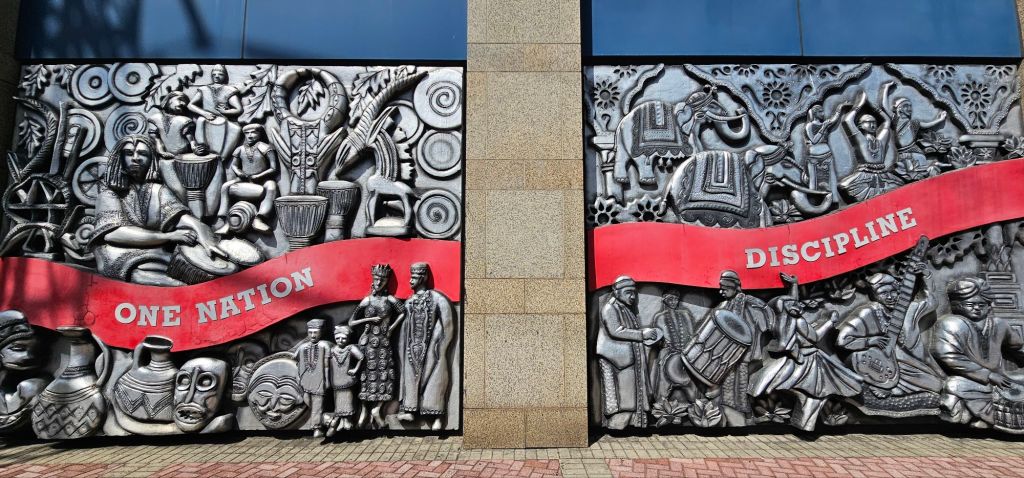
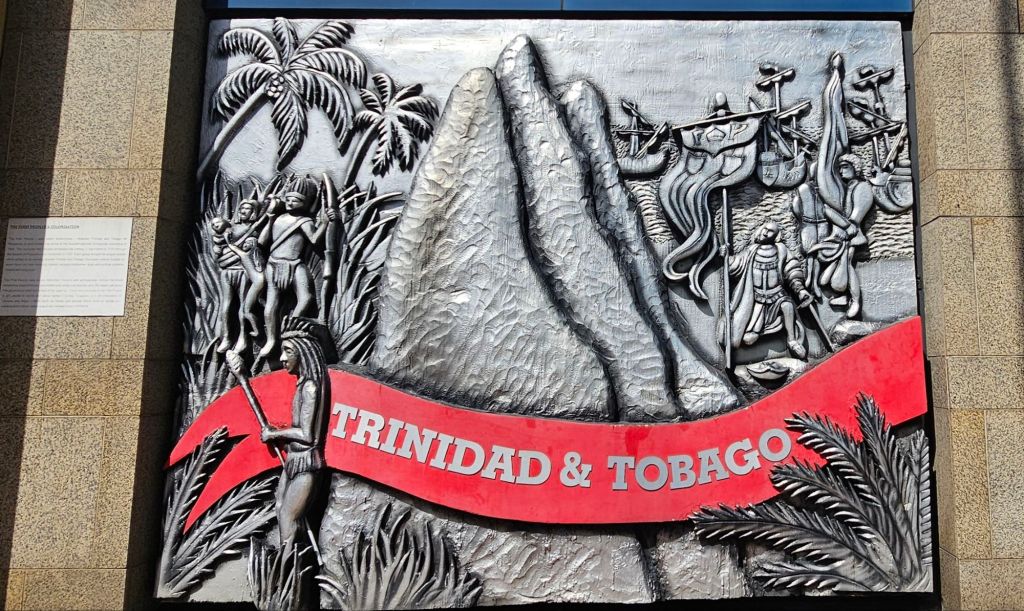
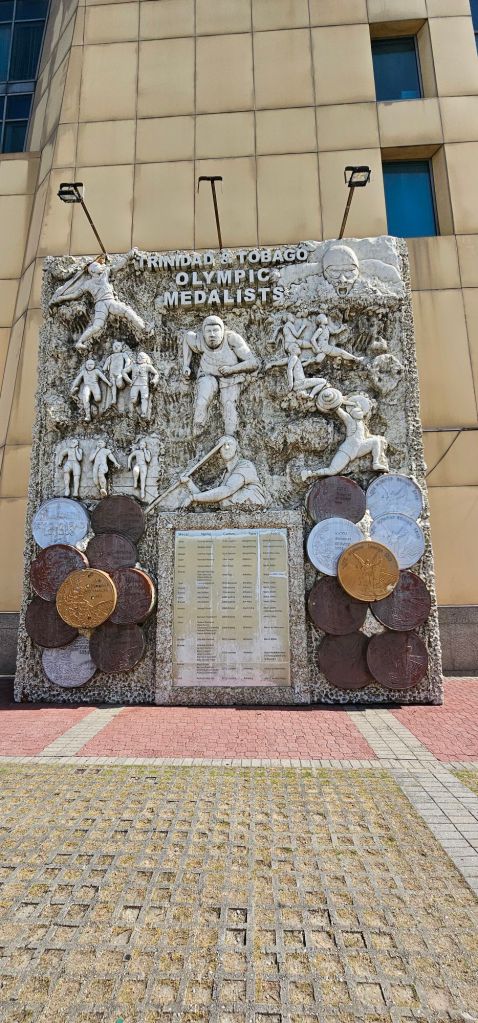
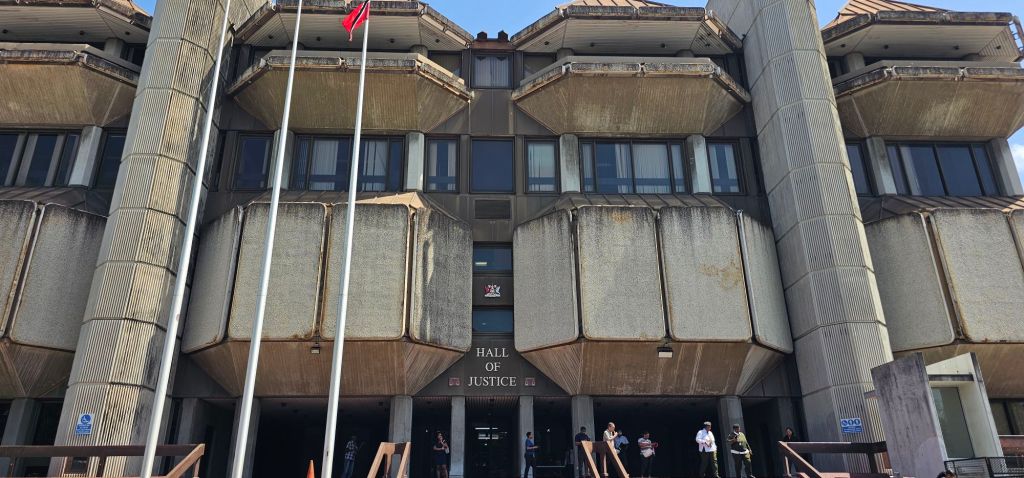
Right outside the port terminal are several high-end hotels and the Justice Building with interesting artwork along the side. The 3D artwork depicts the natives of the island and the colonization of Trinidad.
On the way to Independence Square, there was an overpass for pedestrians that led people safely over the major port road. The opposite end of Independence Square ends with the final GPS My City attraction.
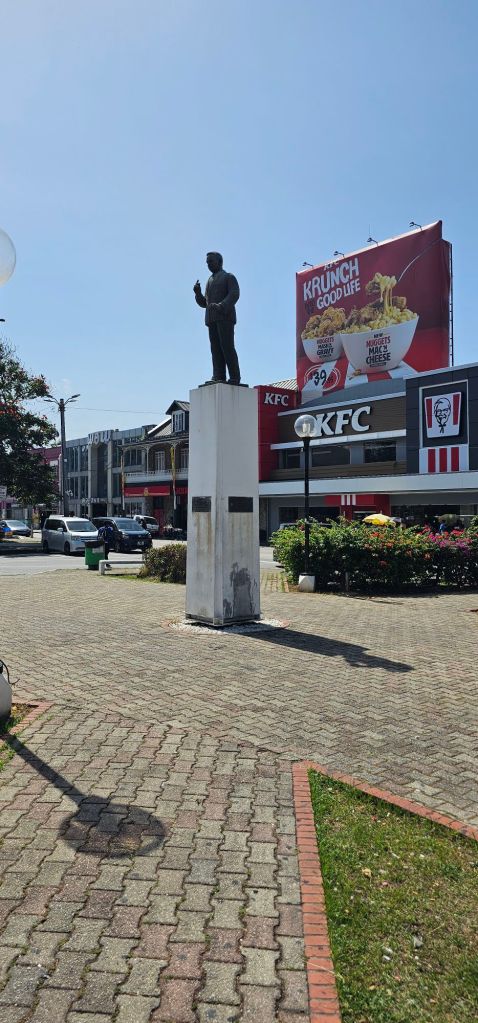
Independence Square is an elongated rectangle that goes 10 blocks from East to West. The center is a walkway with long green spaces, and there is a statue in the center of Captain Arthur Andrew Cipriani, a politician and sportsman of Trinidad. Along its length, there are fast food places like KFC and other banks and retail spaces.
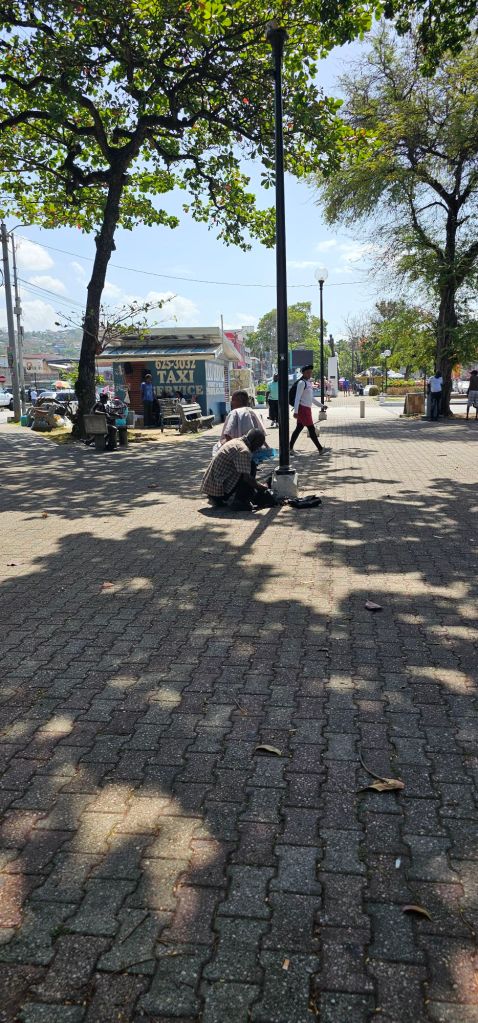
From this statue of Captain Arthur, we headed left up Frederick St. Frederick St is the discount shopping center of the city.

About two blocks up, we reached Woodford Square. This square is a large green space but also tells the history of Port of Spain. The area has been used as both a burial site for the first people and as a flogging and hanging place for slaves. It is also the location of the water riots of 1903 and the labour struggles of the 1920s.
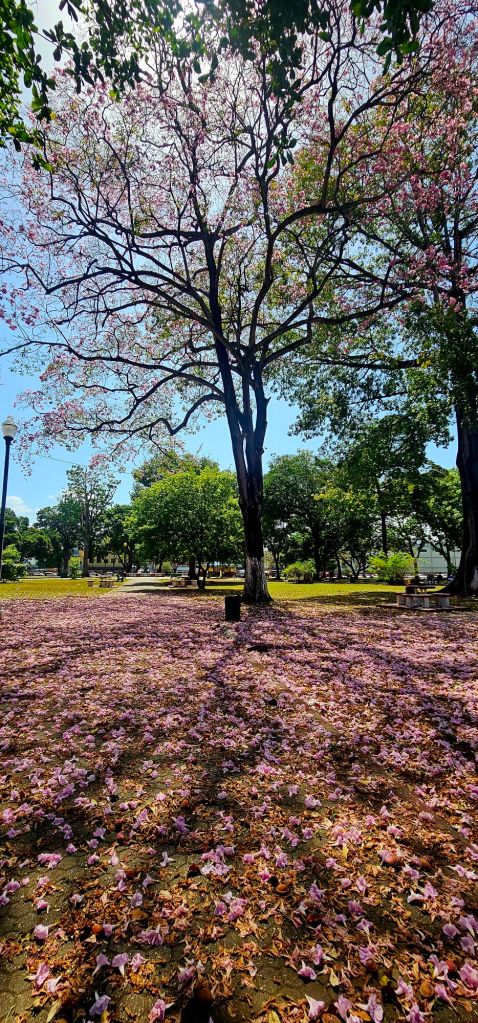
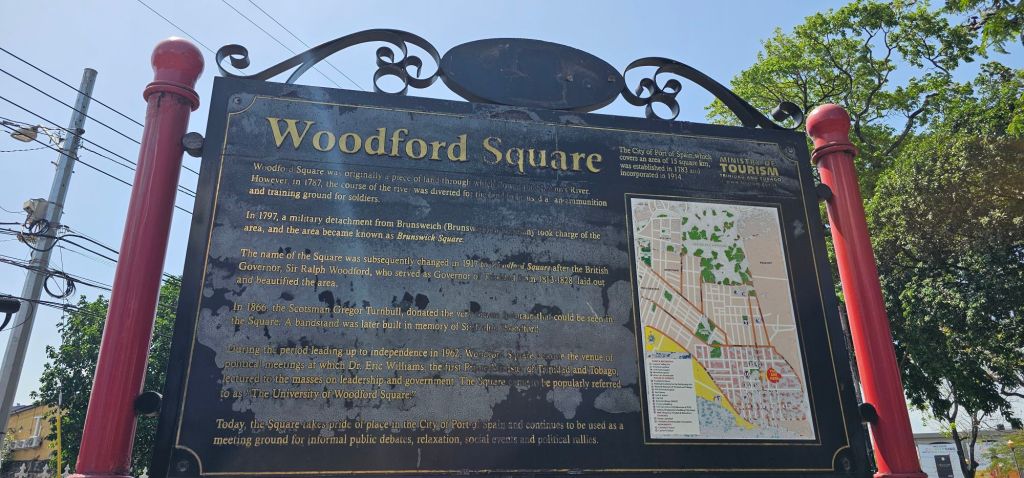
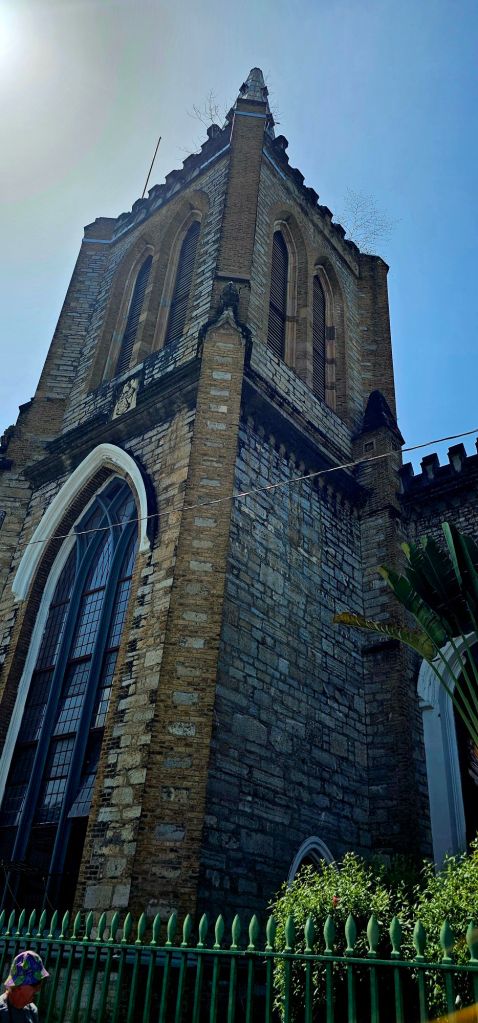
Around the square, there are several interesting buildings. The first is the Holy Trinity Cathedral. This cathedral is no longer open and is under renovation. This cathedral stands on the site of an earlier church that burnt down in 1808. The new church was finished in 1823.
On the corner stands the old fire station. It was built in 1897 and updated in 2000. From 1989 to 1999, it was the home of the Trinidad Theatre Workshop and now is part of the National Library complex of Port of Spain.
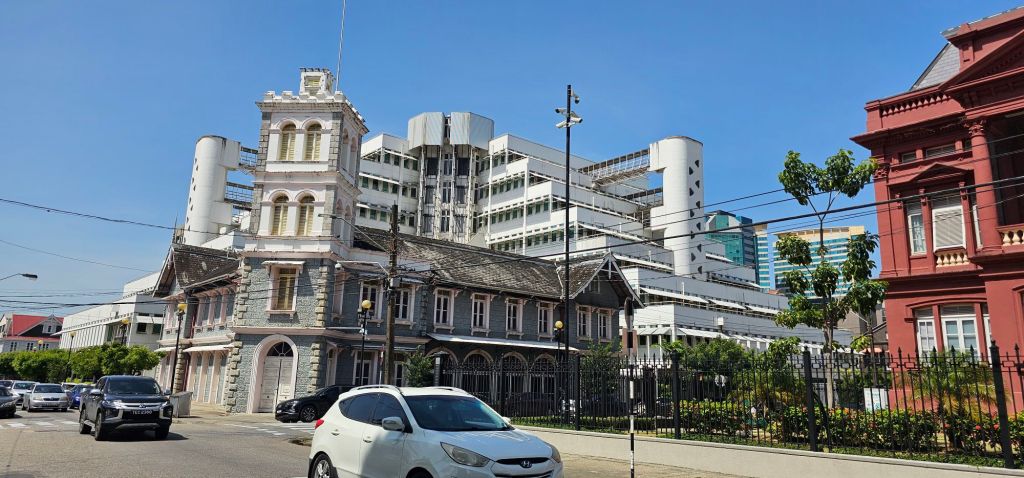
Probably the most iconic building in the Port of Spain is the Red House. It was first built in 1844, and construction was not completed until 1848. It is a government complex that houses the Parliament of Trinidad and Tobago, and it was painted red in 1897 for Queen Victoria’s jubilee. In 1903, during the water riot, the Red House was destroyed by fire.
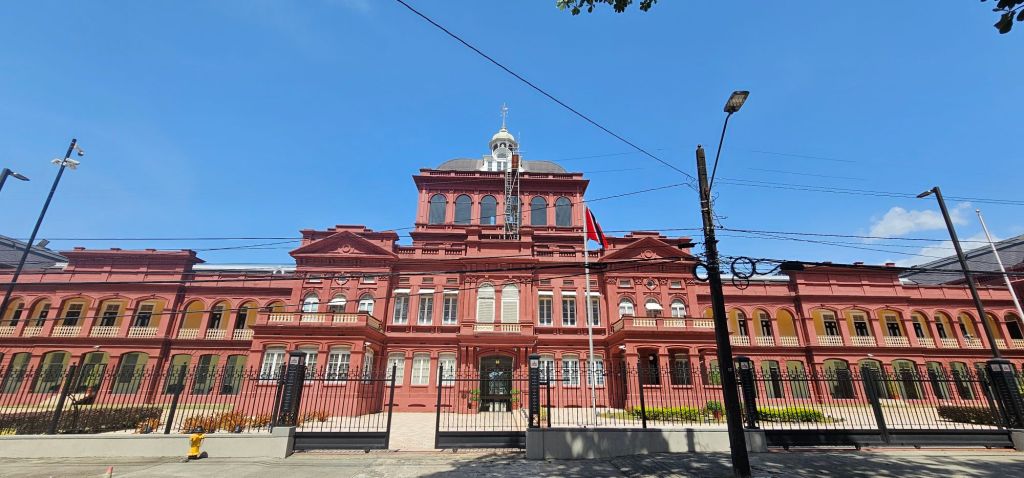
A protest meeting was held by the ratepayers association in what is now Woodford Square protesting an increase in the water rates. The Red House was pelted with stones and eventually burnt to the ground, but not before the governor of the time fired into the crowd and killed 16 people. Rebuilding began the next year, and the new Red House opened in February 1907.
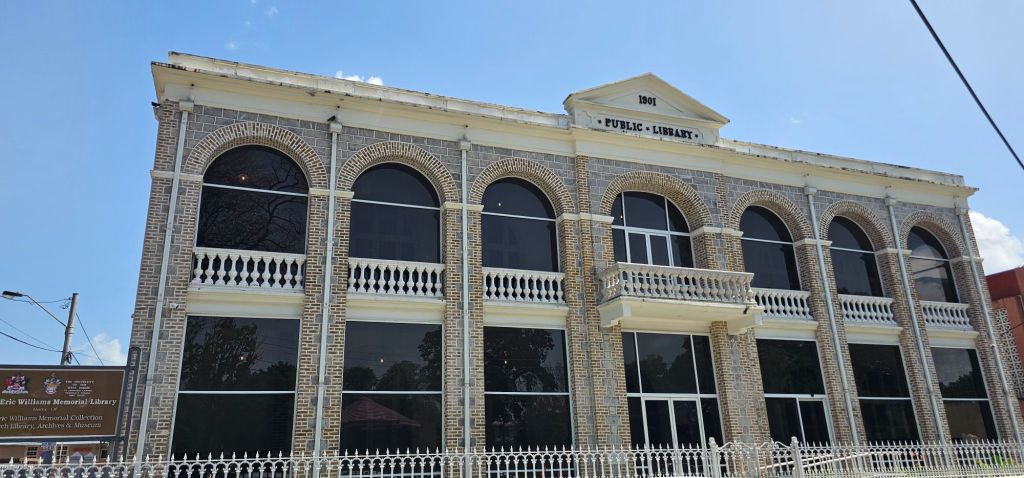
On the third side of Woodford Square is the old public library. It was opened to the public in 1902 and sits beside the Port of Spain City Hall.
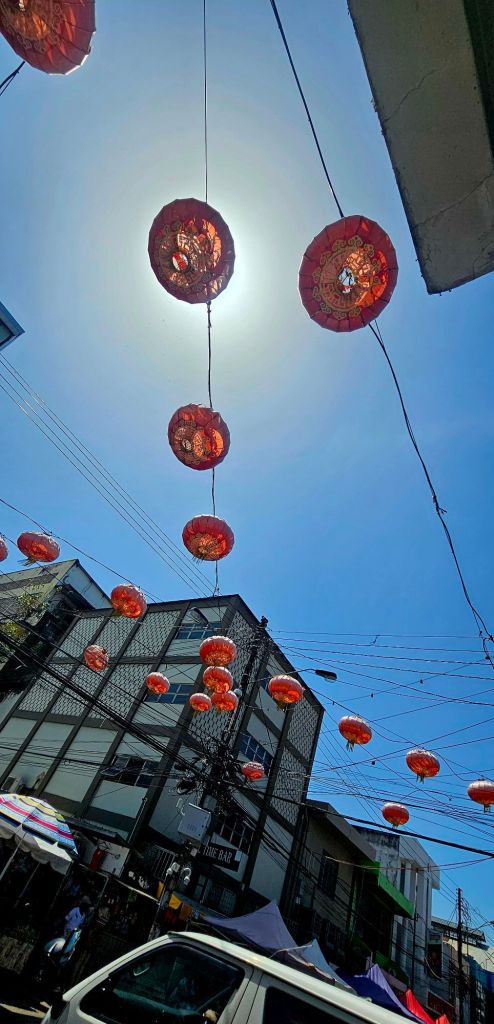
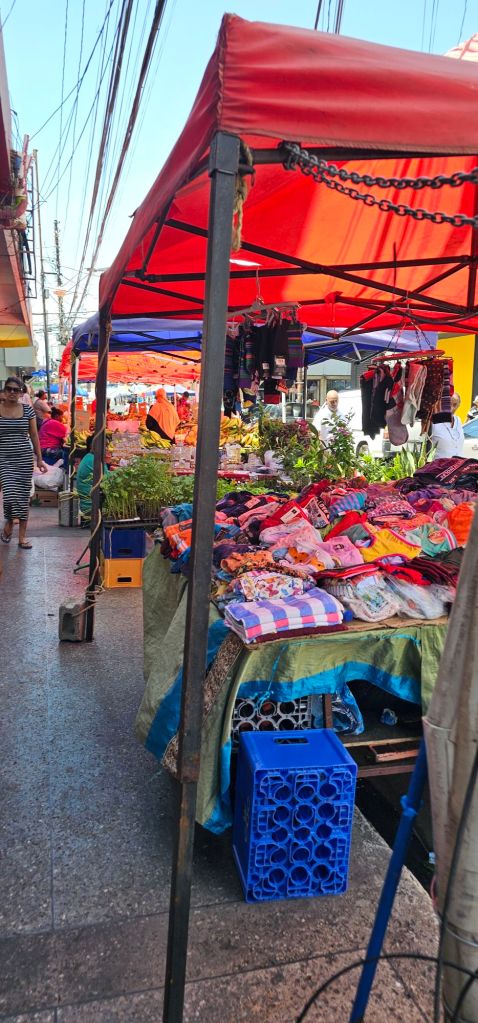
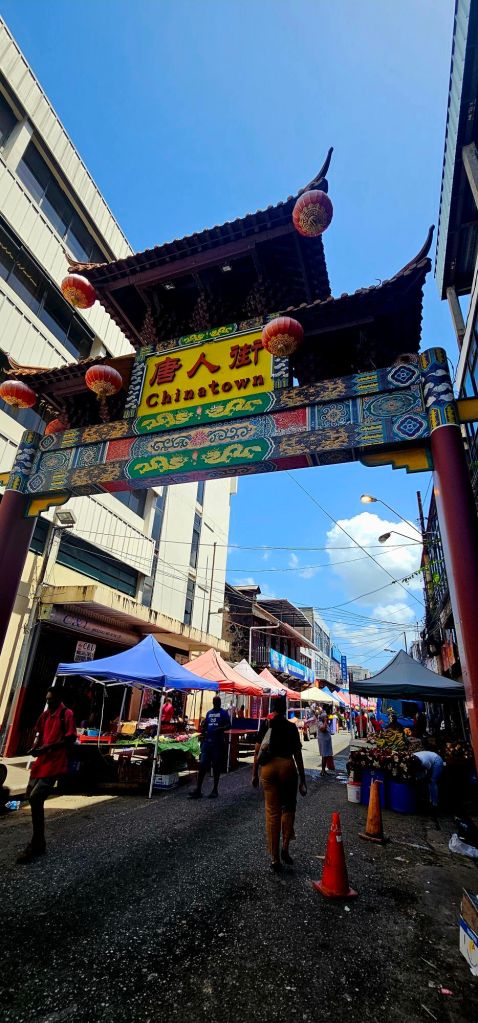
From the square, we turned down and went to Charlotte St, which is also considered Chinatown Street. Up high on the street lights, we could see Chinese lanterns, and the streets were lined with vendors selling produce and other goods.
At the end of the street, heading back towards Independence Square was the Chinese gate. There wasn’t much Chinese there except for two or three Chinese restaurants.
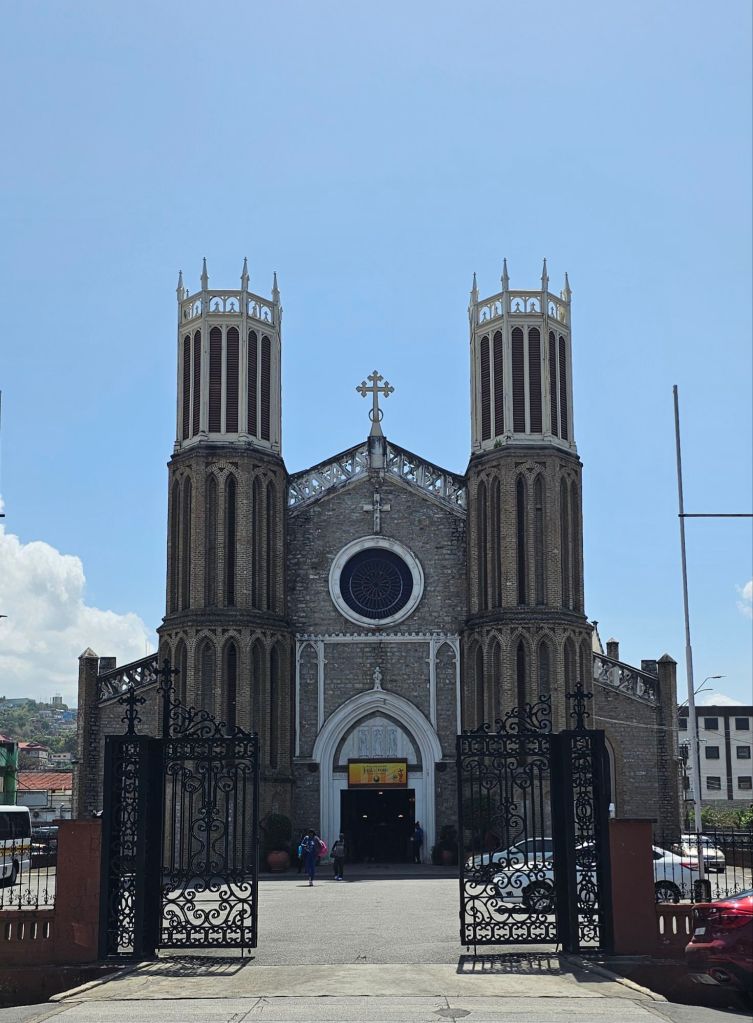
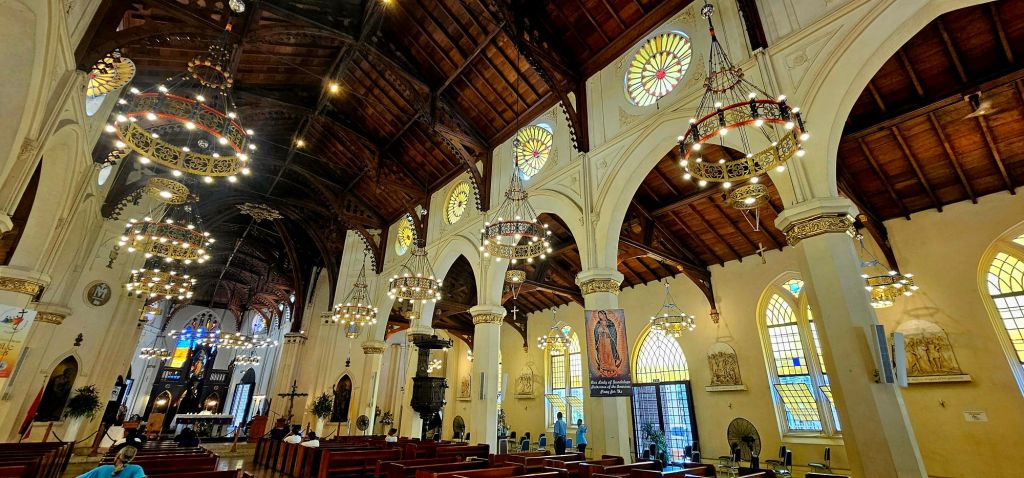
We continued to the end of Independence Square, where the Cathedral of the Immaculate Conception could be found. This Catholic Church was built in 1781 by the Spanish. The British took over in 1797, and they never would have built a Catholic church. The church officially became a cathedral in 1820.
Across from the cathedral, we spotted a barbershop, and Steve decided to get a haircut. Now, men’s haircuts usually don’t take that long, but today, it took 40 minutes for the barber to determine that he was finished. Angela was slightly horrified by the shortness of Steve’s new haircut.
Luckily, we didn’t have anything else really to do today, so we were back on the boat for lunch. Tomorrow is a sea day, and then we have six continuous days in ports in the ABC islands.


 Chasing Summer -
Leave a reply to aleta300 Cancel reply