Dec 11-13
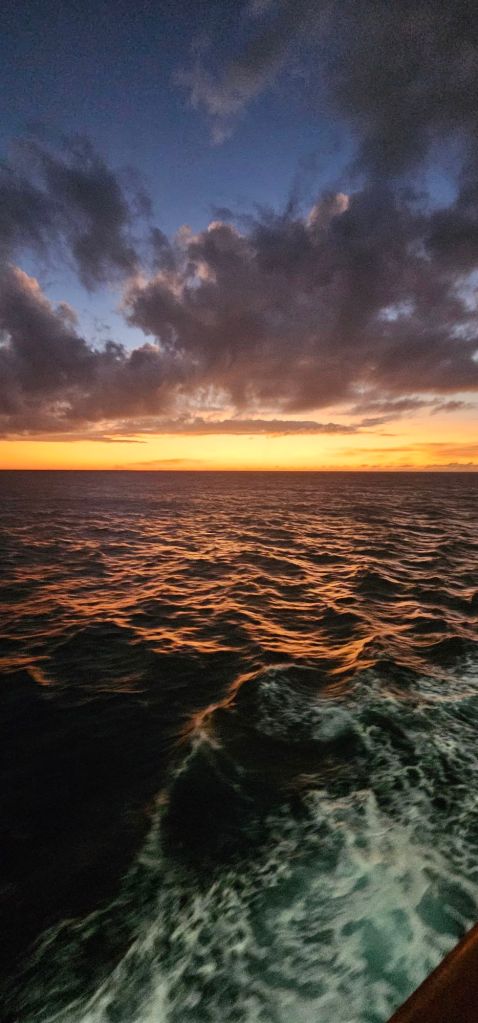
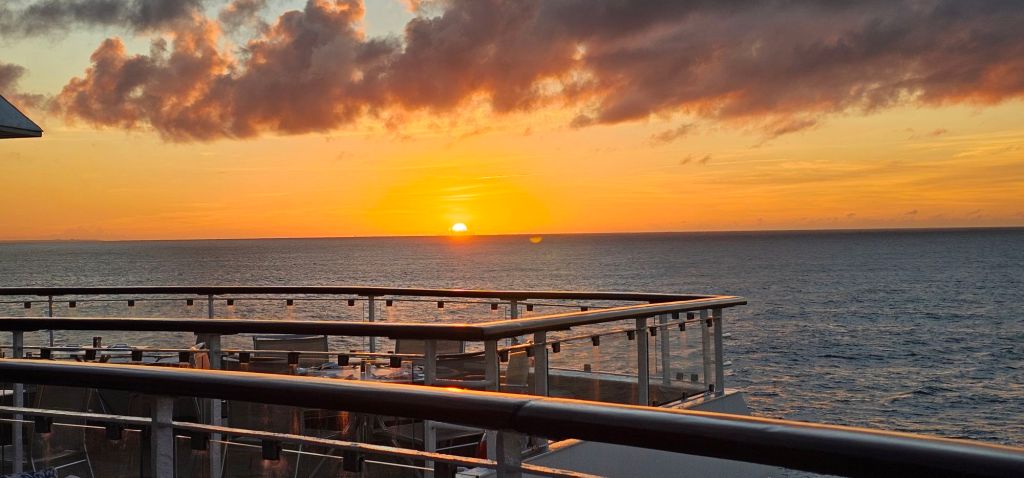
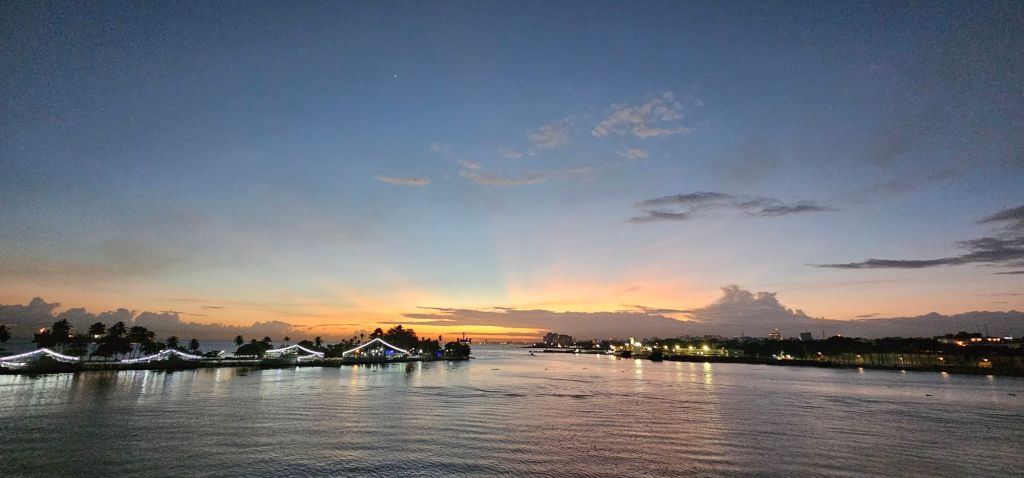
Odyssey arrived at Santo Domingo bright and early on Sunday. Pulling into port, I was amazed at the size of the city after so many tiny Caribbean port towns.
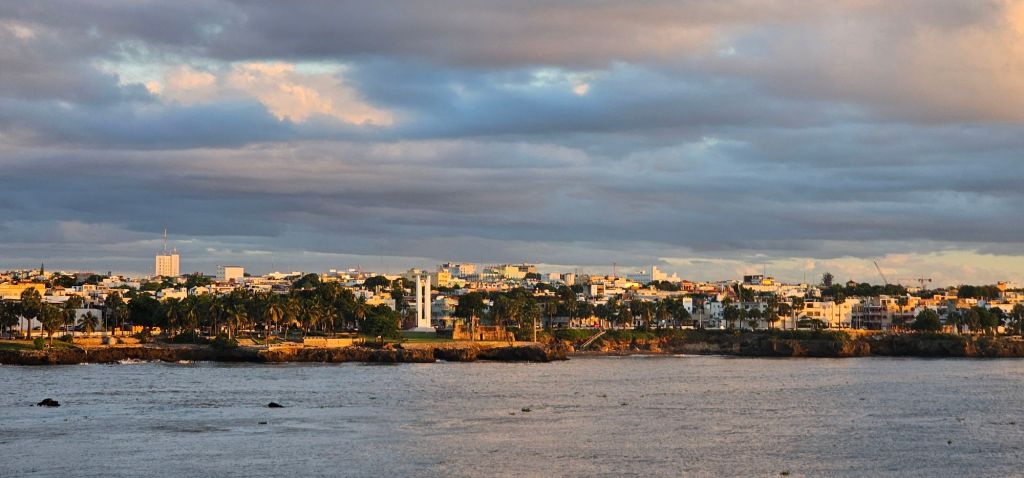
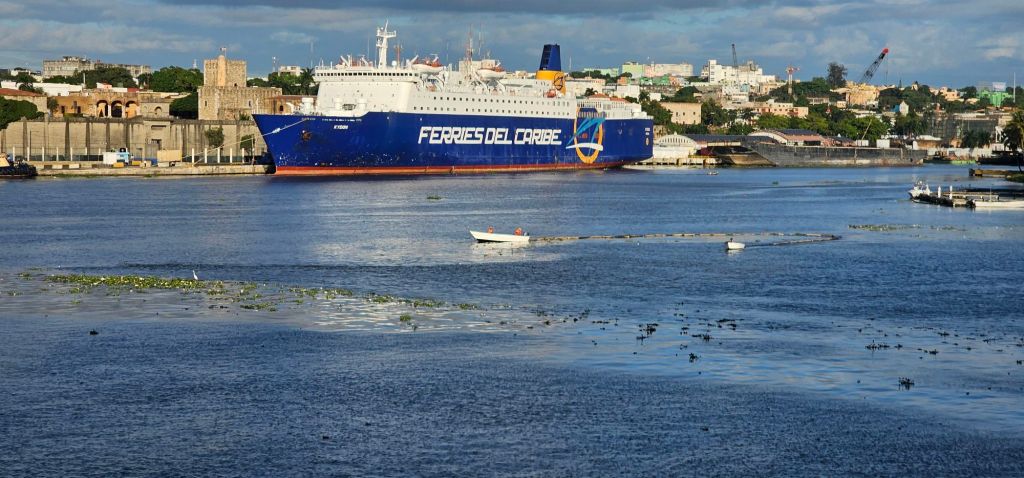
I could see giant statues, an amusement park, monuments, and a fort. I was excited to be able to have more things to explore.
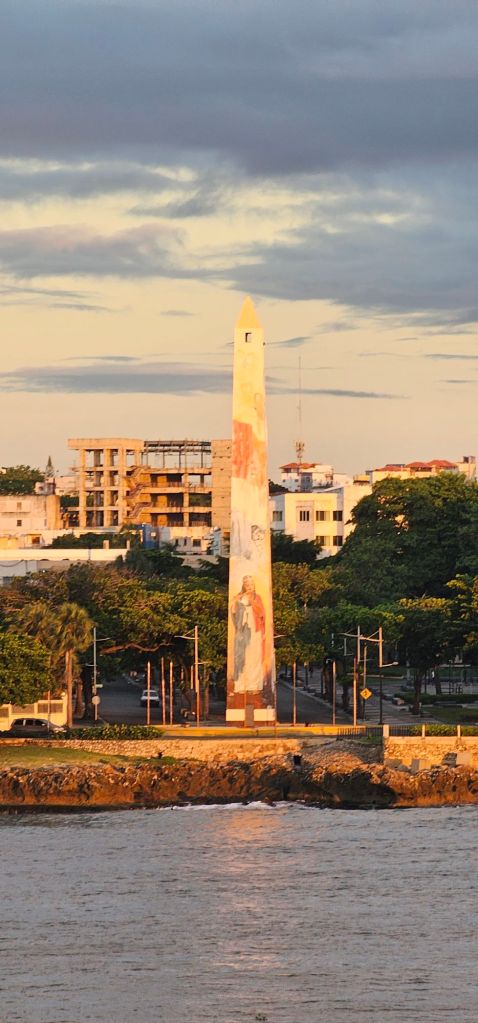
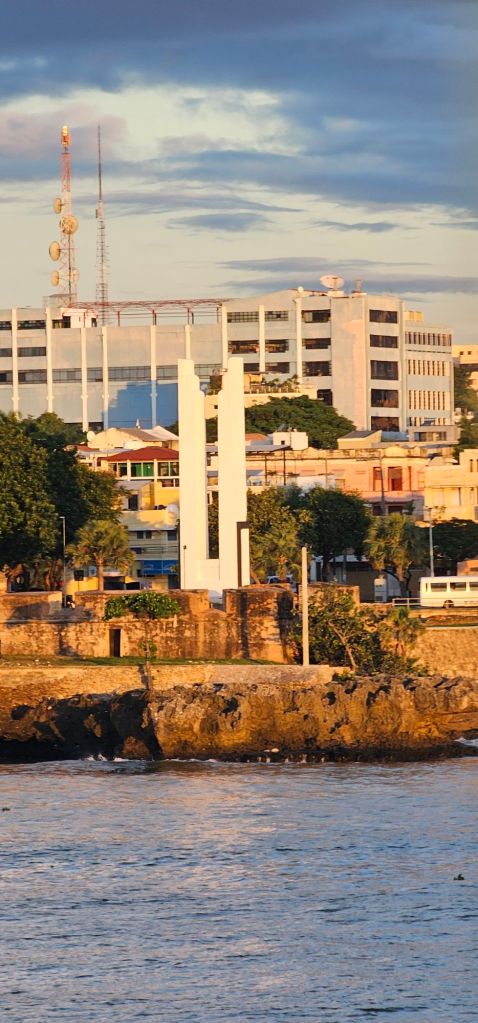

I was even happier that the port had a free shuttle into town since we berthed on the opposite side of the harbor. Santo Domingo is the largest city in the Caribbean and the oldest settlement. It is not considered safe outside of the colonial section, and passengers who attempted to walk places were stopped by police and told not to.
A group of six, Scott, Amy, Mike, Sue, Ed, and I, grabbed the 10:30 a.m. shuttle and headed into town.
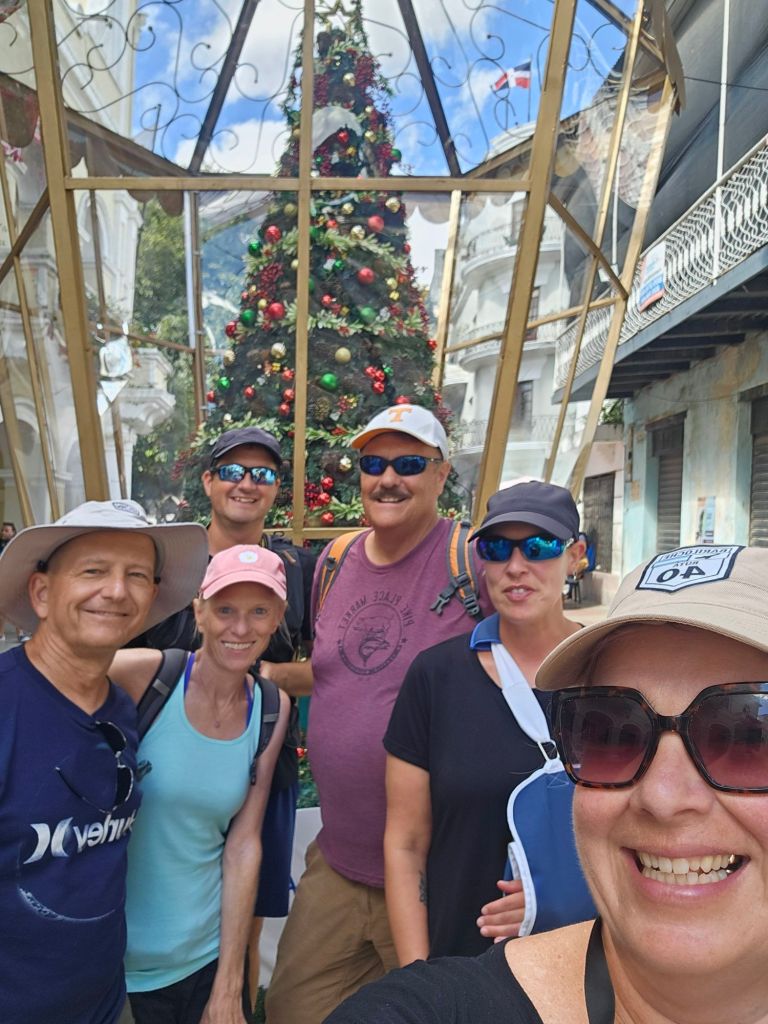
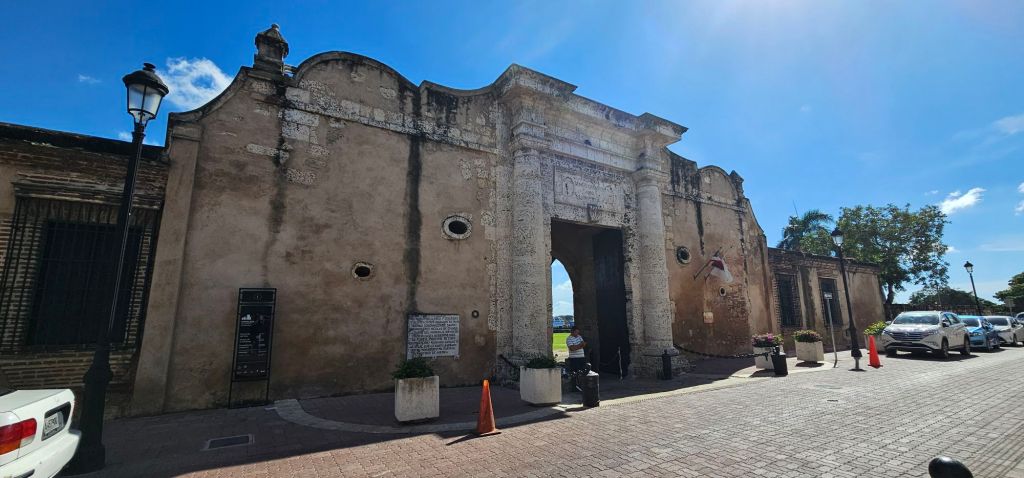
The shuttle dropped us off near the main gate entrance into the walled colonial district. The area was founded in 1496 and was the main point of further exploration. In the 17th century, Santo Domingo faced pirate attacks, fights with other European countries, and finally gained independence in 1844.
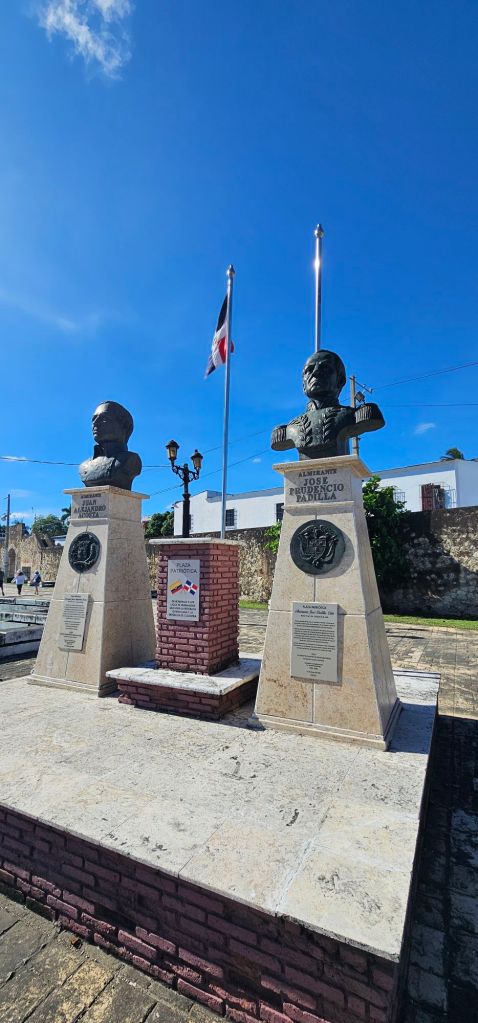

The Colonial Zone is a UNESCO World Heritage Site.
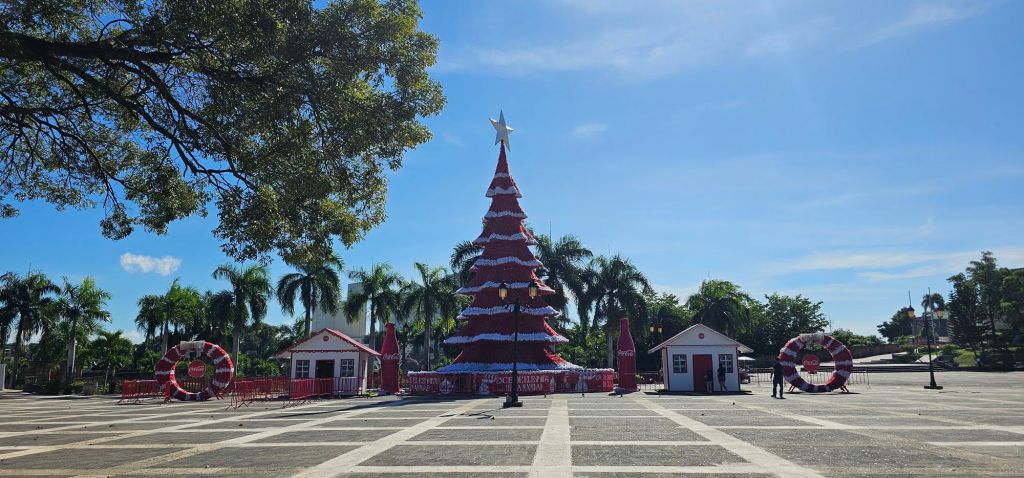
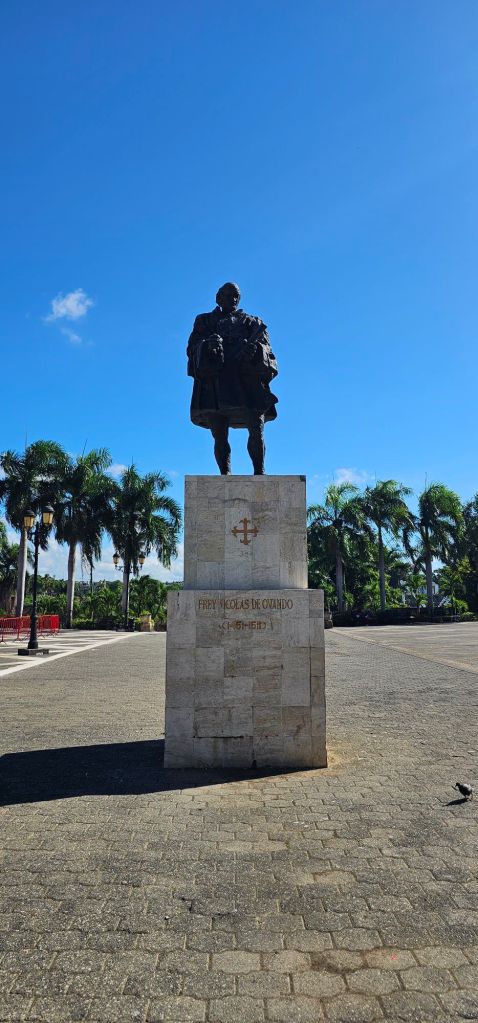
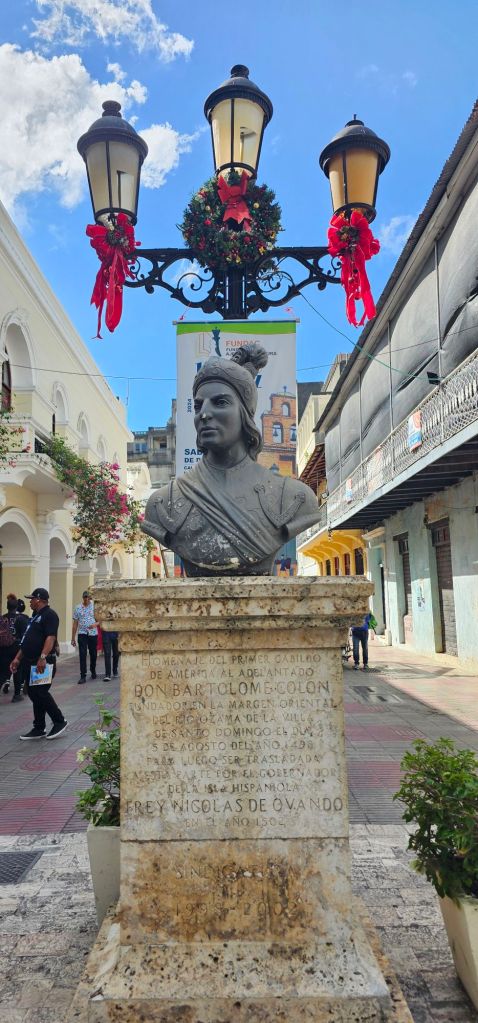
We entered the gate and made our way to Plaza Espana, where a giant Christmas tree and two giant Coke bottles were set up for the holidays. Also in the square is a statue of Nicolas de Ovando, the founder of Santo Domingo.
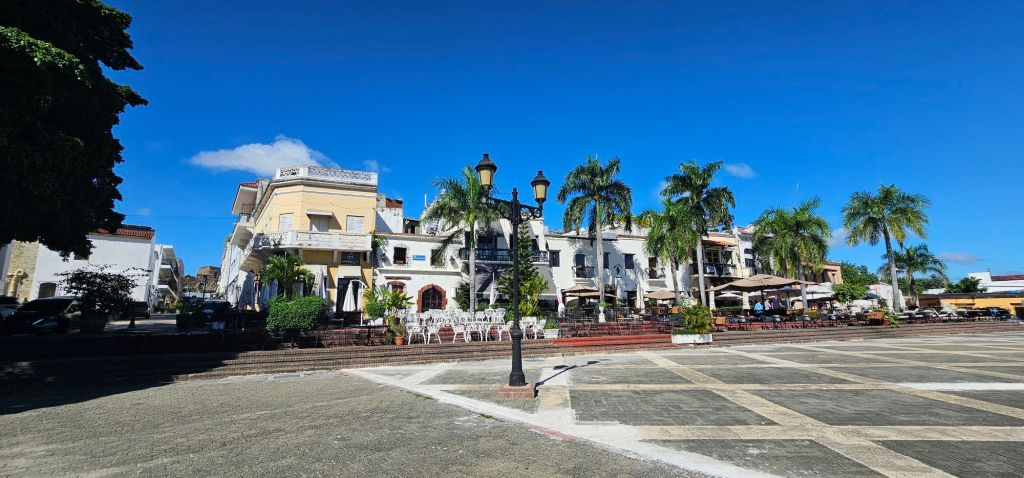
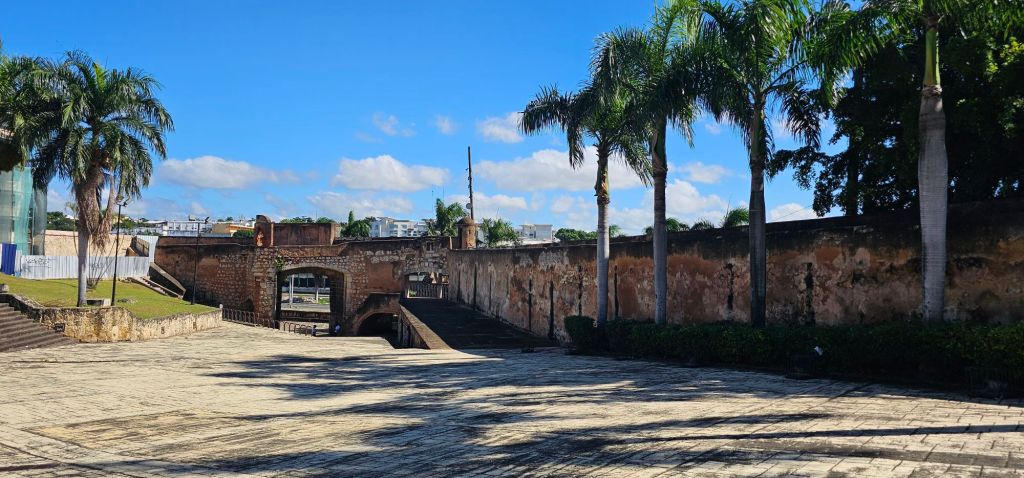
On the north side of the square is Alcazar de Colon, the oldest viceregal residence in the Americas, and the Museum of Diego Colon. Unfortunately, it is closed for renovations.
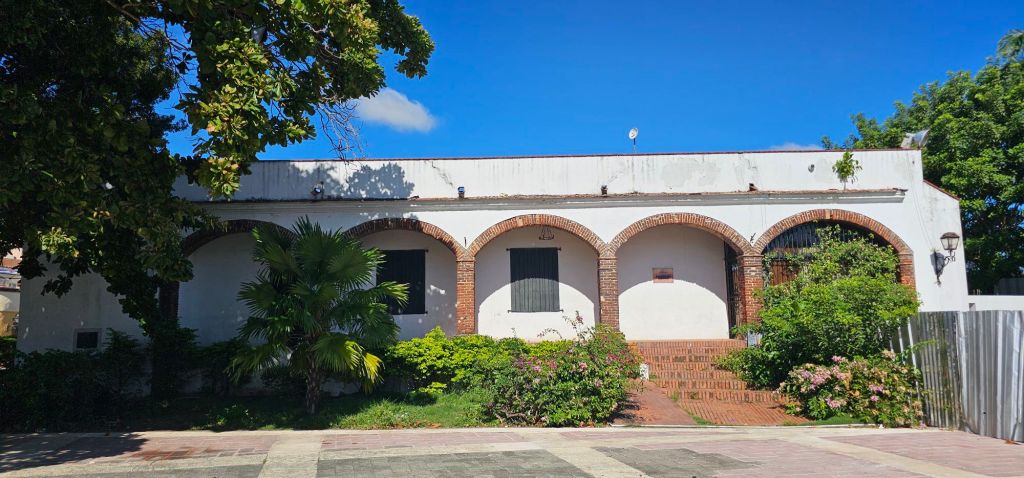
Heading South, we made our way down Calle de Damas to look at the former houses of the nobility.
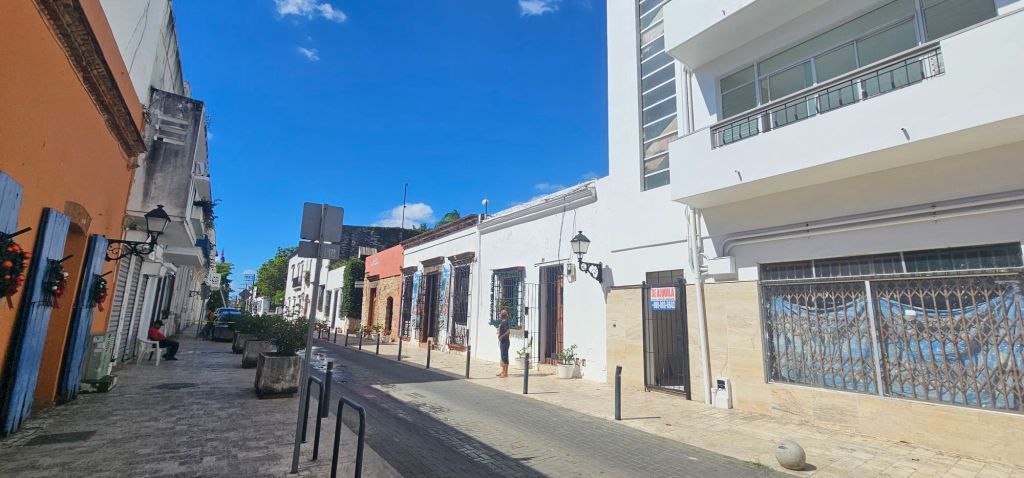
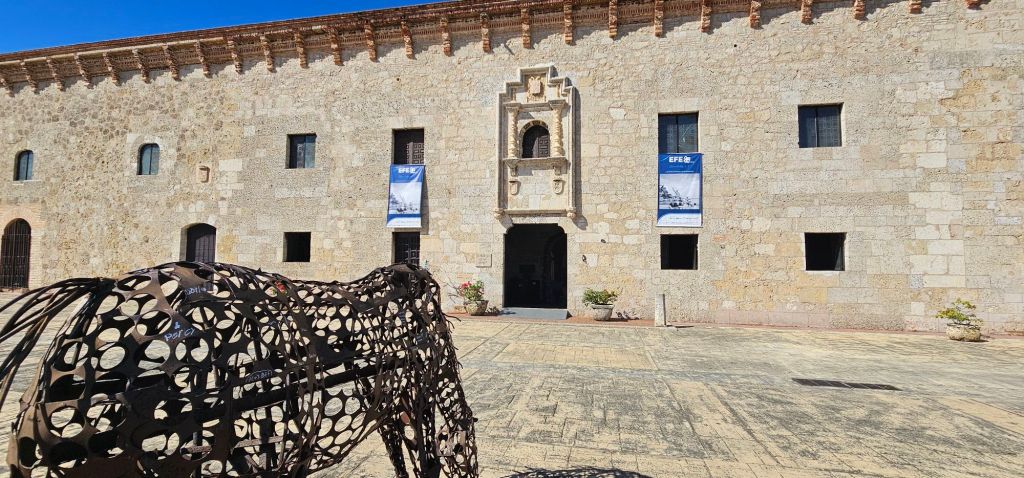
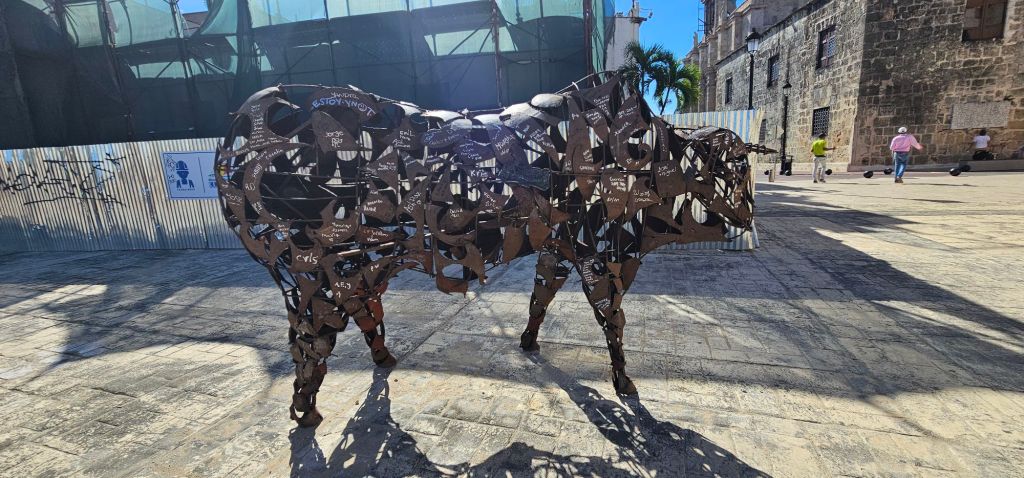
At the start of the street is a sundial, cannons, steel statues, and the Museum of the Royal Houses.

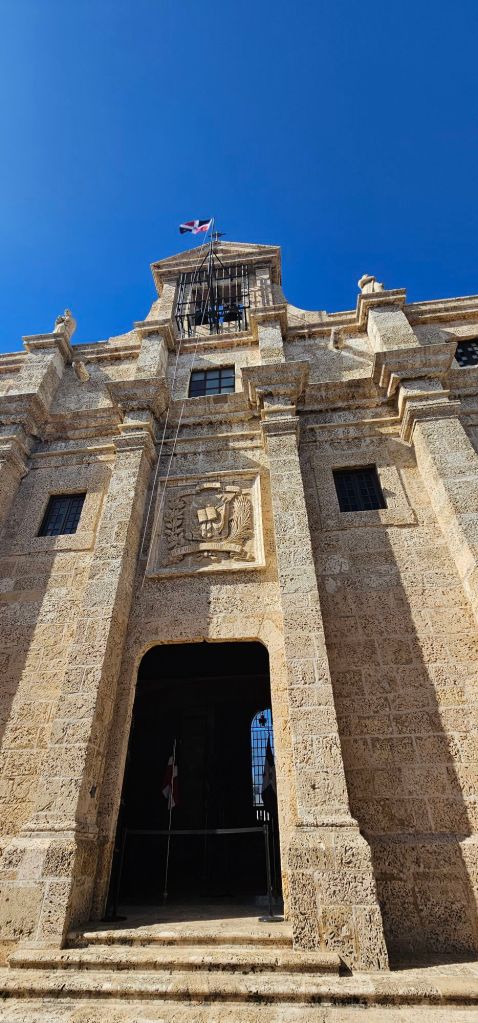
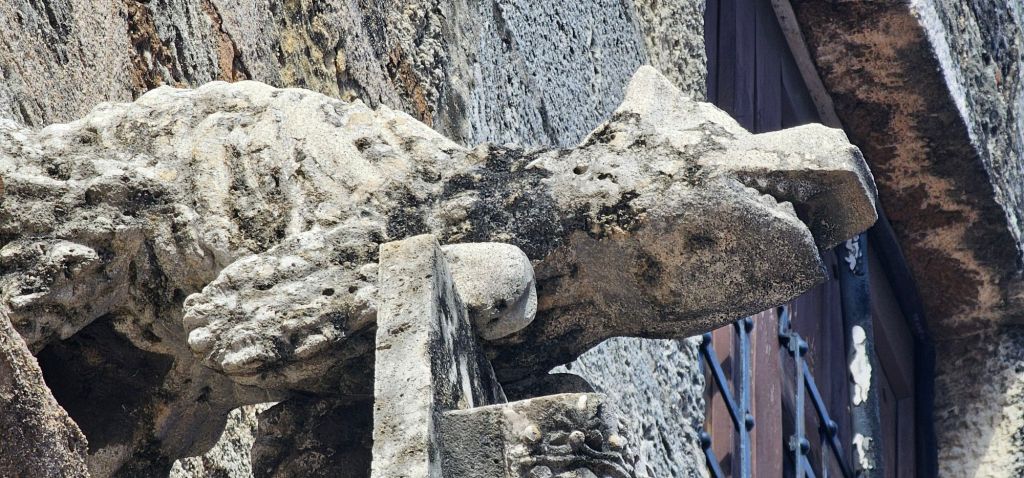
Next is the Panteon Nacional built in 1714 to 1746. It was a Jesuit Church, a tobacco warehouse, a theater, and finally a national mausoleum. It is open daily and free to enter.

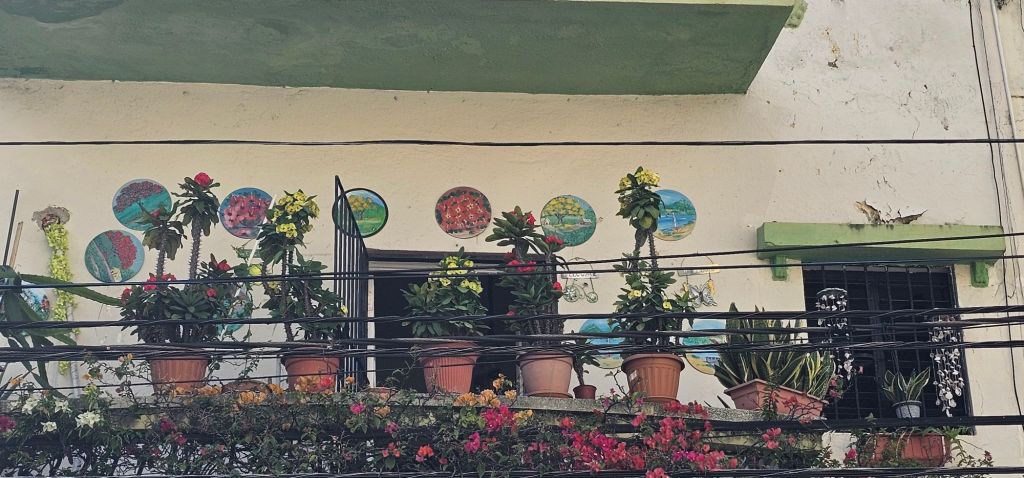
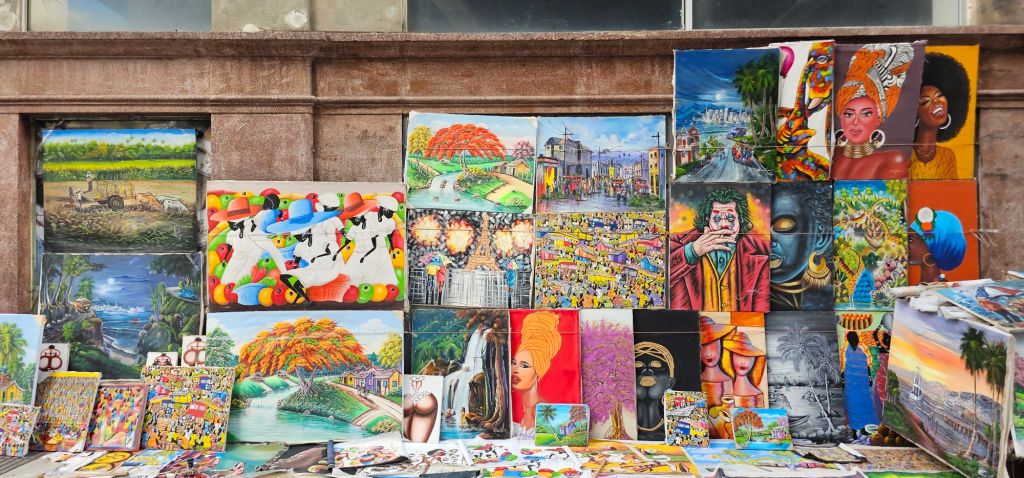
A few more steps brought me to Plaza Maria de Toledo and an open-air market.
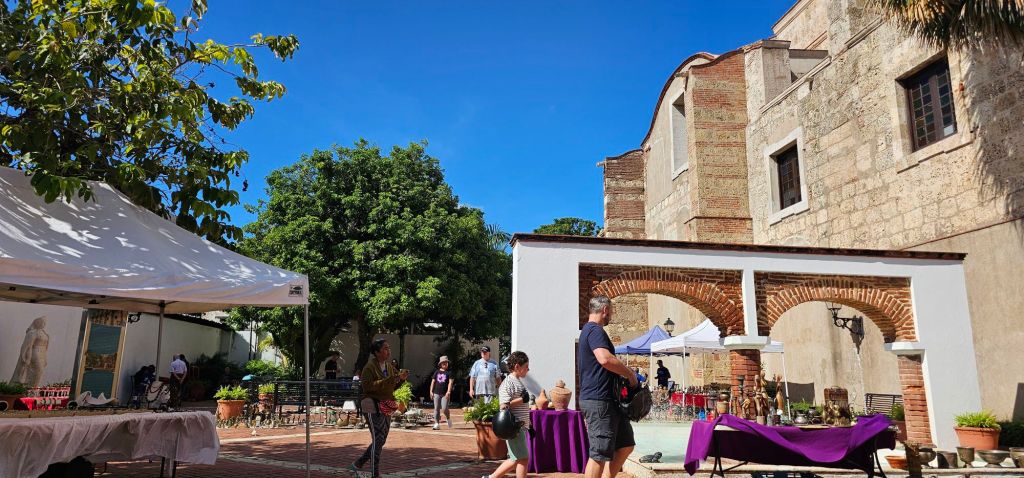
There are several former homes along the street built in the 1500s.
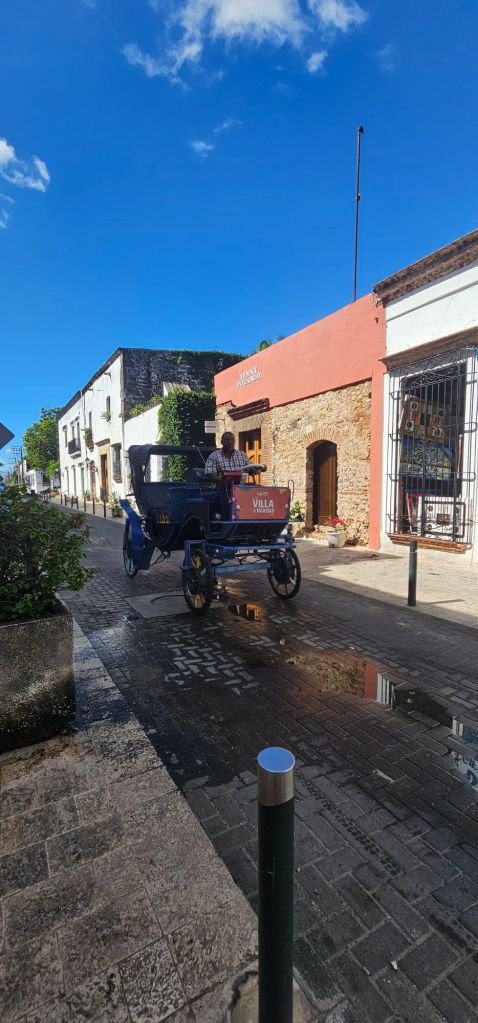
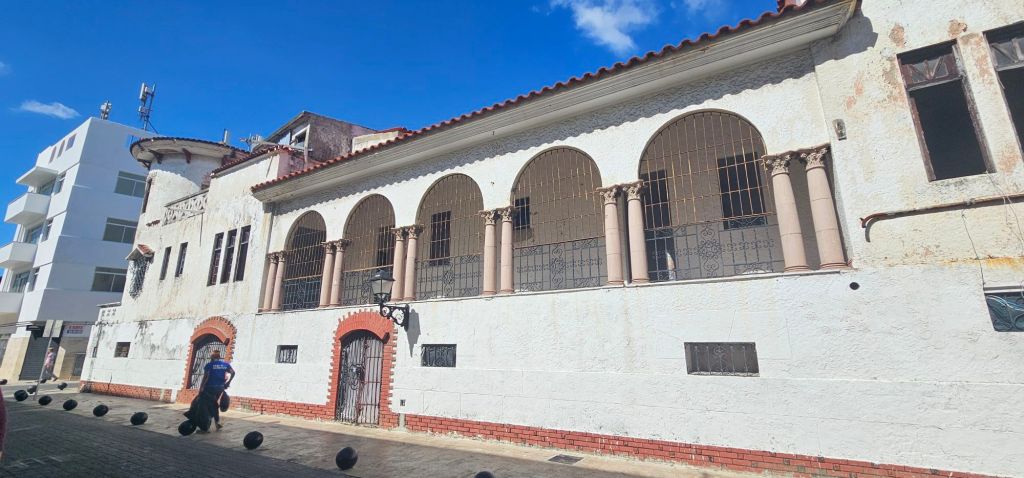

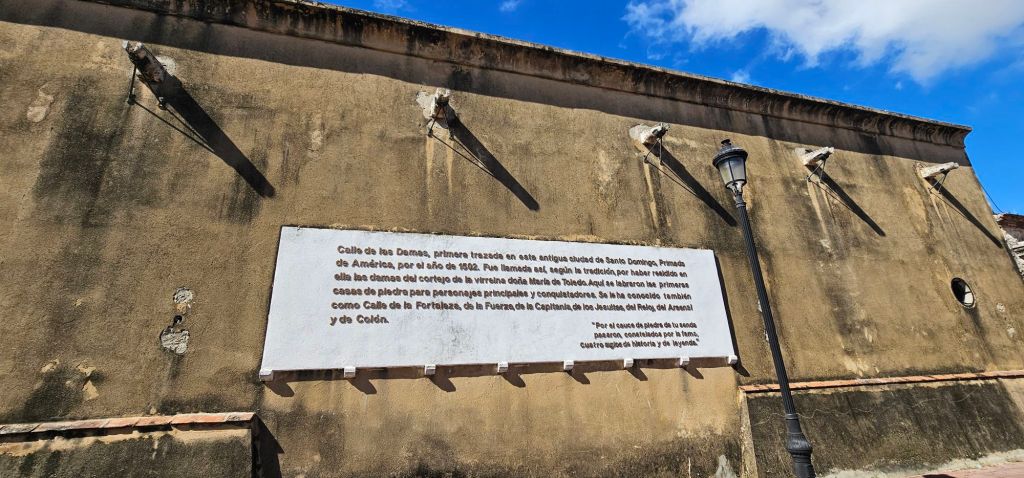
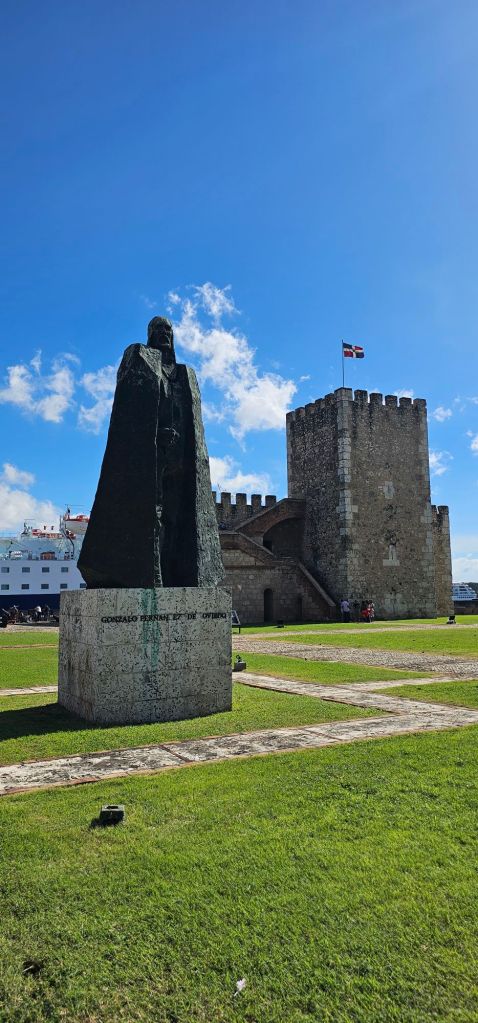
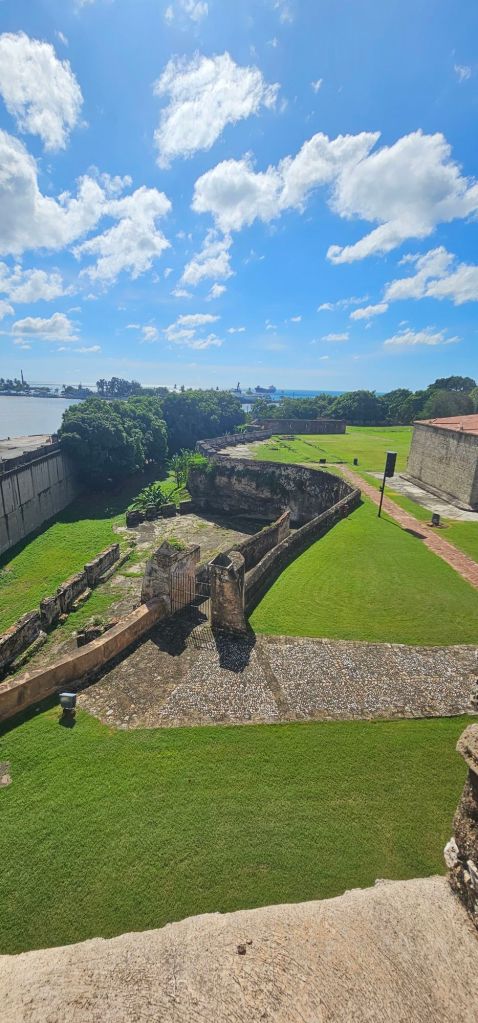
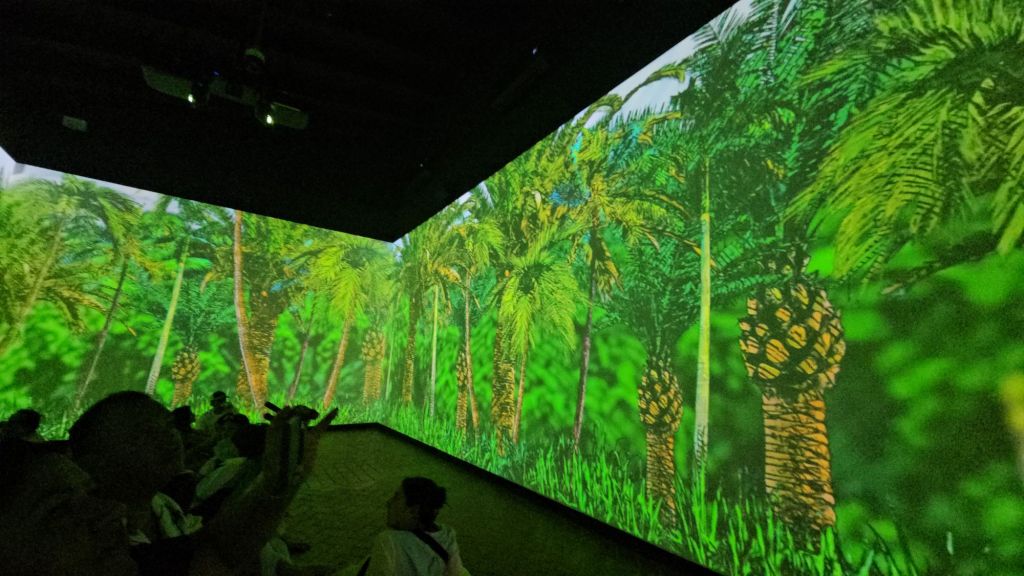
At the end of the street is the Fortress, Ozama Fortress. It costs $2 per person to enter and is open Tuesdays to Sundays. There are several short films that can be watched in Spanish or English that explain the history of the fort, city, and some of its most famous historical citizens in the museum and a room off the left of the entrance. I was surprised at what we got for $2.
We walked west from the Fortress past the Church and Convent of Santa Clara towards the Cathedral of Santa Maria la Menor. This is the oldest cathedral in the Americas and was consecrated in 1504 by Pope Julius II. There was a mass service, so we quickly left and headed north to the Parque Colon.

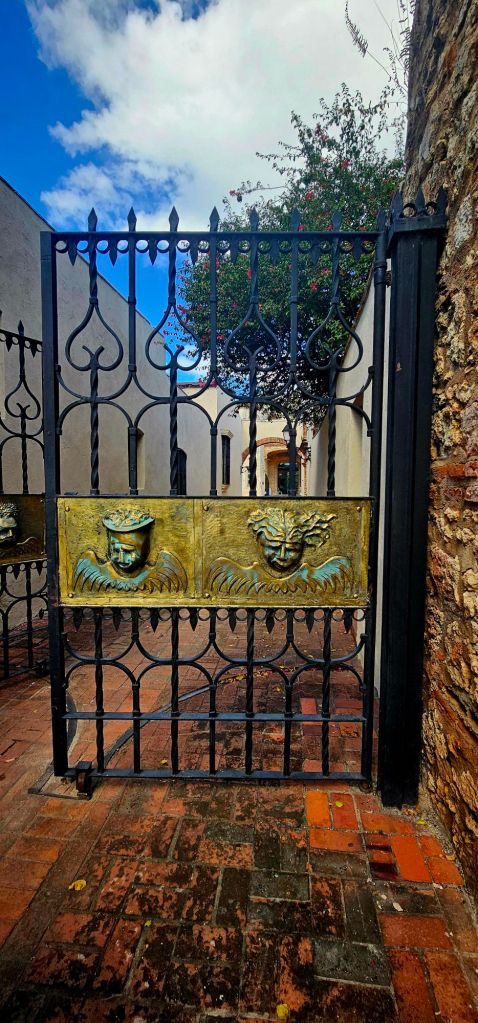
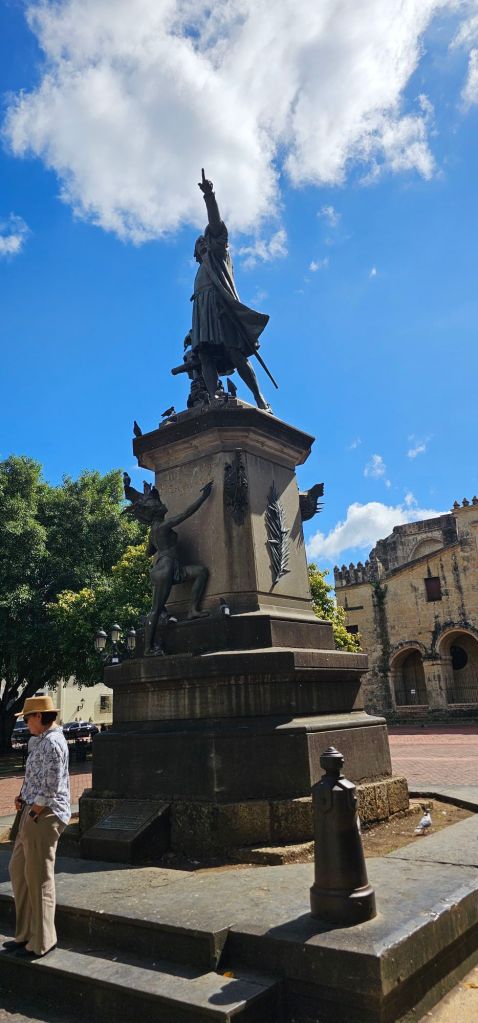
The Parque Colon has views of the Cathedral, Santo Domingo’s Municipal Palace (Townhall), and a statue of Christopher Columbus.
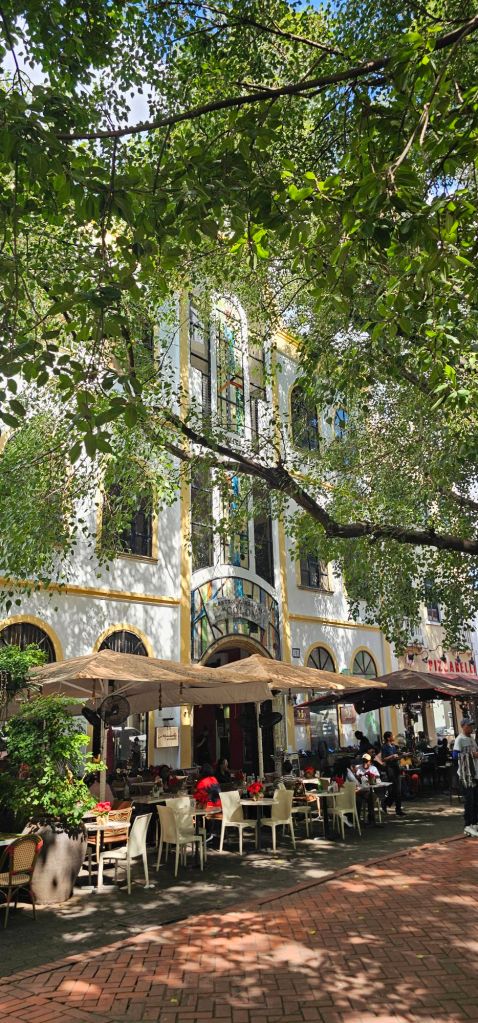
Here, we stopped for a snack of fried plantains, yucca bread, tostadas, and beer.
Refreshed, we headed down Count’s Street, passing the Palacio Consistorial (1502). Count’s Street was the first commercial street in the New World.

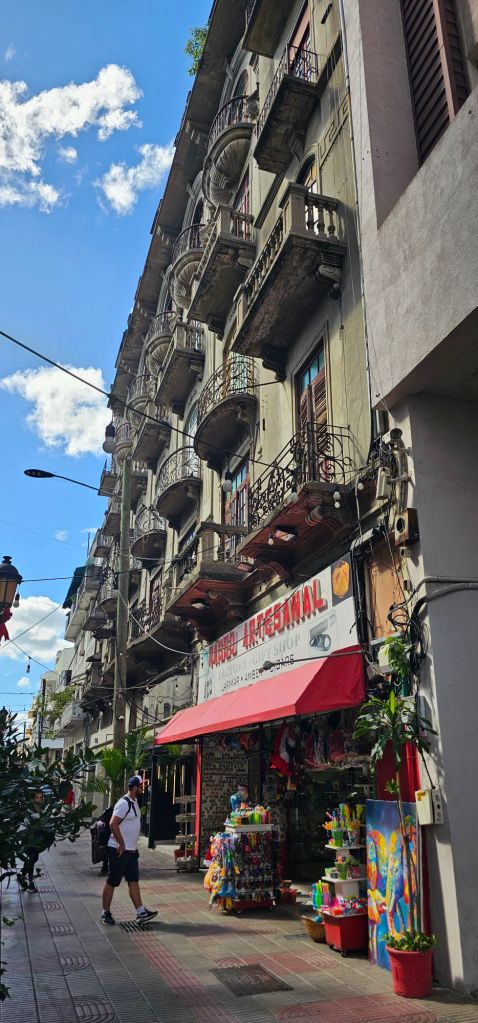
We then turned down a road past the Convento de la Orden de Predicadores de America, which was under renovation and blocking the roads. We made our way to the lookout to see the 30-meter-high statue of Fray Anton de Montesinos.
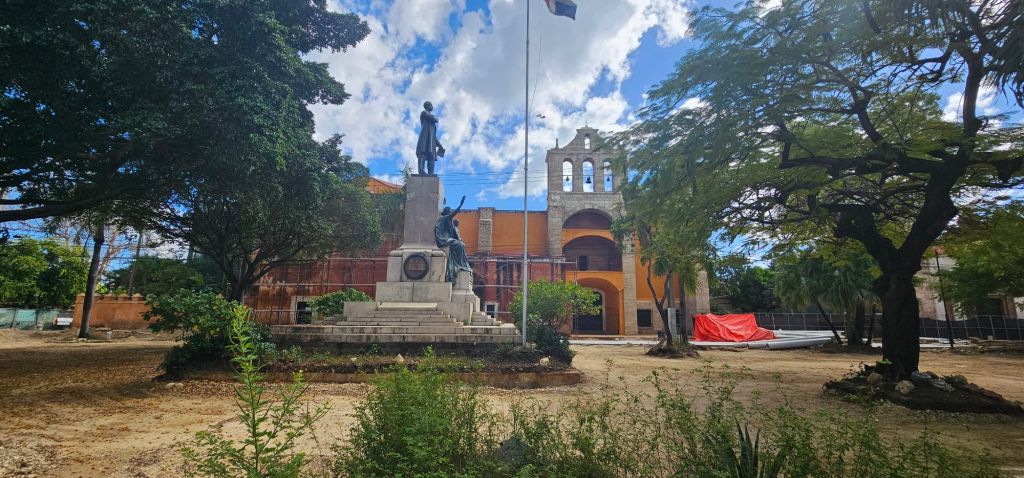
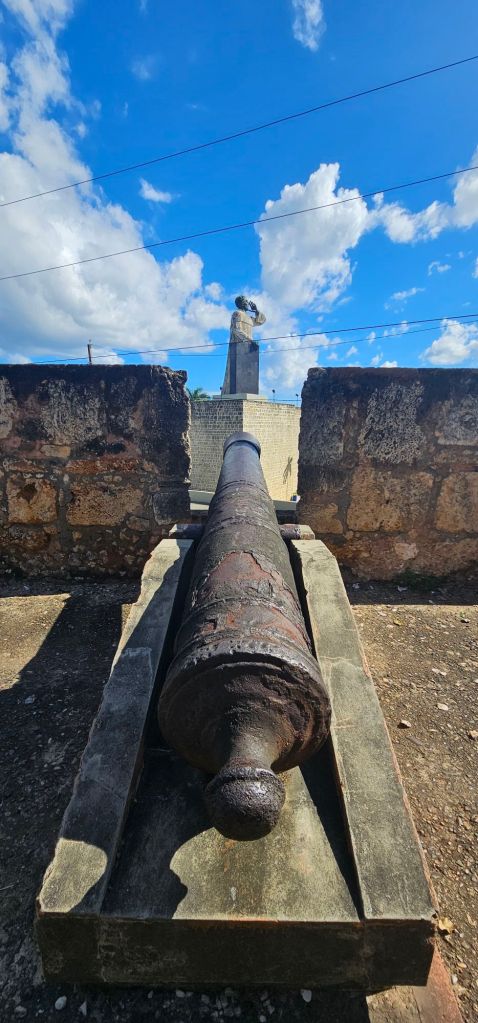
While we had seen a lot, there was still so much to explore, and another trip would be needed.

Day two saw a group of 24 Odysseyers(?), heading to Los Tres Ojos National Park. The park has a large, 46-meter open-air cave in which three lakes can be found.
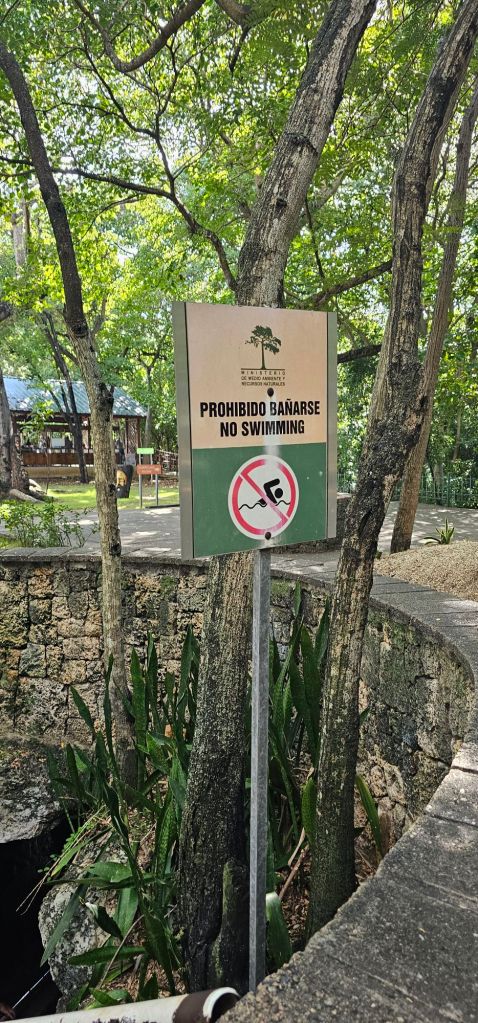
When I was reading up on this national park many people were complaining that you could not pay cash and needed to buy a ticket online. I was concerned and frantically sought a way to prebuy the ticket since the park website brings you to a tour on Viator, and finally managed to find a blog that had a picture of the QR code linked to the ticket office.
No one needs to do this. While they still do not take cash at the park they do accept card payments without issue. It was 200 local currency.
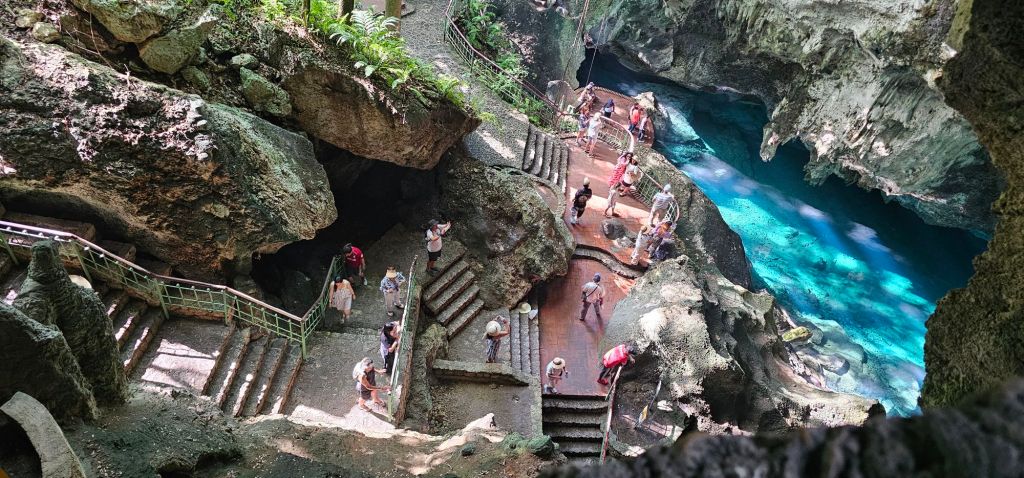
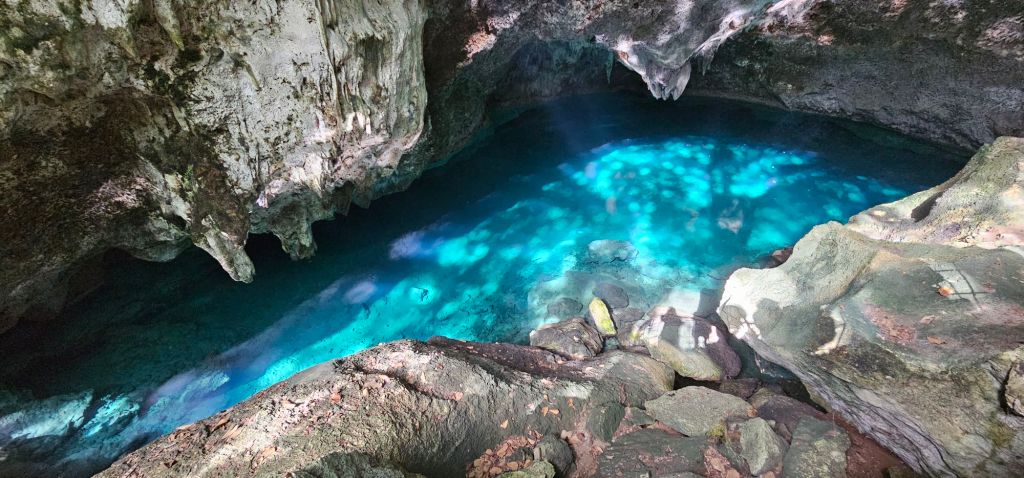
The second and third lakes are La Nevera and El Lago de las Damas.
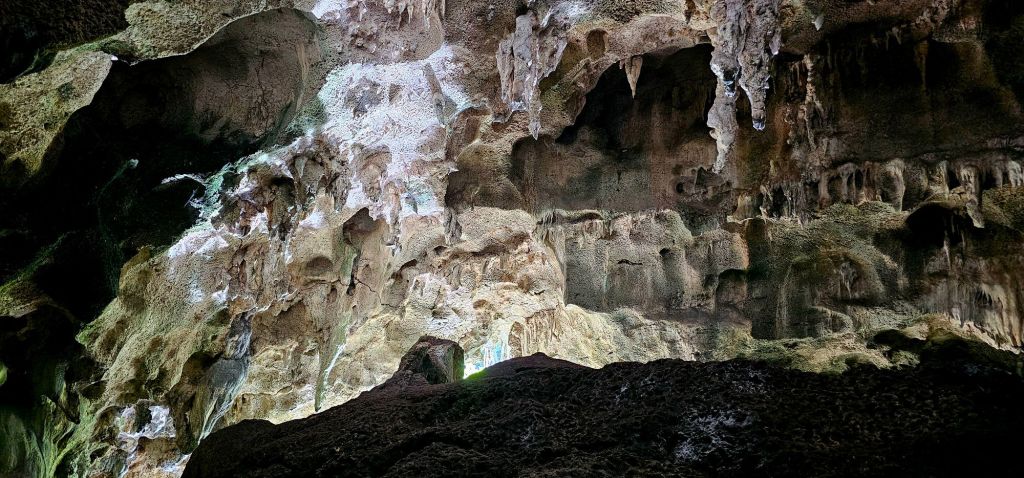
From La Nevera I took a pully raft ($1) to see a fourth lake, Los Zaramagullones. This fourth lake isn’t an eye because it has another opening above it to the outside. This lake was also stocked with fish in the 1940s.
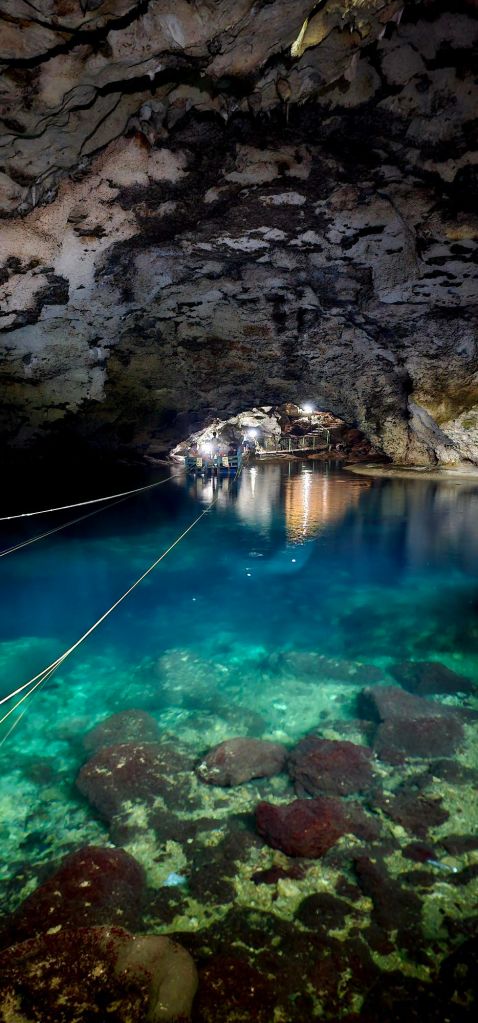
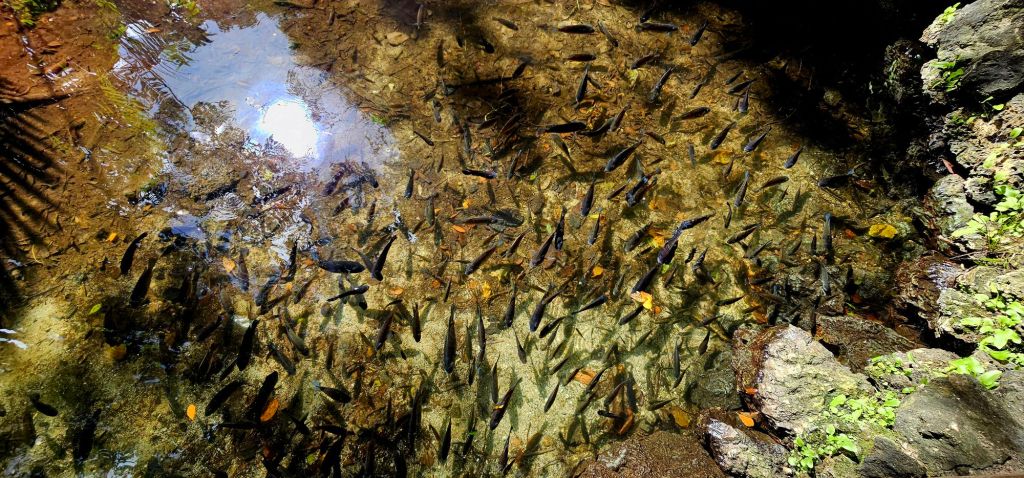
After doing all the stairs in the cave, we headed out to circle around the holes from above. We spent 2 hours total there and it was more than enough time to do everything.
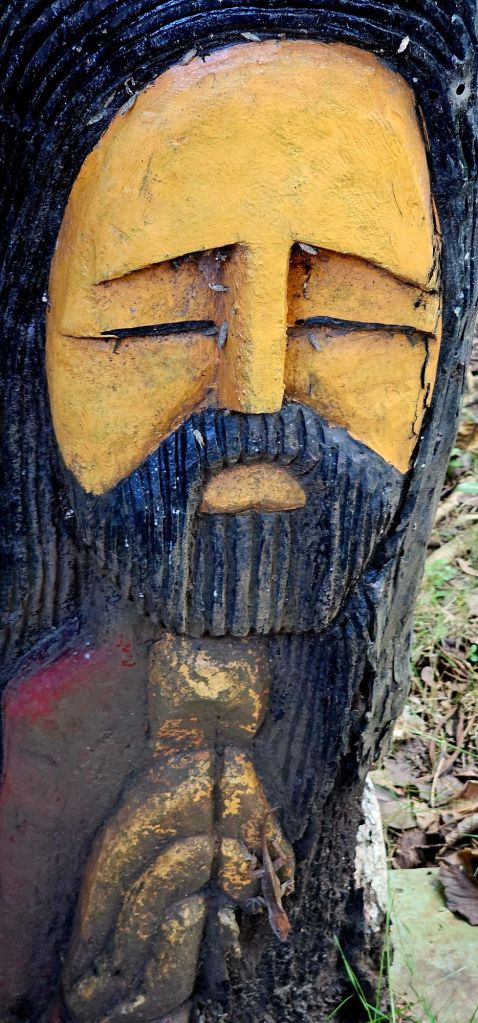
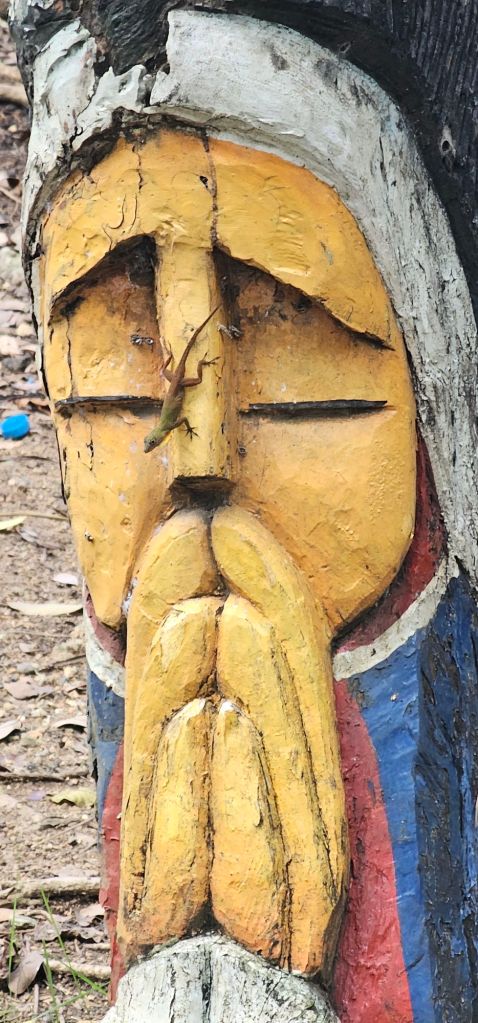
On the way back to port, we passed Columbus Lighthouse, a monument to Christopher Columbus. It contains what it claims to be his remains and a museum. This is not the first place I’ve seen claiming to have Columbus’ remains.

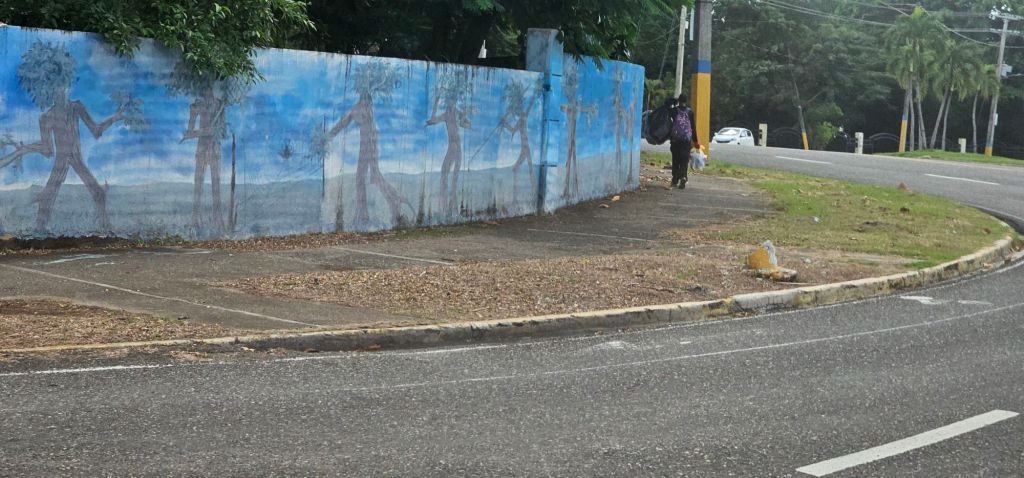
On day three, I headed back into town on my own. I grabbed the 9:30 am. shuttle bus and was back in the center by 10.
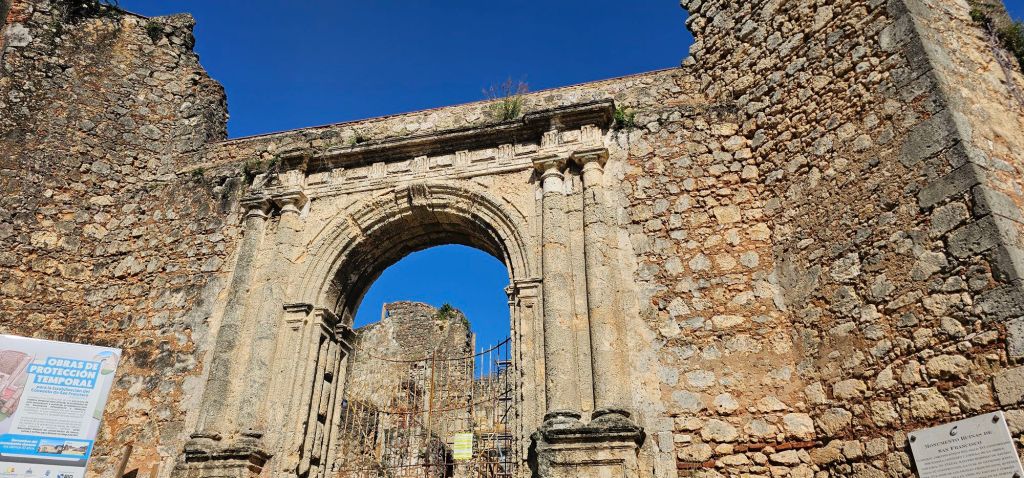
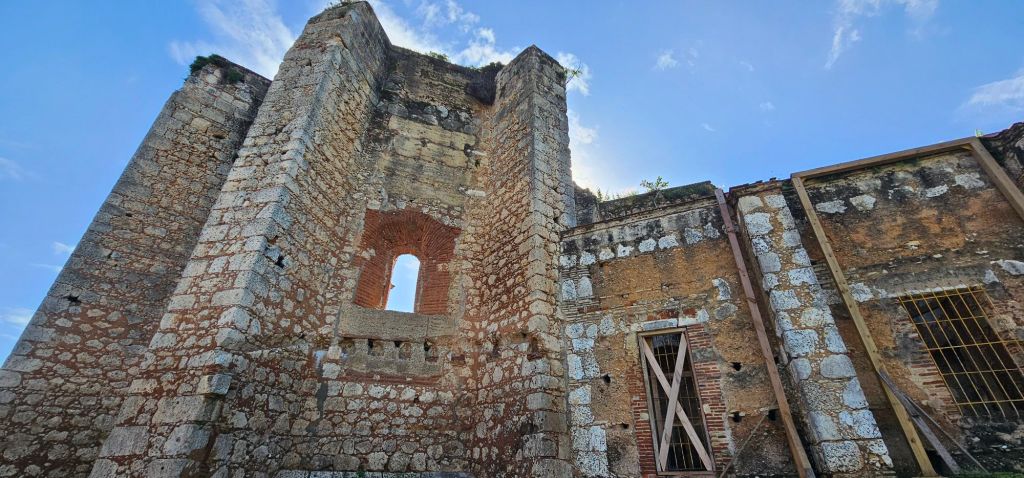
My first stop was the Saint Francis Monastery. These ruins are under reconstruction, and I couldn’t enter them. They date back to 1508 and are said to contain the remains of Christopher Columbus’s brother, Bartholomew.
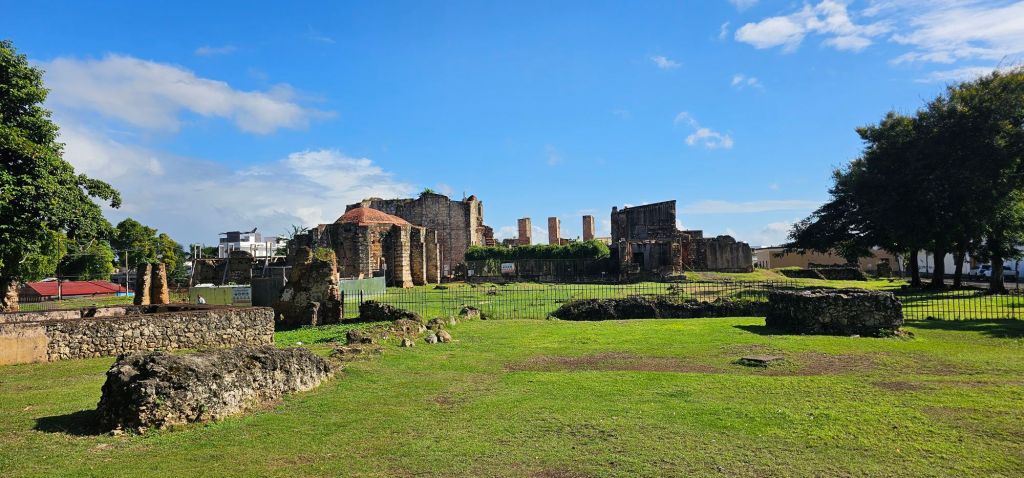
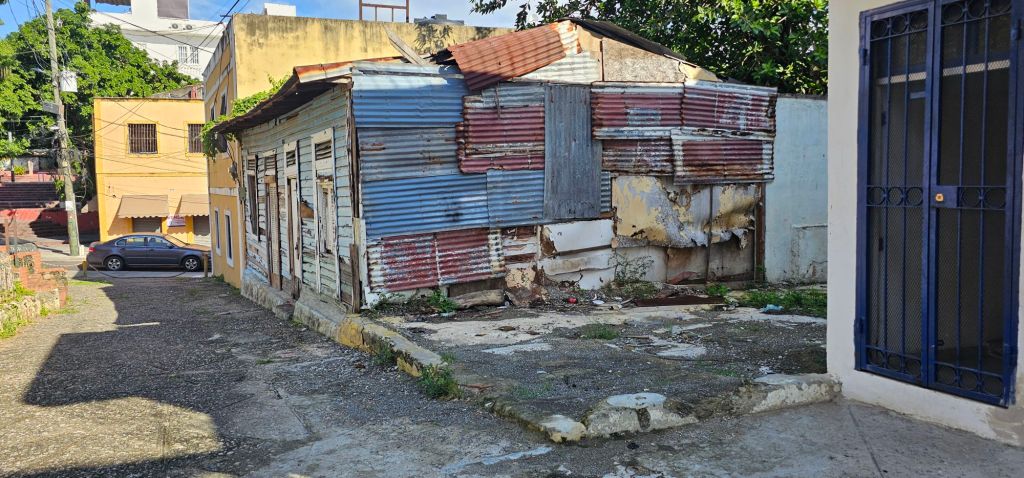
Just past the ruins, the neighborhood deteriorates, and tourists are not encouraged to venture.
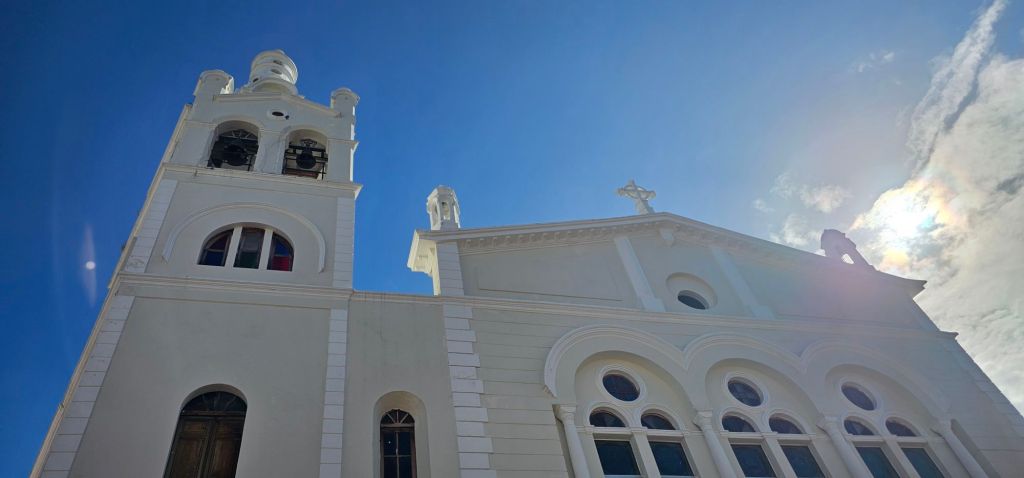
There are many churches scattered throughout the colonial zone, and I usually just head towards their spires in order to see things. There are some ruins of the oldest hospital in the Americas, San Nicolas de Bari Hospital, but the street out front was under renovations, and it was too hard to get to.

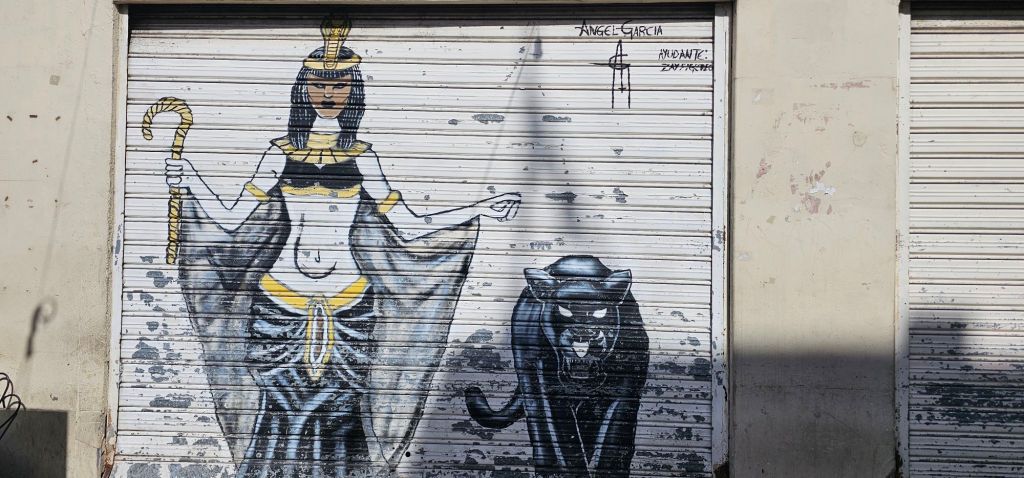
Everyone I met was friendly and helpful. One barber even left his shop to chat with me and offered to take me around and explain the cultural significance of things. I had to explain I was almost done and had an app I was using, but thanks.
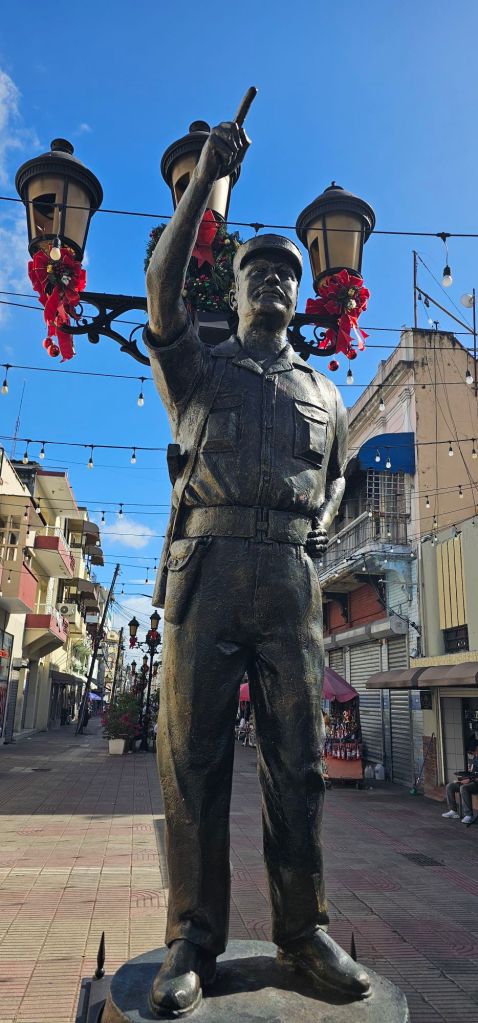
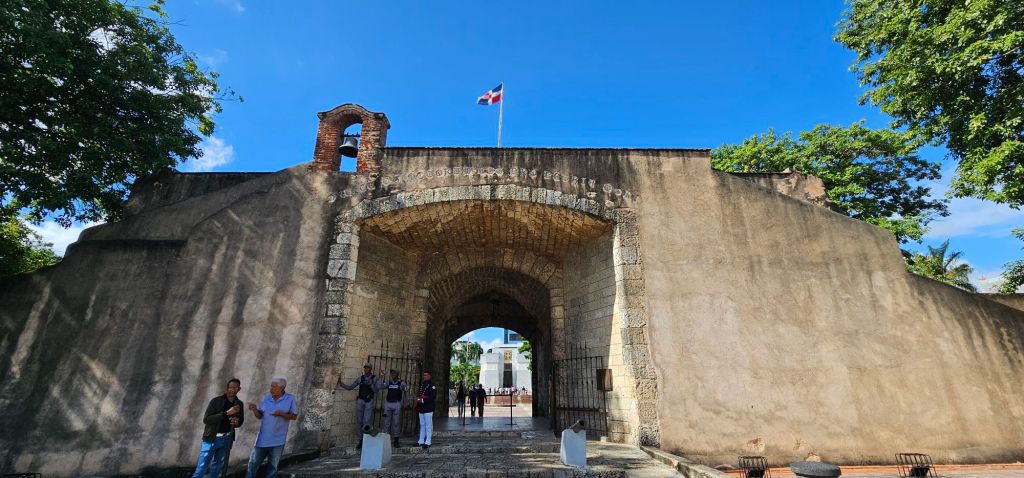
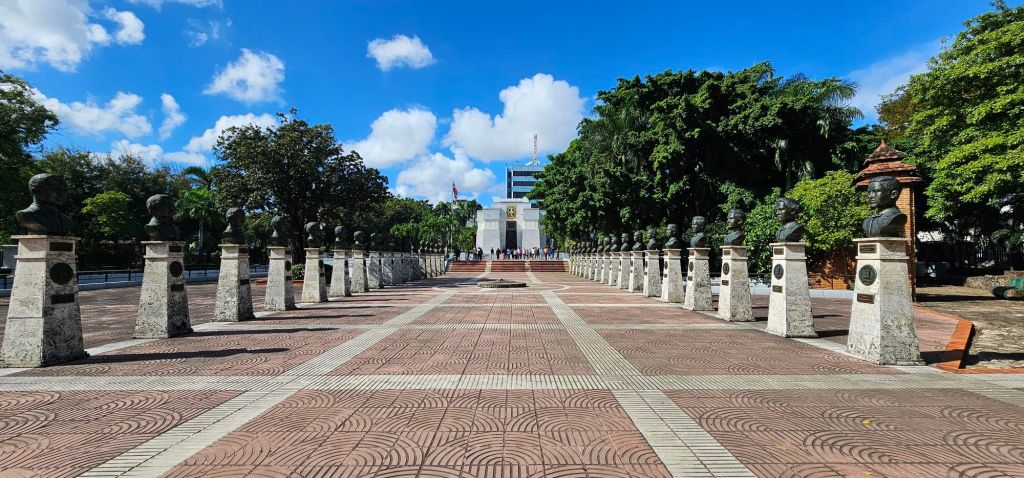
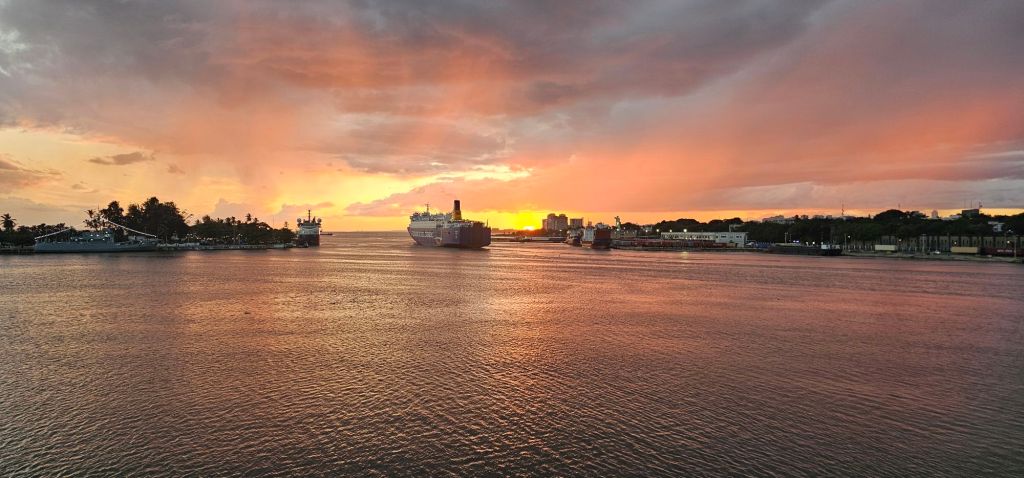
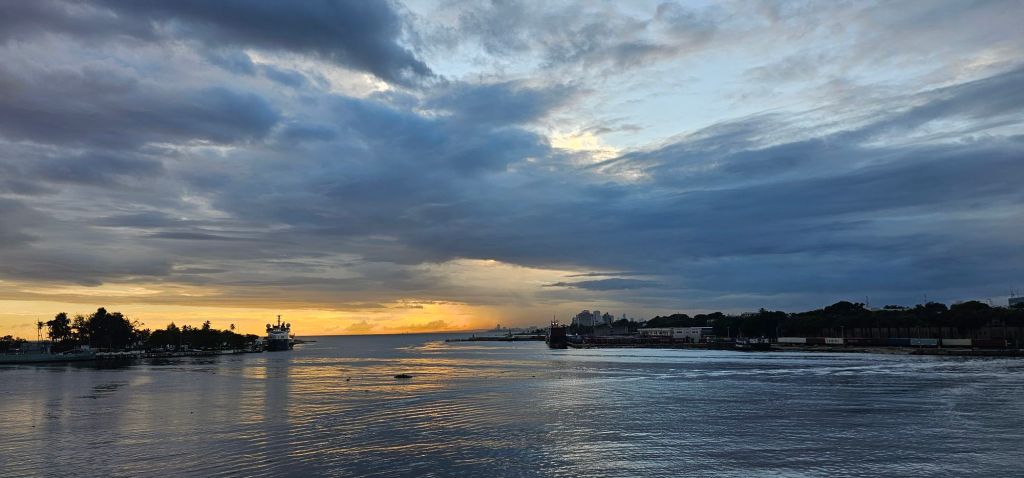
After three full days of enjoying the Dominican spirit, it was time to hoist the anchor and make our way out of port.


 Chasing Summer -
Leave a reply to Patti-Jo Boettcher Cancel reply