December 4-10th
It all began with another itinerary change. Wallis and Futuna, which would have been a new country for everyone I talked to on board, was out because they required zodiacs to tender to shore, and we do not have them. A mild grump from me, didn’t someone check the requirements when booking? Instead, we are spending three more days in Fiji on 2 different islands.
Suvasuva
Suvasuva is a town on the island of Vanua Levu (which sounds suspiciously like a spell) and takes about 10 minutes to walk from one end to the other.
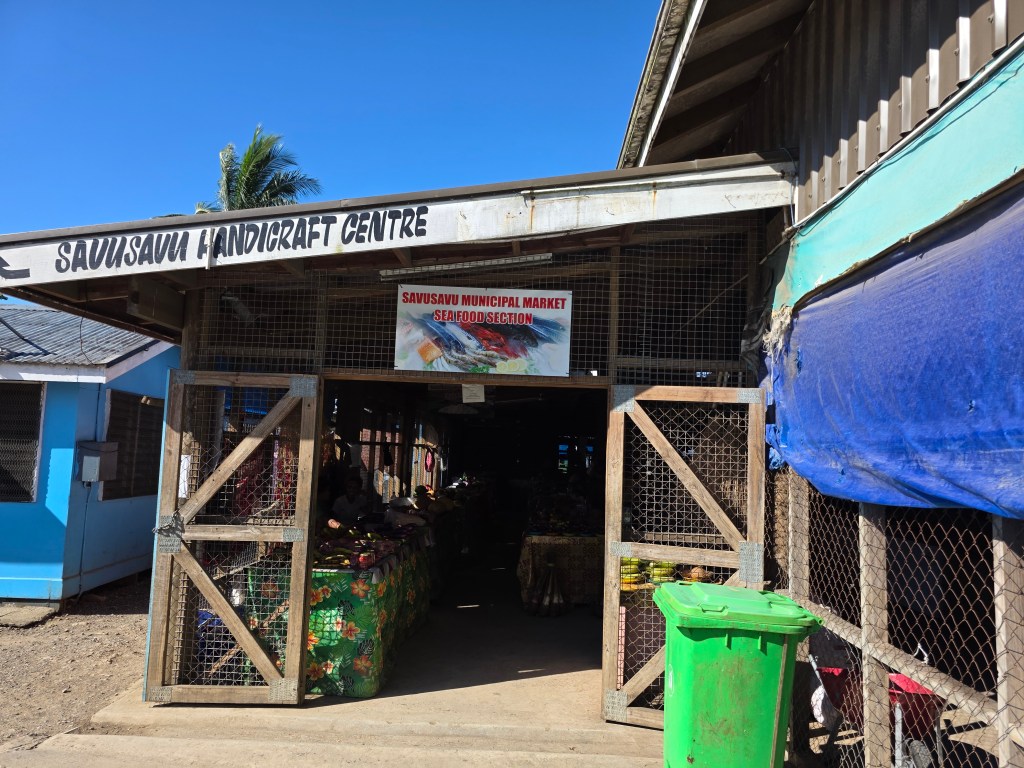
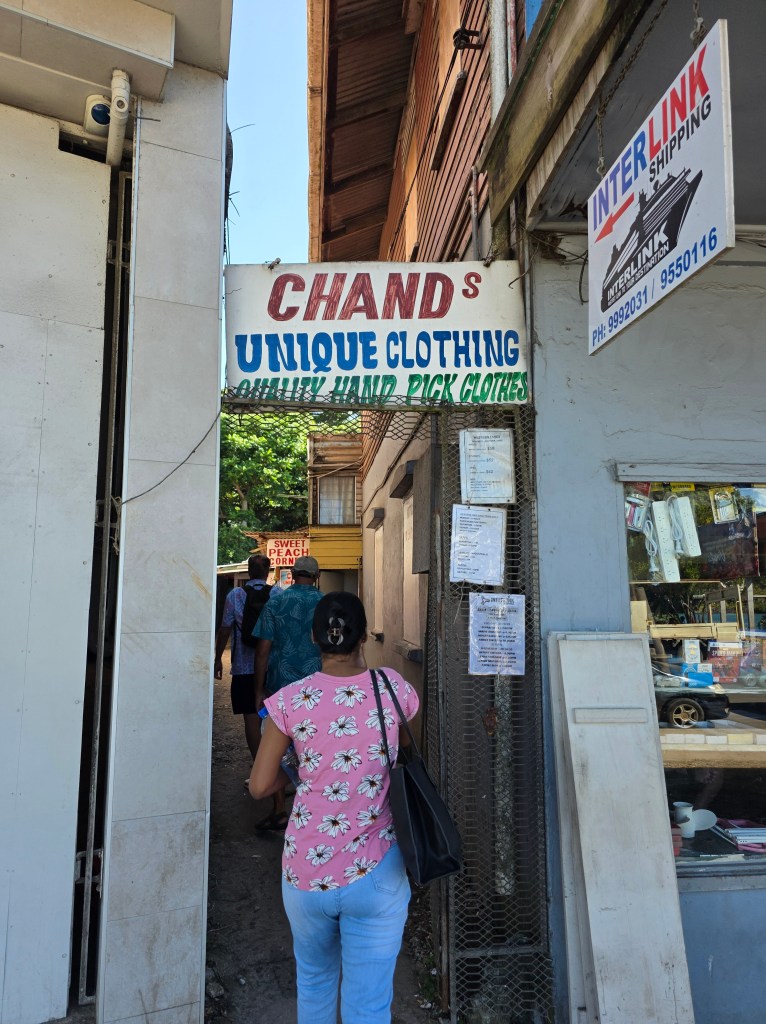
Most of the people on the island live in smaller villages and only come to the town to work or shop. There are several variety stores, two pharmacies, a bus station, a couple of restaurants, two banks, and a market. Everything one needs.
This was another tender ride to reach shore, but only 15 minutes and easy to navigate, so our captain allowed us to have tenders until 10pm. That’s unheard of for us, and we were super happy because that meant that we were able to attend a bonfire and dinner at a local village on our first night in town.

There is typically a tour that does this taking place at a resort, but with some back and forth, it was arranged that we would rather our money go to the locals than a company, so a village that was willing to sponsor the event was found. Now the resort would have been more polished, but this was more authentic.
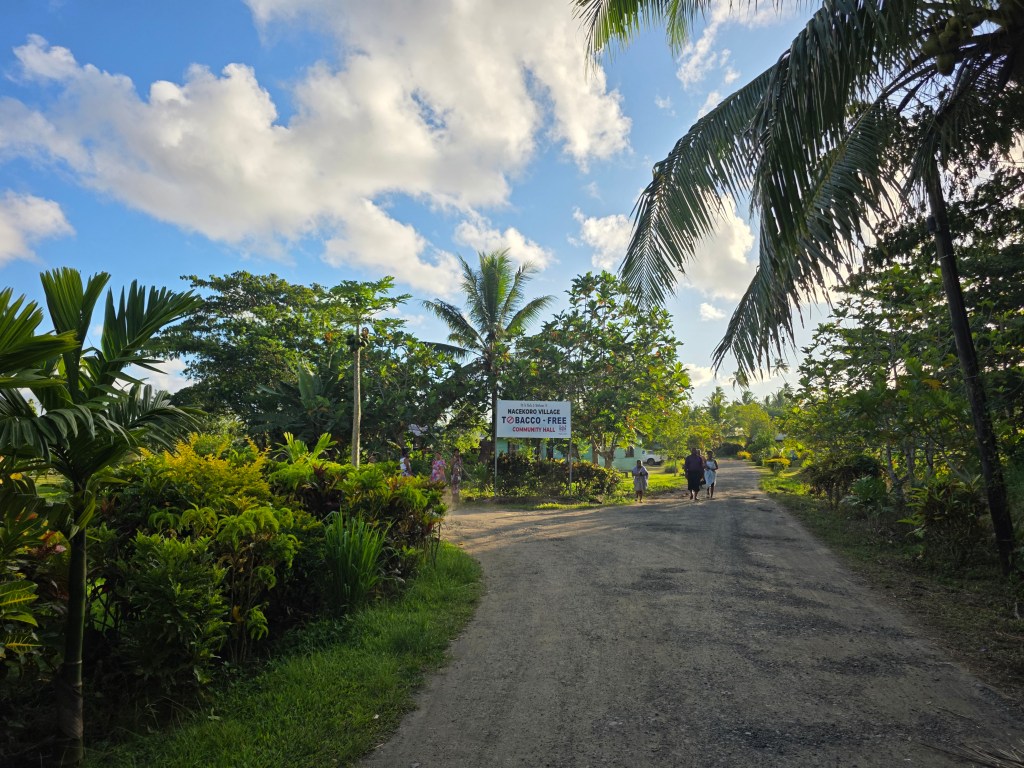
A bus was rented, and about 50 of us boarded and were driven to a village, Nacekoro, next to the airport, about 15 minutes away. This was the first time that the village had done this, but they served fish that they had caught that morning, chickens they raised, and fruit and taro that they grew.
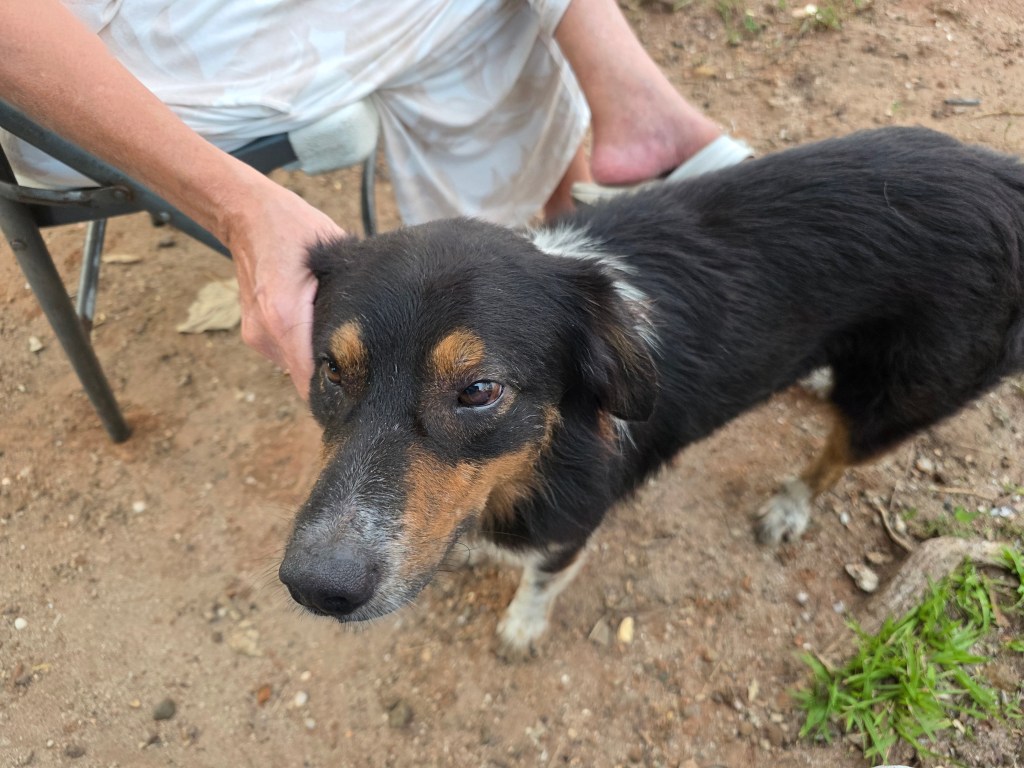
There were no tables, but we had plenty of village dogs willing to help clean up any scraps left over. Children passed out flowers and juice to the guests, and the young men moved chairs, gathered the wood for the fire, and led us with tiki torches. The women cooked the food and served it with a smile.
The bonfire was huge, and with the full moon in the sky, it was easy to see everyone struggling to roast a marshmallow from a distance. Yes, we brought s’more culture to the village and had to teach them how to melt a marshmallow and put it with chocolate and a cookie to make a tasty dessert. They had never heard of this before, and there was much laughing as marshmallows became torches or slipped right off the end of the sticks used to toast them.

I really hope that they try to do this again whenever another ship comes through (they are expecting 5 next year).
Split Rock is another tourist hotspot as it is a snorkel spot only 6km from the town, so easy to get to. Taxis dropped me off at a rocky entry and pointed to a buoy some distance out as the split rock destination. I discovered later that there was a calmer entrance a bit down, but I entered the water through a rocky, slippery bit.
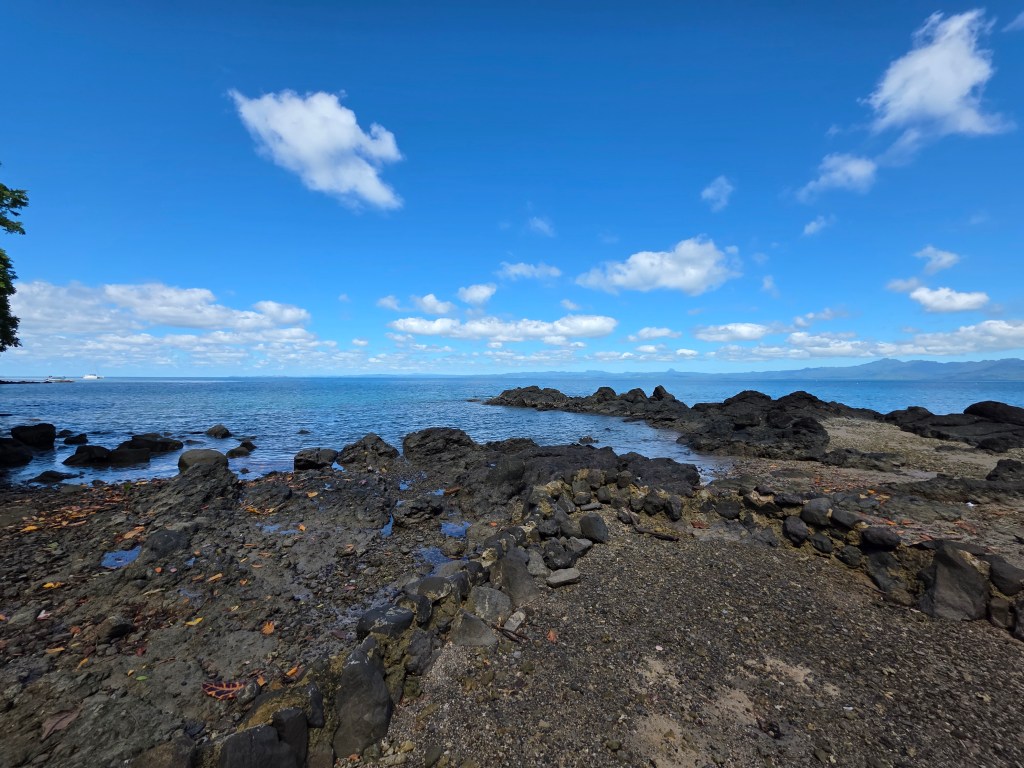
The coral right by the entry is tan and looks sick, probably from everyone stepping on it to get in. There are a few fish about, but I needed to swim out further to find the coral batches and more fish. It was a bit murky in the water, and visibility wasn’t awesome, but I finally had my underwater camera working and couldn’t wait to try it out.
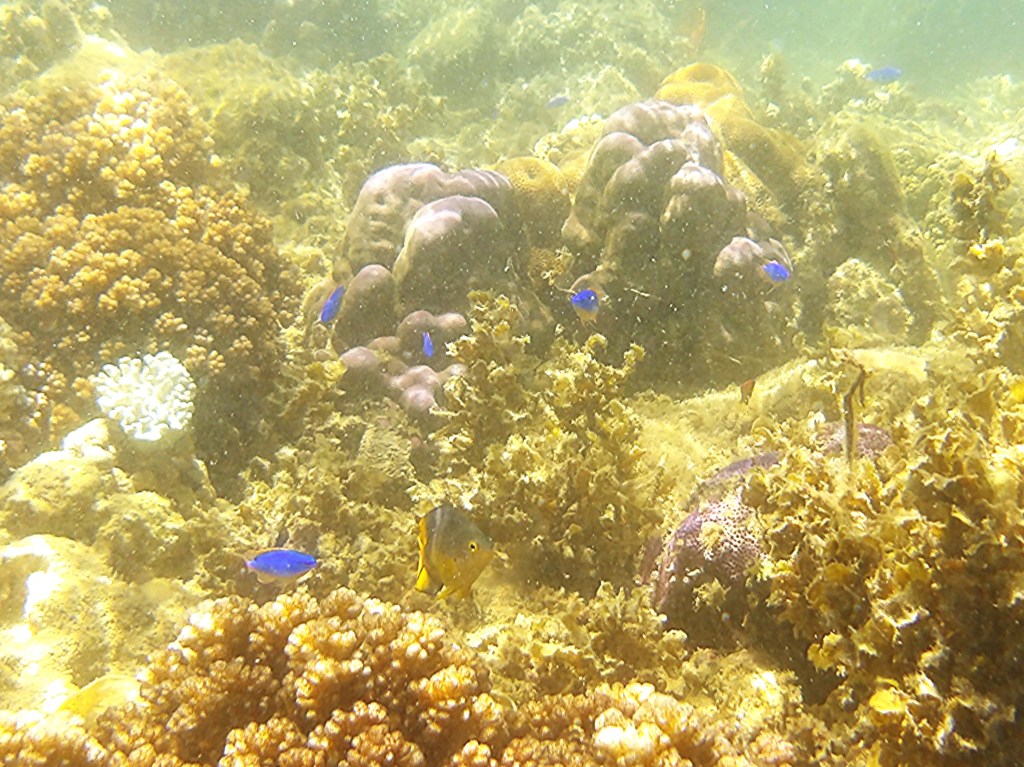
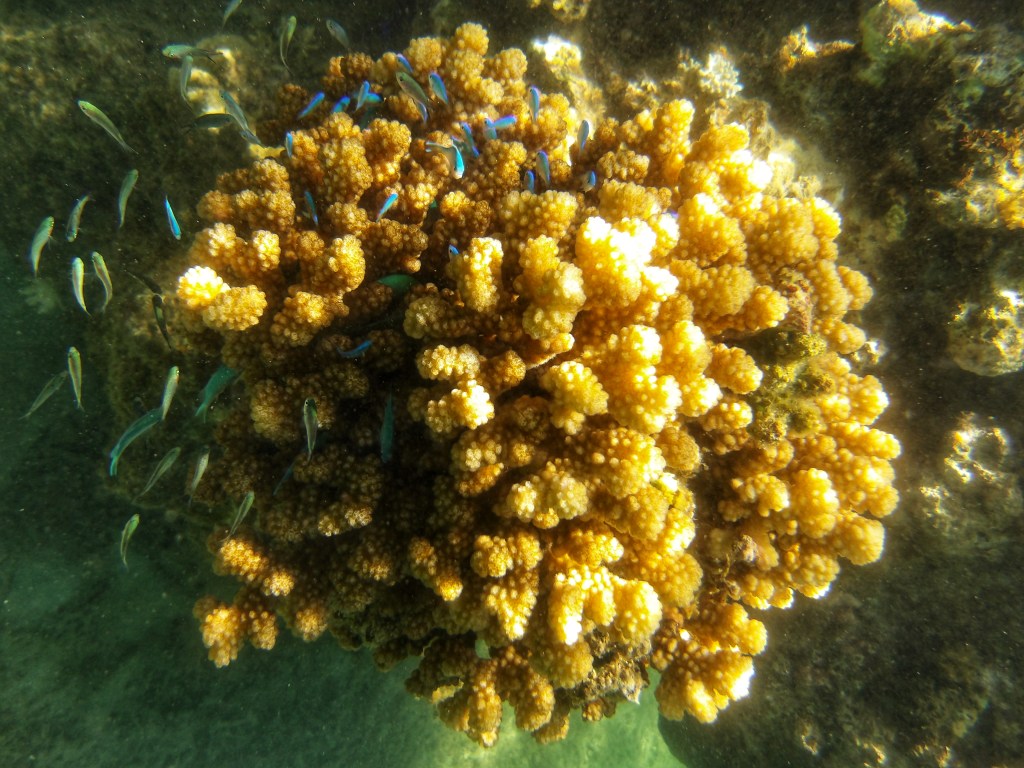
Due to a lack of visibility and being unsure what I was doing, I just pointed to where the fish were and pushed the button, hoping for the best. With a lot of correcting, some of the images look not too bad.
Our last day was a little rainy and overcast. I hopped on a bus to the Koro Sun Resort and a snorkel trip. This was on the opposite side of the island, and the water was much rougher.
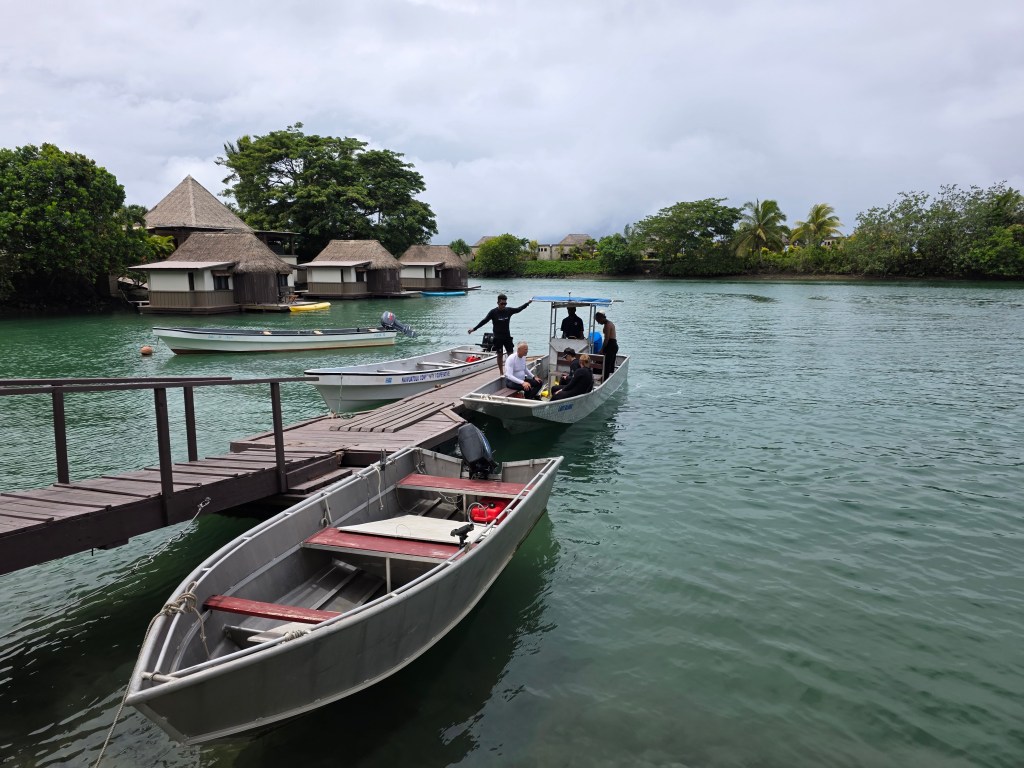
We headed out on a speed boat, and the swells made for some major slams back into the water. My butt is sore, and Dianne fell off her seat.

The resort itself is in a protected area, but the coral sections were not.
Leleuvia
This tiny island, with no permanent residents and 1 eco lodge, is my stereotypical imagining of Fiji. White beaches, cold drinks, and reef protection.
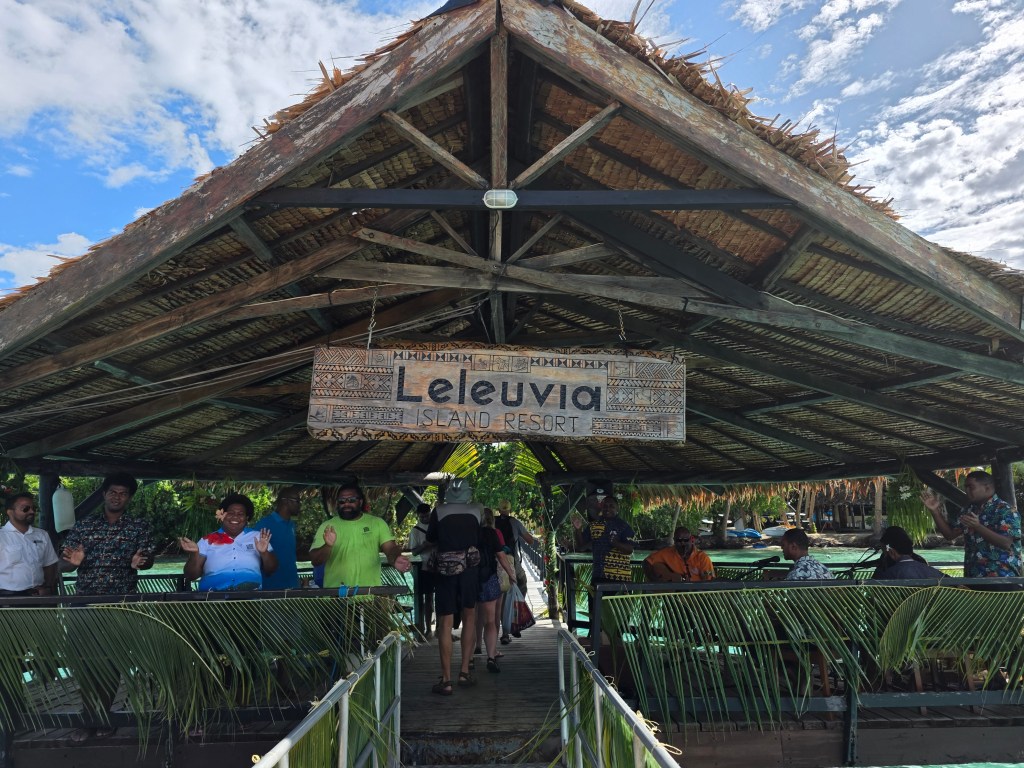
It is so small that it takes about 20 minutes to walk all the way around it during low tide. Over half of it is a jungle with birds, bats, and snakes blissfully going about their day. If you get lost, just keep walking, and you’ll either run into water or the lodge.

There are hammocks hung between palms and facing the beach, and the shallow waters can be swum to see the fish and corals with little current.
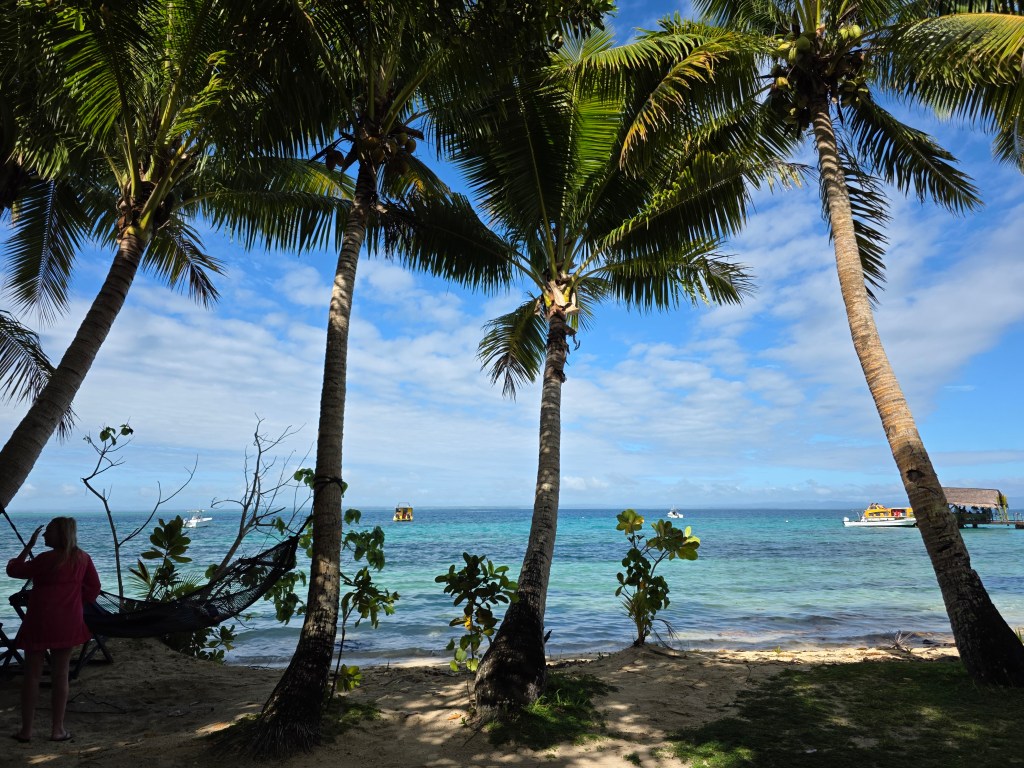
It is the typical postcard from Fiji with blue skies, blue waters, and white sands. If you don’t like these things, don’t come because that is all there is to do.

Levuka
Levuka is the old capital of Fiji, and the old town is the only UNESCO World Heritage site on all the islands that make up Fiji.

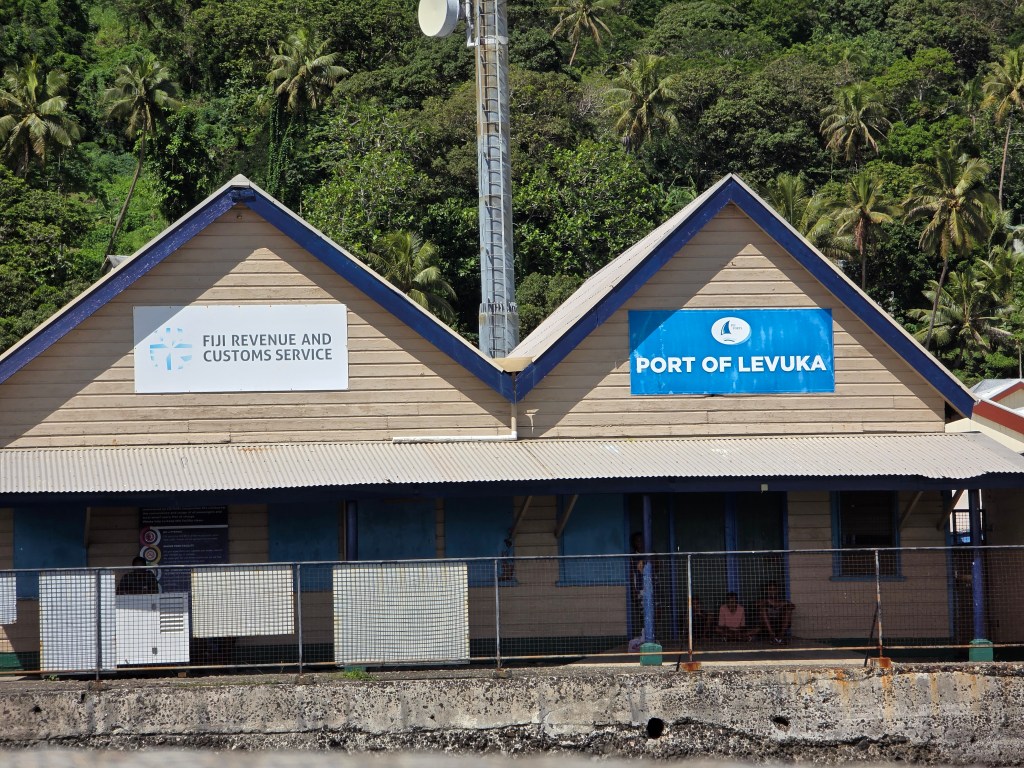
This island, you can drive around in a few hours, and there isn’t much to do or see here.
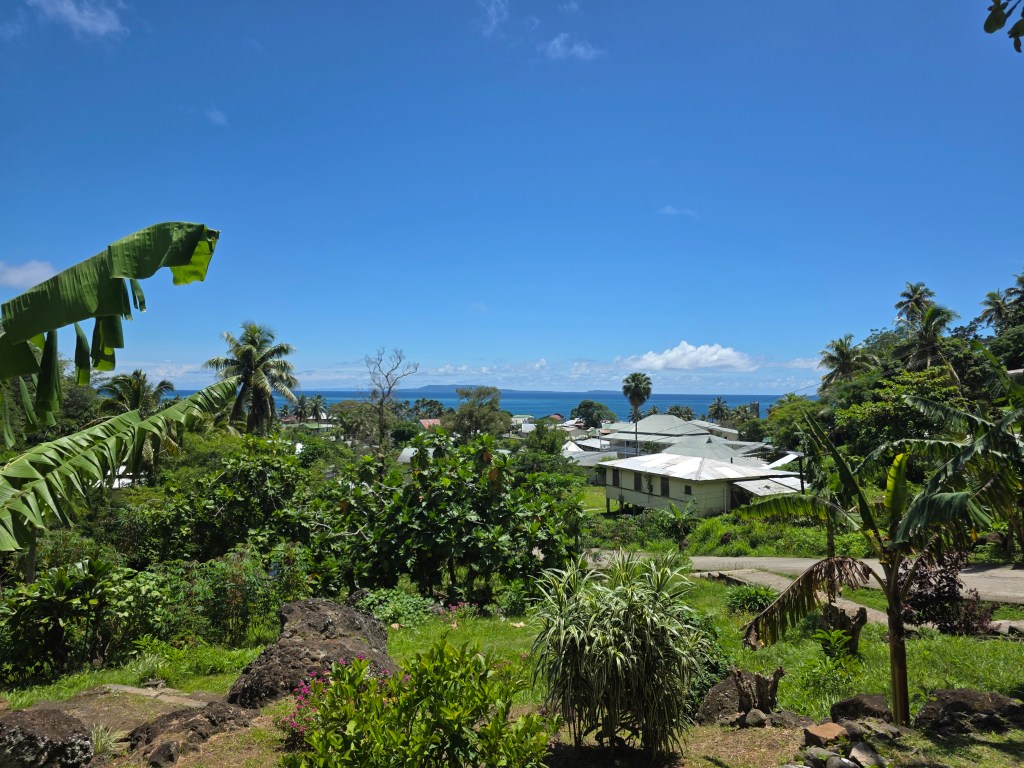
The tender into town was 20 minutes long and very calm.
The town consisted of the old historical buildings of the original port town, 199 steps Mission Hill, and Totonga Creek.
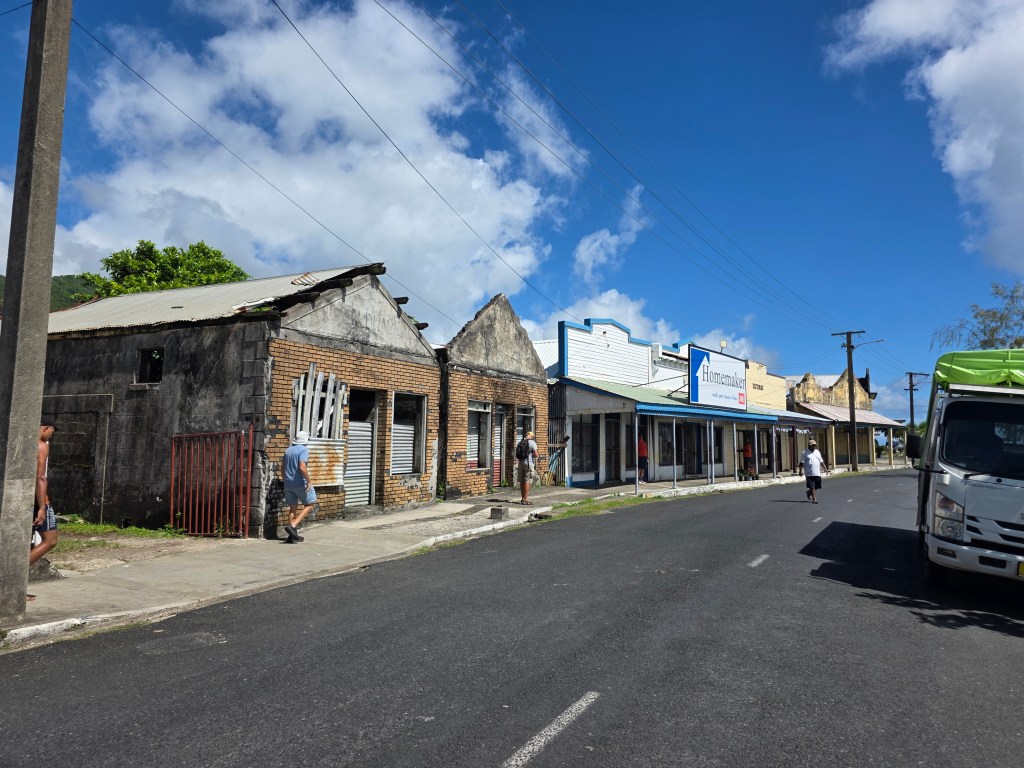
The historical buildings are the oldest in the region, and several require some restoration, while a few are boarded-up wrecks.
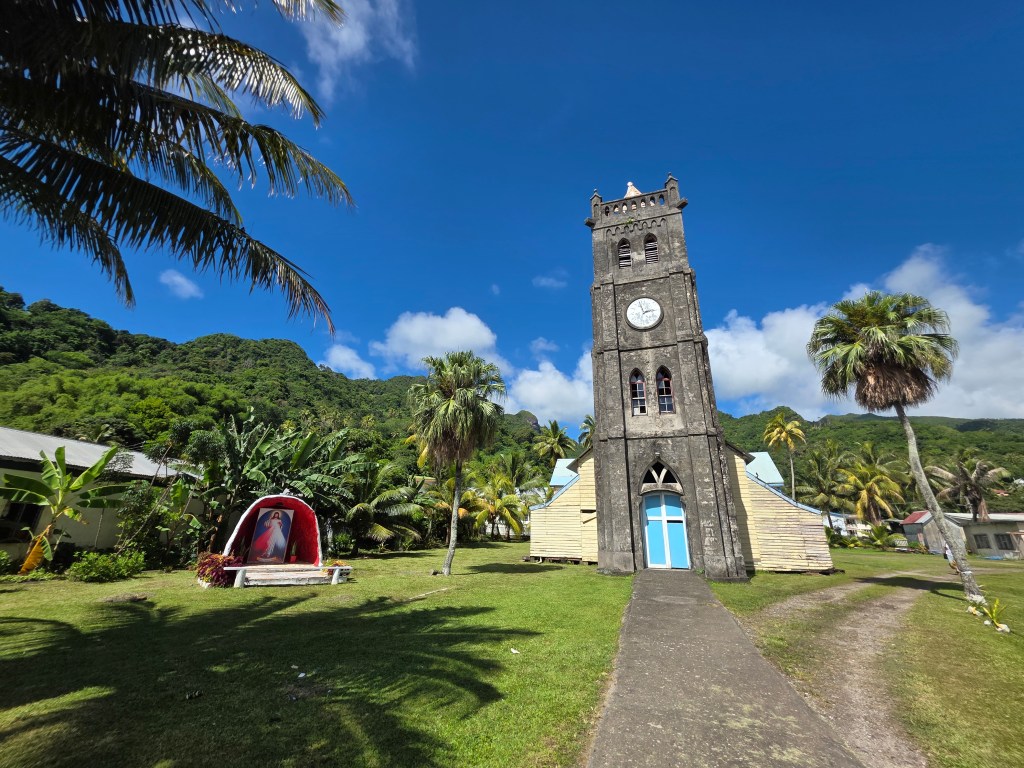
The 199 Steps is literally a bunch of steps (199, I assume) up a hill, but it doesn’t lead to an amazing lookout or anything, just more homes.

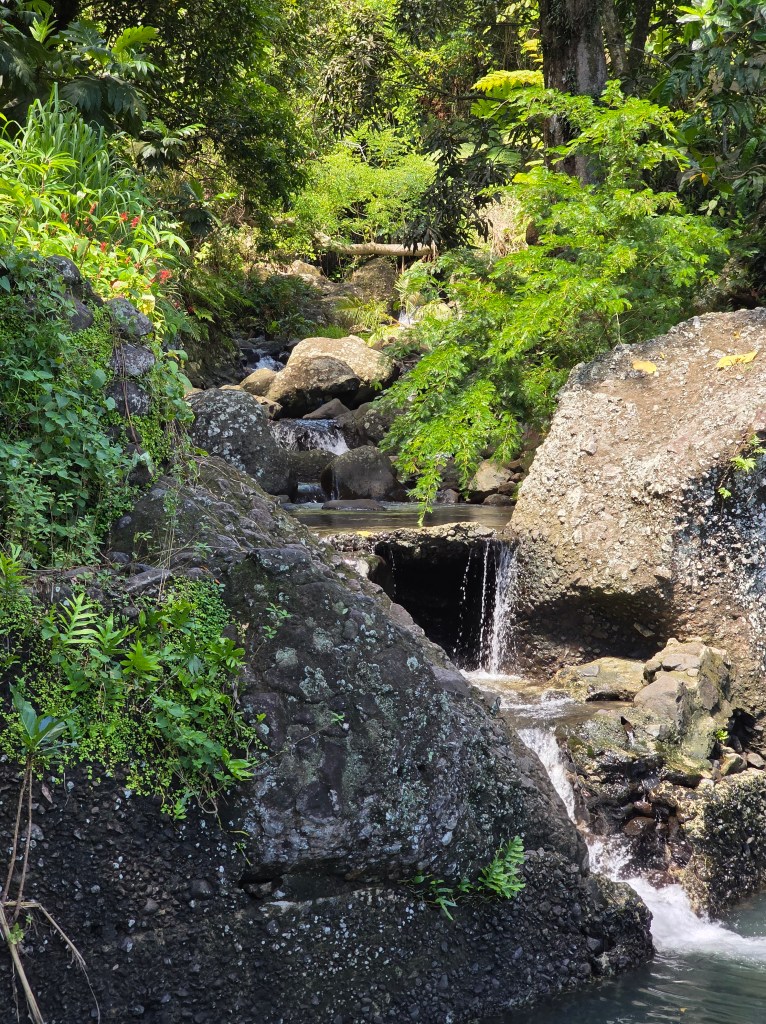
After climbing up, I headed off to Totonga Creek and Baba Waterfall. The waterfall has a pool at the base before dropping off further, and locals use it as a swimming hole. When walking past the school, a gentleman asked where we were going, and when we mentioned the waterfall, he told us it wasn’t there anymore.
We stopped and asked another man, and he assured us it was. It wasn’t that great, but it was still there, so we continued on it. He was right, it was there and not that great, but still good enough to stop and sit in the shade for a few minutes.
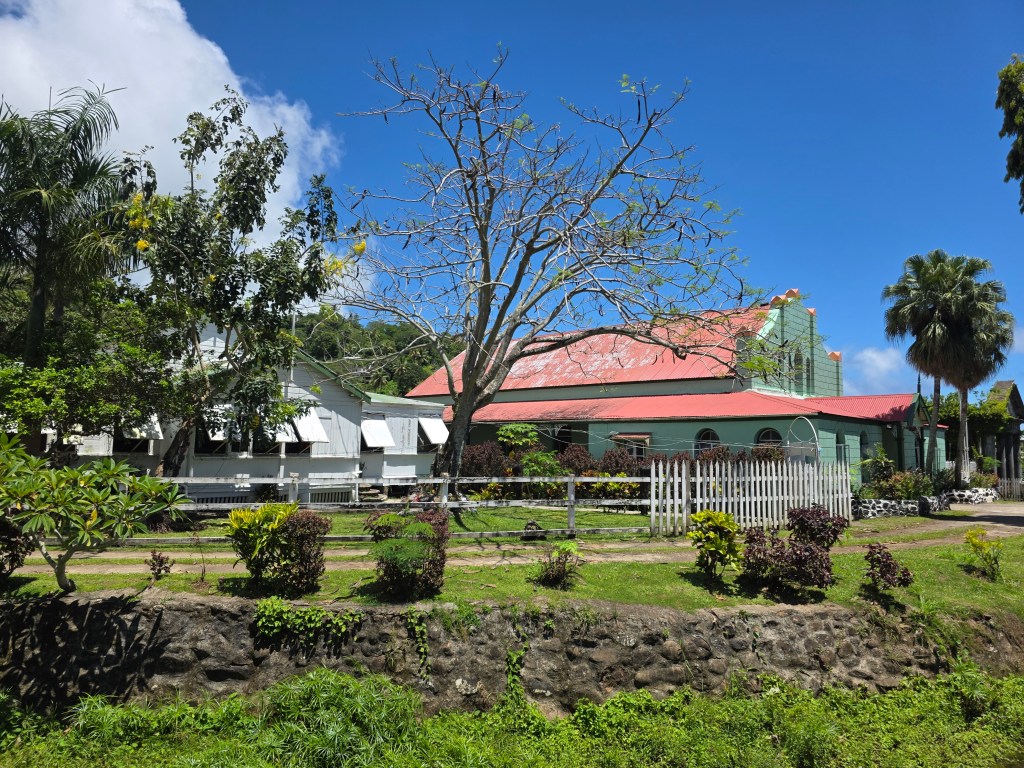
Wandering back to town to spend the last of our Fijian money, as the currency we are using is being switched for new bills in the new year, we stumbled upon the oldest bar in Fiji.
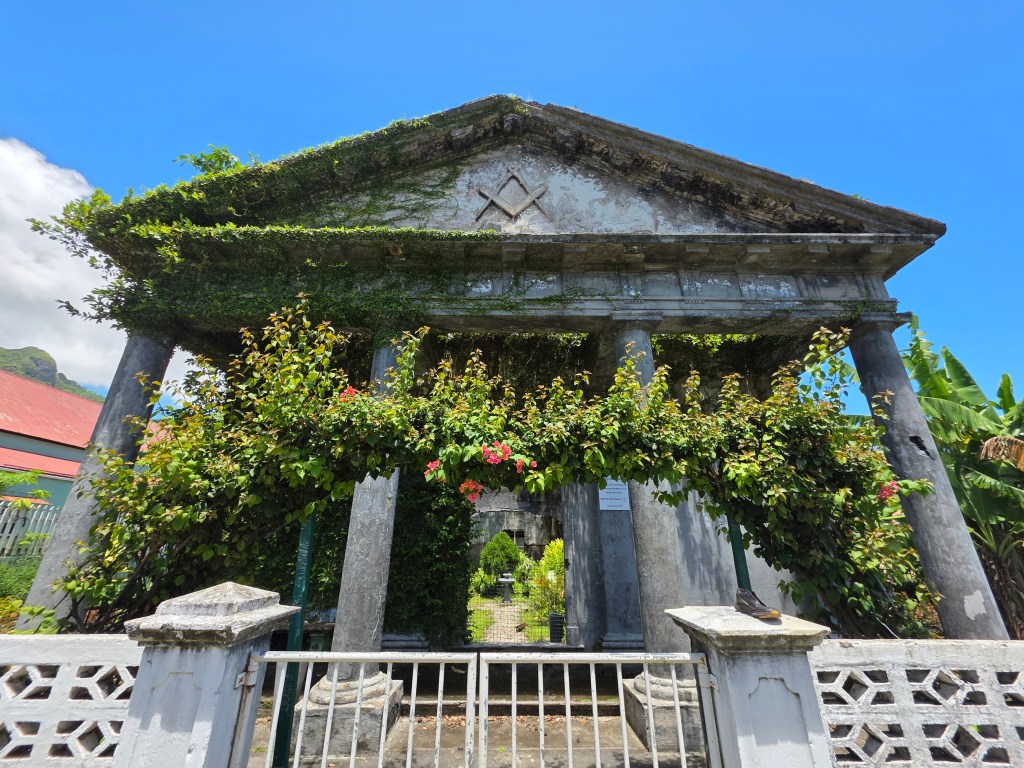
Our time in Fiji was lovely, and the people were helpful and kind. Now we are off to the Somoas.

 Chasing Summer -
Leave a comment