November 28-December 3rd
Fiji Water is about the only reason I know about Fiji. And there are beaches. That is the sum of my knowledge about this beautiful region. I didn’t even realize it was more than one island. There are more than 300 of them, some uninhabited.
Suva
Suva is the capital of Fiji and is located on Viti Levu. About 100,000 people live in the capital city, and the majority of shopping and commerce happen here.
The Suva Municipal Market is right next to King’s Wharf, where the Odyssey docked, and so it is a quick trip to see the huge amounts of produce brought in from the villagers. It is so big that it spills out of the covered building in both directions, with stalls and even vendors sitting on the ground.
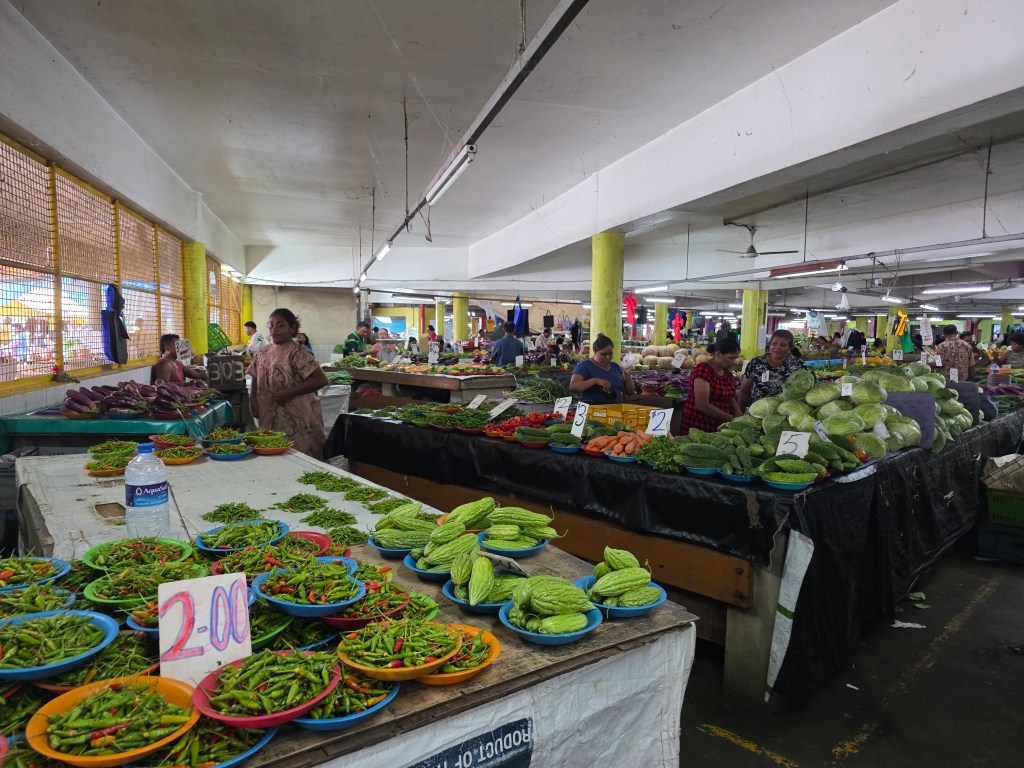
There is an abundance of cheap goods that are clearly marked and ready to be bought. There is plenty of familiar produce, like cabbage, tomatoes, and fruit, but also a variety of root vegetables and bitter gourds.
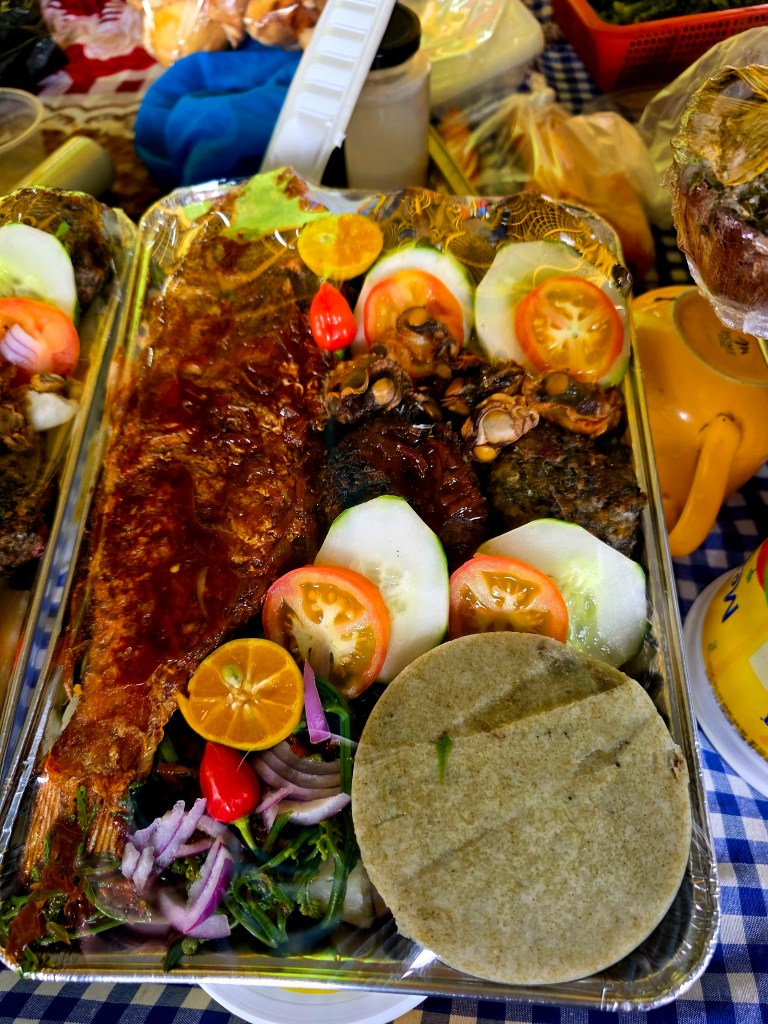
Beside the main market is the fish market with many choices of fish, crab, and other seafood.
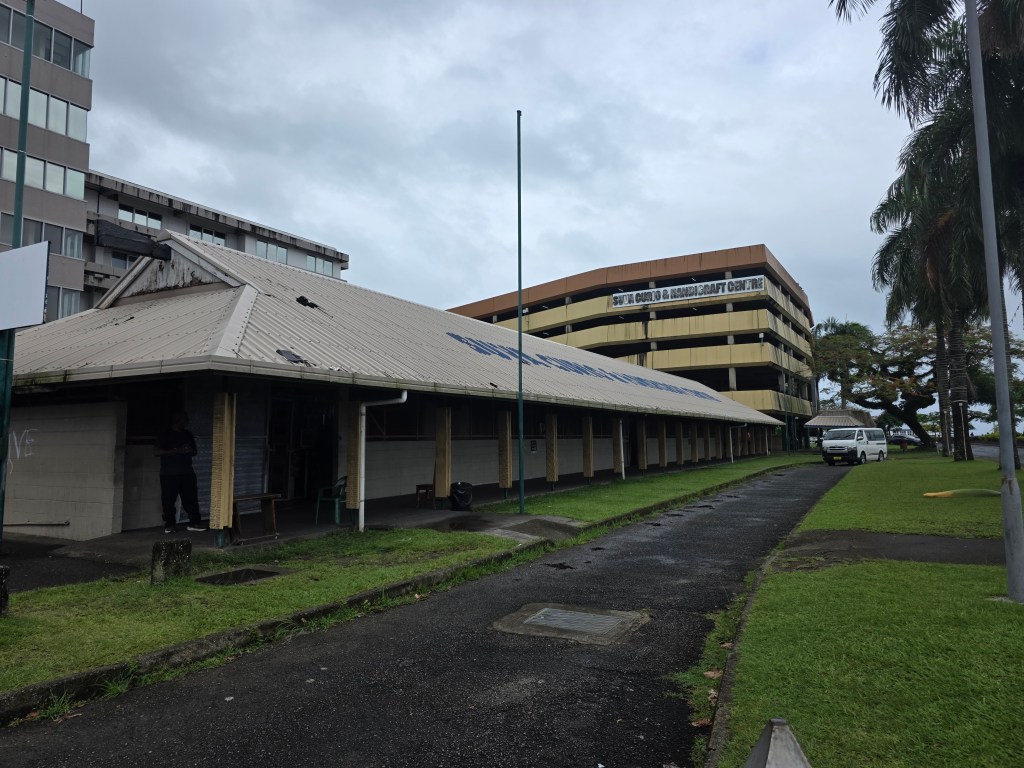
Just a short walk down is the Curio & Handicraft market. Here, there are many vendors selling carvings, jewelry, and other handicrafts.
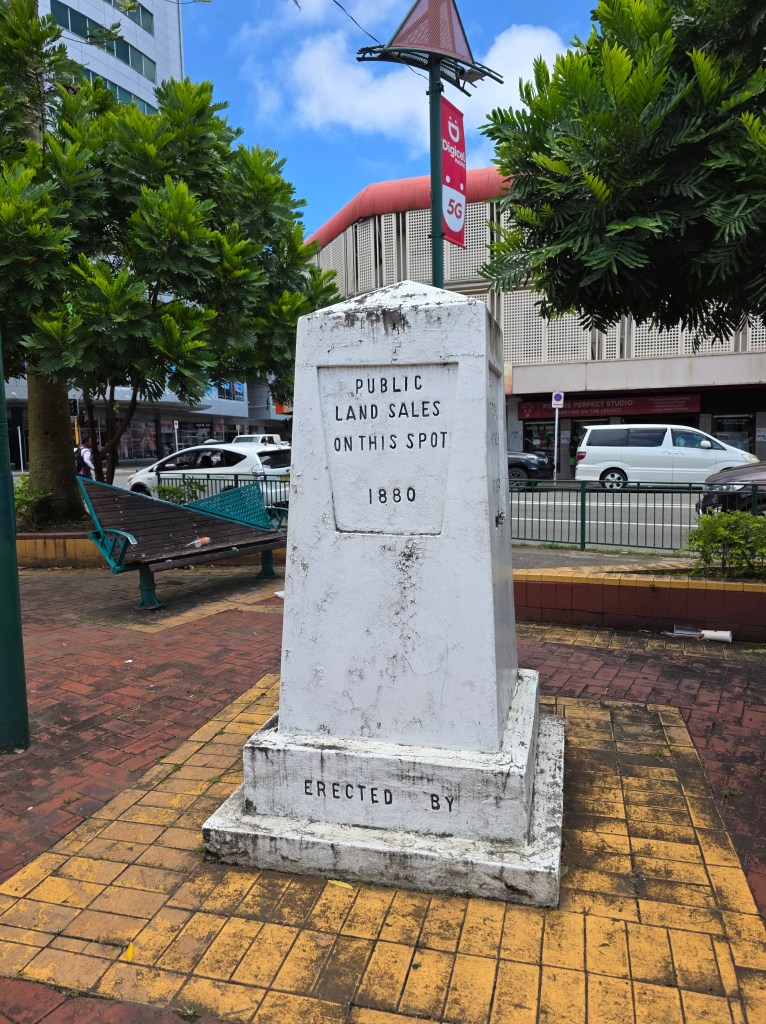
From the markets, I continued walking to the Ivi Triangle. This is a small triangular-shaped park surrounded by sidewalks and busy roads. It is a spot that has an ivi tree (hence its name), also known as the Tahitian nut tree, and a plaque. Some of the information on the plaque is not correct.
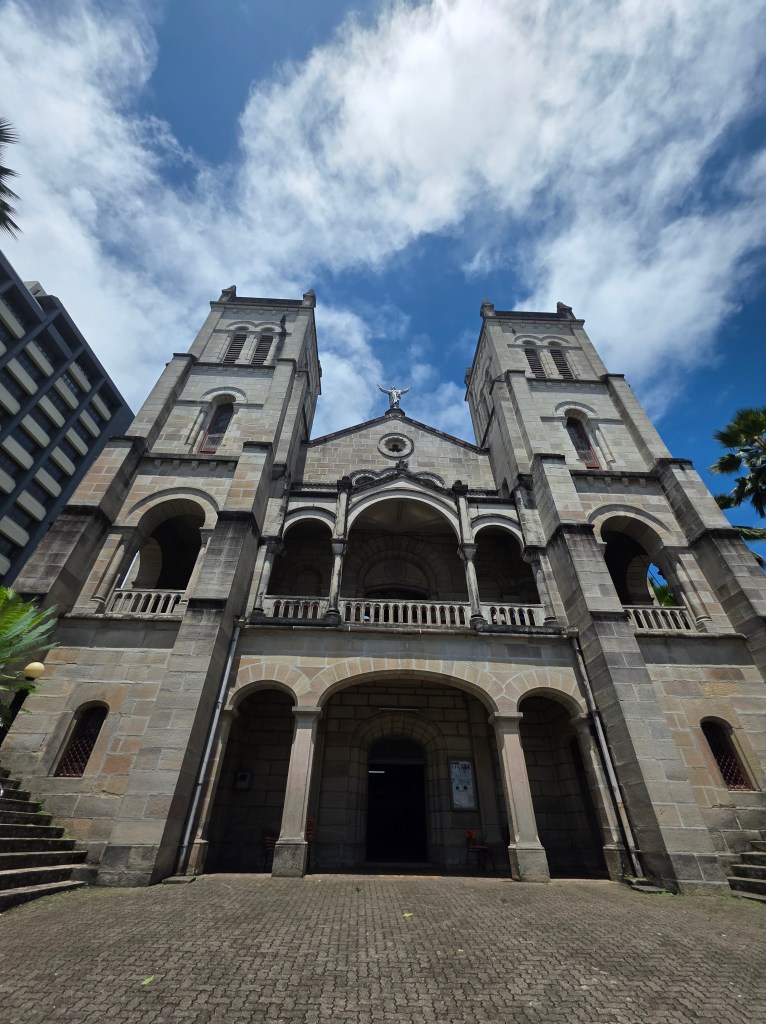
Up a street from the Ivi Triangle is the Sacred Heart Cathedral. This cathedral began construction in 1894 and remains the primary Roman Catholic Church on the island.
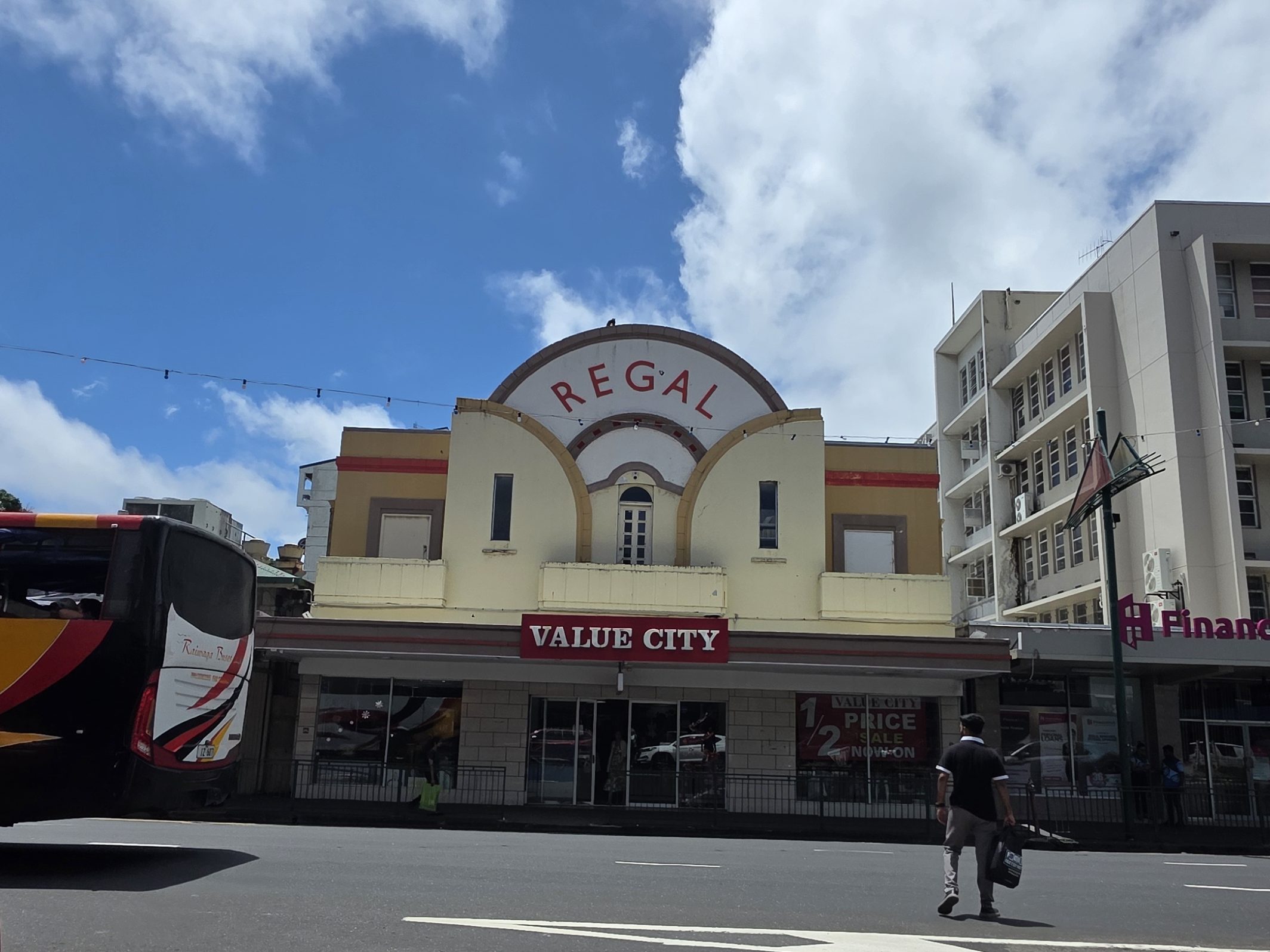
Down the street is the old Regal Theater. It was the cinema from the 1960s to the 1990s. The interior now houses shops and restaurants.
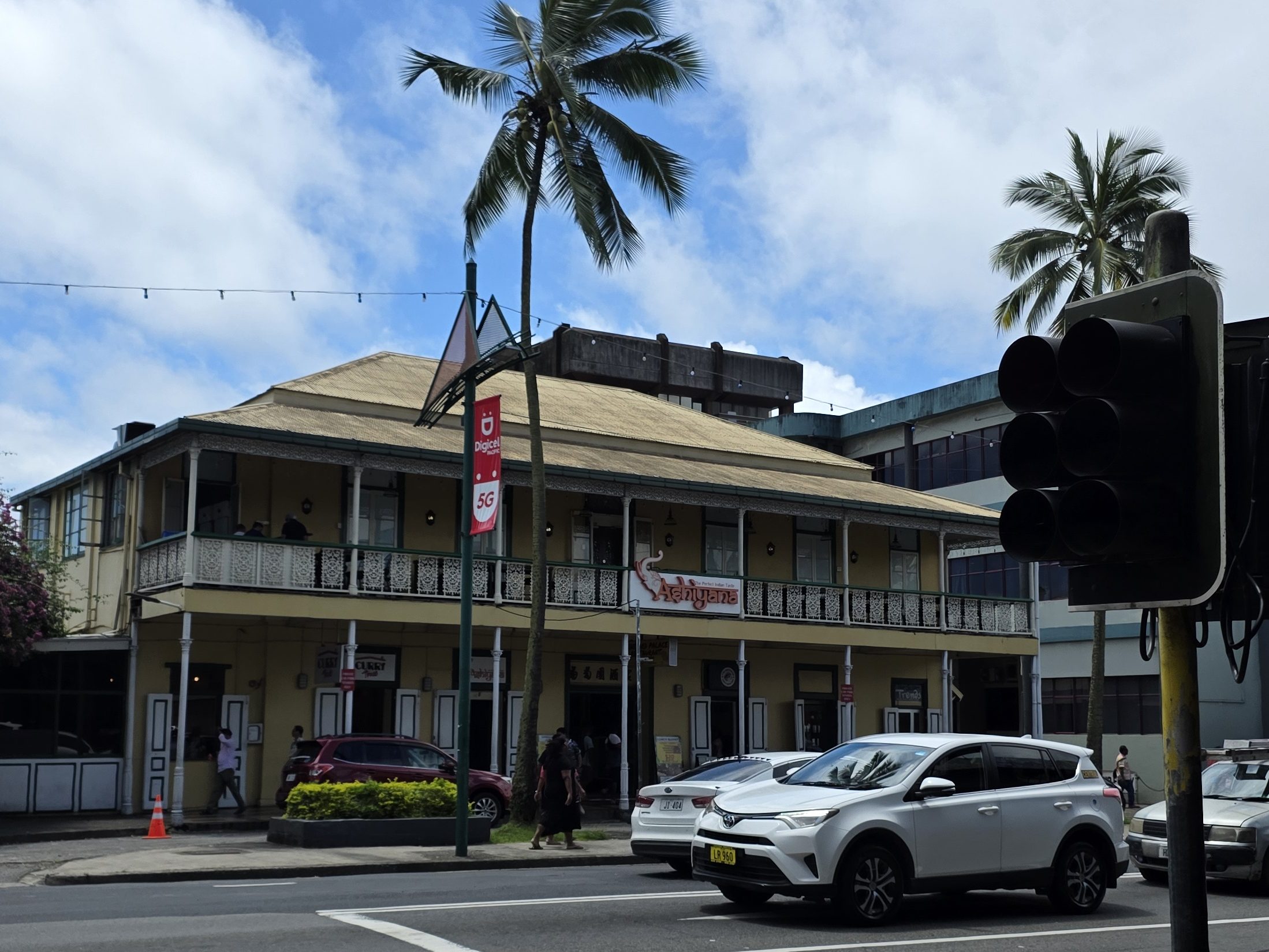
The old town hall, built in 1905, showcases colonial architecture. It has served many different purposes, and currently houses restaraunts.
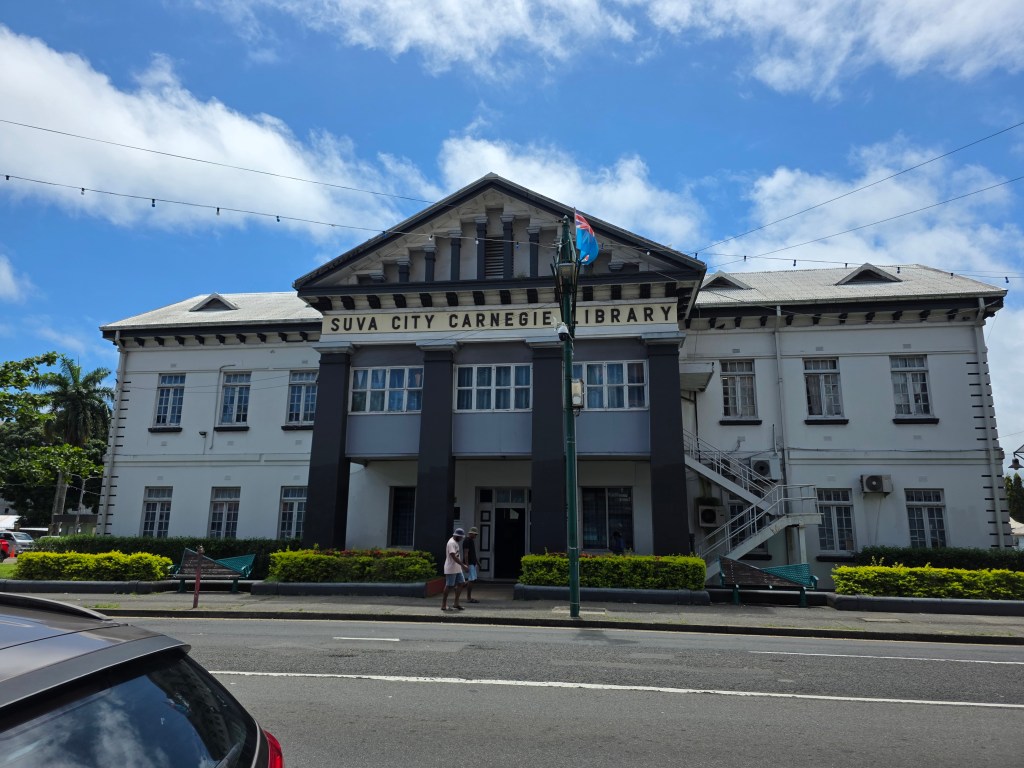
The Suva City Carnegie Library gets its name from 1907, when Andrew Carnegie extended a grant of 1,500 pounds to the Suva council to build and maintain a library. It was inaugurated in 1909.
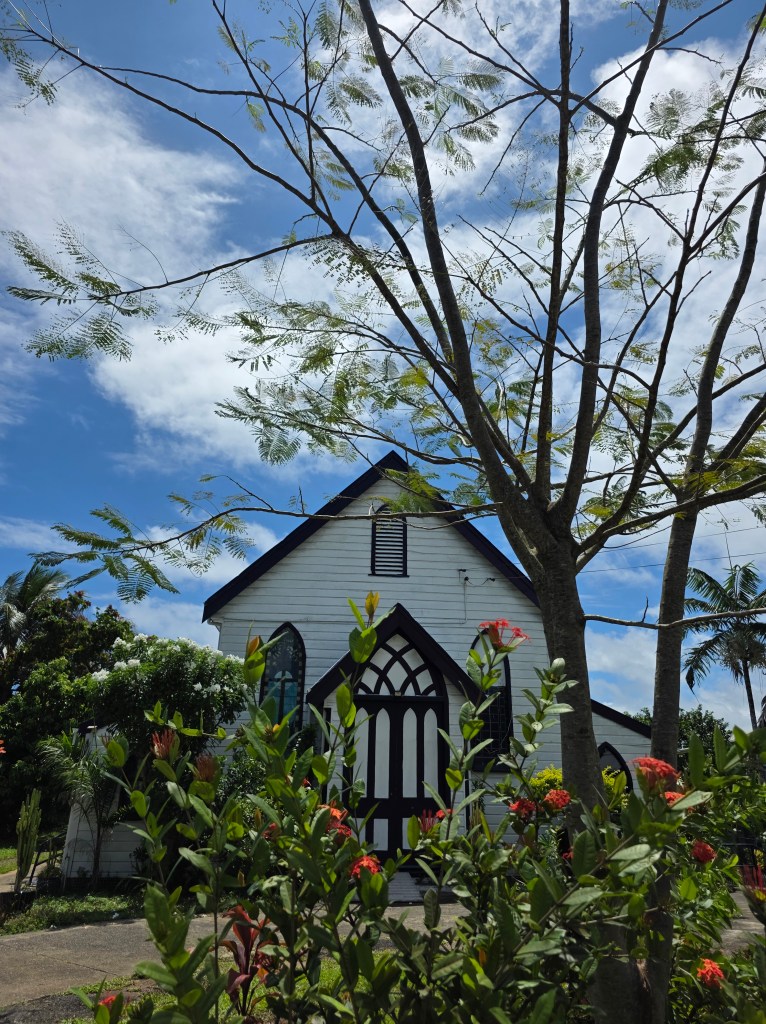
One of the few sites to see not on the main street is St. Andrews Presbyterian Church. I climbed a few blocks uphill to see this church, as it is the oldest surviving wooden structure. It was inaugurated in 1883 and reconstructed after a cyclone in 1895.
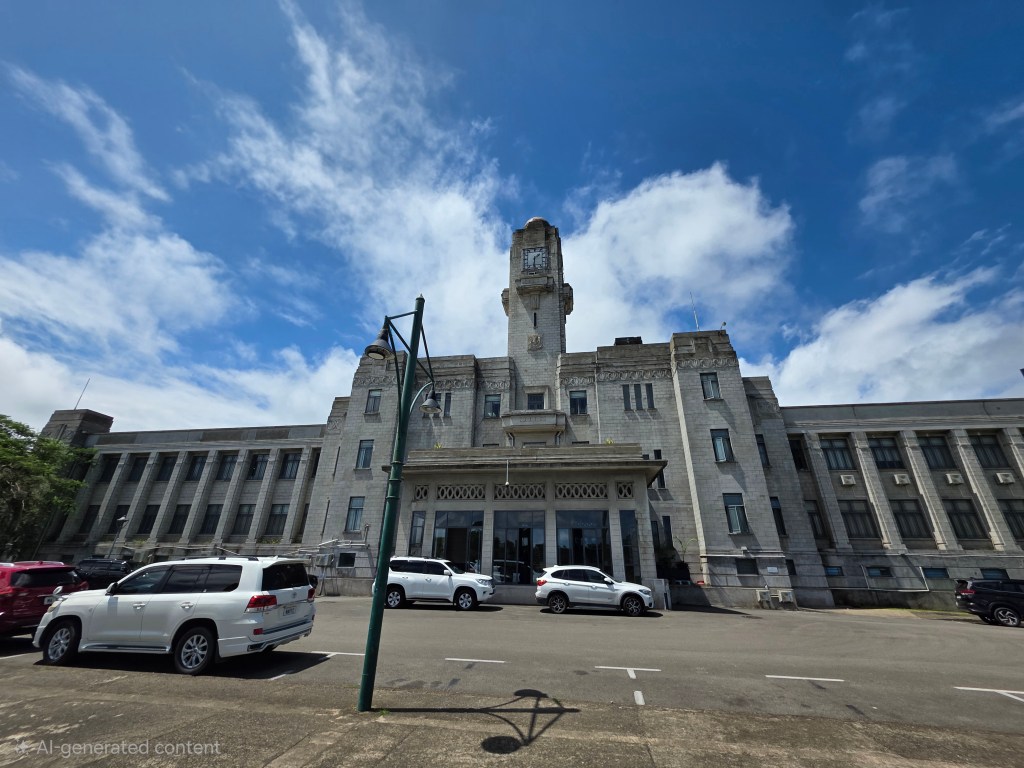
The Art Deco government buildings on Queen Elizabeth Street were constructed in 1937 and 1939.
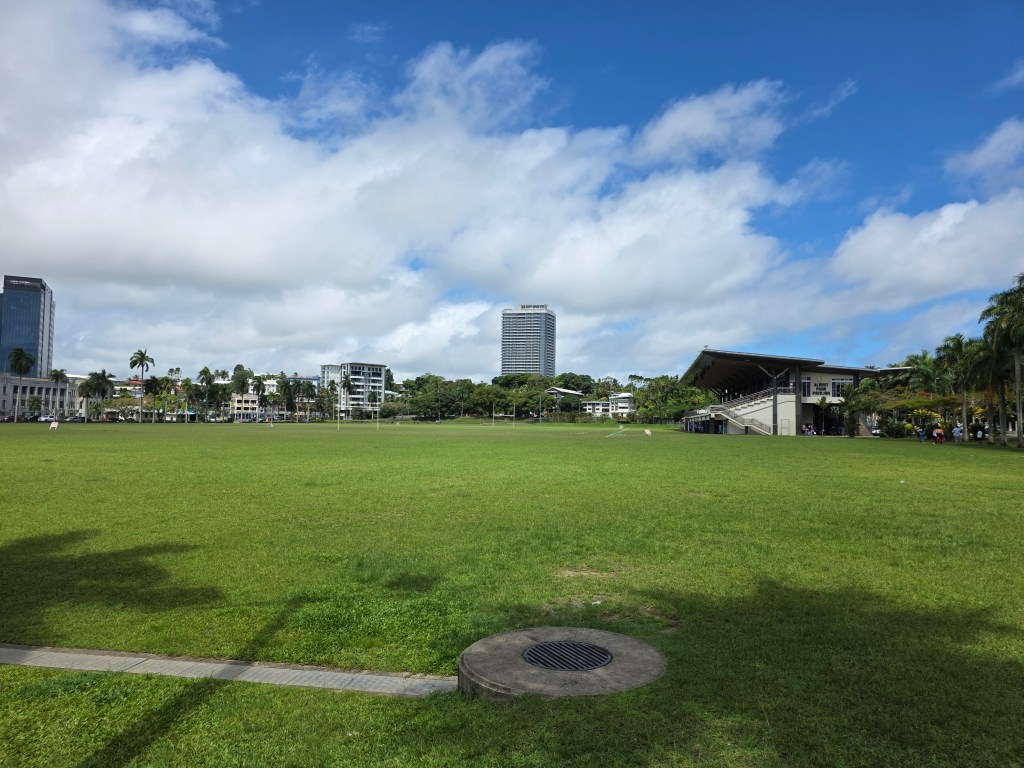
Across from the government buildings is Albert Park. Albert Park has a large grassy field and a grandstand area. It is used for sporting events, festivals, and Constitution Day celebrations.
Historically, the park was the emergency landing site of the very first airplane to land in Fiji. The Southern Cross left California on May 31, 1928. It was on its way to Brisbane, Australia, but needed to stop for rest and refuel in Hawaii and Fiji.
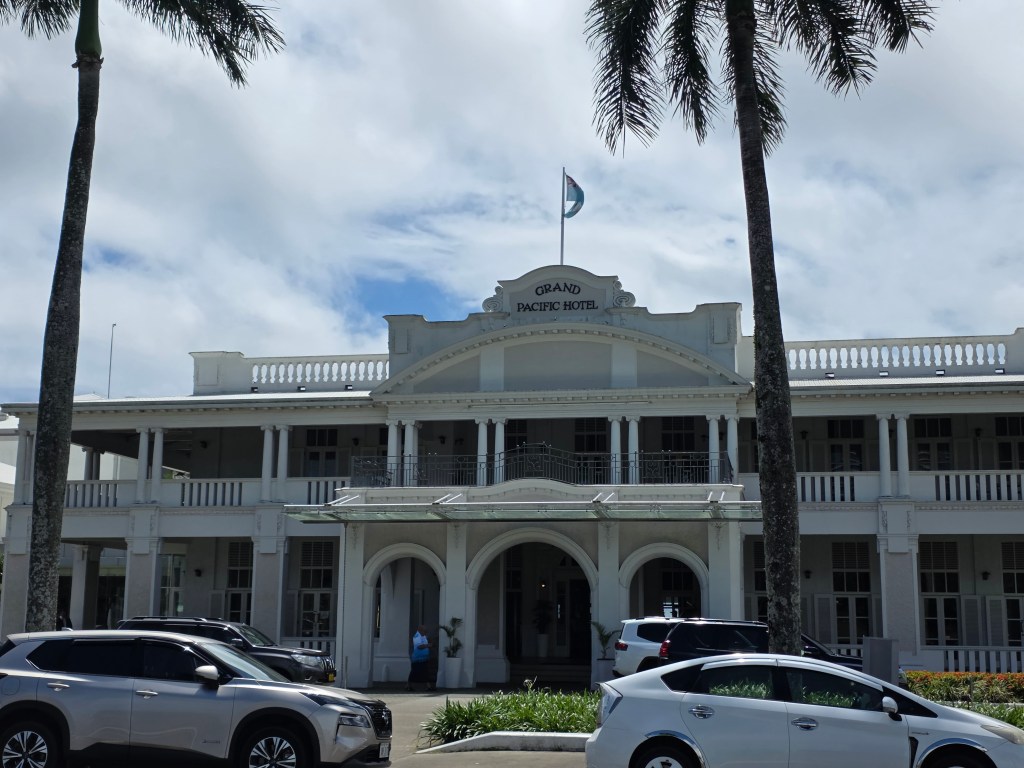
Across Queen’s Street is the Gran Pacific Hotel. It was built in 1914 to cater to the upscale passengers travelling the South Pacific route.
Continuing past Albert Park is Thurston Gardens and the Fiji Museum. On its grounds is where the original village of Suva stood. In 1843, the village was attacked and burned down. Many of the villagers were killed and consumed by the people of Rewa.
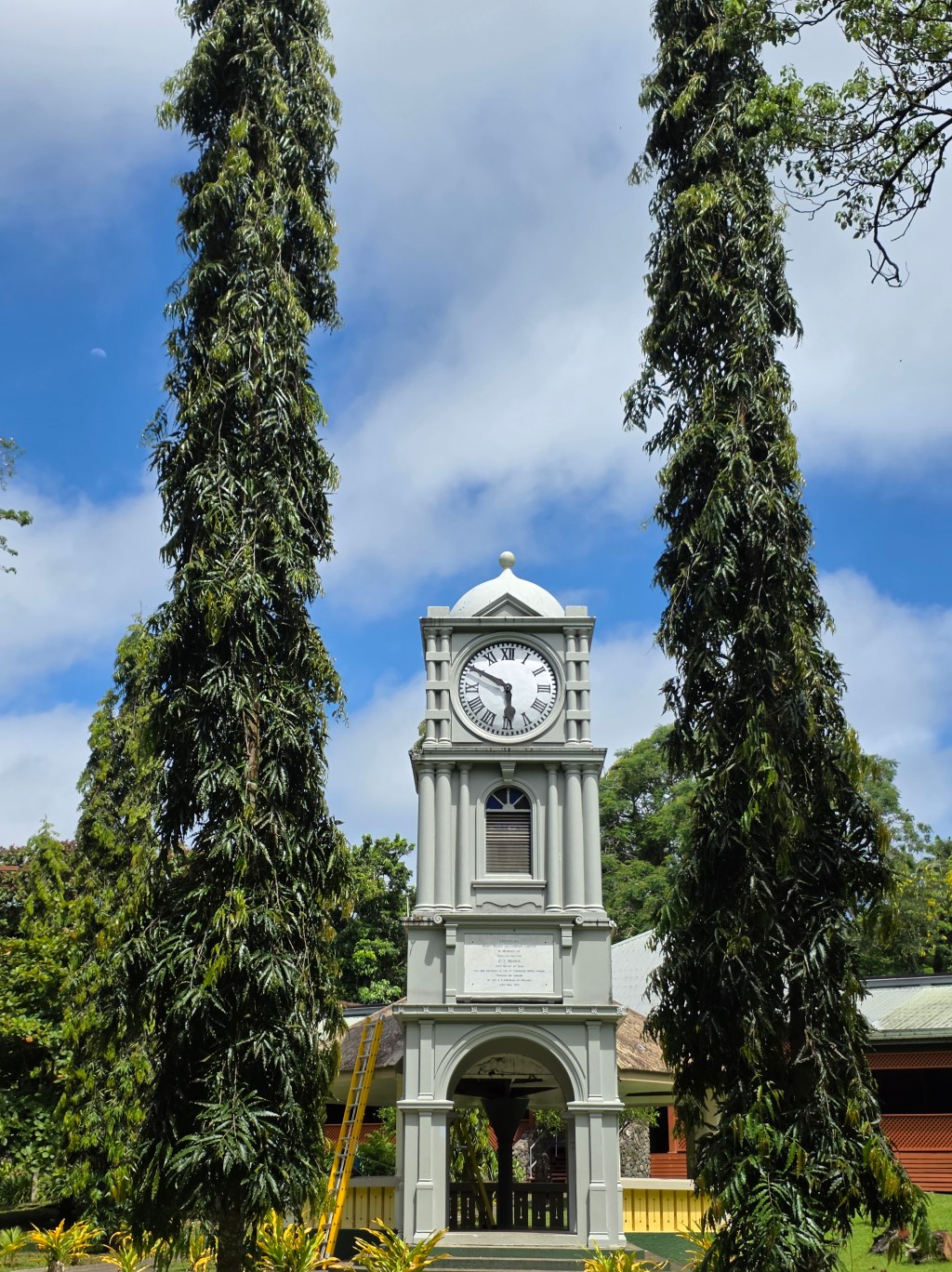
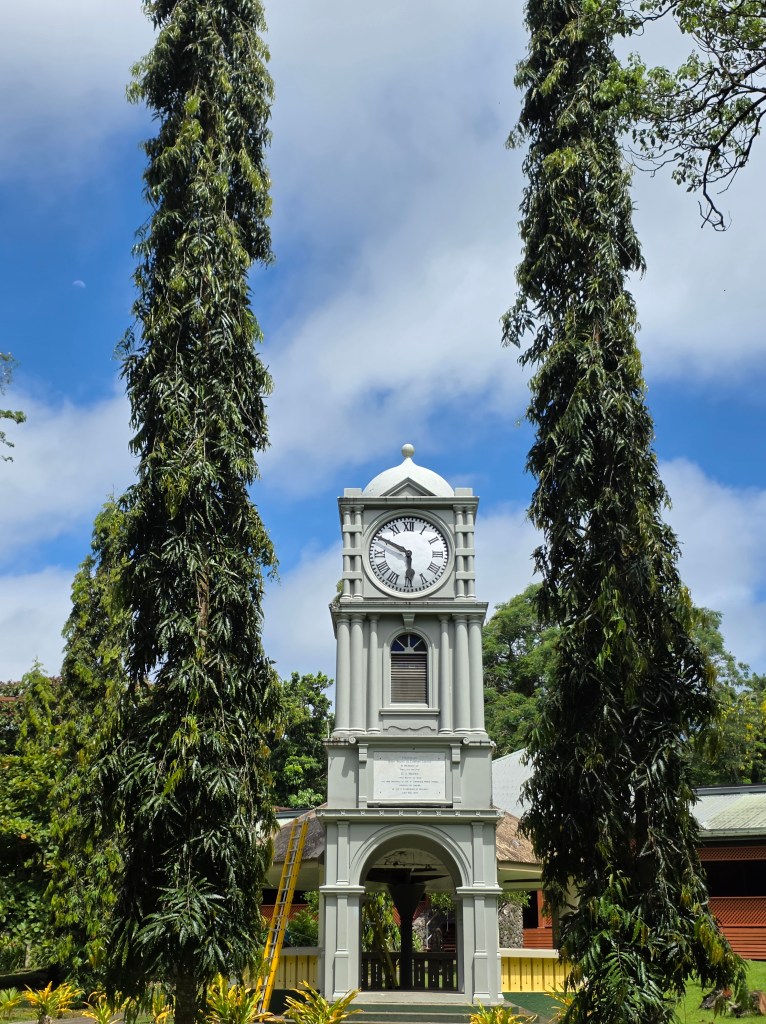
On the grounds is a clock tower and band bandstand.
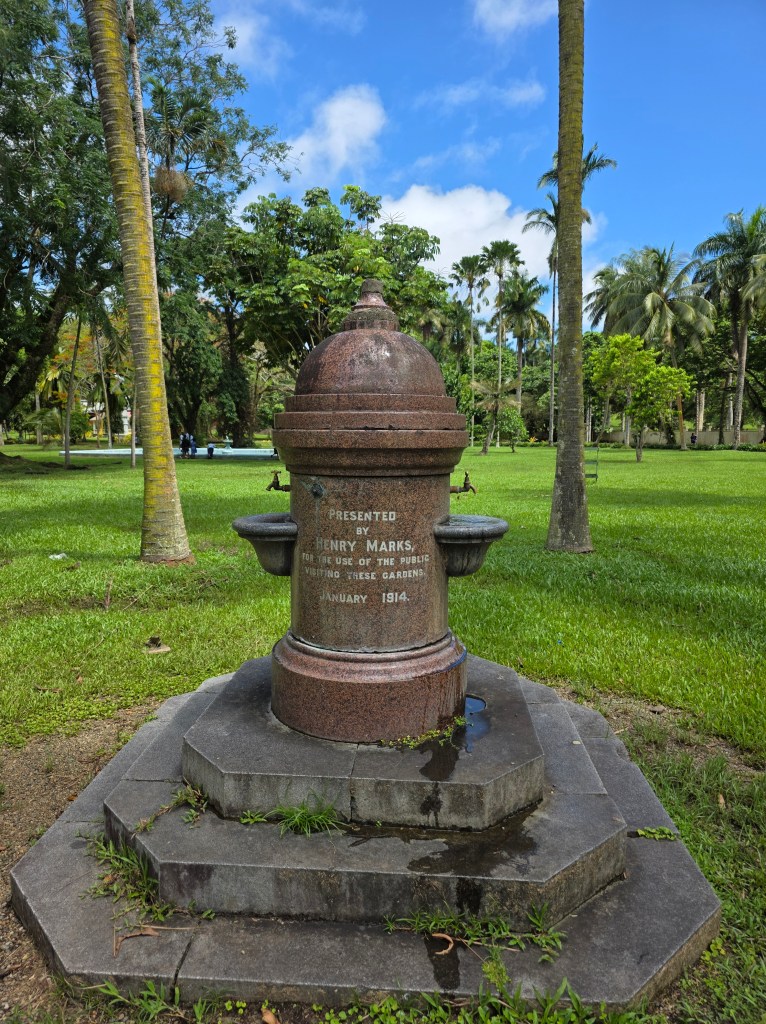
In the center is a fountain that looks like it has not worked in a while, and a drinking fountain.
There were dozens of primary school children at the park, probably as a field trip, when I was there. When I looked up into the trees, I also saw dozens of fruit bats dozing in the high branches.
Right next door is the Presidential Palace. It was built in 1882 and reconstructed in 1928 after being struck by lightning. It is guarded by Fijian soldiers wearing white sulus (sarongs) and red tunics.
There is a lone guard stationed at the entrance, and he will not smile or talk to tourists. There is a monthly changing of the guard, but there is no displayed information as to the date or time this happens.

Lautoka
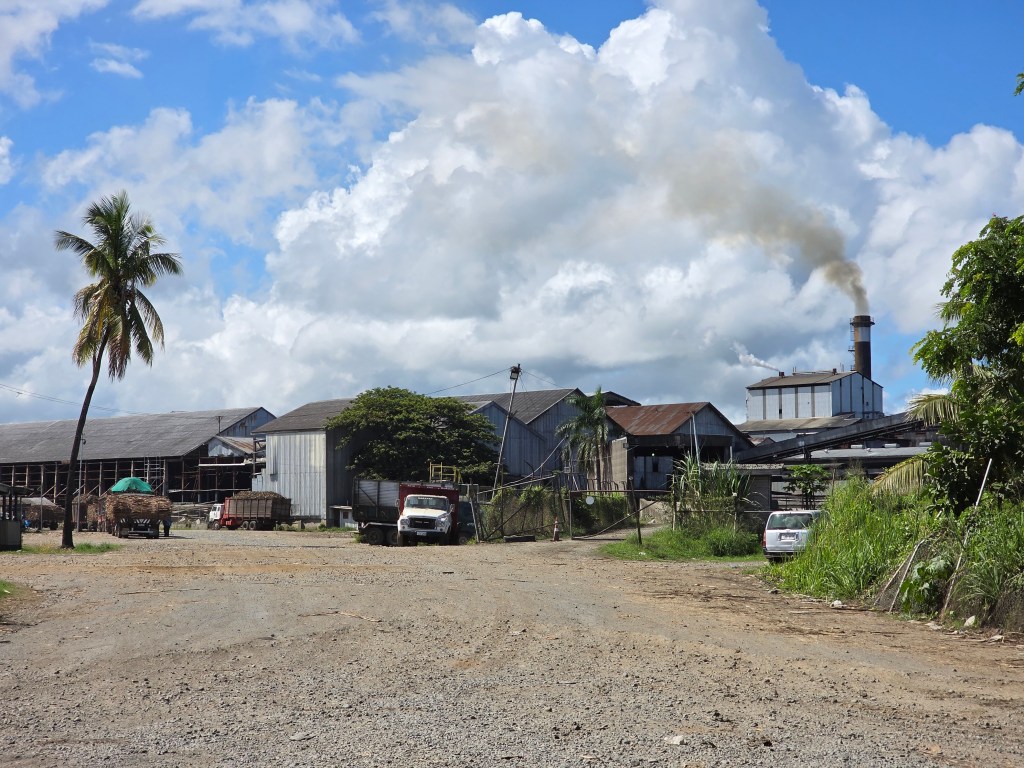
This is the second largest city in Fiji, but on the western coast. It is in the sugar cane region, and its history and development are still tied to this crop.
It is also a more conservative city, and most things are closed or have limited hours on Sundays. That being said, I was surprised by how many stores were still open in the city center.
Lautoka Botanical Gardens is not open on the weekends- why they wouldn’t open on the weekend, I do not know. This garden is not very flowery, but more of a park with lawns.
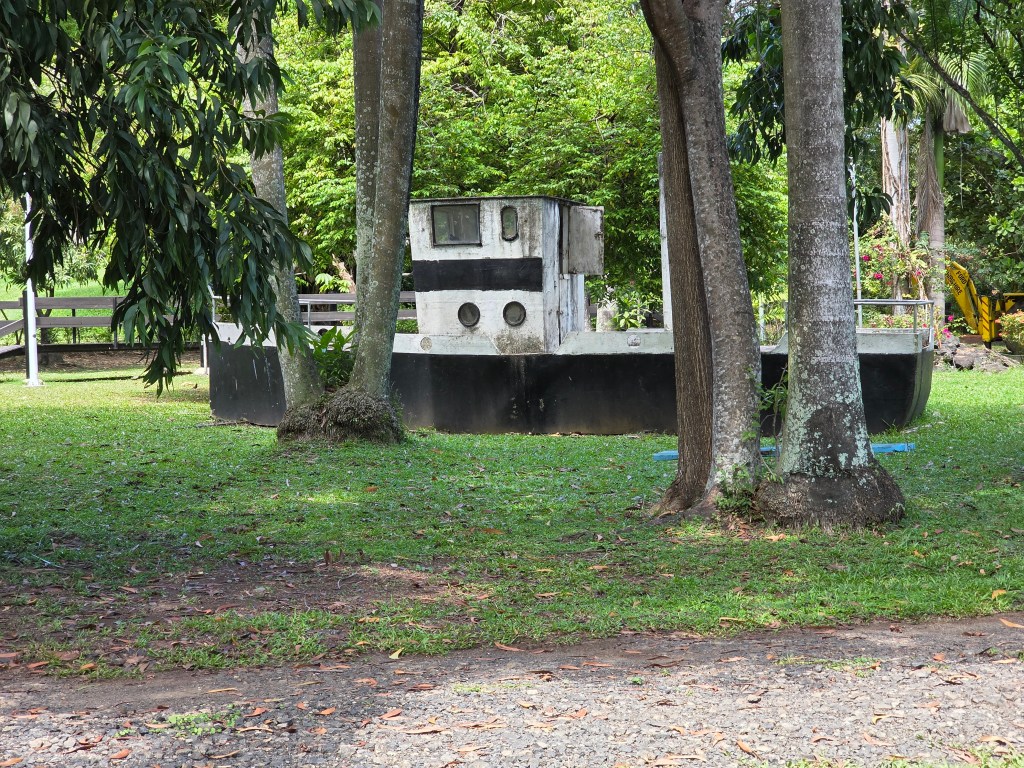
Across from the botanical gardens is another park that is not fenced in and open all the time, with grassy areas and lots of tall trees. Actually, a lot of the city has giant trees giving some much-needed shade on the hot days.
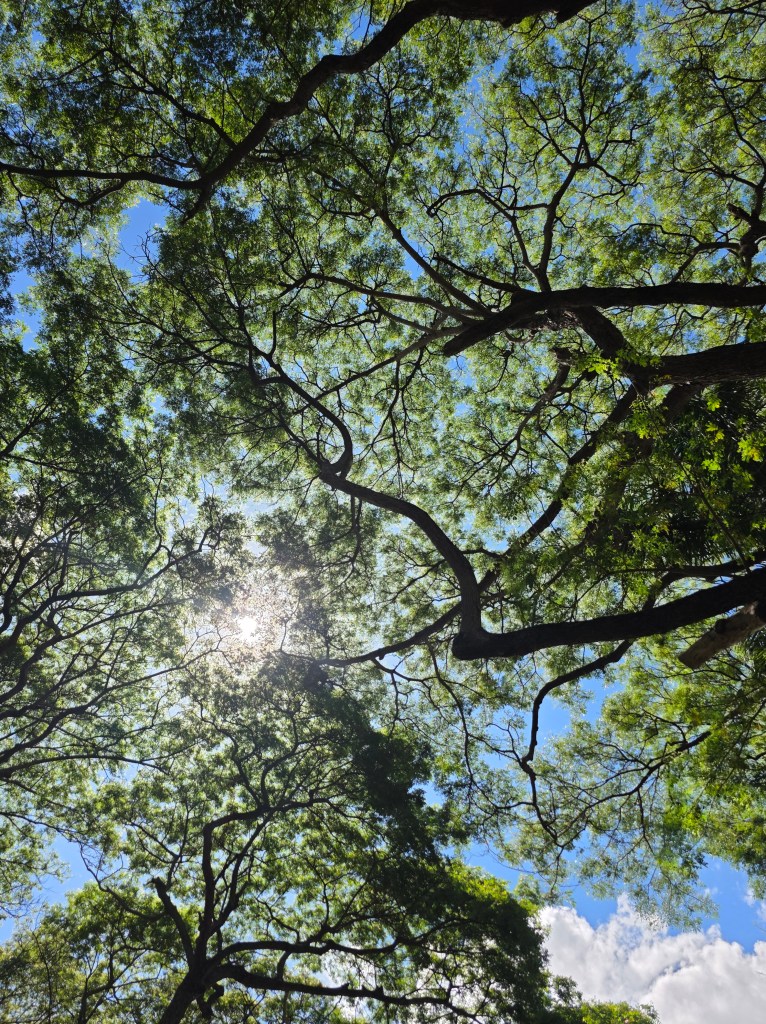
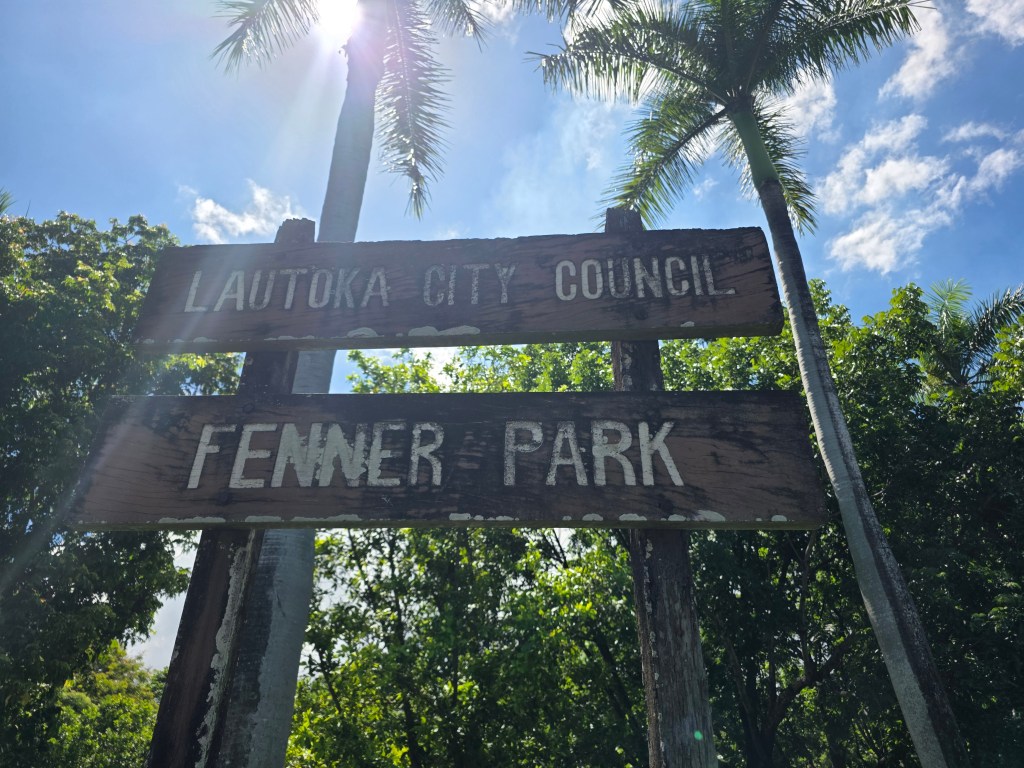
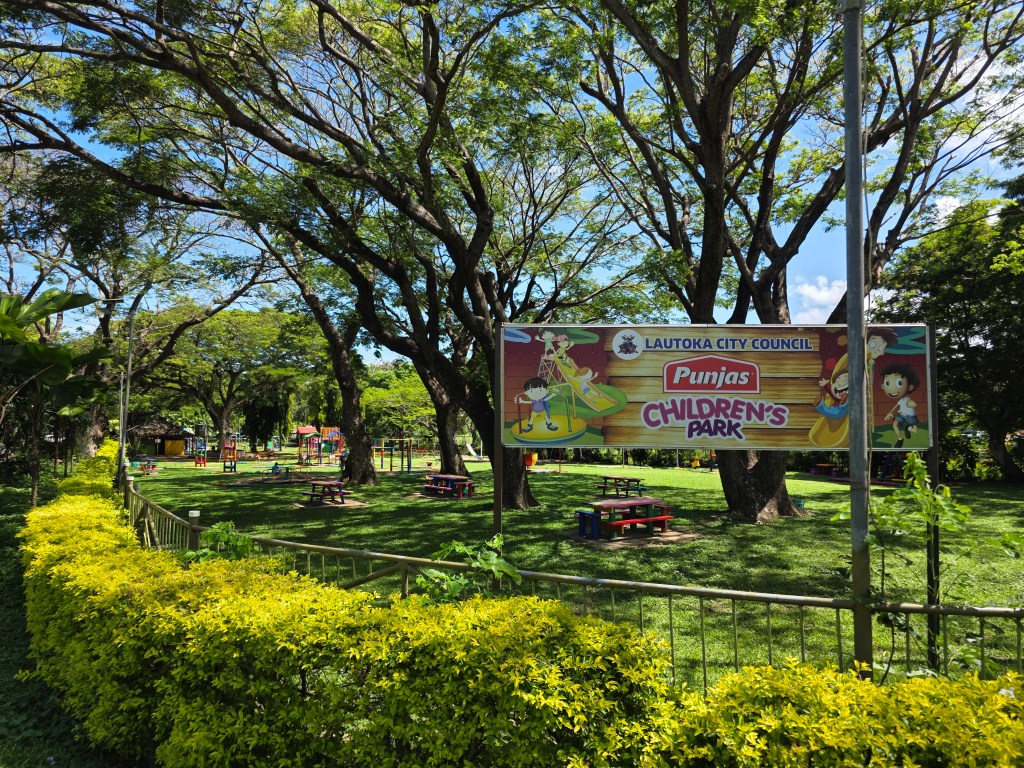
Down the street from this park is a children’s park with playground equipment and soccer fields open from 9-6 every day.
In the city center are several shops and a central produce market. There is also a mosque, Hari Chrisna Temple, churches, and a Muslim primary school.
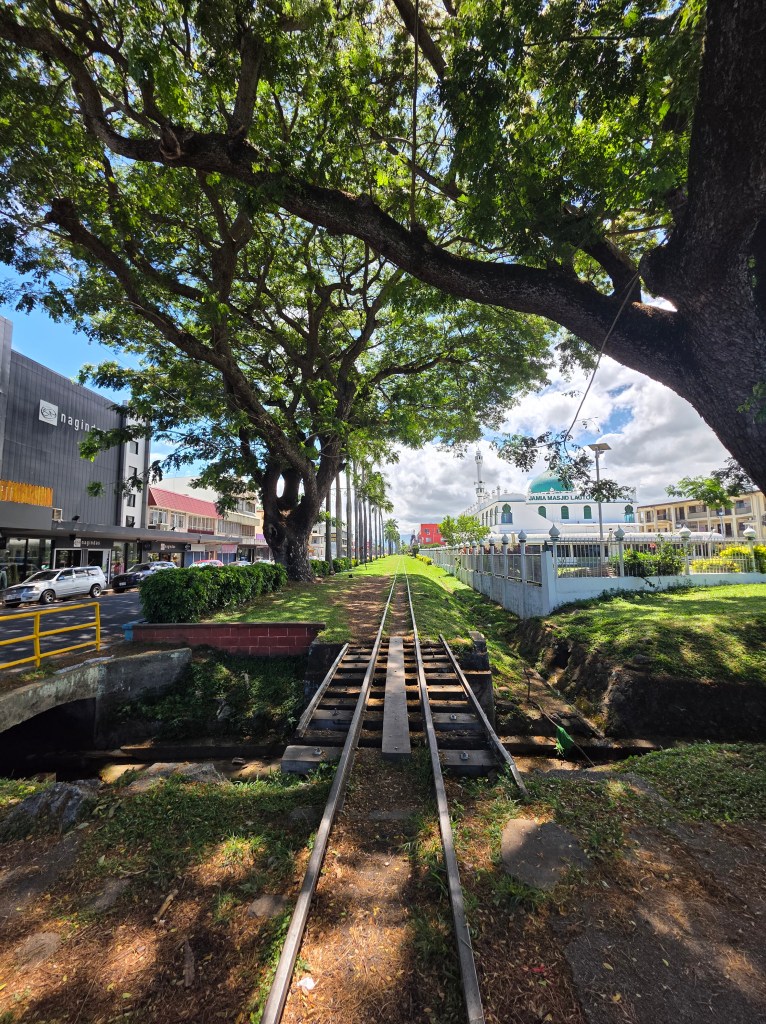
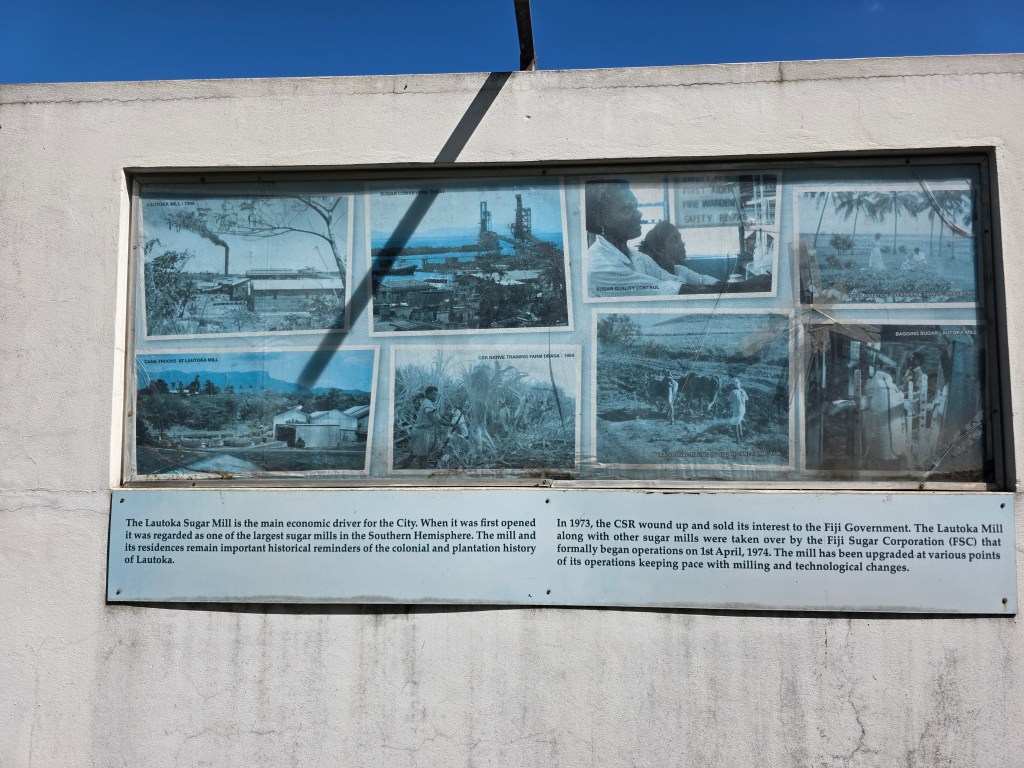
Running through town are the railroad tracks that connect the sugar mills with the ports and the sugar cane fields. Nowadays, the canes are brought in on trucks. The sugar mill is still a bustling business, even on Sundays.
Port Denarau and Nadi
This was a 25-minute tender port, so we were lucky that the seas were calm.
Port Denarau is the resort town of the Island, built on reclaimed land. This is where all of the major resorts have been built, like the Hilton, Sheraton, and Radisson Blu. There is also a golf course and several million-dollar homes. This means the fees are more expensive, and almost everything has gates for entry.
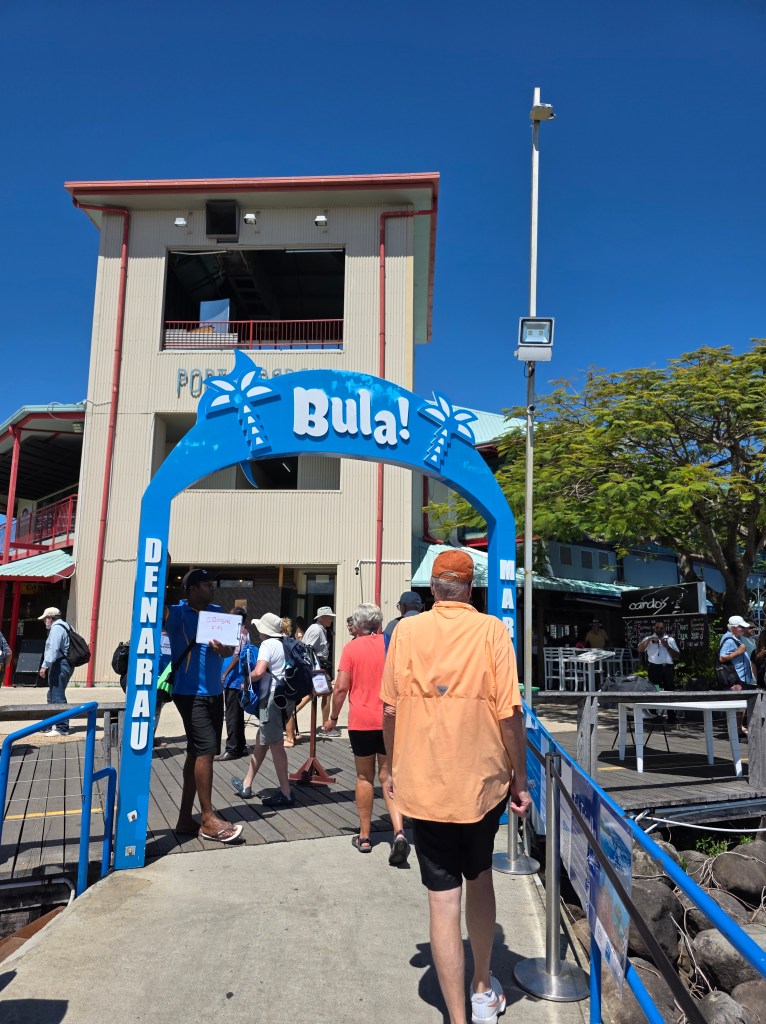
So while it is lovely, we used it more as a jumping-off point for other things. The best thing was that there were 2 health clinics here that travellers could visit for urgent blood tests or other outpatient procedures that they might need. Again, more expensive but clean and well-maintained.
Nadi is the closest town to Port Denarau and costs only 1.61 Fijian dollars for the local bus. The bus took about 20 minutes and had open windows for cooling. It wasn’t bad, and they came fairly frequently.
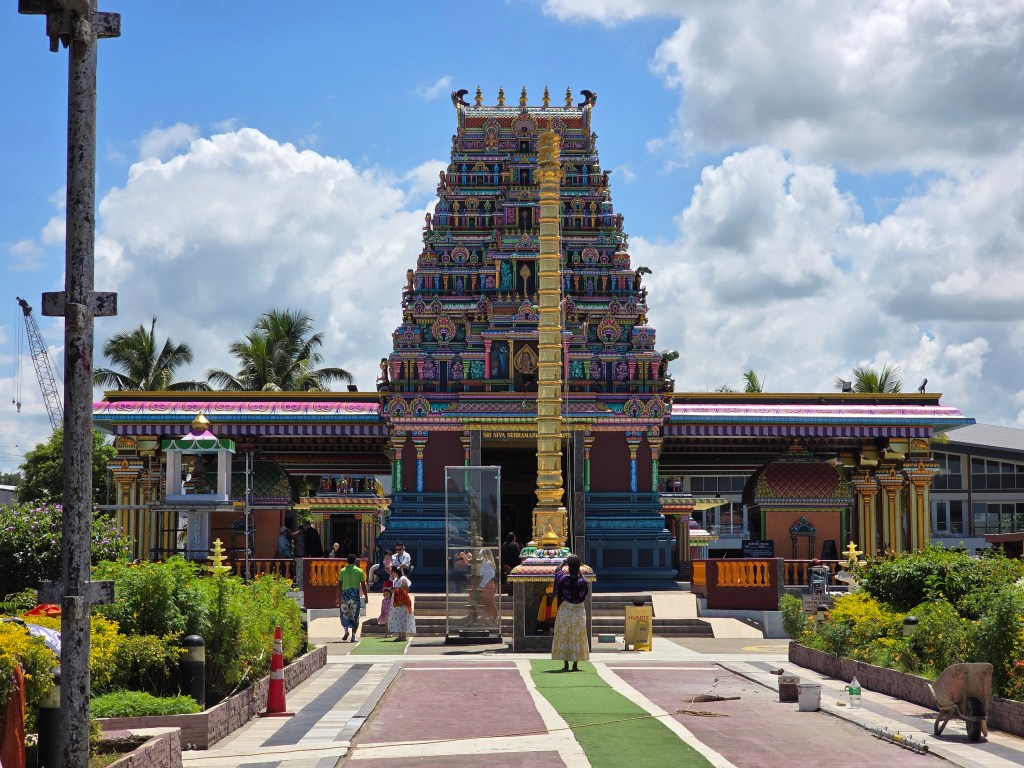
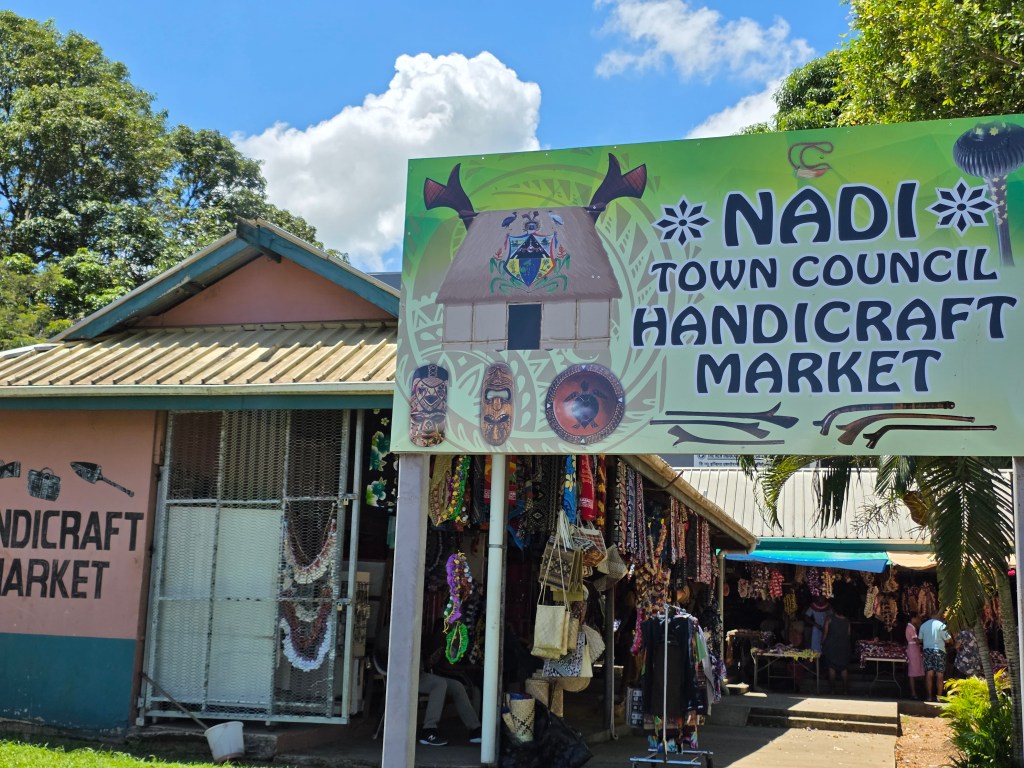
Nadi wasn’t large but had one main street that led to a colorful temple, handicraft market, other stores, the large central market, and the fish market.
Garden of the Sleeping Giant
About 20 minutes from Nadi by taxi is the Garden of the Sleeping Giant. Here, there is a large 20-hectare botanical garden created in 1977 by Raymond Burr.
There are over a thousand different orchids, ferns, water-lily ponds, a forest trail, and a lookout point.
At the end of the walk, visitors receive a free juice to enjoy. It costs 30 Fijian to enter.
Although I didn’t go, on the same road is a cultural village, and mud baths.
We are off to 3 more islands in Fiji, but those can go on a separate post.
 Chasing Summer -
Leave a comment