November 22-26th
Before coming here, I don’t know if I had ever heard more than just the name of the country. I certainly knew nothing of its geography or people. Now I think of white sand beaches, blue holes, terrible roads, cows, and coconut plantations.

Lugenville, Santos
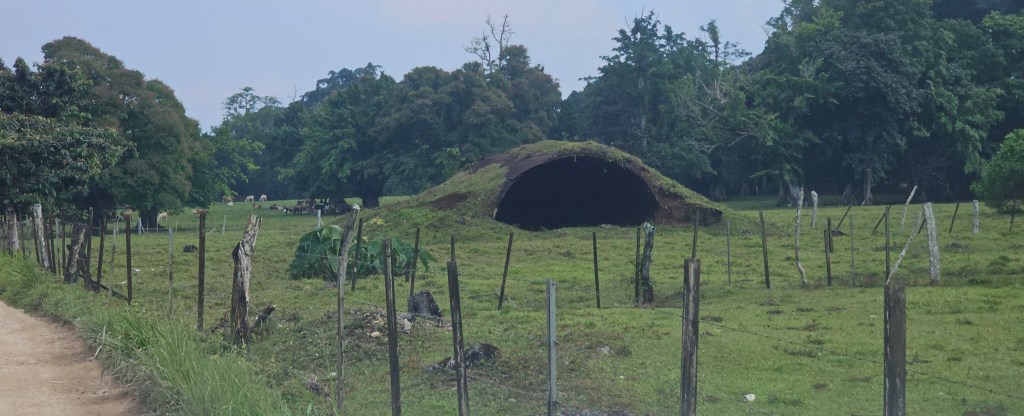
Once I arrived at Santos Island, I quickly learned that, like much of this region, it played a significant role in WWII. It housed the second-largest group of American soldiers after Pearl Harbor. When driving through the countryside, guides are quick to point out ridges and dips that were once bunkers, or homes built up like caves to blend into the WWII scenery.
Of course, the best tale of spite is Million Dollar Point. After World War Two ended, the Americans had a surplus of supplies, and rather than shipping them back to the United States, they offered them to the French for 6 cents on the dollar. The French declined, assuming that they would get them for free once the US left, but instead, the US bulldozed all of the tanks, guns, and clothing into the sea. They then sent the bulldozers into the water so that nobody could salvage anything. It is a sea dump of millions of dollars of goods and a dive sight for the curious.
Luganville is small. It has one main street with several small shops selling a variety of limited goods. There is not much to see except a WWII museum. One thing I discovered is that alcohol is only for sale at shops from Monday through Saturday at noon. No alcohol is sold on Saturday night or Sunday except at bars and restaurants. Considering the number of drunk young men I ran into on Saturday afternoon, I’m not sure that policy is helpful.

If you want a drink during non-sale hours, you need to visit one of the restaurants or bars, and most of the residents on our boat went to the Sandbar. They have a giant wood stove, beer, and the friendliest cat I have ever met in my life. They also hosted a fire dance on our second night in port.
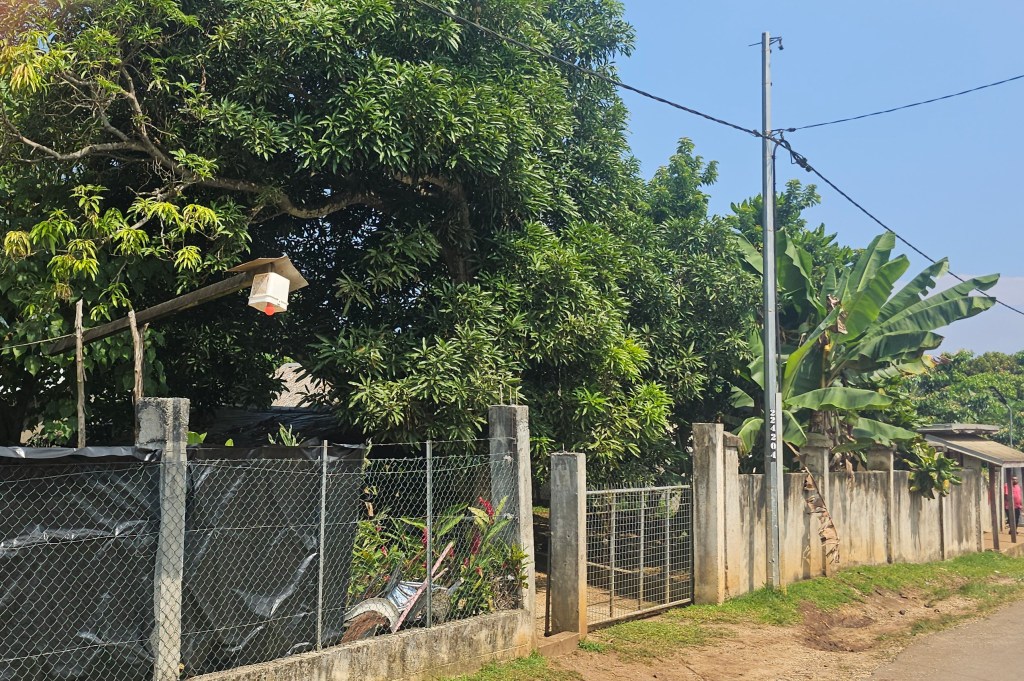
Kava is the local drink. It is made from the dried root of a plant that has mild euphoric properties and will numb the mouth and tongue. It is not alcoholic, but it causes much of the same relaxing feeling. Places that sell Kava have lights on outside their property to show that they have kava available. No light means no drink. It tasted like dirt, and I didn’t like the tingly mouth.
Blue Holes
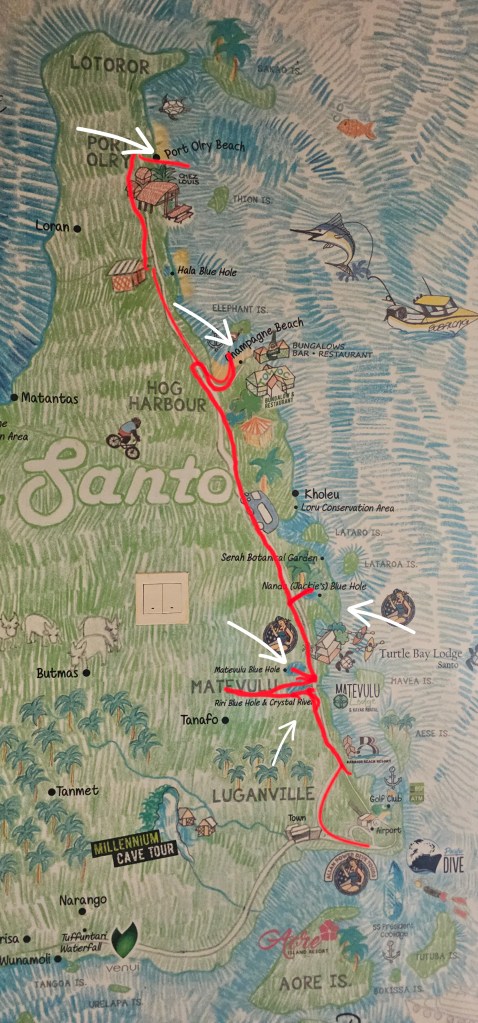
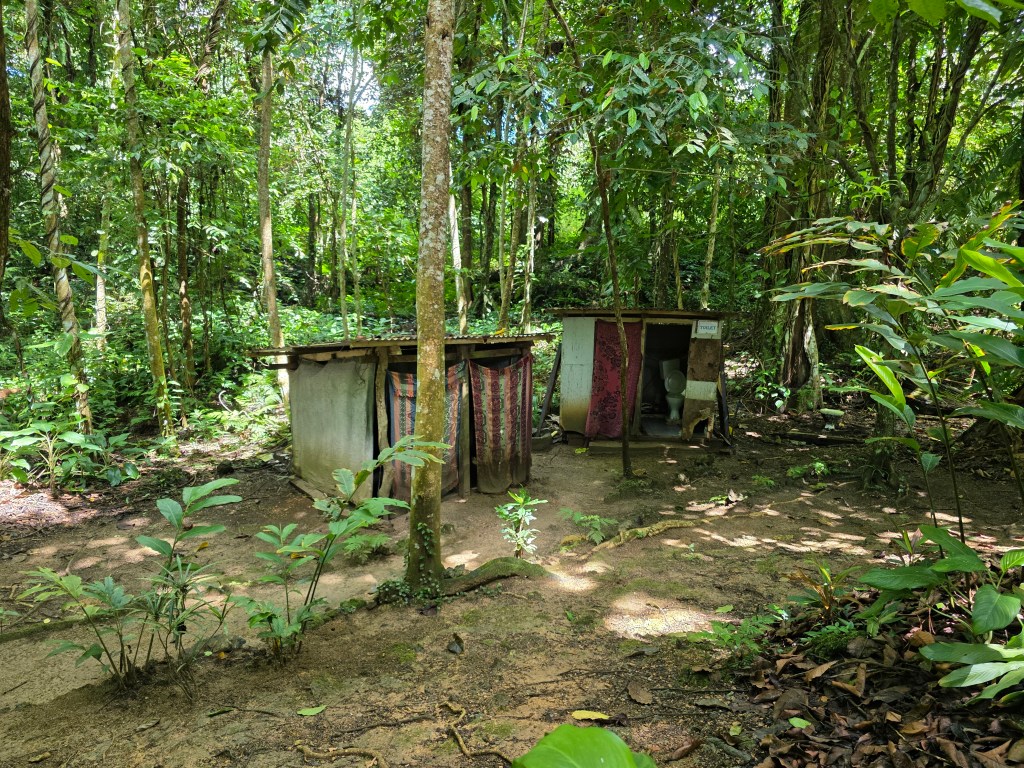
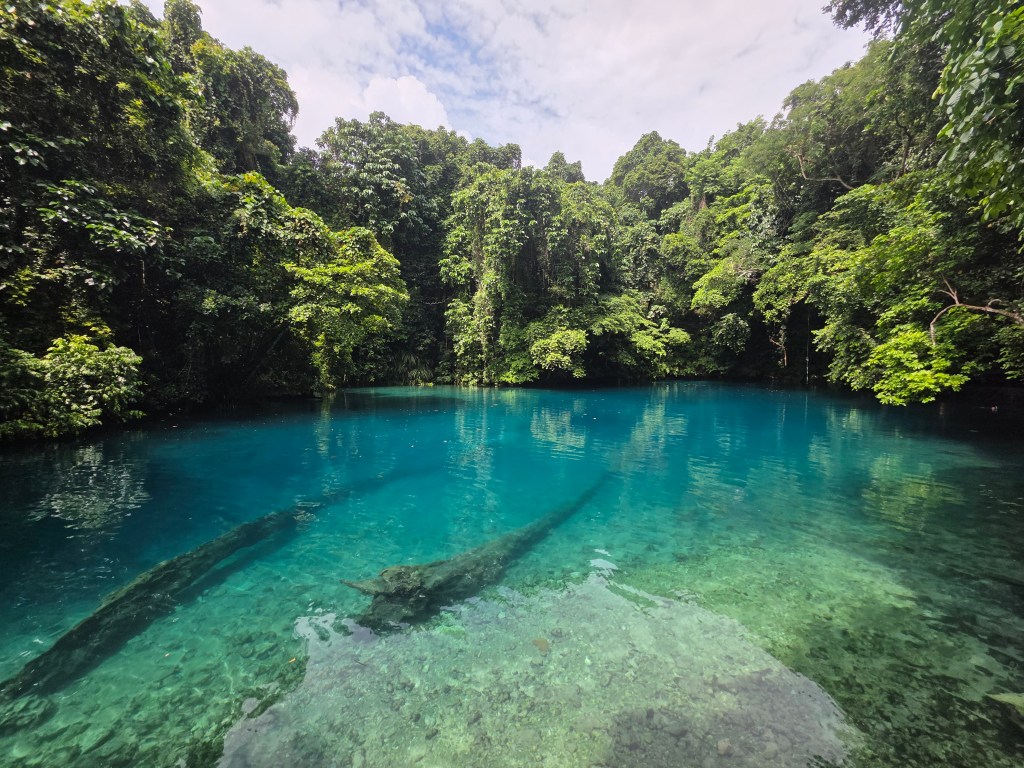
One of the things to do on Santos is visit the 3 blue holes: Riri, Jackie’s Hole/Nando, and Matevulu Blue Hole. The blue holes are created by underwater sinkholes when limestone caves collapse, and the waters are clear and intensely blue. All of the land is privately owned, so just about everything costs money to enter. The advantage is that the families want people to visit, so they somewhat caretake the site and have built small huts for changerooms and toilets.
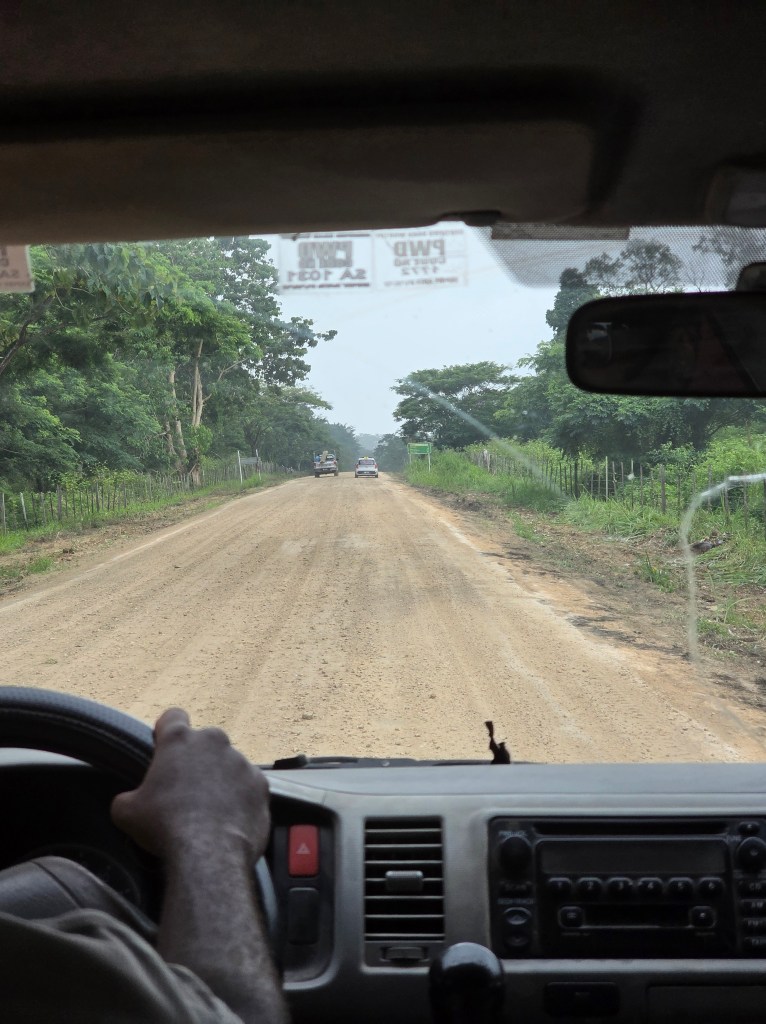
Riri is the blue hole closest to Luganville and takes 30 minutes to drive to because of the roads. Like many of the islands in this region, the roads are partially paved but filled with potholes and washboarding.
This hole is fun because I opted to take the 30-minute canoe ride to the hole from the road. This option costs 25USD compared to the entry-only fee of $5. I got to be a passenger princess as I was rowed up the clear waters to the blue hole.
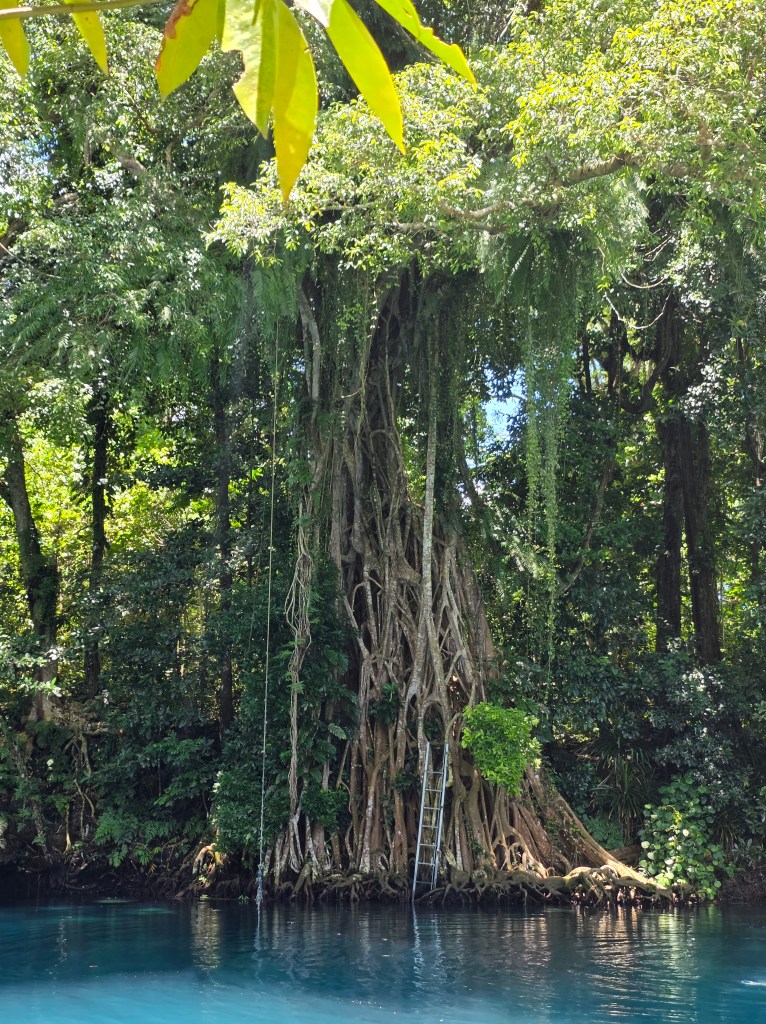
At the blue hole, there is a rope swing and a few bench areas for changing or watching the fish swim in the river. The water is so clear that it is easy to see all the way to the bottom of the water.
Matevulu Blue Hole is a short 300m away as the crow flies from Riri, but the roads and Google are deceptive. Instead of returning to the main road and going to the next turn-off, it looked like we could just cut across on a dirt road. Technically, it isn’t wrong, the road does connect them, but the 2 fallen trees made the road unpassable. Instead, our shortcut ended up being a long drive down some truly bad roads.
We ended up going back to the main road anyway to get the turn. This blue hole costs 1000 VAN or $10 each. It is the largest hole and the deepest. There were kayak rentals available, a waterslide, two rope swings, and fruit snacks.
From here, the third blue hole was about 30minutes. It is co-owned by several families, so signs for Jackie’s Hole and Nando’s all led to the same spot.
This one also had a private section that tourists weren’t supposed to swim to. There was a rope swing here as well, and several fish and eels could be seen in the waters. This one also costs 1000 VAN or $10 (the attendant originally asked for $12 per person, so they kind of make it up as they go)
Beaches
On our driving adventure, we visited 2 beaches. The first was Champagne Beach.
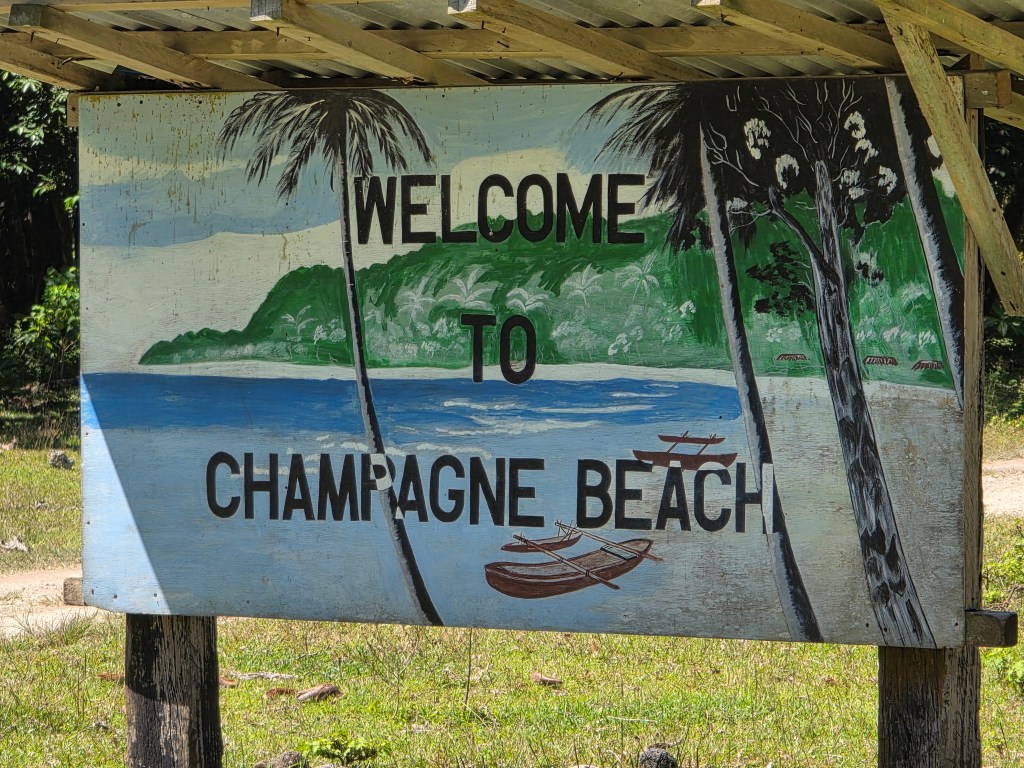
Champagne Beach seemed to charge every car a different amount. According to what some people paid, it ranged everywhere from 3,000 VAN a car to $15 per person. The posted rates for foreigners were 1000VAN per person or $15. The exchange rate for American certainly got worse the further North we went.
We had a mix of currencies and paid 3000VAN and an additional $5 per head. Not the best deal. This beach was clean and calm. There was some decent snorkelling on the left side of the beach near the docks and rocks. While there was some fish to be found, the sand made most of the coral white.
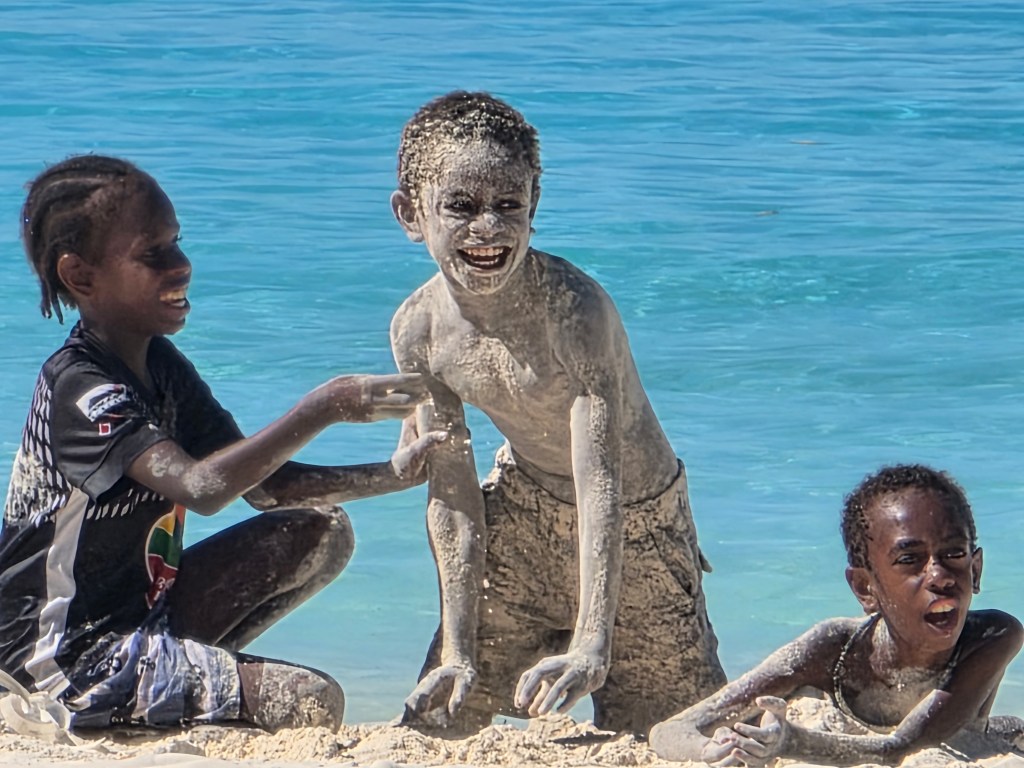
Several huts were set up selling sarongs, and a pizza joint was serving lunch for $30 for a large pizza. Was it worth the money? Not really, but since we had already paid, we made the best of it.
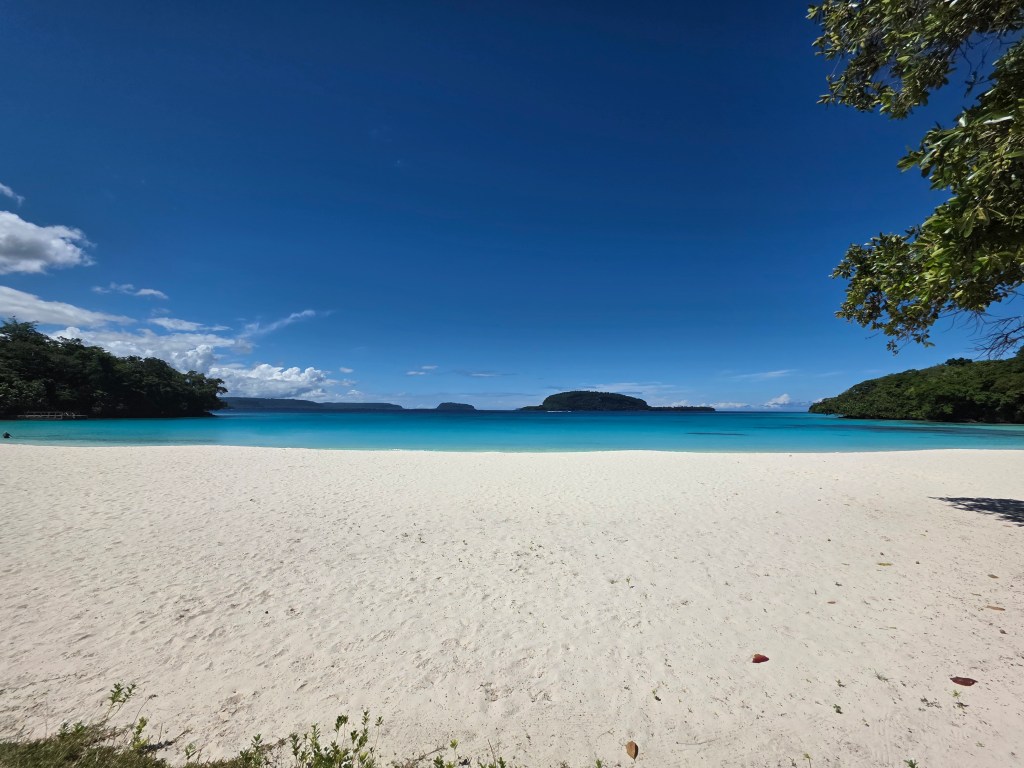
Our final stop was Port Orly. Finally, a destination that was free. It was about another 20 minutes up the road, and this section of road was the best all day. There were fewer potholes, and the car could actually go fairly quickly.
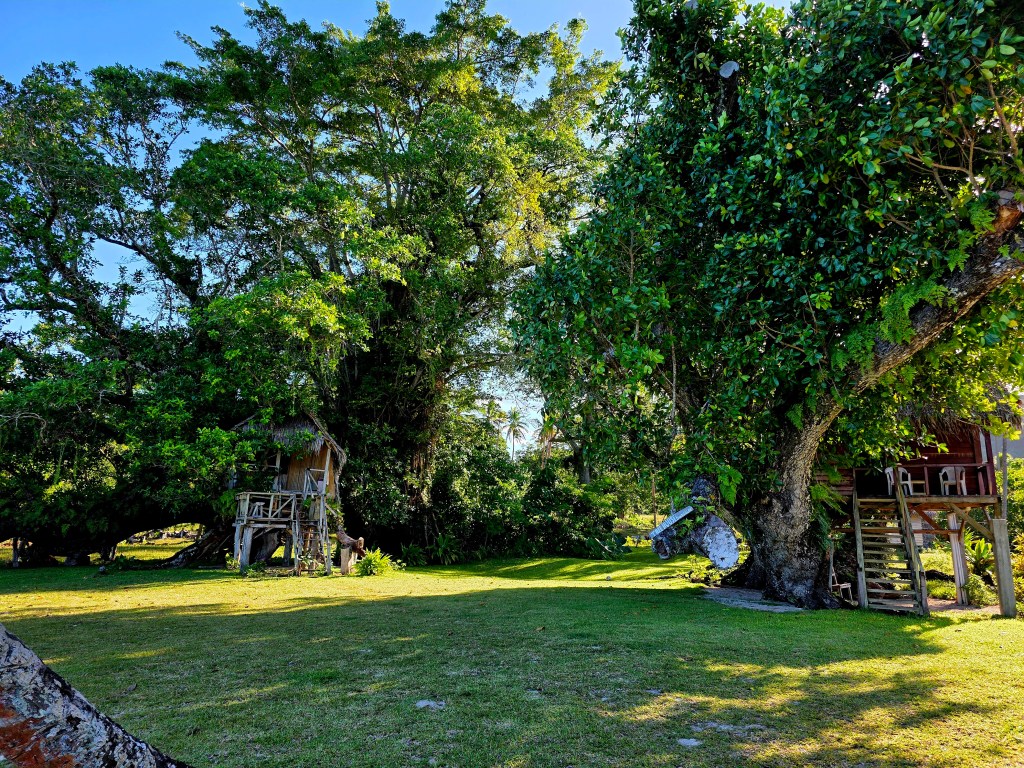
This beach was a little rougher and wilder, with larger waves and far fewer people. I didn’t snorkel here, but some people who did preferred it to Champagne Beach.
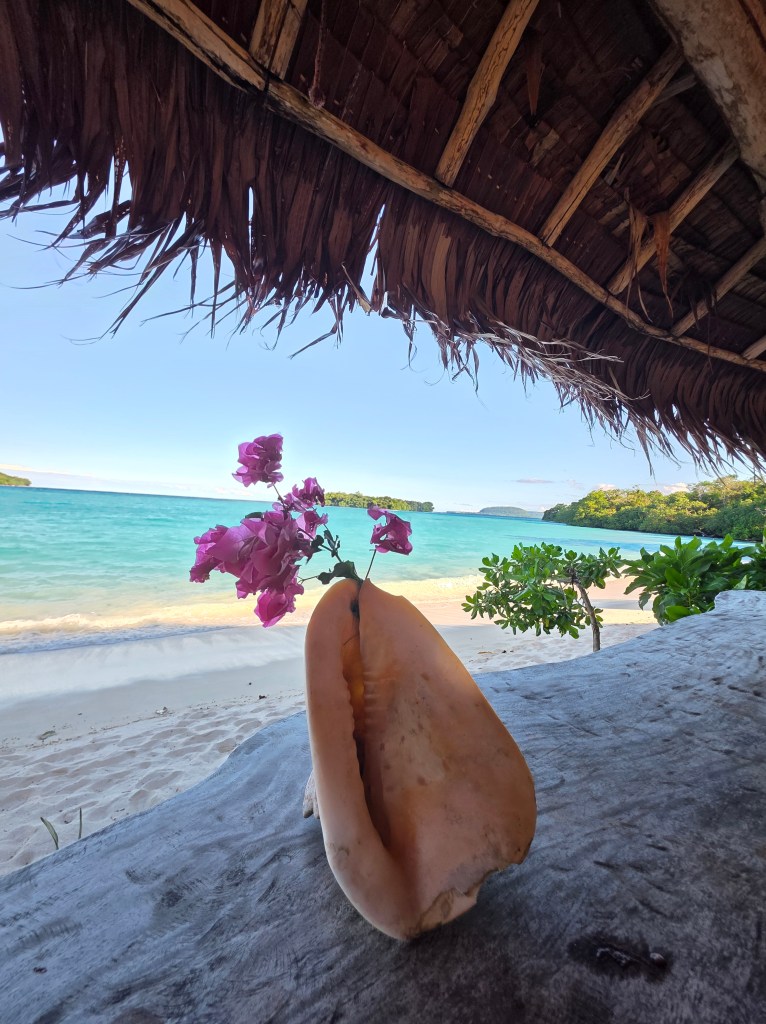
Mount Hope Waterfall
My final adventure here was also water-related. Floating down a river to a waterfall. This one was a bit pricey at $144AUS.
The morning didn’t start out on a high note with the company being 30 minutes late to pick up us 13 passengers. It was also a surprise to be loaded into the back of a truck bed. To say we weren’t prepared for that amount of exposure was putting it mildly. It wouldn’t have been bad if the ride hadn’t been 90 minutes on some suspect roads.
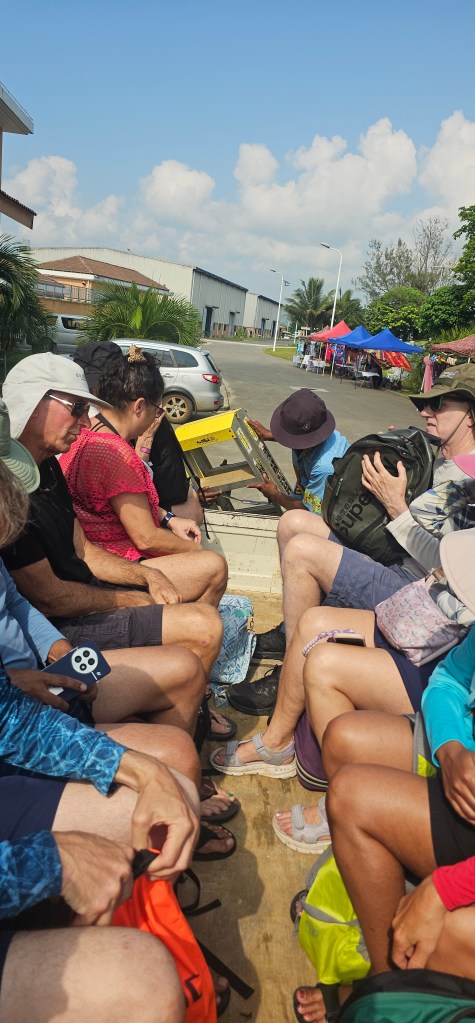
By the time we made it to the river, we were fully cooked and ready for the water. Several people hadn’t read the description correctly and assumed we would be tubing down the river, but that isn’t the case. One lifejacket later, and we’d be jumping into the river to float down on our backs.
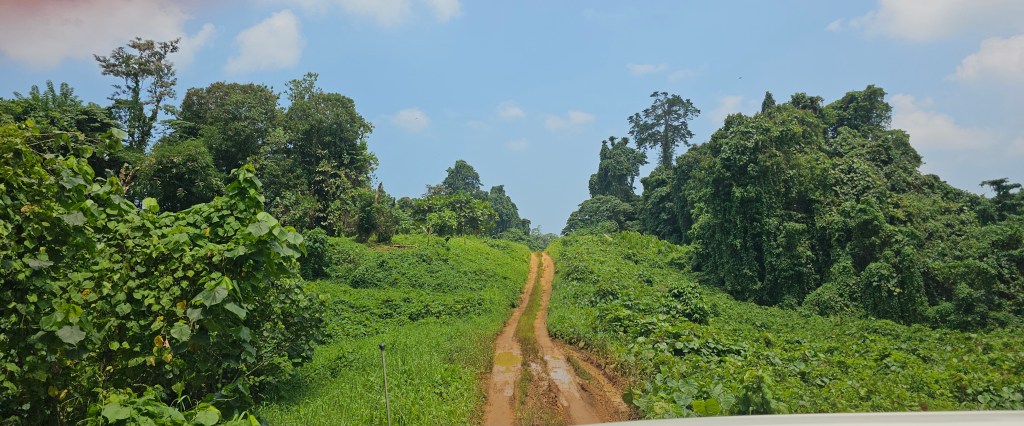
A few of our people were not happy at all. In order to get down to a safe level to jump into the water, we needed to descend down a 20m embankment. Most of it was steps carved into the dirt with a wooden rail, but the last 6m required a rope descent. It wasn’t hard, but some people with mobility (fear) issues needed 3 guys to help them down; one placing their feet, one holding their hand, and the third holding up their butt so they wouldn’t fall.
The water itself was cool and refreshing. I loved floating down the river, and the 4 or 5 light rapids we went over were a lot of fun. Up front, I went over most of the spots first and helped catch people before we approached the waterfall. It was about 45 minutes of floating, and we had about 5 young guides helping to make sure that everyone was safe.
We needed to approach the waterfall one at a time because the currents could make you go by it if someone took too long to get out of the water at its base. It is not a tall waterfall, but wide, and we climbed up it. Because of the pitting in the rocks from erosion, it was not slippery at all. Some people felt it was hard, but that is their fear talking. No one even seemed slightly wobbly or slippy.

At the top, there were some local pineapple, grapefruit, cacao seeds, and banana chips to snack on. From here, we needed to walk out to the truck. This involved a 20-minute hike up and over to the road. It was a wet and muddy walk through a mosquito-infested jungle- I should have put on spray, but it was in my bag on the truck.
Port Vila
Port Vila is the capital of Vanuatu and has a population of 50,000. This was a tender port because the port was damaged in an earthquake in 2024 and hasn’t been repaired yet. This same earthquake is also the reason Nguna was cancelled, and we spent an extra day in Luganville.

Port Vila has many duty-free shops and not much else in town. Most day trips take you out of the city or require a quick ferry ride to another island. In town, there is also a central market selling goods, as well as several open-air markets with souvenirs for the cruise ships.
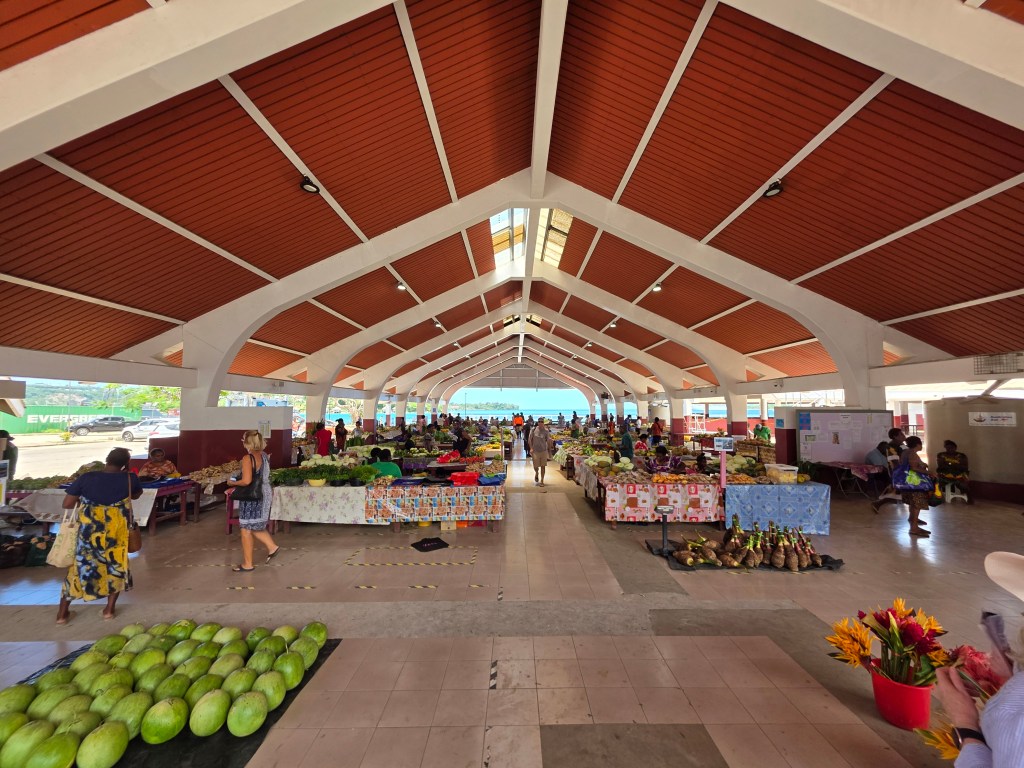
In town, about a 15-minute walk from the port, is the Vanuatu National Museum. It costs 1000VAN to enter.
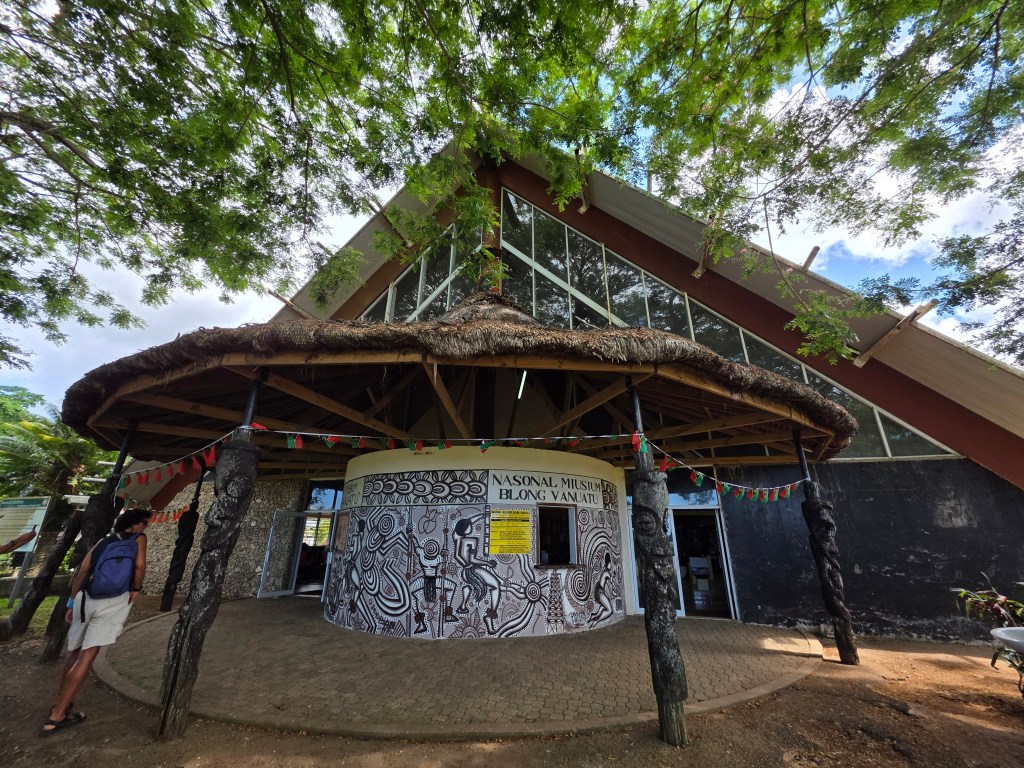
Behind the Museum, according to Google, is the Vanuatu National Library & Archive. I went into the building, and it was open and not a book to be seen. Perhaps it moved? A gentleman outside said it is where chiefs go when elected, and every island has one.

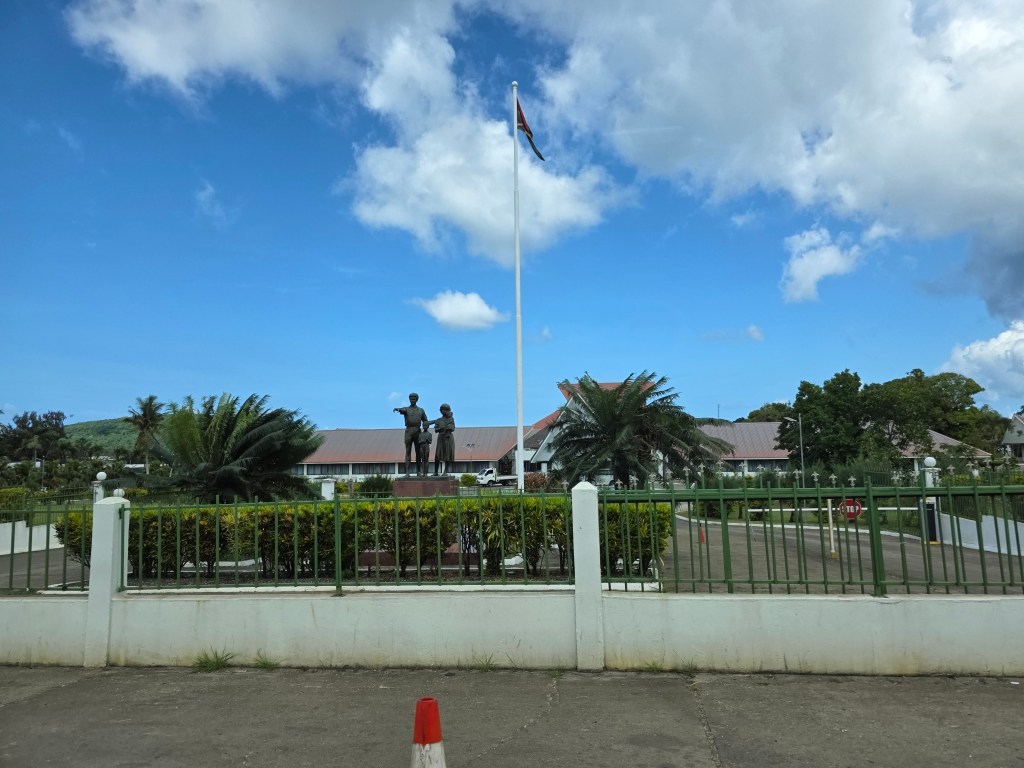
Across the street were government buildings.
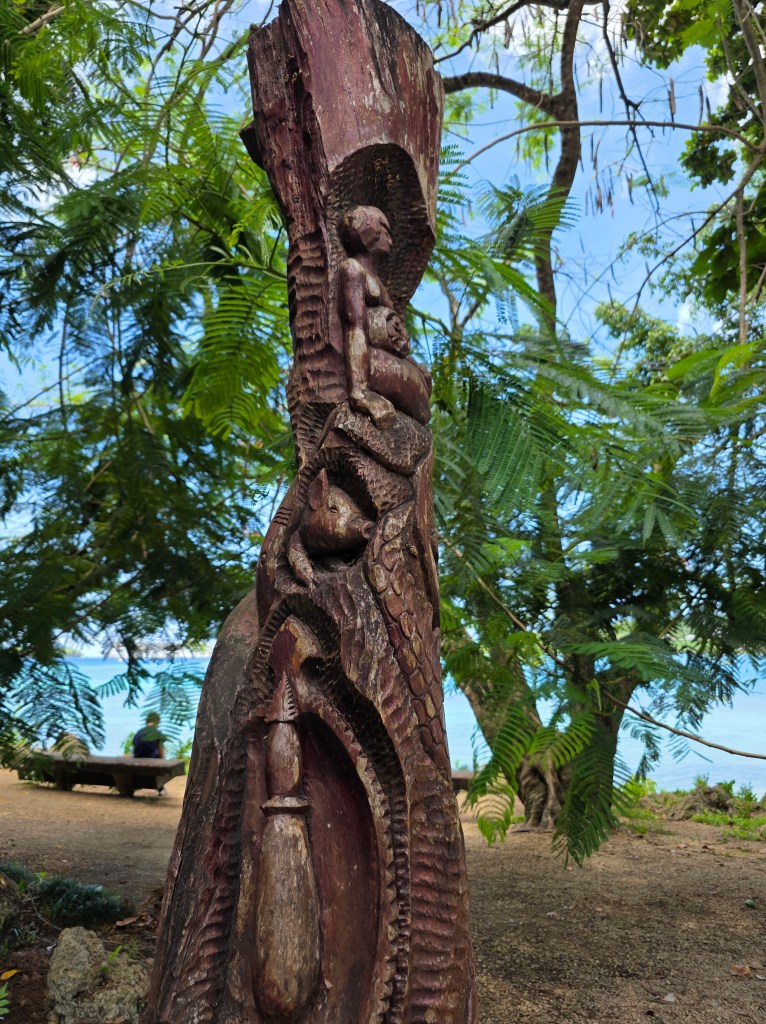
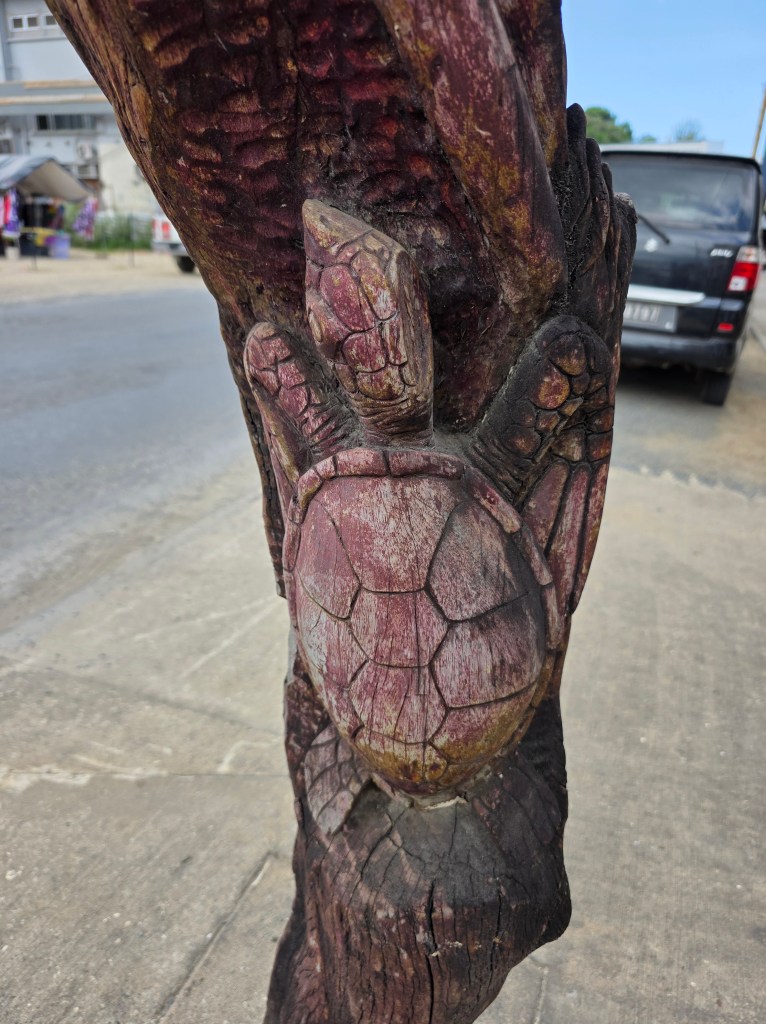
Around town, there are many carved trees. I don’t know if they were carved in situ from damaged trees or carved elsewhere and relocated to the wharf walkway.
Mystery Island
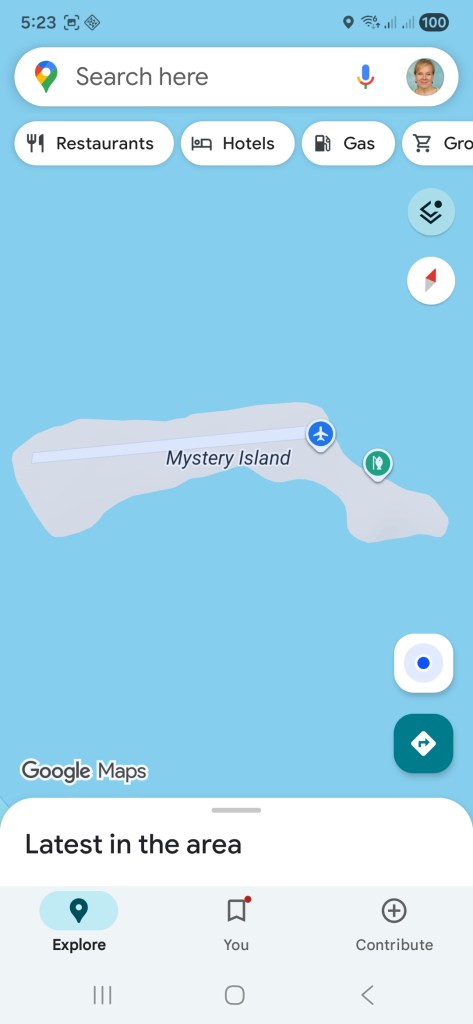
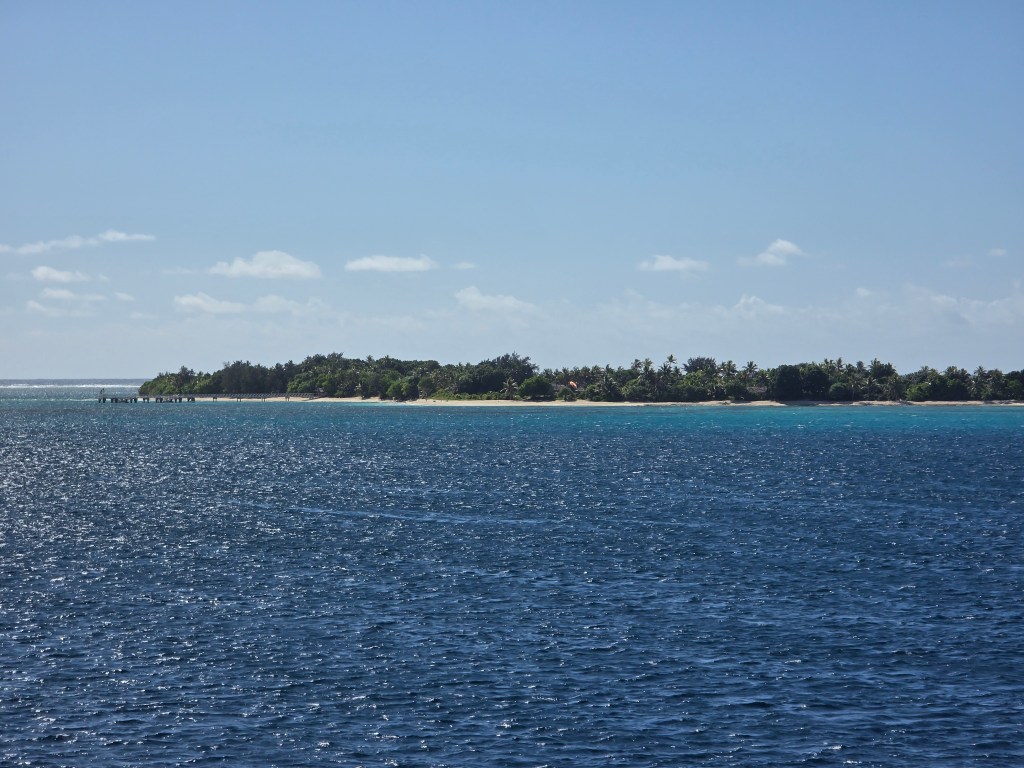
Our final stop in Vanuatu was Mystery Island. Mystery Island is a small, unoccupied island furthest south.
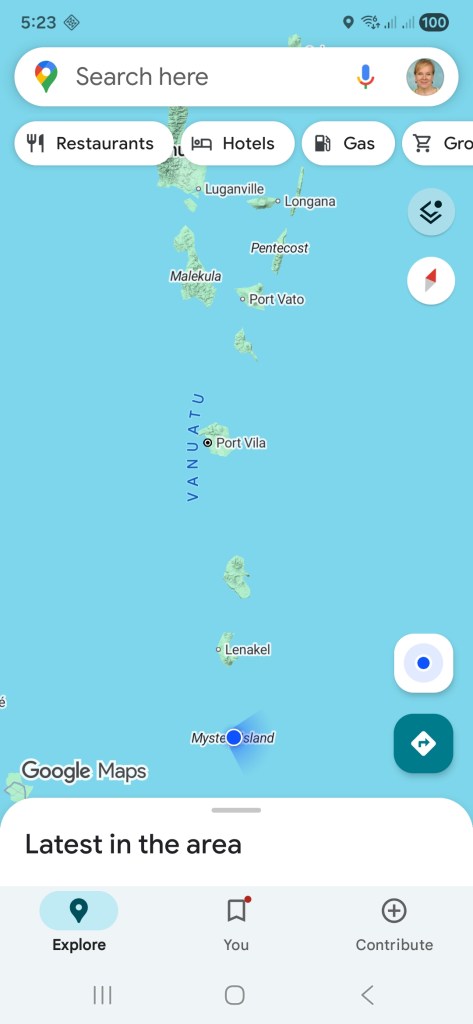
It has an airstrip for the neighbouring island and has 2 flights a week from Port Vila. It is a popular cruise stop, and locals from the neighbouring Island come over on cruise days to sell snacks, braid hair, and give massages. There is nothing to do here except enjoy the beach or walk around the island (in about 30 minutes)

 Chasing Summer -
Leave a comment