March 12th – 13th
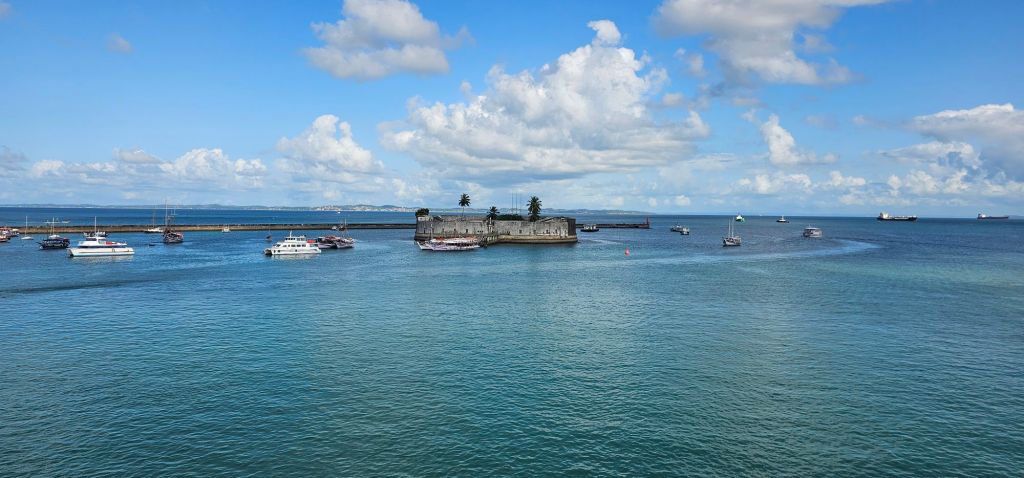
The third largest city in Brazil is Salvador. Salvador also has a higher crime rate than Rio de Janeiro.
At one time, Salvador was the murder capital of Brazil. But we’ve been assured the tourist areas are safe for us to be in except for pickpockets. So we set off to explore in a very confined spot of the city.
The high city or cidade alto, which is a safe tour zone, is directly outside the cruise terminal and easy to find. The high city is built up on top of a hill. There are several ways to get up there, you can take a taxi or Uber, there are two elevators, a funicular, or you can walk.
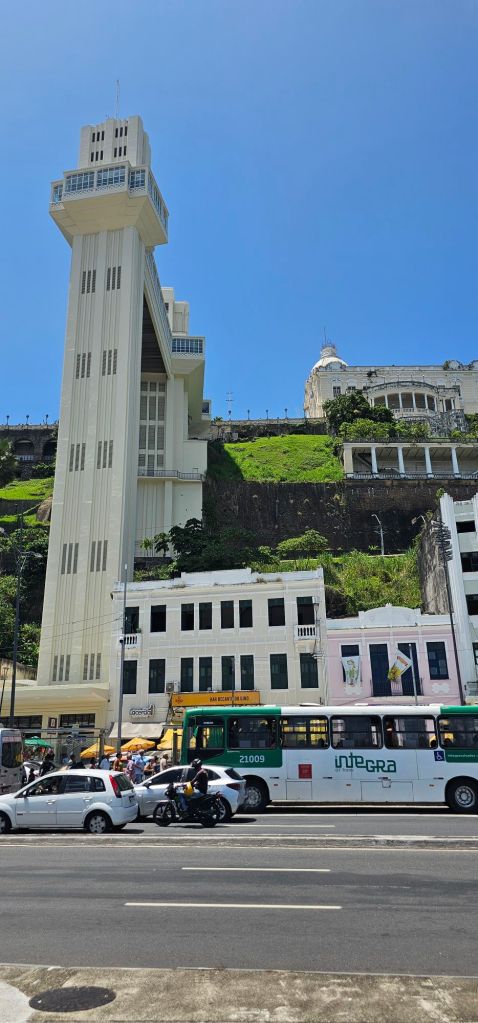
We, being Steve, Angela, JR, Paul, and I, headed out at 9:00 AM. It was already pretty hot, and we exited the cruise terminal and headed towards the raised old town about five streets away.

GPS My City has a city walk that includes nine sites, is about one mile long, and takes about an hour to complete. We decided to use this as our walking model. However, unfortunately for us, it led us up the incorrect street to reach the elevator, so we ended up climbing the hill.
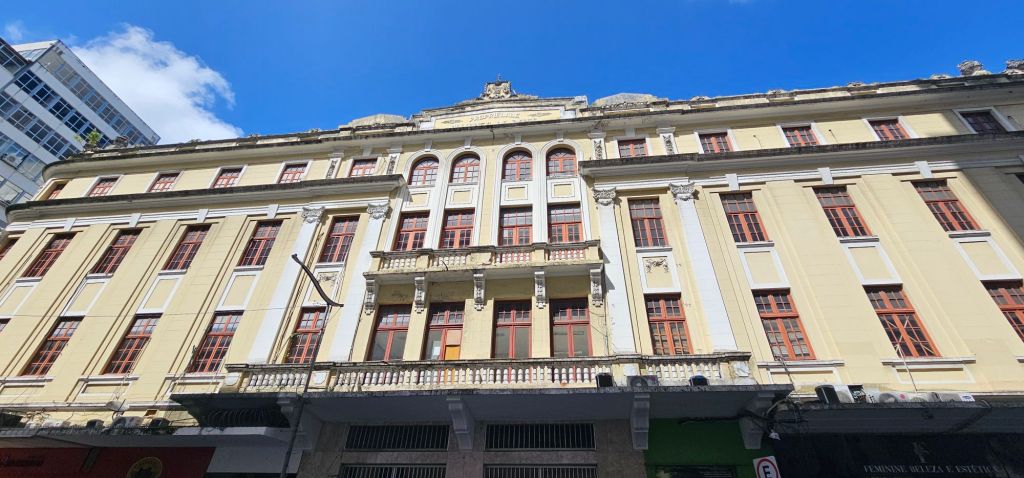
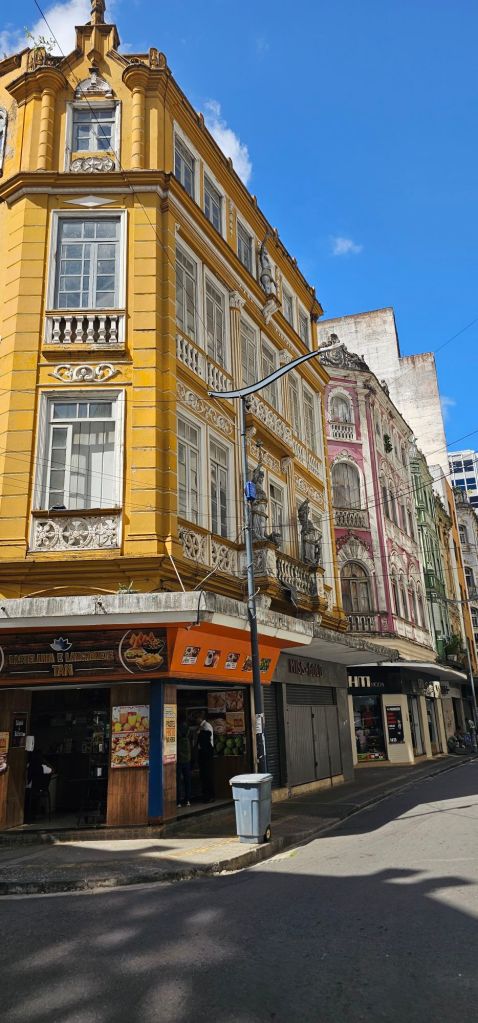
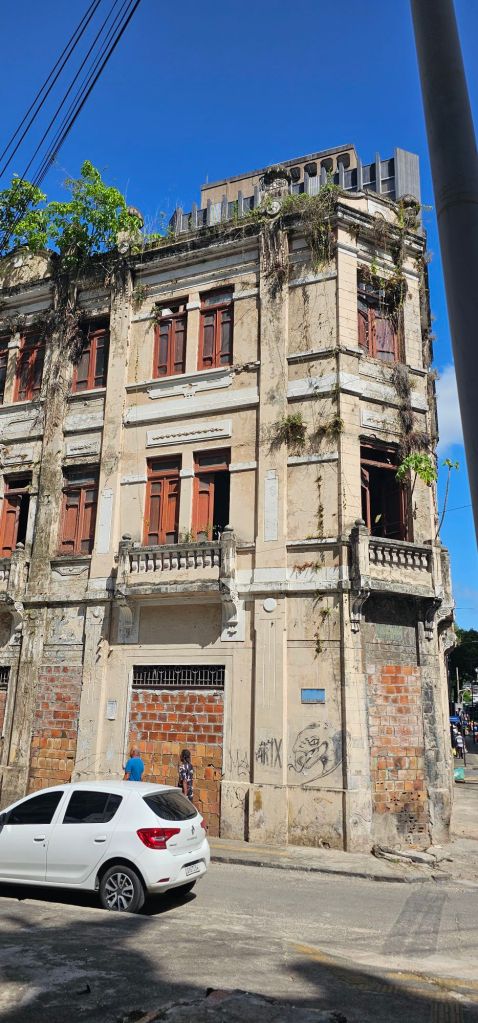
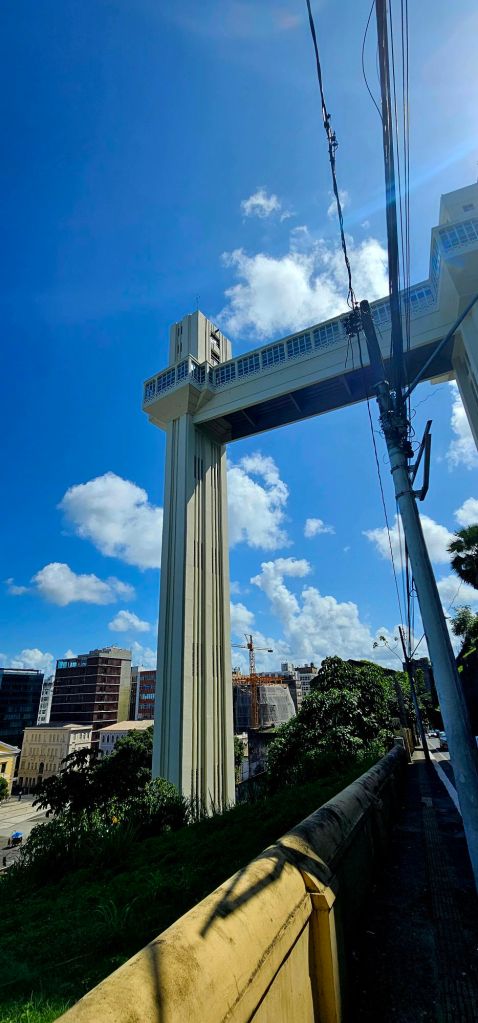
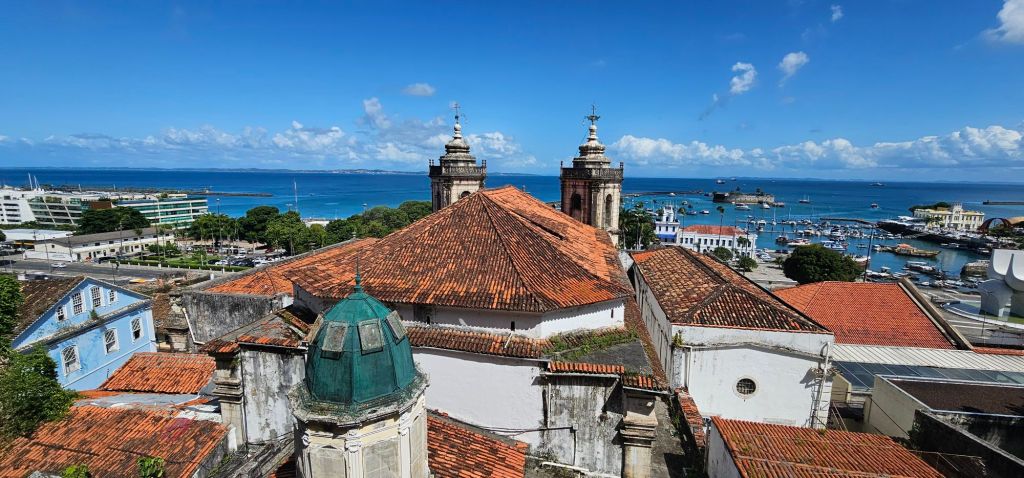
As we walked up the hill, we passed under the elevator walkway and were able to look down at the pier. From there, we could see several landmarks, including the Marina. We also saw the back of the Basilica of the Immaculate Conception.
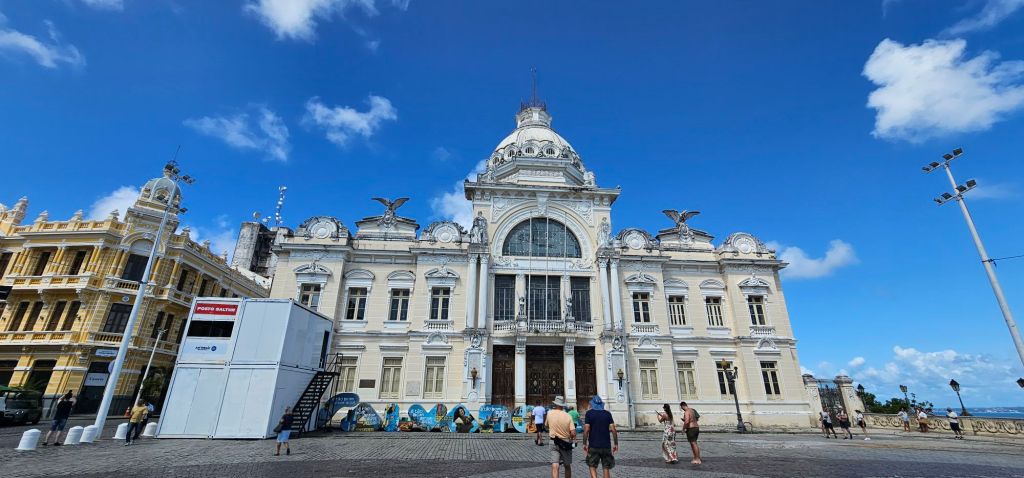
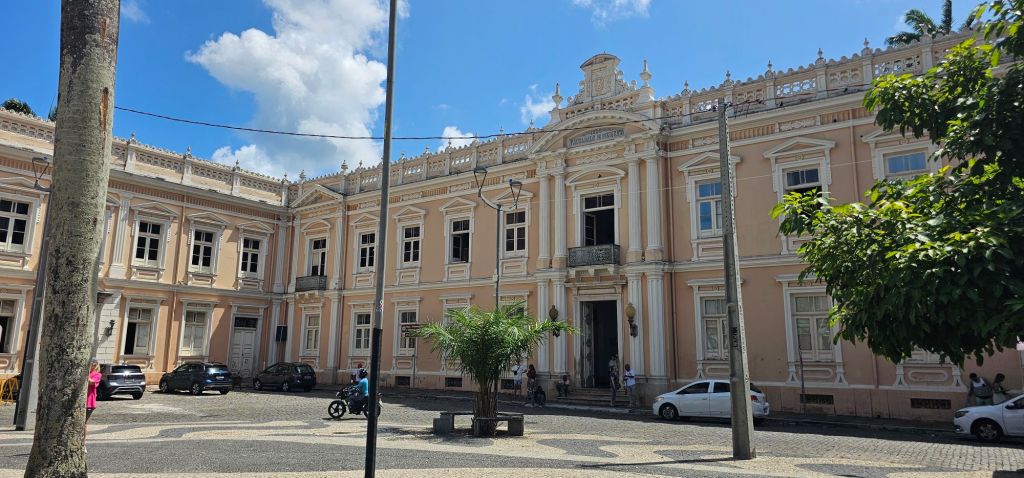
Once we were in the high town, we quickly made our way towards the recommended sites, which included the Rio Branco Palace, which was built in 1549. The palace was reconstructed in 1919 and given a new neoclassical appearance. It is now home to the Pedro Calmon Foundation and Museum and is part of the historical city center UNESCO World Heritage Site.
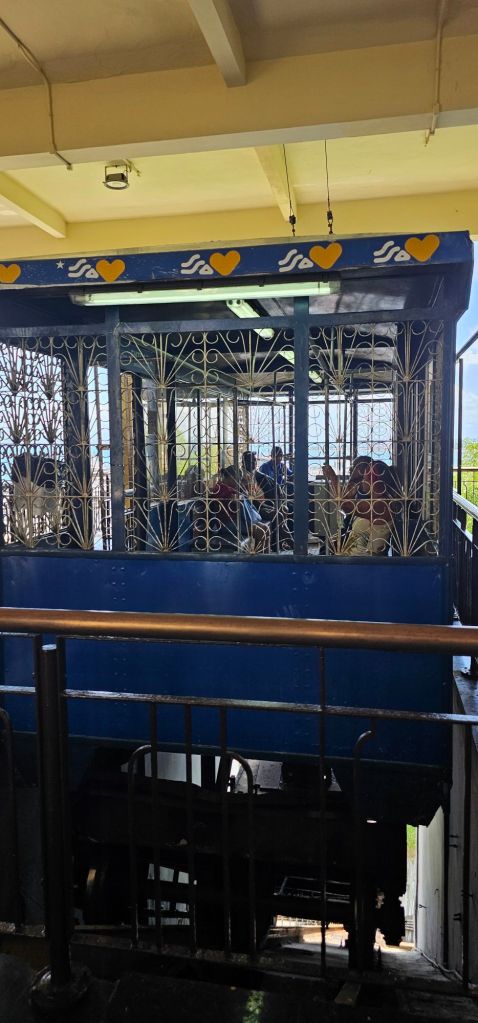
Beside the palace is the top or exit of the Lacerda Elevator. This is a public elevator and connects the historical center of the upper city with the commercial lower city. The elevator has a height of 236 feet and was built between 1869 and 1873. The elevator was hydraulic and was converted to electricity in 1906. Today, it was free to ride up and down. It usually costs .15 real (about 3 cents)
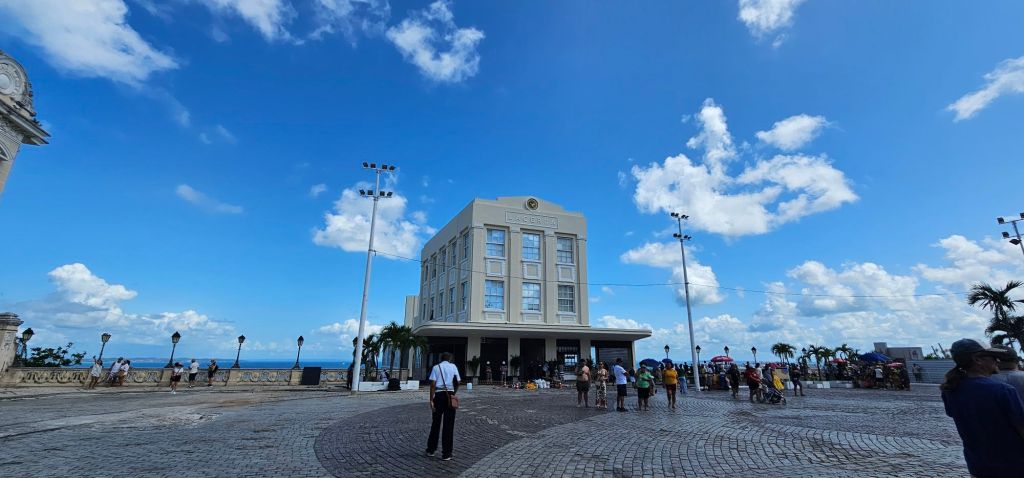
Across the street from the elevator is the Salvador City Hall. It was constructed in 1549. This building was once a public prison, and it contained both men’s and women’s prisons on the first floor and in the basement. It was a prison for about 400 years. Photography inside is strictly prohibited.
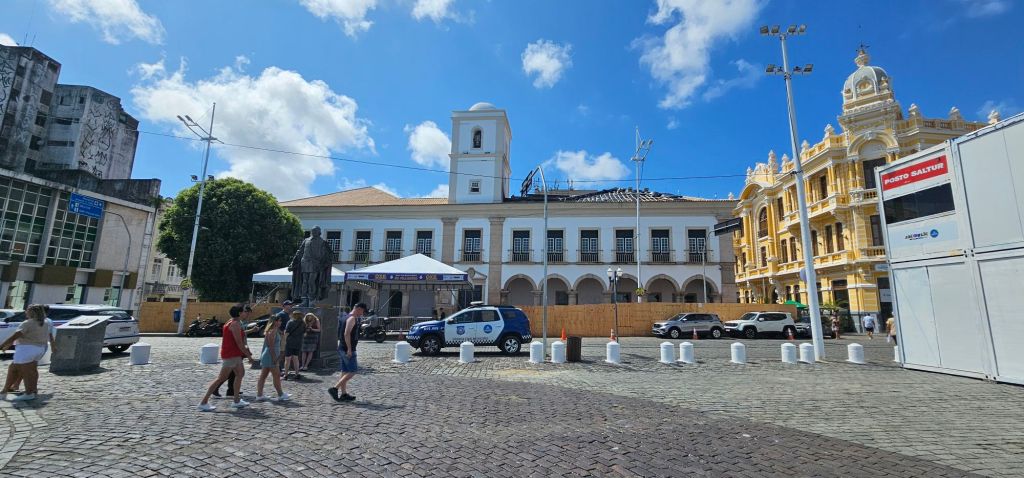
Continuing the path that GPS My City had laid out, let us down a slightly sketchy street. Instead of taking what looked like a back alley, we decided to continue onto a main road and a slightly longer path to get to our next sight.
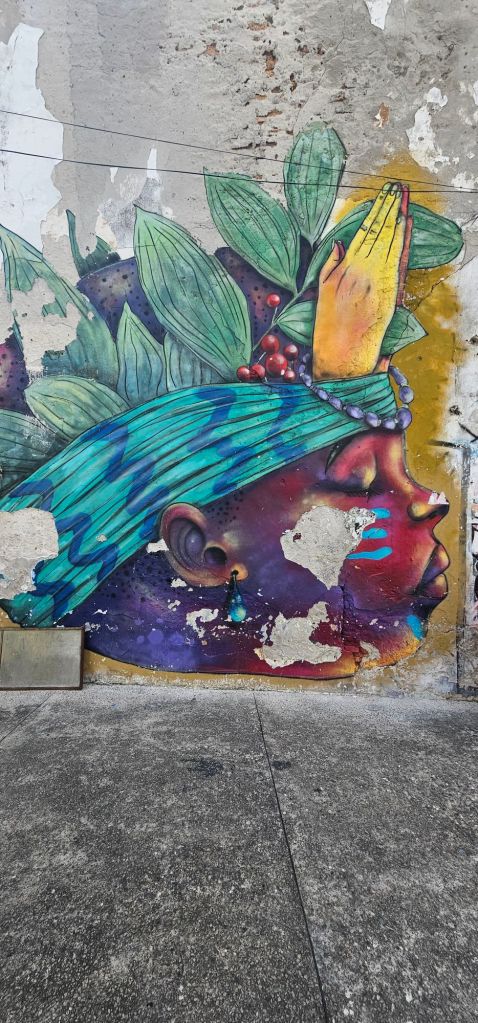
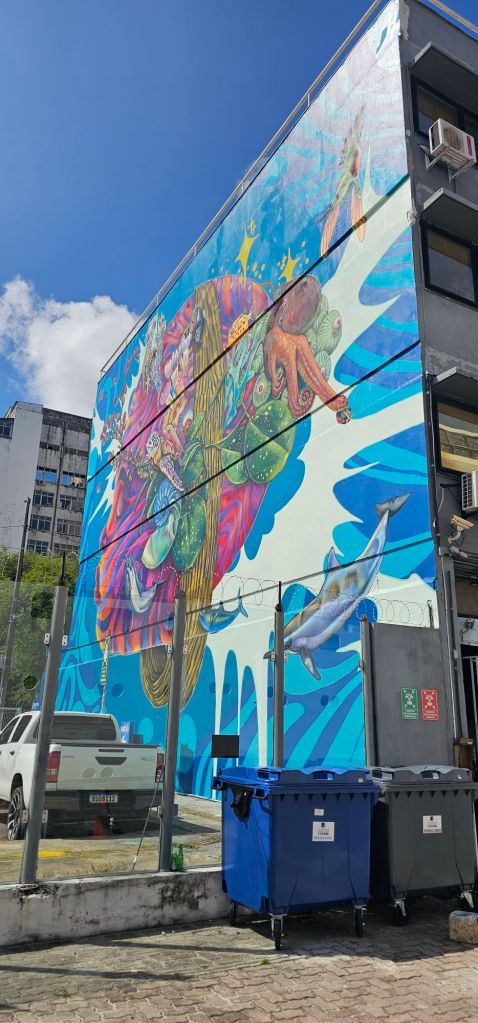
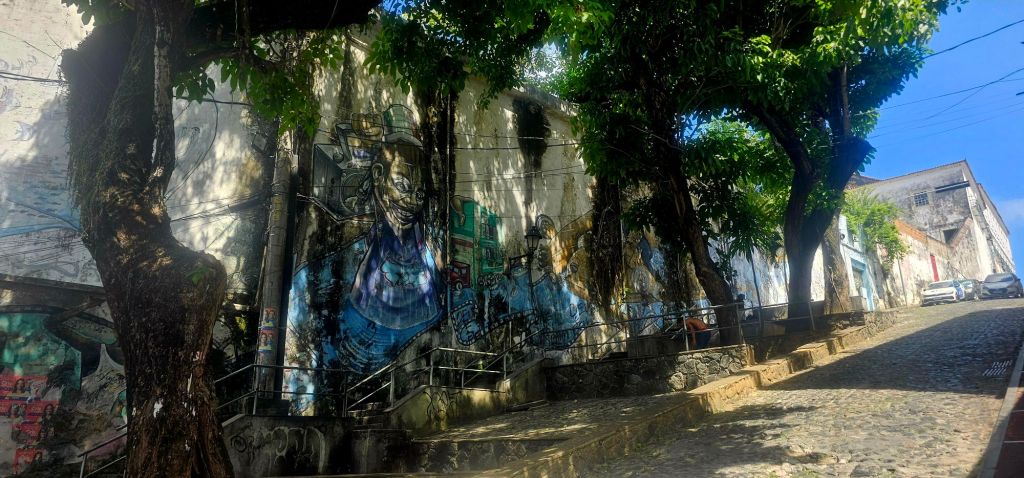
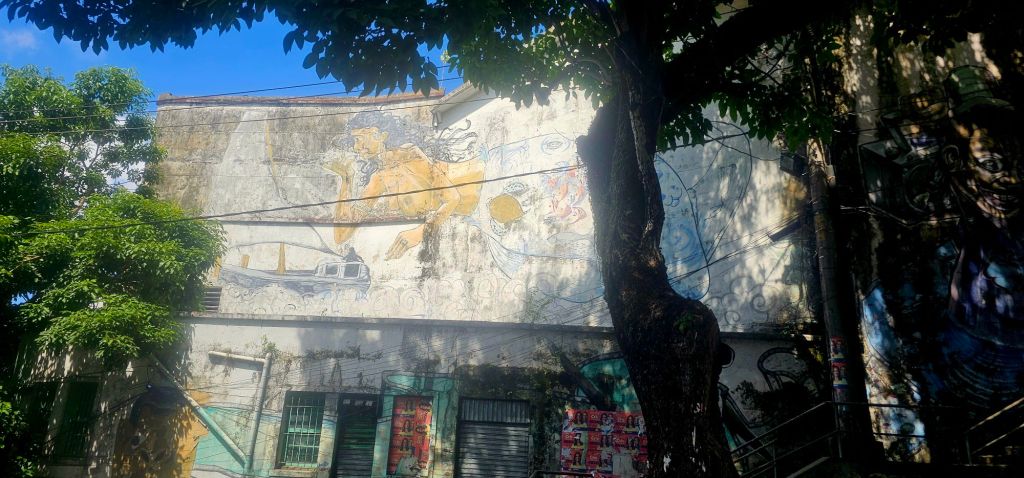
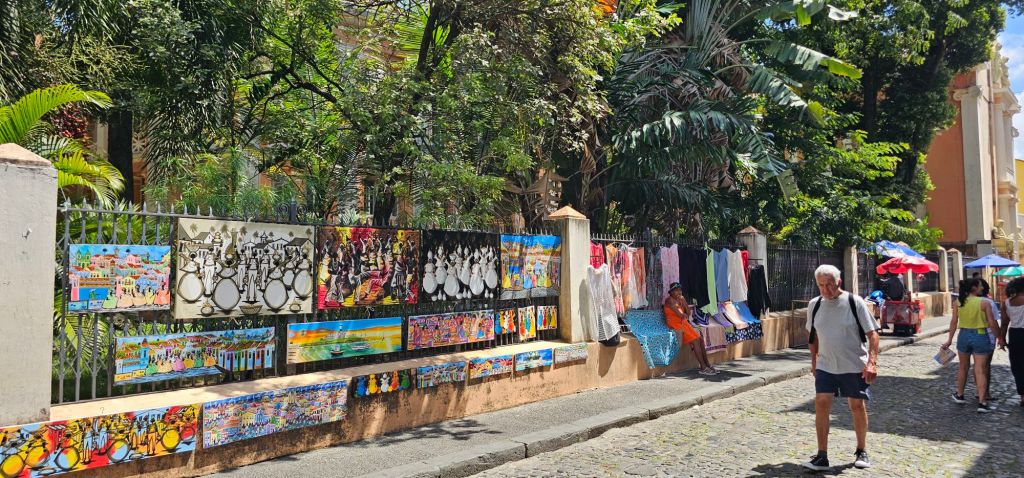
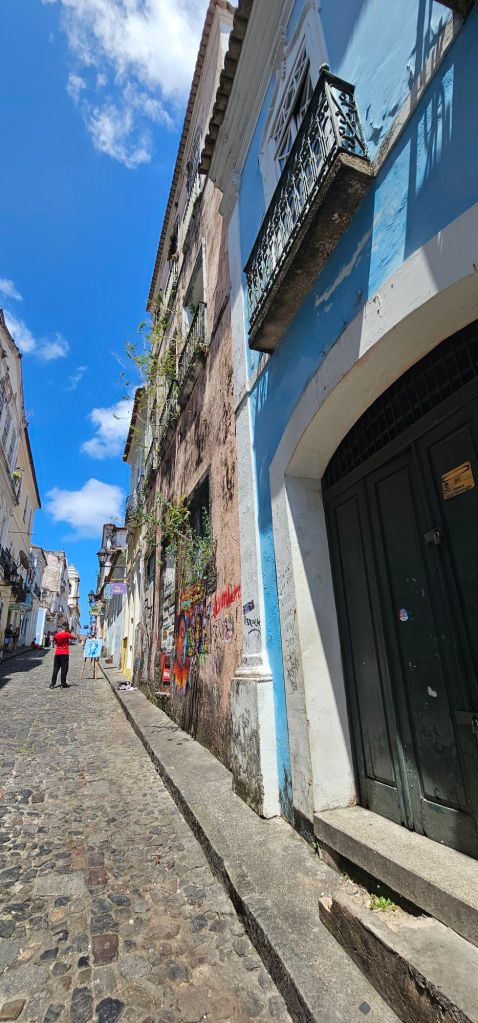
Our walk, unfortunately, took us down a street, so we had to climb back up the hill. On the way, we passed several street murals.
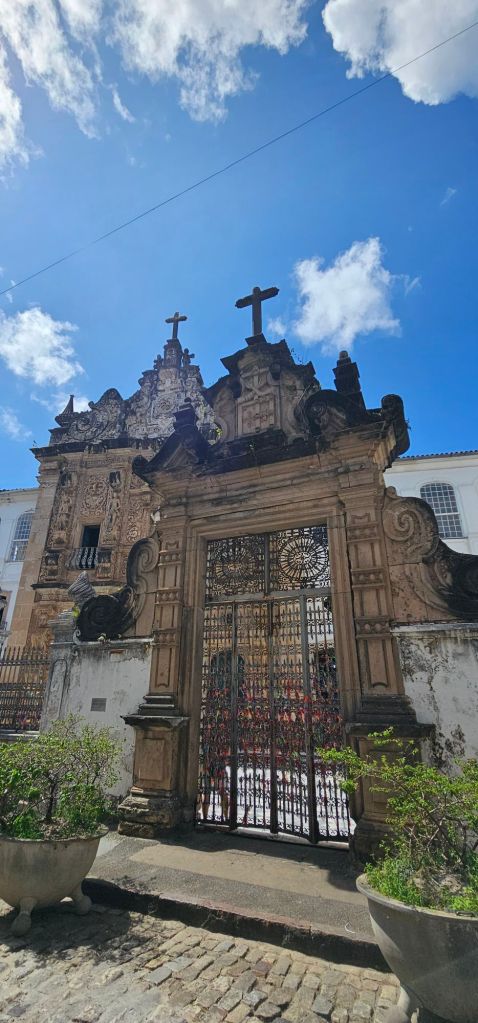
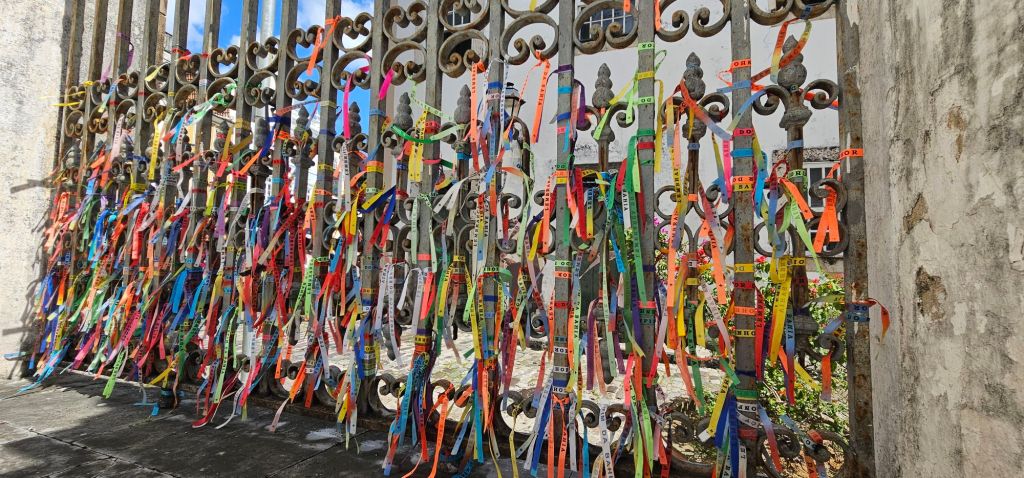
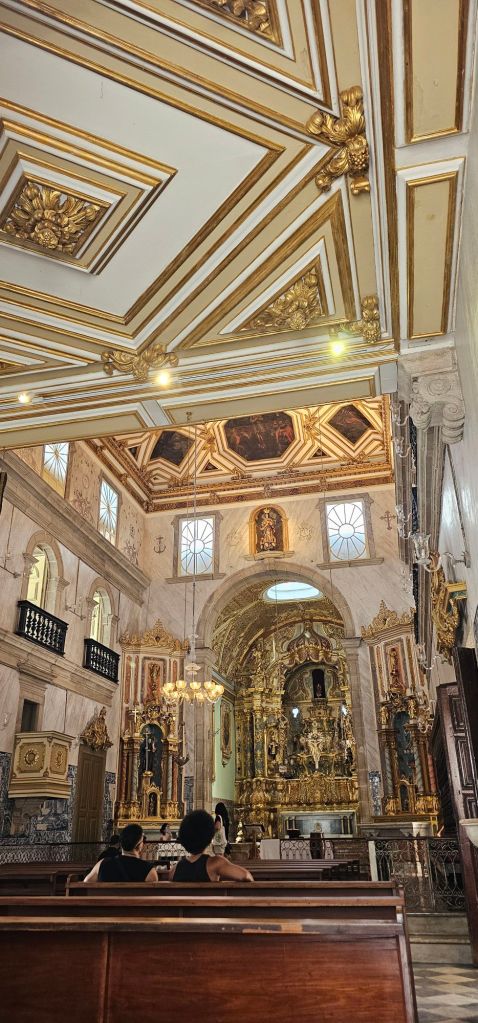
At the top of the hill, we came across São Francisco Church and Convent of Salvador. It is a Church of the 3rd Order of St. Francis was in the historical center and was constructed in 1587. All religious buildings were destroyed by the Dutch in the 17th century, and the current church was built on the ruins in 17O8. It costs about $2 to enter.
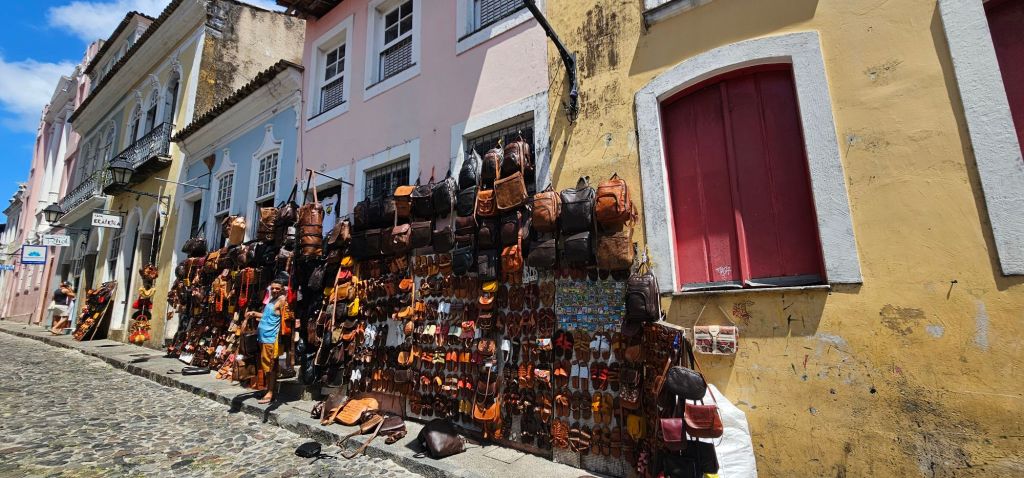
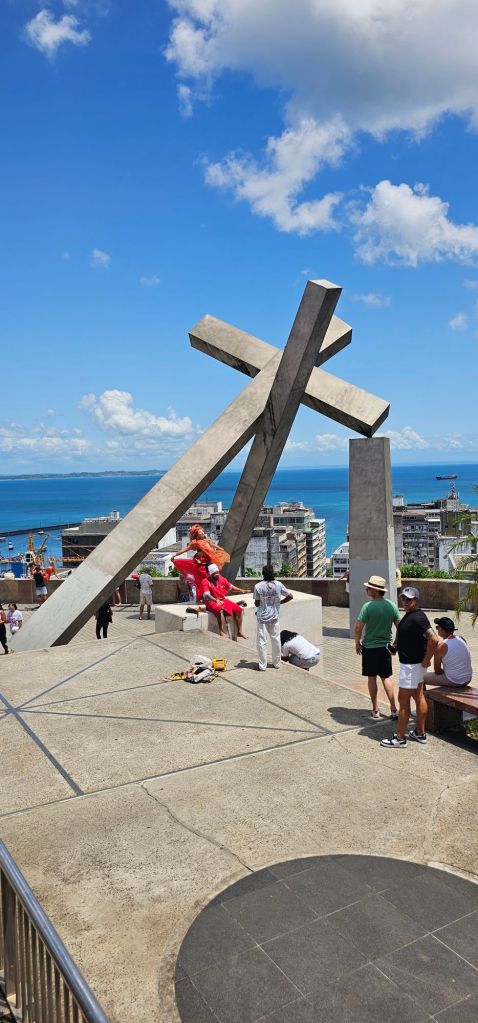
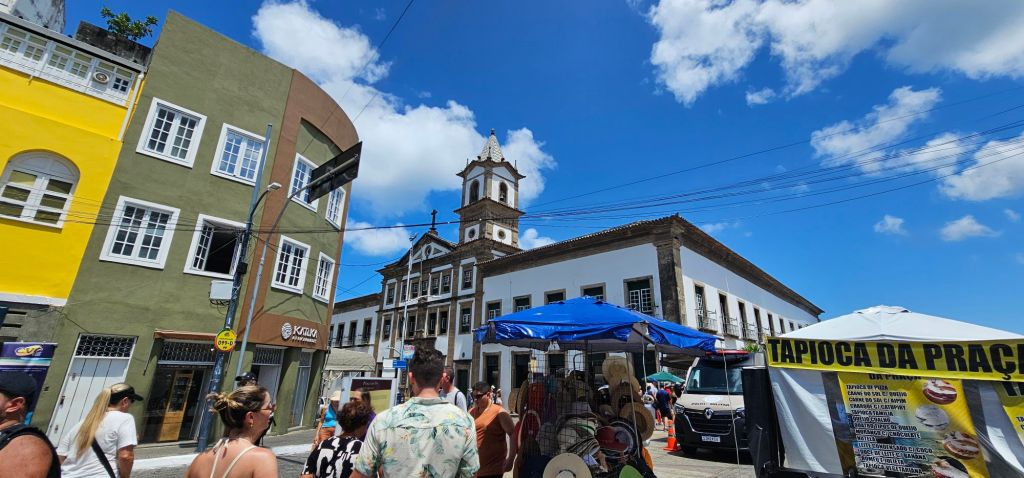
Following the street in front of the church is a giant cross and many shops on either side.
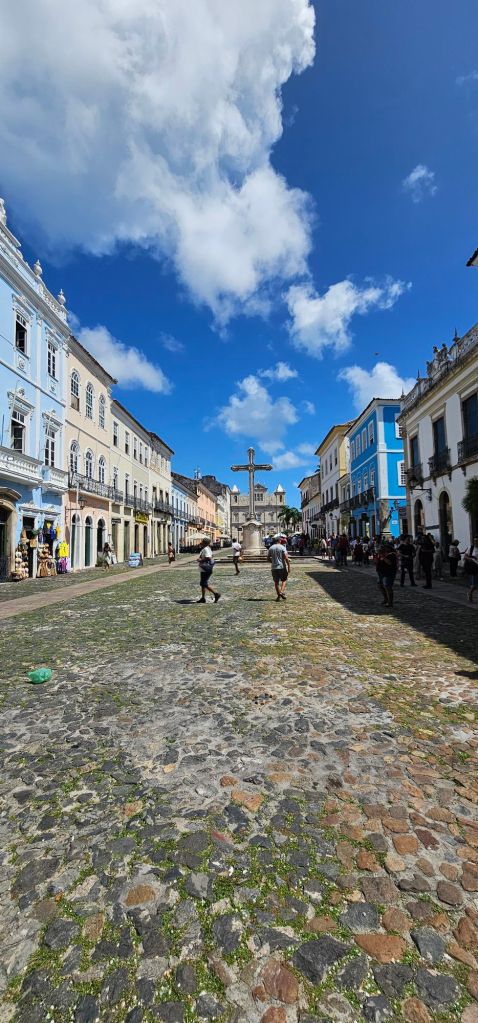
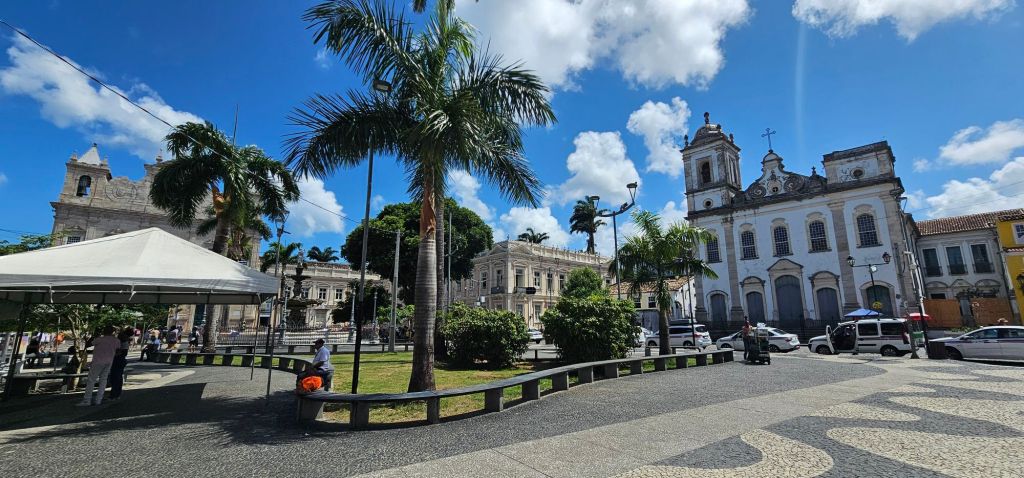
When you reach the end of the street, you are at Jesus Square. Surrounding Jesus Square are several religious buildings, including the Cathedral Basilica of Salvador, the Church of St Peter of the Clergyman, and the Church of the Third Order of Penitence of São Domingos de Osama.
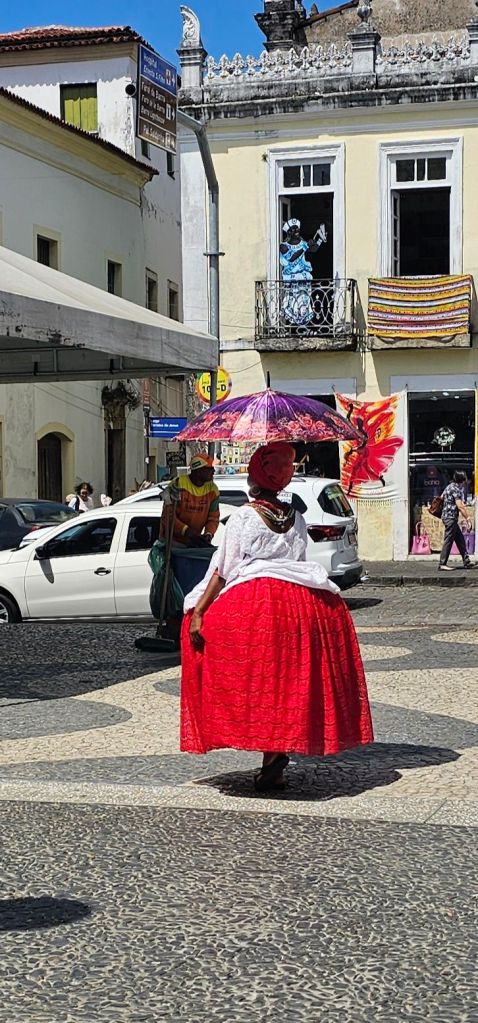
Terreiro de Jesus Square, also known as the 15th of November Square, dates back to the 1500s. In the centre of the square is a fountain. There are also several women dressed in traditional dress and vendors selling drinks there.
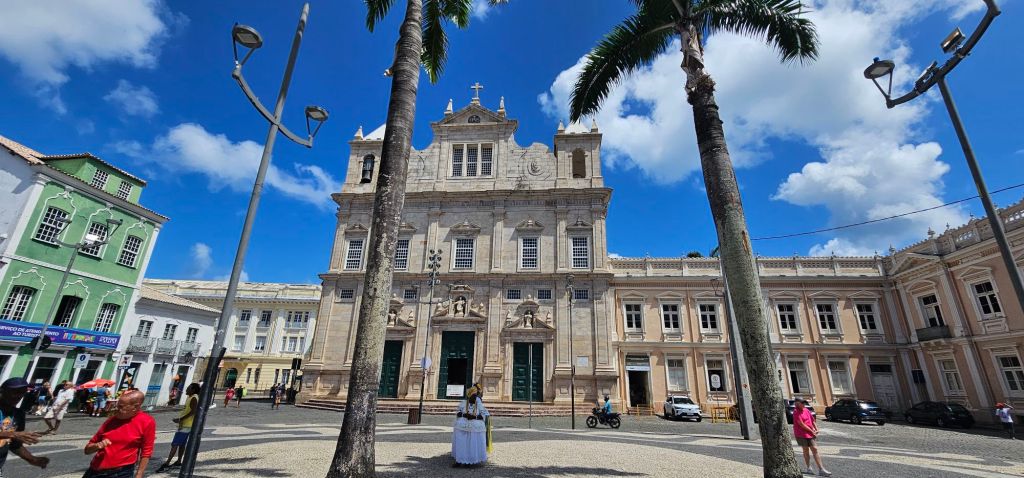
The Cathedral Basilica of Salvador was constructed in 1590. When the Dutch invaded Salvador in 1624, the church was stripped and used as a warehouse. It was reconstructed in 1654.
The Church of St Peter of the clergyman is an 18th century Roman Catholic Church. It was constructed in approximately 1709 and renovated in the 18th and 19th centuries.
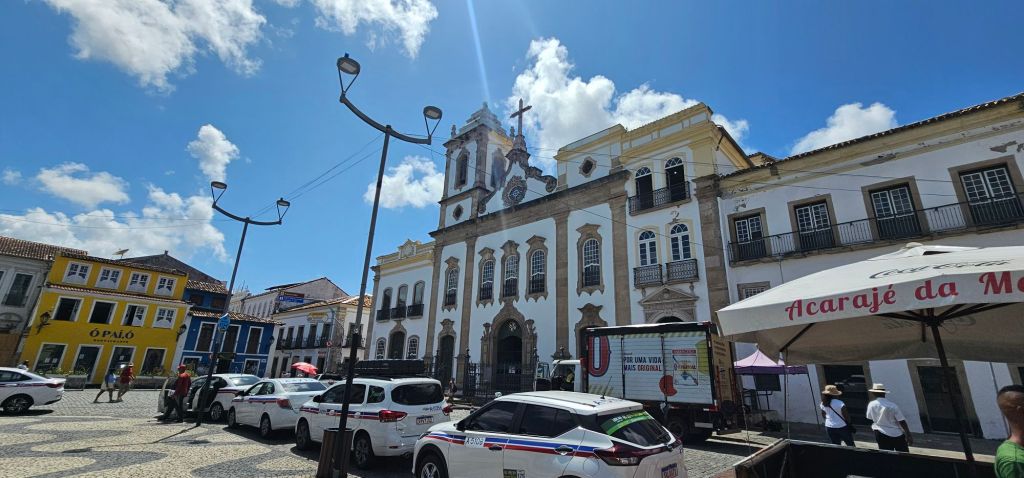
The Church and House of the Third Order of São Domingos is an 18th century Roman Catholic Church.
Walking down a side street that was filled with shops, we also passed the University for Medicine, which had a lovely yellow building. There were also several small museums and murals along the way.
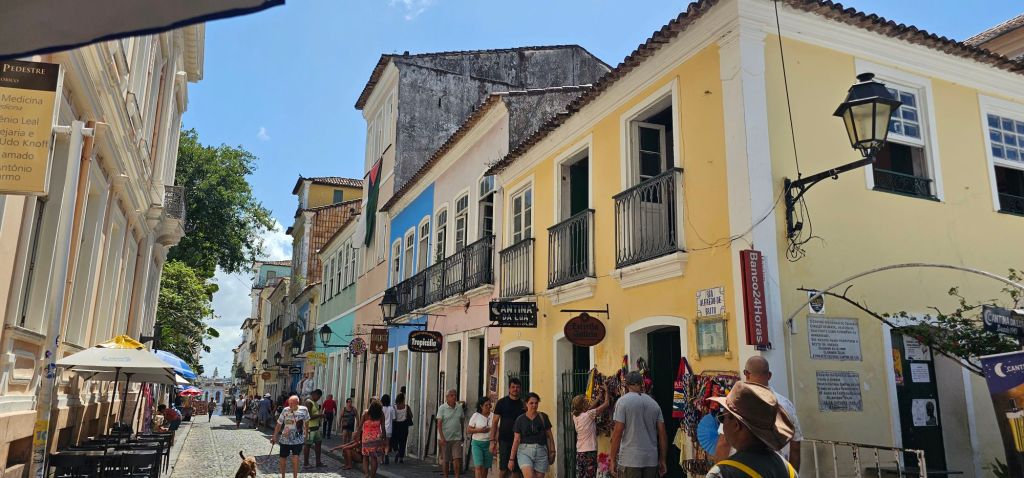

Three blocks down, we came to Pillary Street. This is the former slave market and has developed into a very fancy neighborhood and cultural center. There are several museums in this area, and colonial buildings line the streets. This street is also the location for the music video They Don’t Care About Us by Michael Jackson.
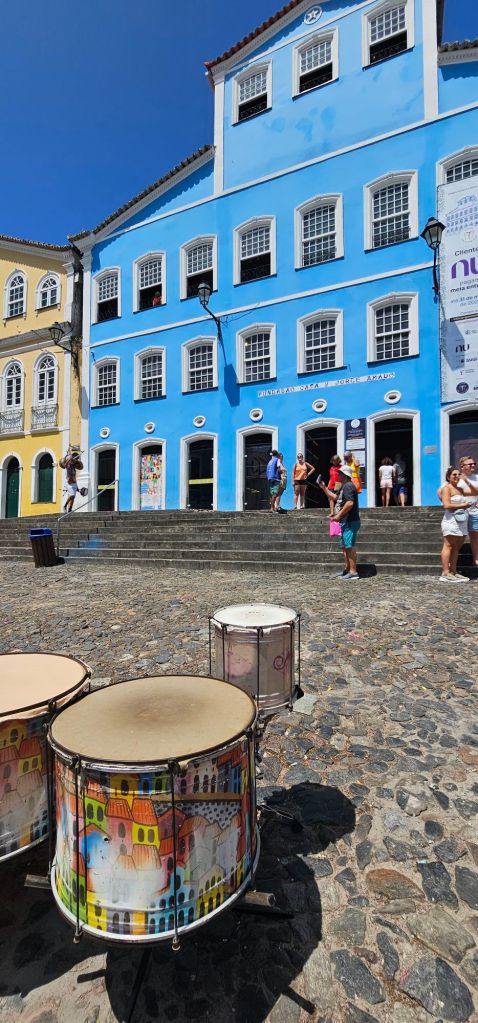
At the end of the street is the Church of Our Lady of the Rosary of the Black People. This is another Roman Catholic Church that began construction in 1709 and took 100 years to build.

Further in the distance, you can also see the Church of the 3rd Order of the Mount Carmel and the Convent, which is one of the largest and oldest of the order of Carmel. It was built in 1586. The convent is one of the largest in the world, with two cloisters and 80 cells. It became the first luxury historic hotel in the country.
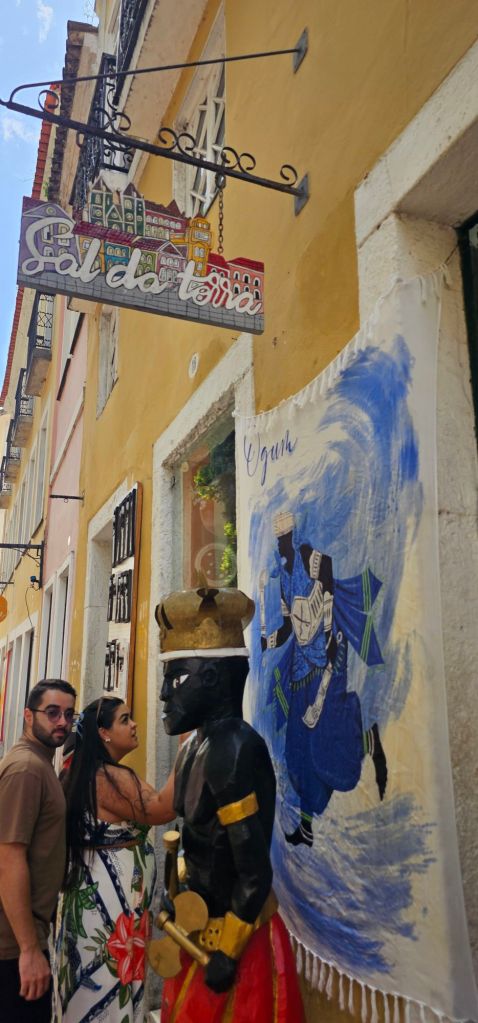
From there, we headed back up another street where we passed more art shops, restaurants, and murals.
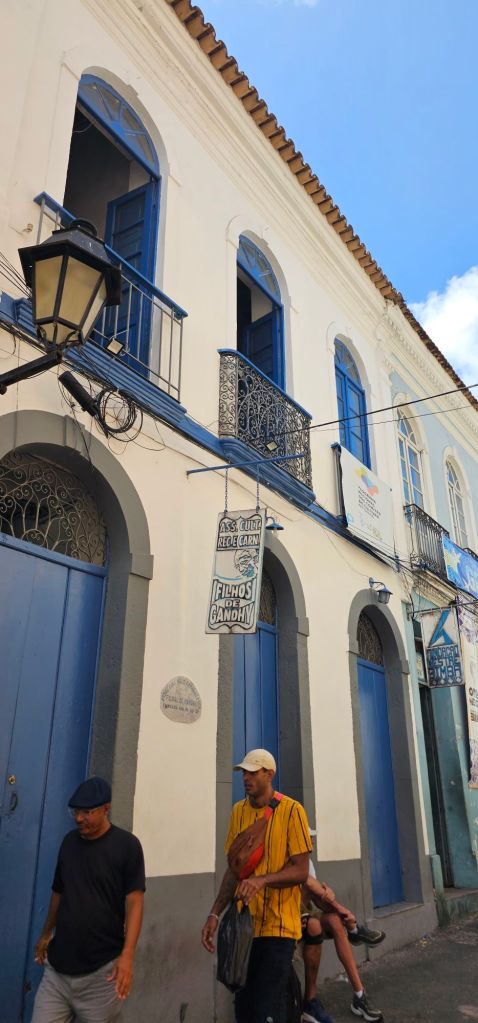
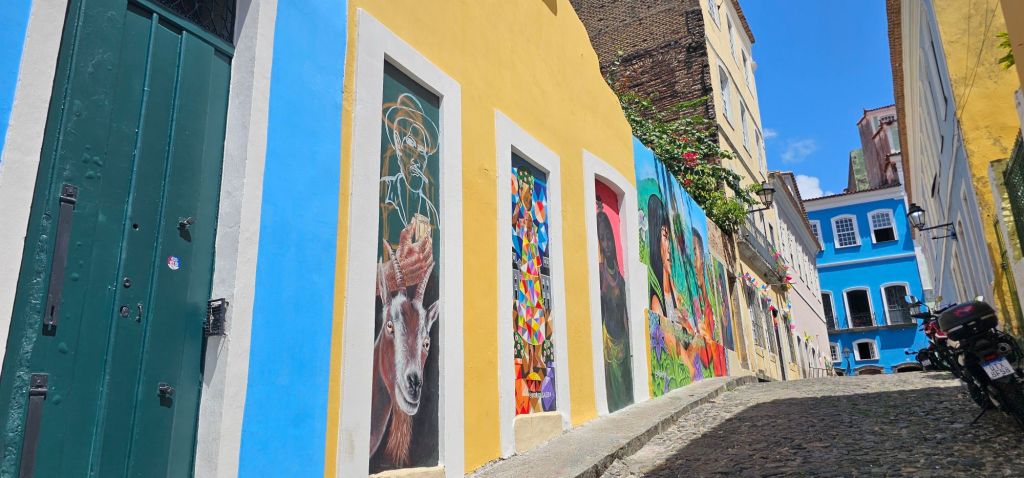
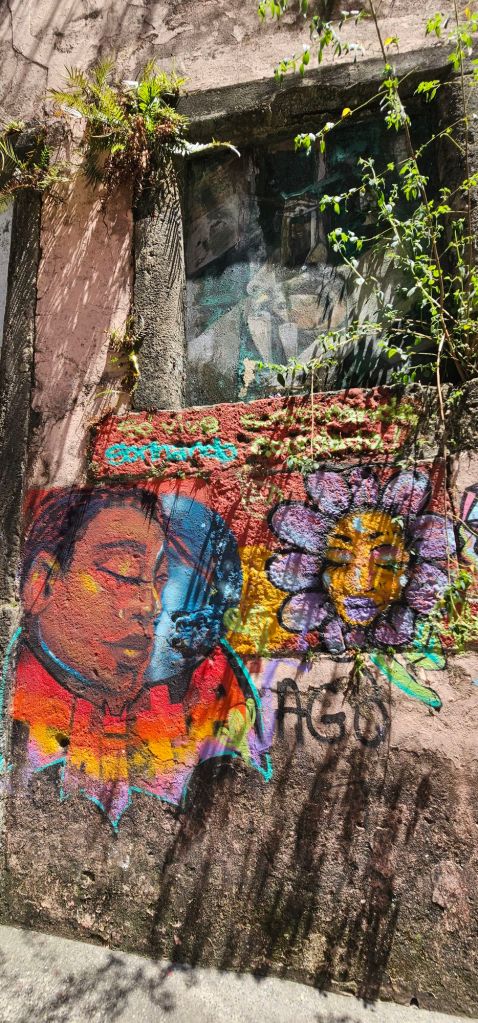
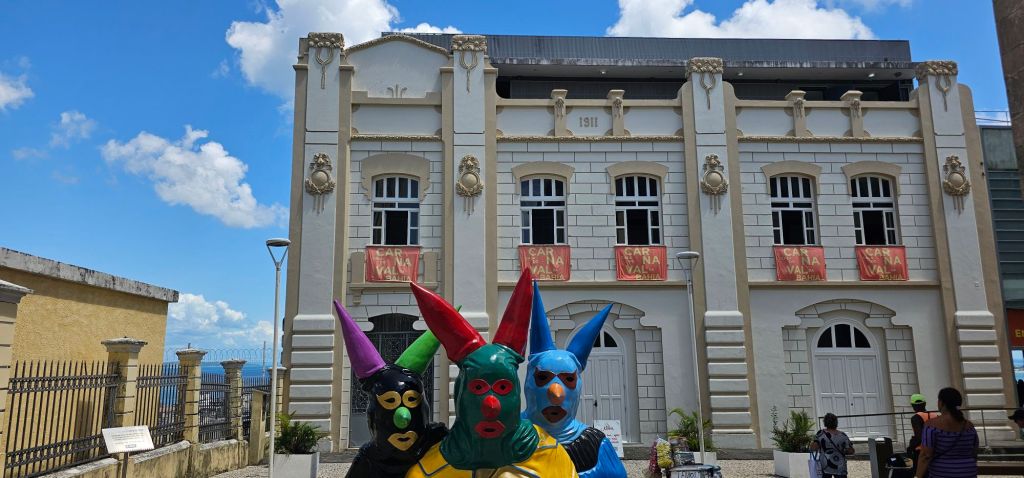
As we passed back across Jesus Square, we came to Casa de Carnival de Bahia and the funicular.
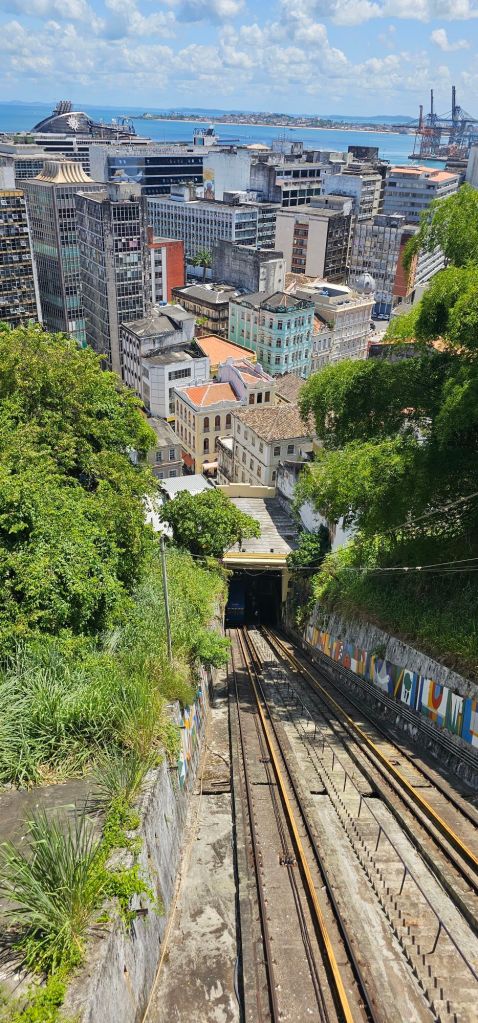
We went to the elevator, passing more museums, shops, musicians, and a lookout point. There was also a museum that used to be a church and hospital. It was constructed in 1549 as a hospital and also did all of the burials for the area.

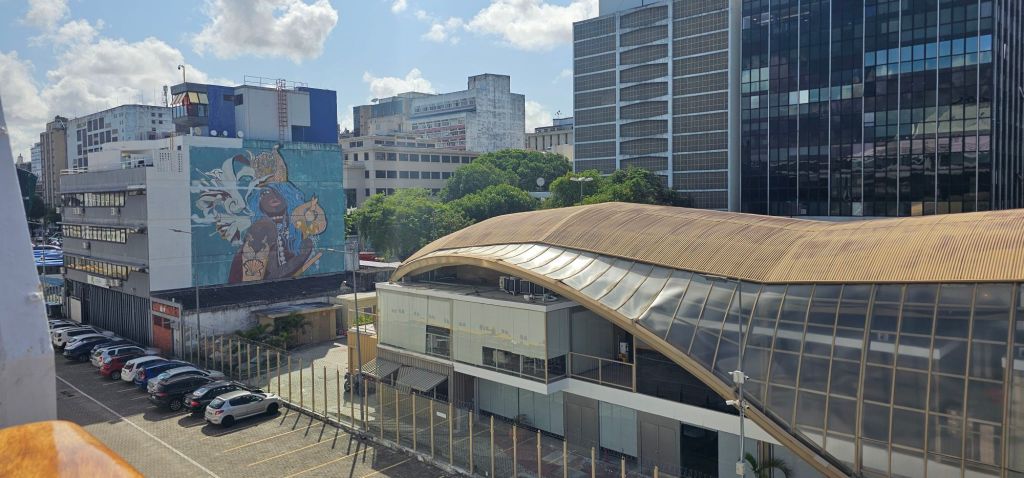
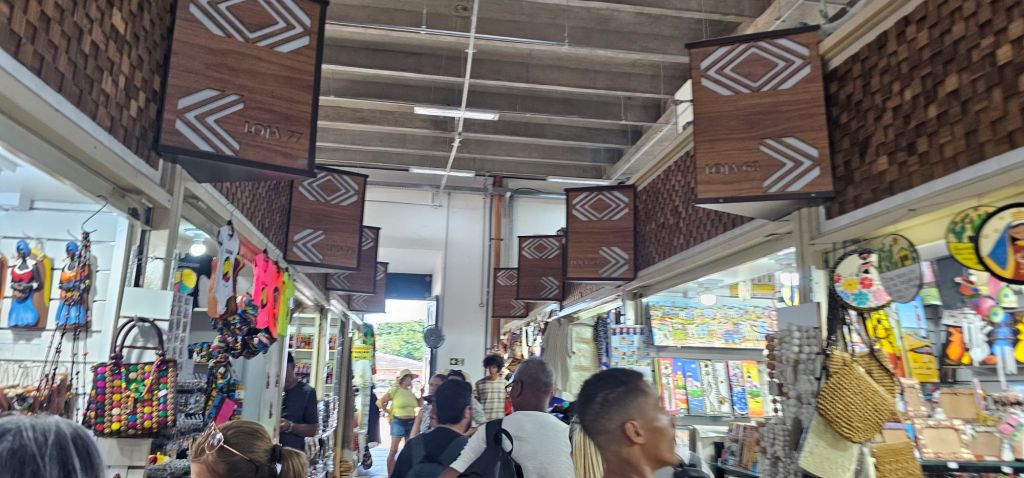
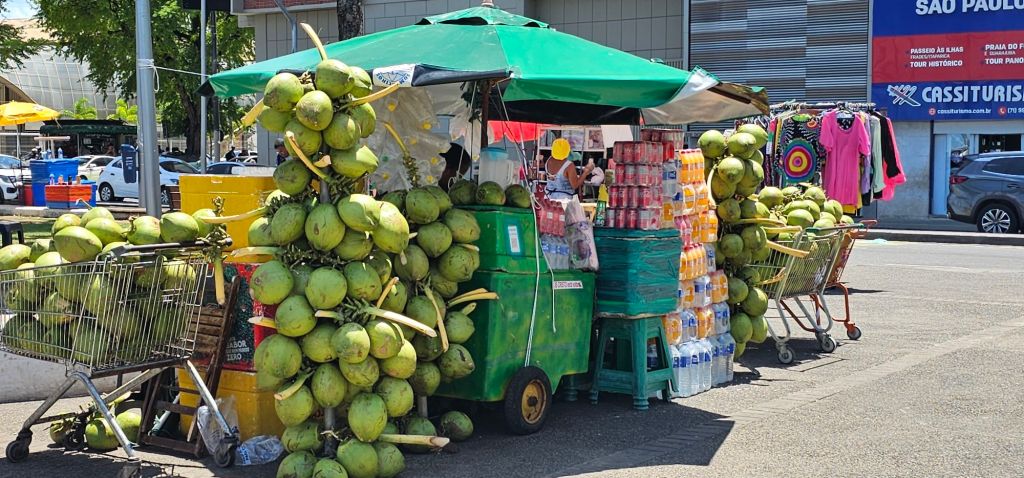
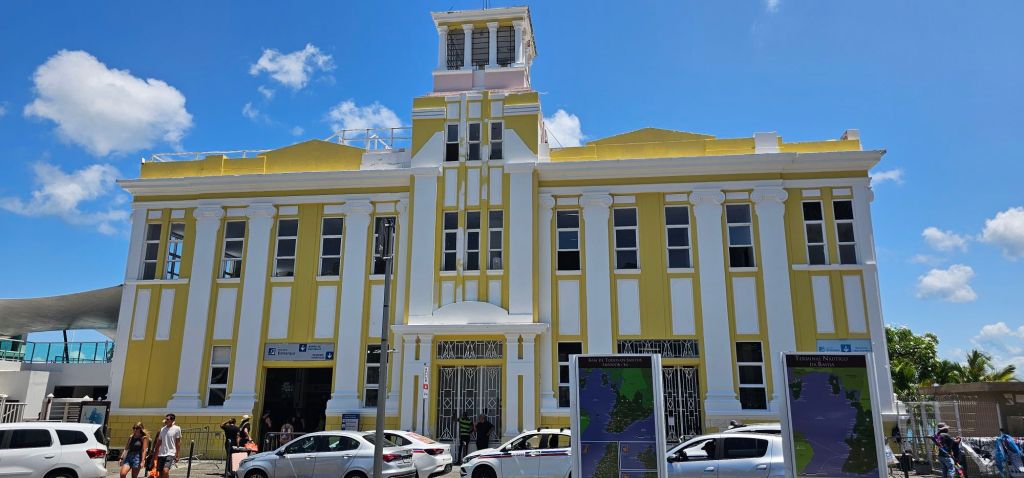
After leaving the elevator, we walked across the street towards the Modelo Market. This market is a handicraft market and has over 200 stores inside. Construction of the market was completed in 1911, and it opened as a crafts market for the first time in 1912.
Beach
If there is one other place that tourists go in Brazil it is the beach. When inquiring, I asked for the one that is best for swimming and was pointed towards this smaller and very crowded beach that locals bring their families to. I assured the information guide that at 9 am I was positive I would be well ahead of most Brazilian families.
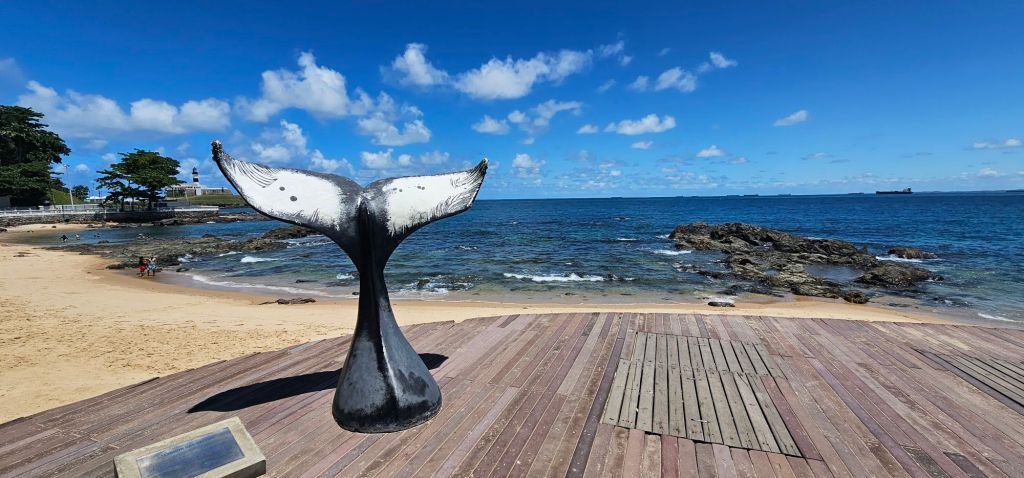
Porto da Barra Beach and Praia do Farol da Barra are the two beaches that are recommended. Porto is smaller and calmer, while Praia do Farol is longer but rougher. Both cost about 20 r for an Uber and take about 15 minutes to get to.
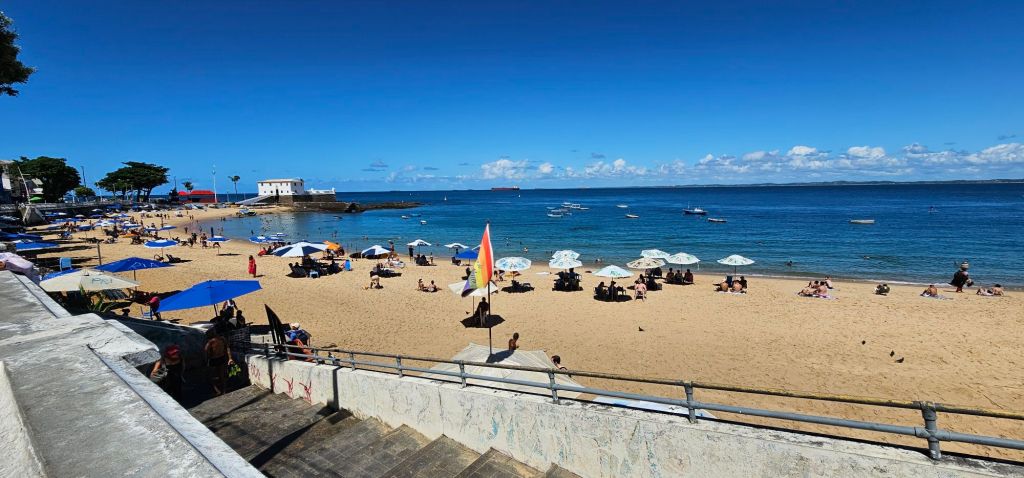
On the beach, Ellie, Calvin, and I rented a large umbrella and three chairs for the day for 120 r or $20. Throughout our visit there were several hawkers selling jewelry, sarongs, sunglasses, food, and drinks. There were many but they did go away once turned down.
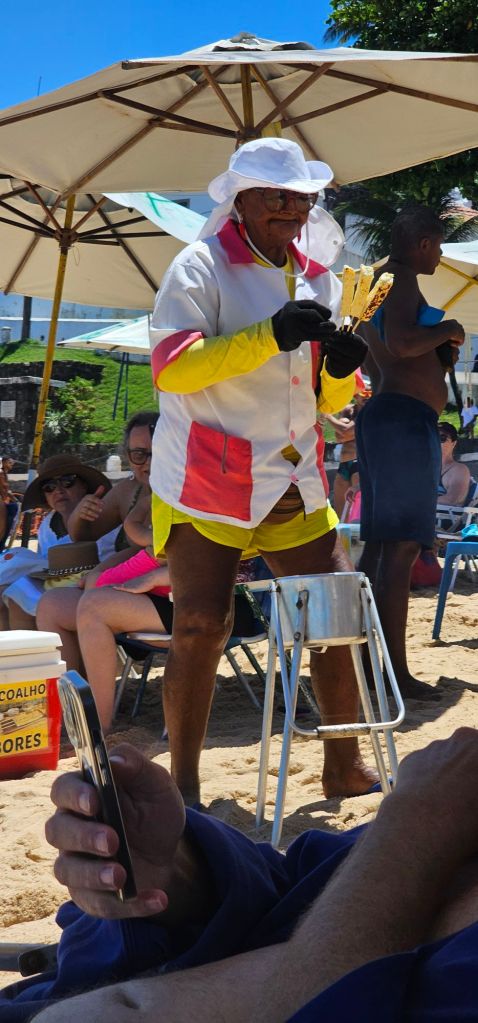
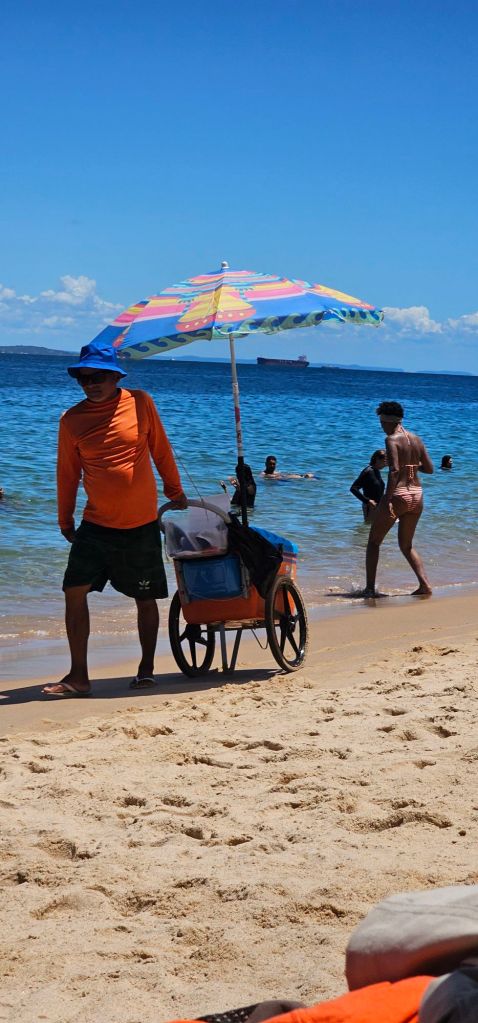

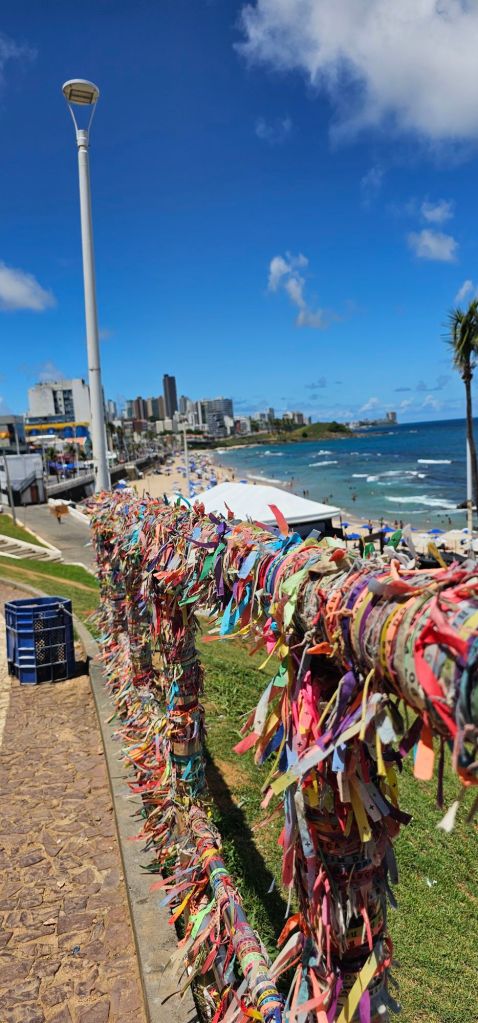
Now what I failed to mention, is that the two popular beaches are a 10 minute walk from each other. So, while we stayed at the one we did, walk to see the other ten minutes away.

After our trip to the museum, we headed back to the port. Salvador has a lot of one-way roads, with few turnarounds, which makes the trip seem longer than it needs to be, so we Ubered to the market to walk from there.
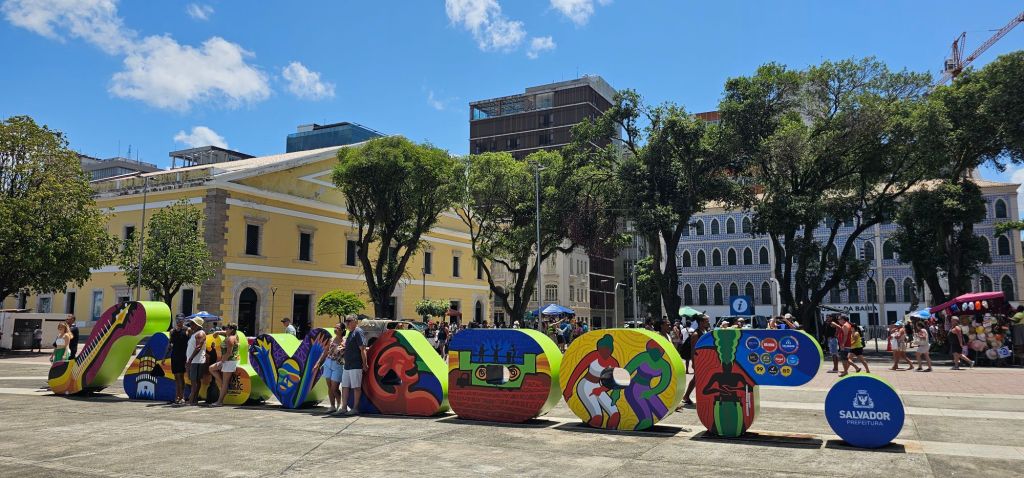
On the walk back, we walked through a square with the most intriguing statues.
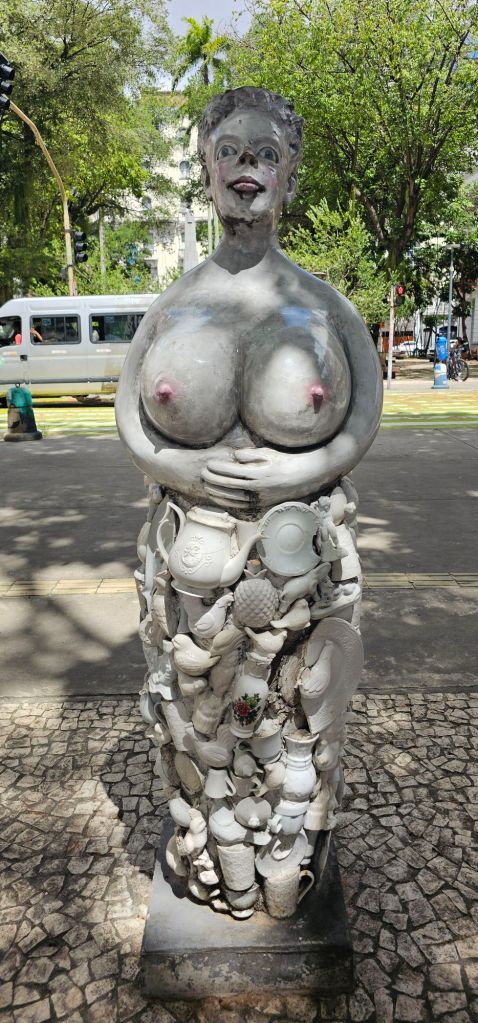
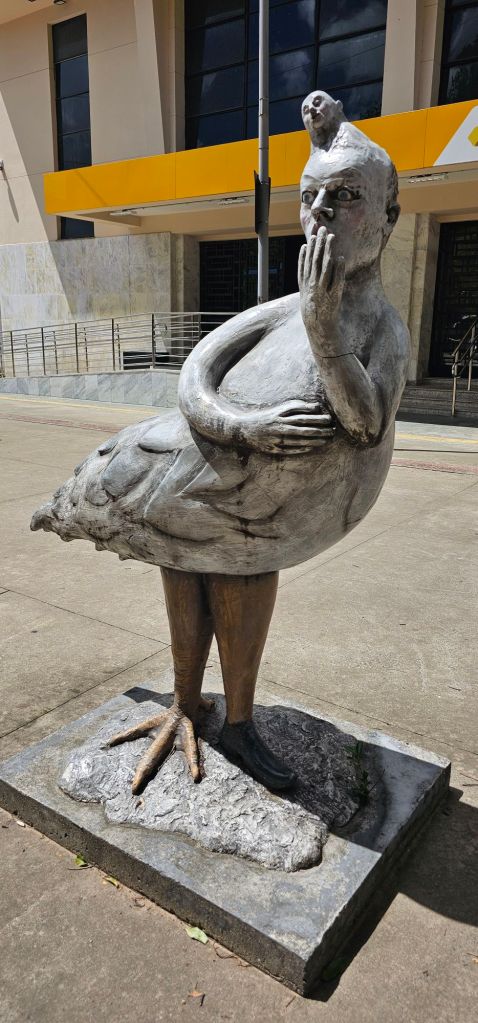
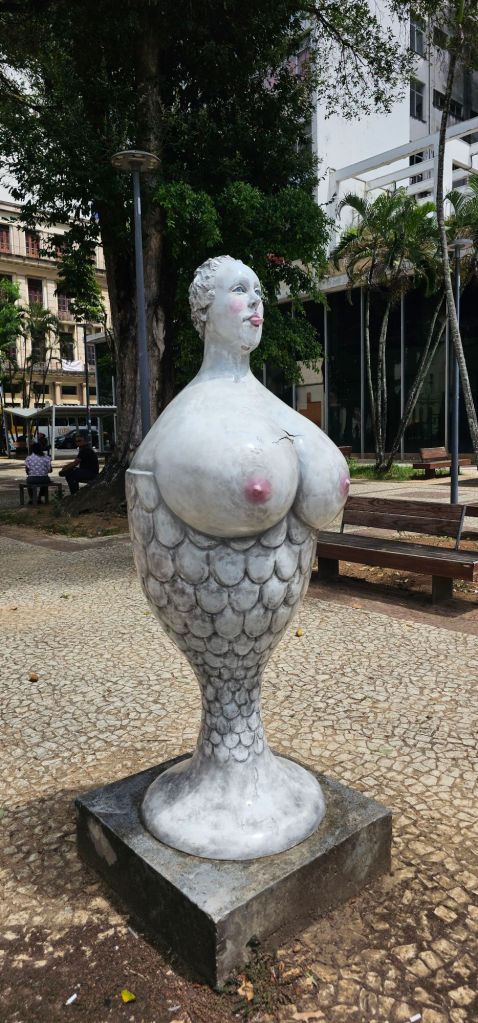
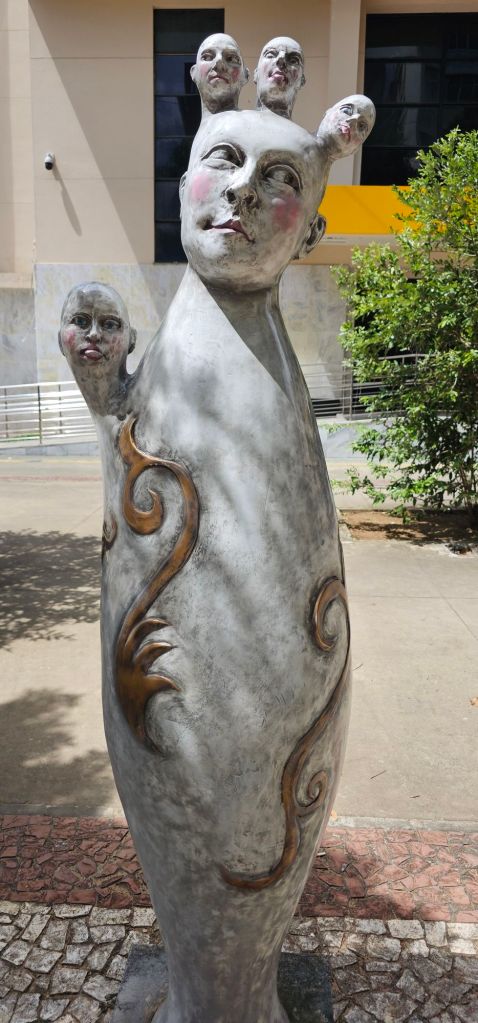

I really enjoyed Salvador, and while it has a bad reputation, I heard fewer stories of phone snatches or assaults while we were here from residents. Perhaps they were just better prepared after our stay in Rio, or because carnival is over there were fewer issues. I don’t know but it felt safer for us.
As always, though I travel with no jewelry, little cash, and I have my phone tethered to me with a cord. Does this make me foolproof, of course not, but the less easy it seems to get anything from me makes me less of a target than someone else who isn’t as careful. Bad for them, but good for me.
 Chasing Summer -
Leave a comment