March 4th to the 8th
Emergency Stop
It seems like, wait 10 minutes and everything changes on this boat, I guess I should call it a ship. We had originally planned to go to two different tender ports, Buzios and Cabo Frio, which were cancelled due to tendering issues, and to gain two sea days with an early arrival in Rio de Janeiro to give us 4 1/2 days there.
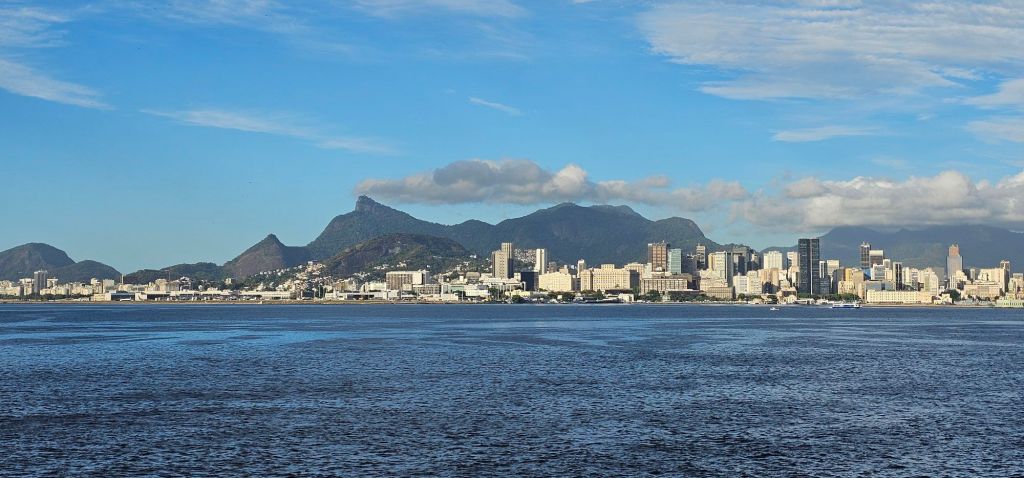
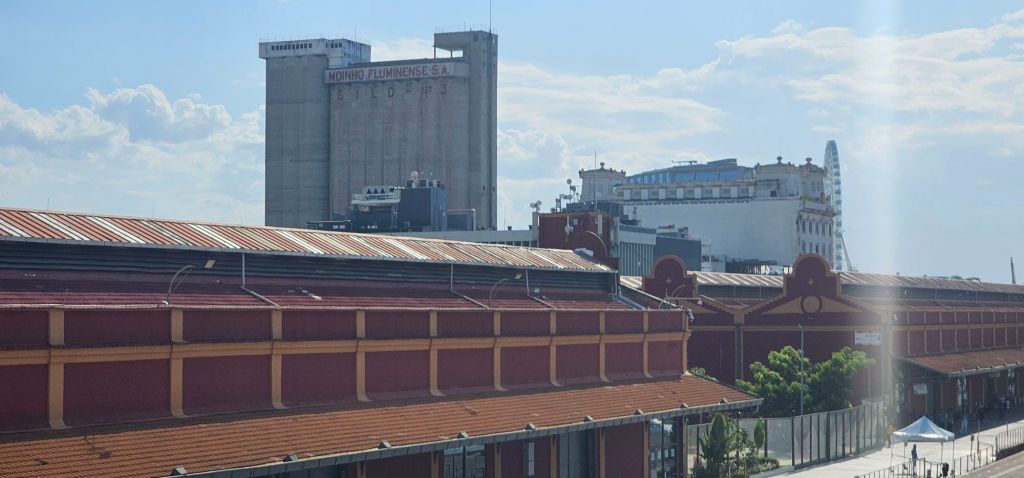
Unfortunately, one of our crew members was in an emergency at the end of the first sea day, and we needed to get them to shore for medical help quickly. The helicopters were not running according to the Coast Guard, so we needed to come into port as a whole ship even though there was no berth available for us. About 11:30 p.m. last night, we arrived near the port of Rio de Janeiro, and an emergency tender was sent from shore out to the boat to get the crew member who needed the medical attention.
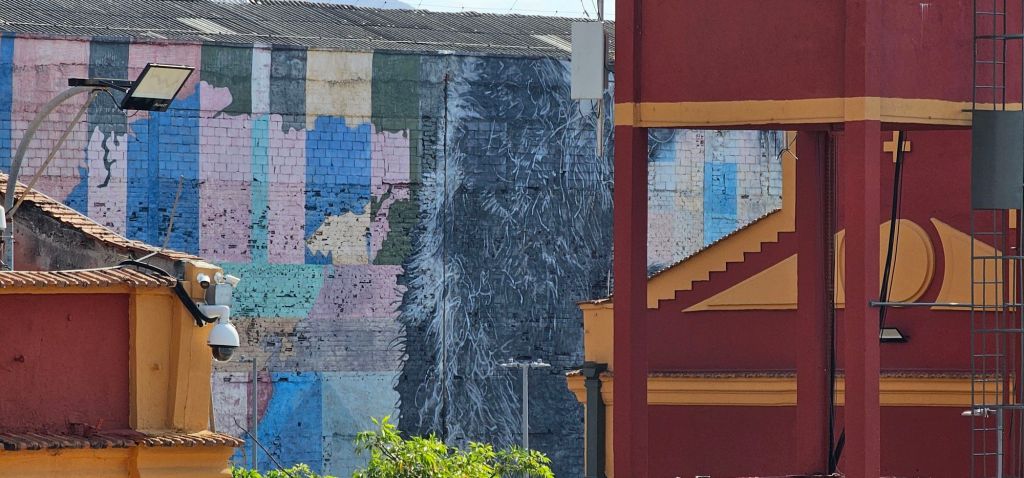
Luckily, their situation was stabilized rather quickly, but we were already at port, so rather than going back out, we just anchored overnight. In the day, we just waited for a berth spot to open up so that we could get cleared and go into town. We’re having another extra day here in Rio de Janeiro for a total of 5 days.
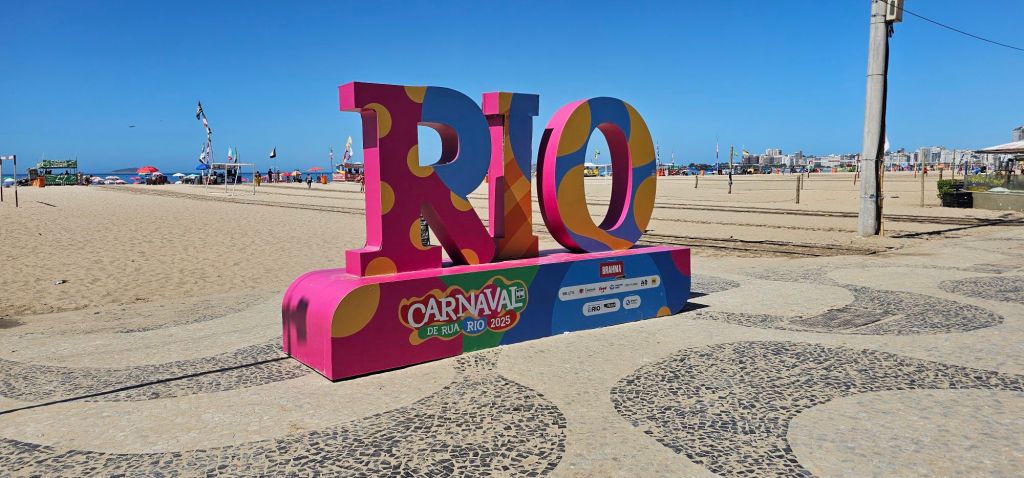
There is more for residents to do here than some of the ports that we’ve spent days at, and it is the end of carnival, so there is even more to do. We arrived on Shrove Tuesday or Fat Tuesday, which is the end of the Carnival events and passengers were hoping to get off and go find some block parties before the final event of the Champion’s parade on Saturday night.
Beaches
So, I started this section a couple of times trying to decide on how to organize the sections. I decided to go by categories or activities here in Rio rather than days.
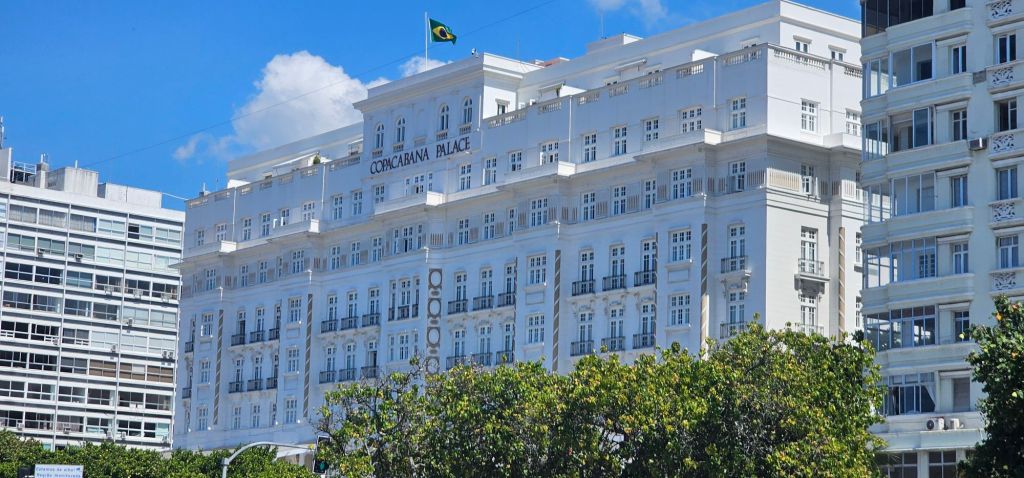
Our first full day was Fat Tuesday, which is also the last real day of Carnival. In the morning, Paul and I headed out to Copacabana and Ipanema Beaches. Steve, Angela, and Scott booked hotels in that region for the next two days.
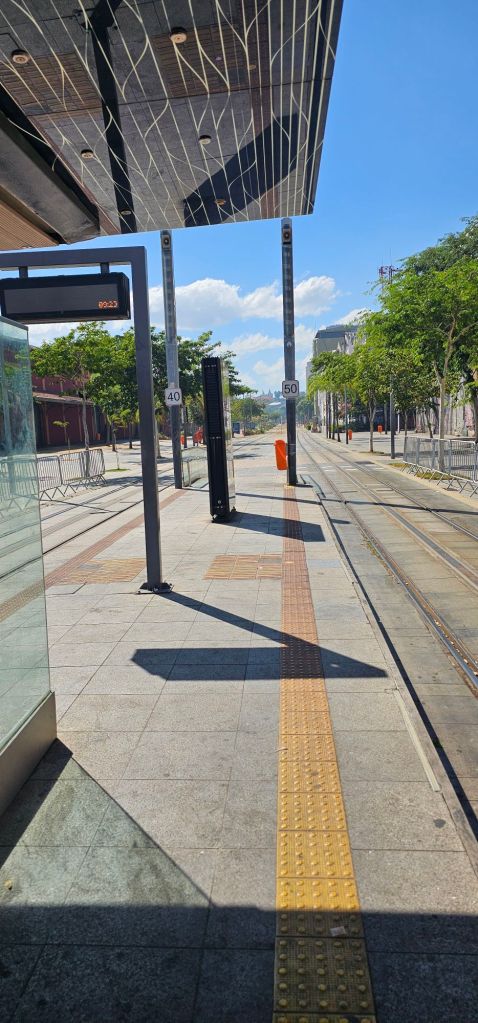
At first, we tried to get train tickets. The machine was happy to take our credit card information and issue a receipt, but no card ever emerged. Luckily, it wasn’t that much money. Instead, we decided to catch an Uber for the 30-minute drive. The Uber costed about 50 real, which is about $9.
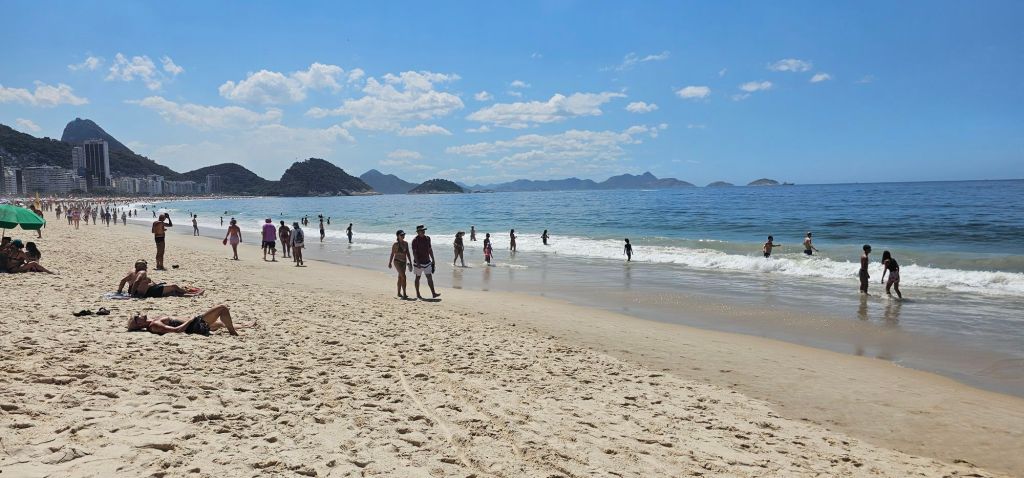
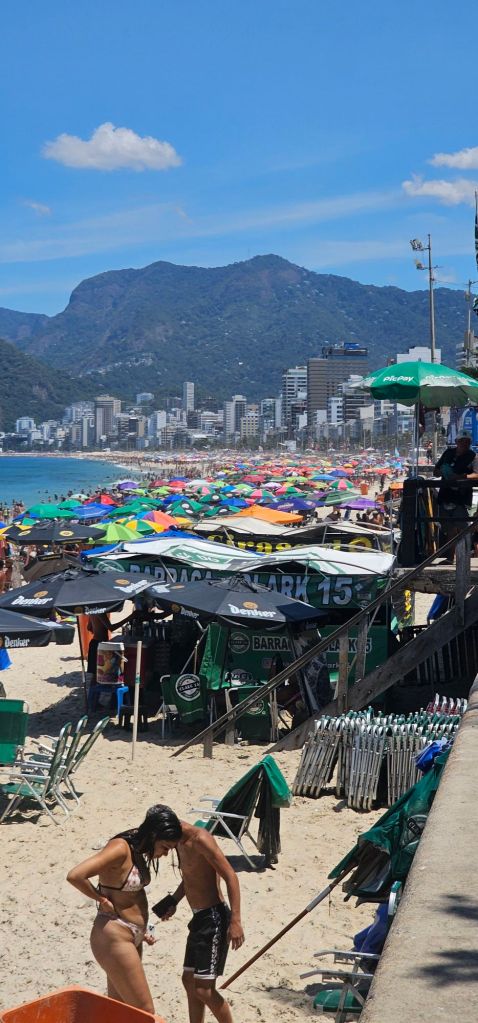
Once there, we decided to start on one end and walk along the boardwalk towards the other end. Along this beach, there are restaurants, vendors, lots of bars on carts, and multiple places with chairs and umbrellas.


The boardwalk and beach area was crowded with families and tourists enjoying the sunshine. About halfway down, Paul and I decided to stick our feet in the water. The beach businesses are smart and have soaker hoses running from the sidewalk to the chair areas so that people will walk without burning their feet right to their chairs and umbrellas.
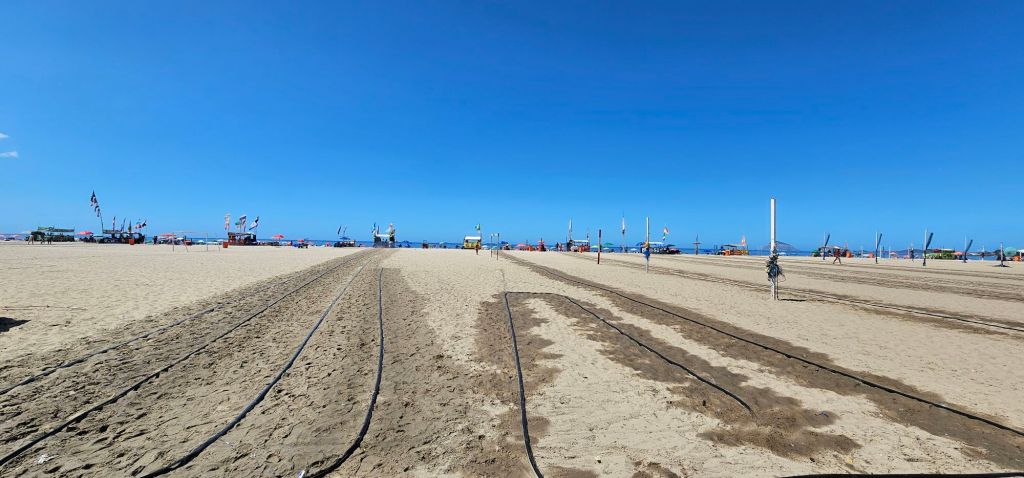
The water was cold, refreshingly cold. After cooling off in the water for a few minutes, we continued down the beach along the water line. Once we reached the end of the beach, we got a refreshing coconut to drink. It cost 10 real or about $2.

From here, we walked across the point for about 10 minutes in order to reach the next beach, Ipanema beach. Paul kept looking for signs or letters of the beaches’ names, but they don’t exist.
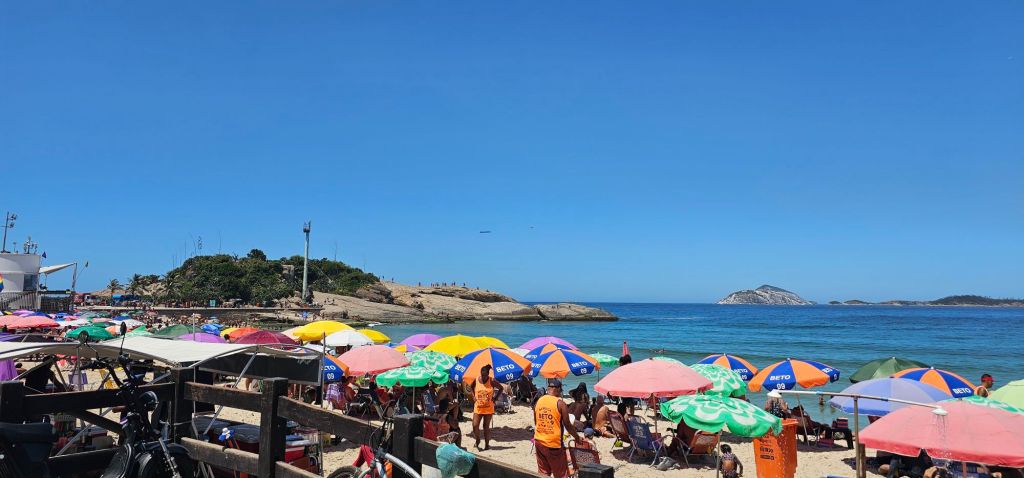
This beach was narrower, so it seemed more crowded. We never went to the water line, so I’m not sure how the water was. At Copacabana, it was a little rough.
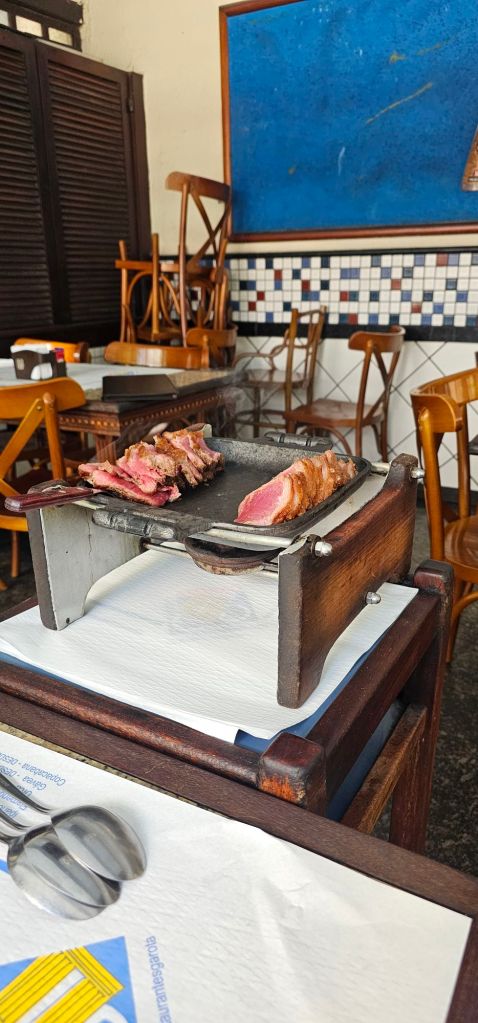
We had walked for about three hours, so we decided to find a place for lunch. Walking inland for a couple blocks, we came across a great-smelling restaurant and ordered the very tender beef to barbecue. It was delicious.
Bloco Parties
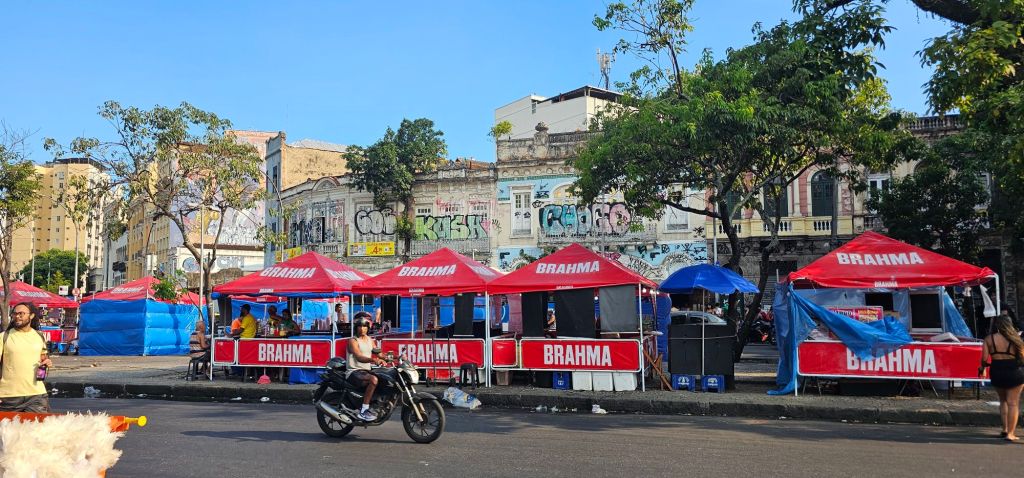
During Carnival, dozens of smaller parties are happening all over the city. Each neighborhood hosts several parties throughout the Carnival Week for the residents to have fun. Because we had come on Fat Tuesday, we attended some block parties on Tuesday afternoon and again Wednesday.
These parties are crazy. Often, there is live music, and revelers are dancing and drinking all over the place. There are tons of vendors selling booze and even some selling some stronger drugs.
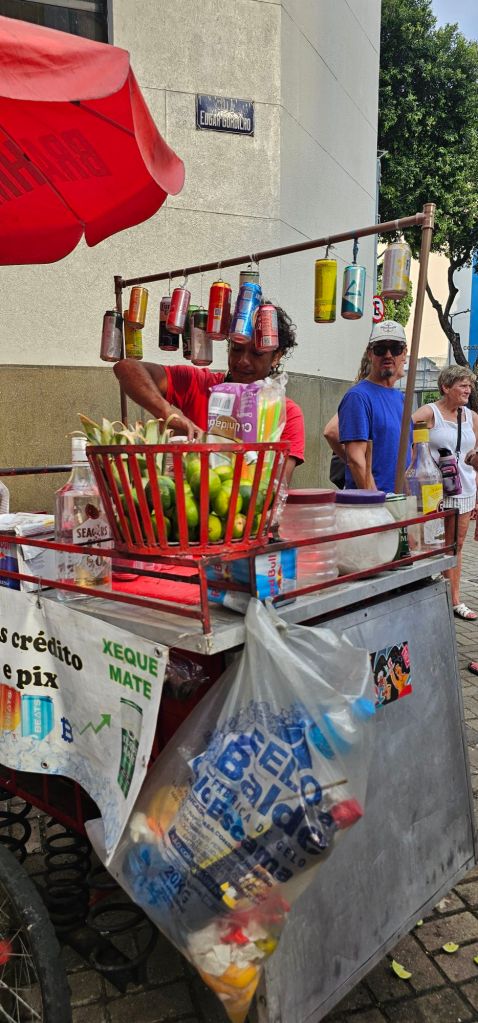
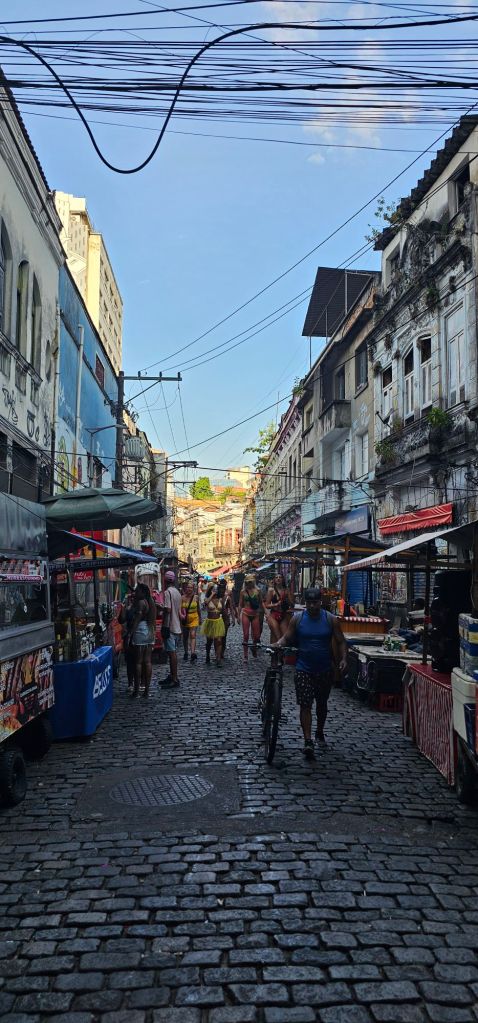
Most attendees are in costume. Most of the costumes are very scanty and sparkly. Both men and women have makeup skirts, mesh hoses, no shirts, and other paraphernalia.

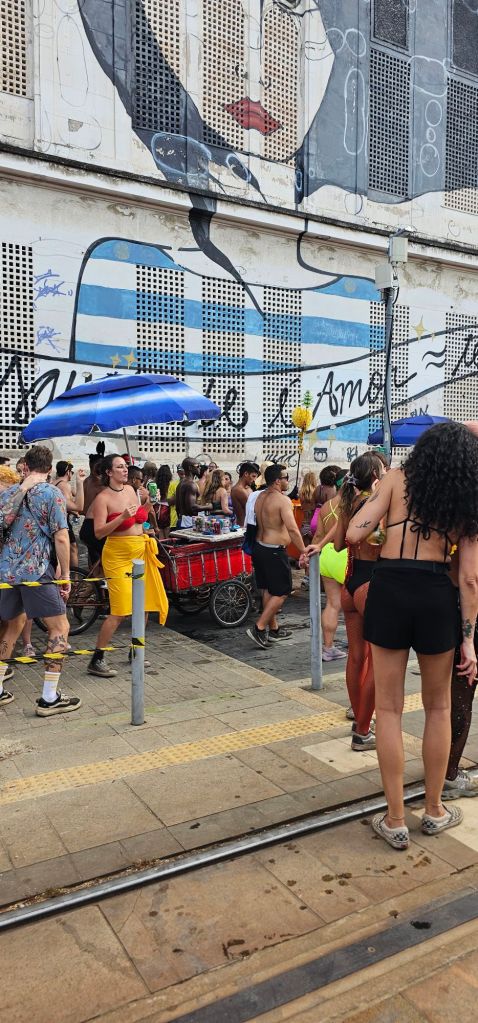
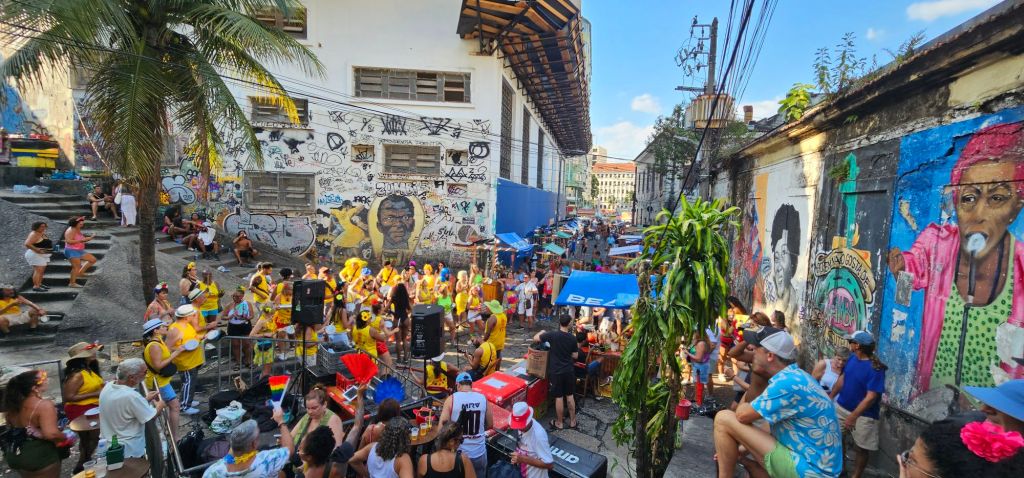
I thought at first that we were joining the party too late, and everyone else was well lubricated. It seemed like a big frat party, and if you weren’t drinking, you weren’t going to have a good time. My biggest memory of the entire event was the smell of pee. If you have that many people drinking and there are no public washrooms around, they will pee everywhere, and they do.
Several residents were concerned about going off the ship and into the parties. Rio de Janeiro does not have a good reputation for tourism. Several people had items stolen, including cell phones right out of their hands, and two people were assaulted. Luckily, no one in my group or I experienced any of this.
On Wednesday, I decided to go at the beginning of the party, hoping that being there for the setup would be less chaotic. When we walked into the first party at 2:30 p.m., it was mostly a concrete jungle, so it was hot and people were just arriving. The live music hadn’t started yet, so we looked around and then left.
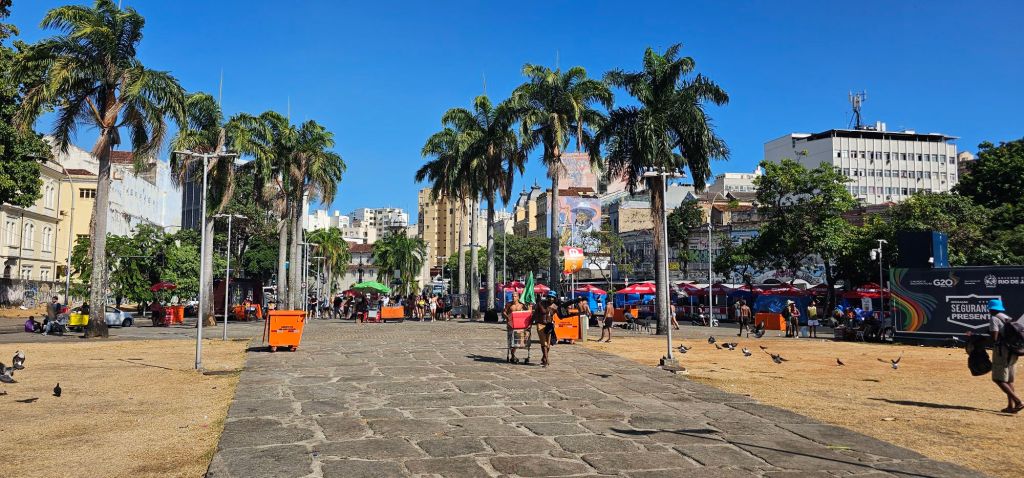
There was a second bloco party just 7 minutes away, so we decided to walk towards that one. It had more green space and was cooler, and had a better vibe.
Sightseeing
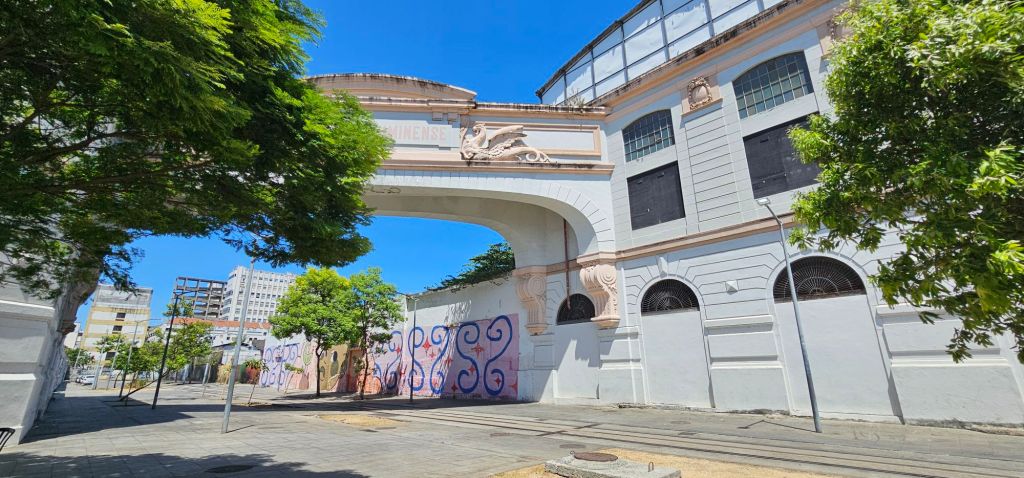


Getting to the parties and walking around the party streets, I was able to see quite a few buildings and neighborhoods. While I never had any problems with thieves, I was warned by a local about keeping my cell phone in my pocket or purse and not out.

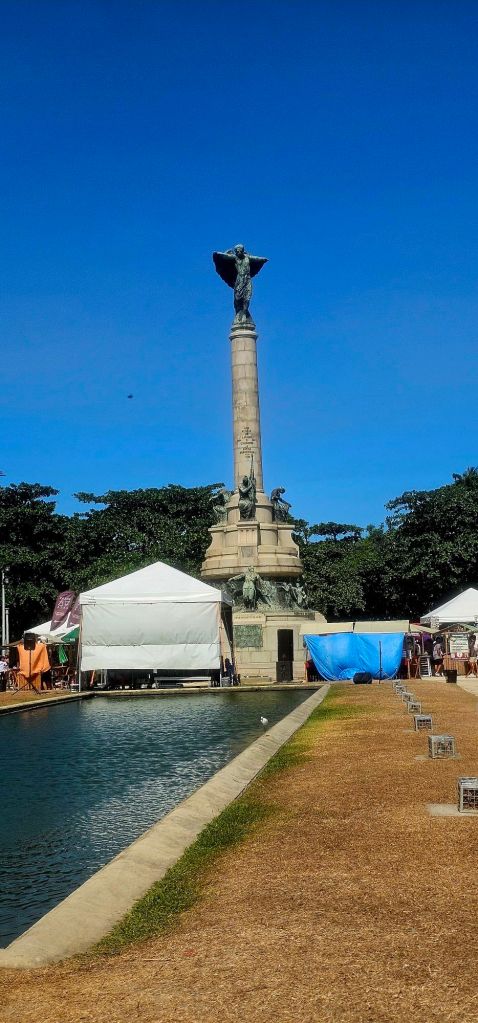
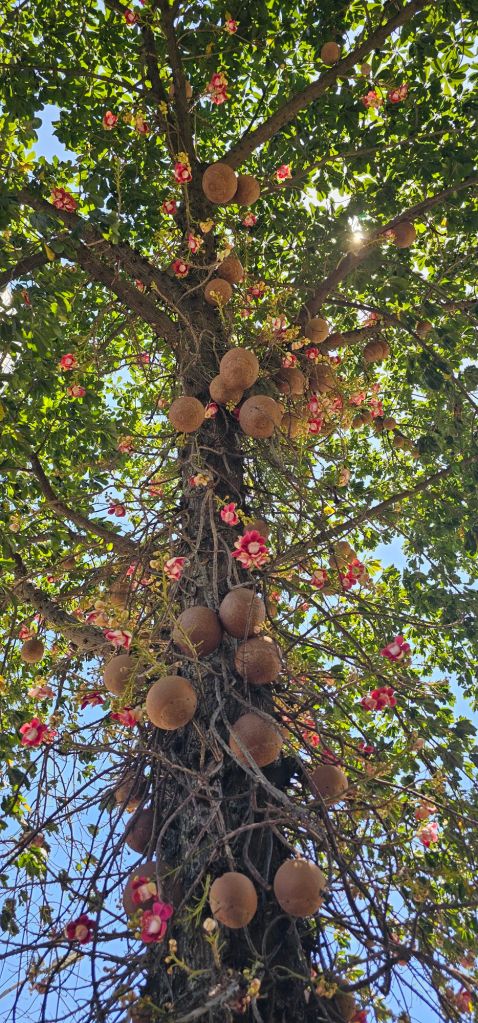
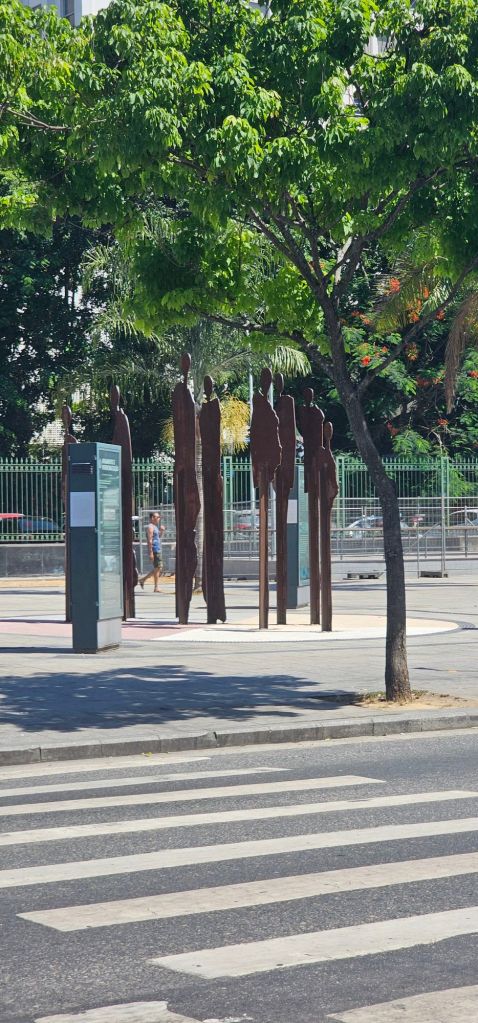
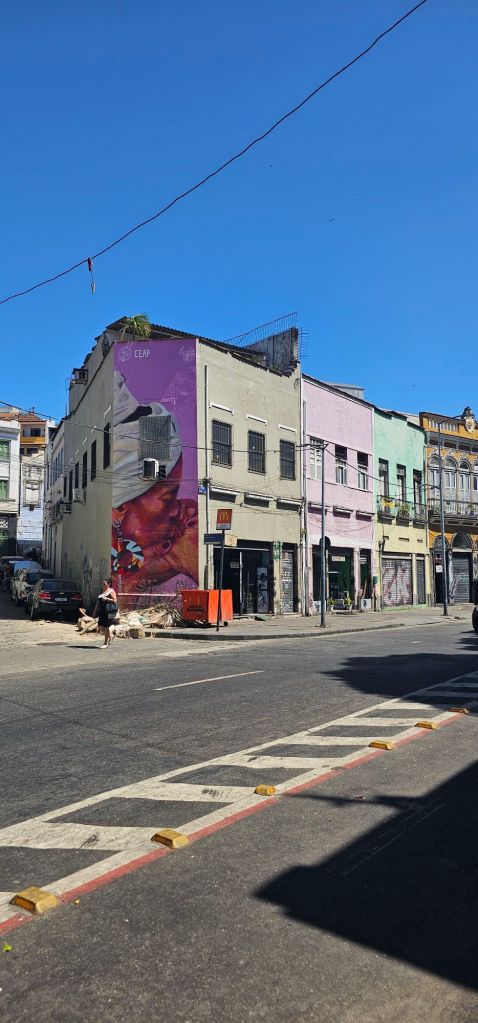

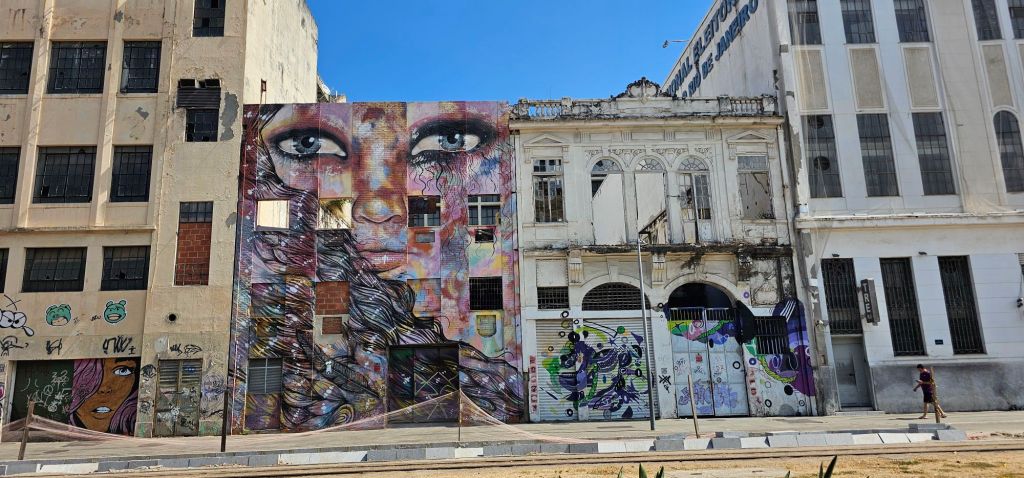
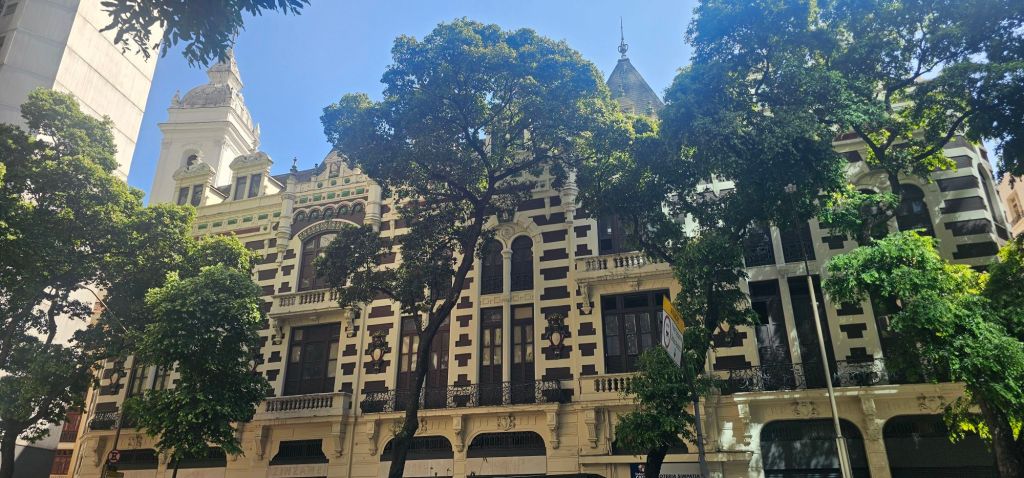
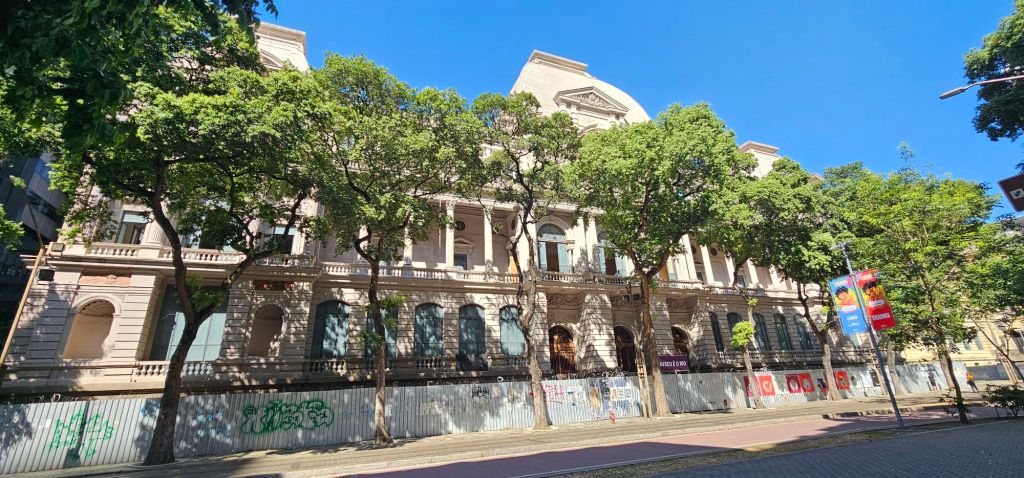
It’s unfortunate to see so many great buildings either covered in graffiti or blocked off because they are abandoned. I think Rio has lots of potential, but a terrible reputation and attitude make it less desirable.
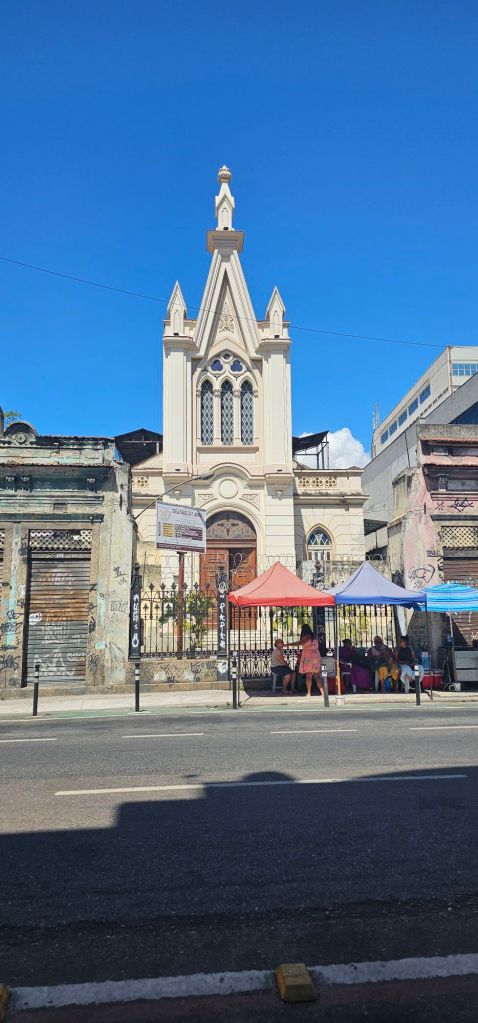

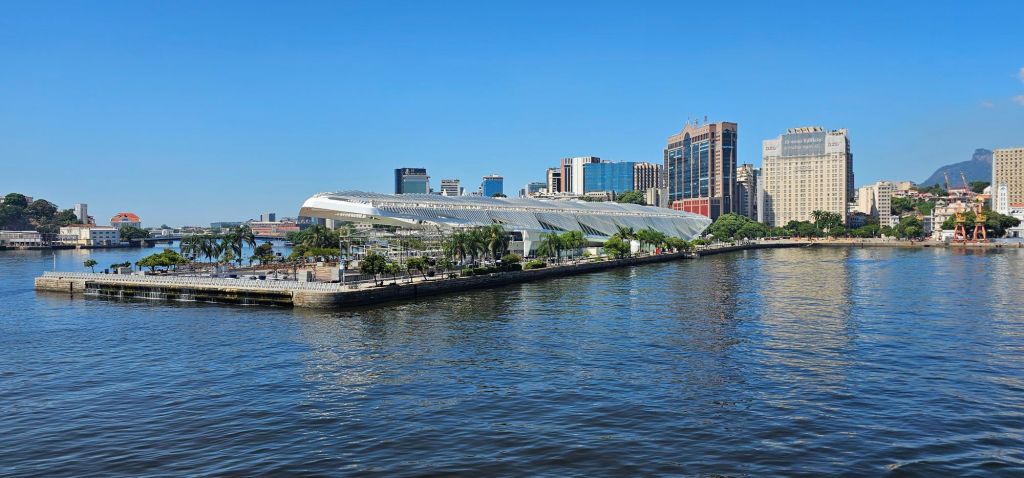
One of the interesting buildings that I saw was the Museum of Tomorrow. This is a science museum known for its unique architecture. It opened in 2015. Inside the museum, there are five key theme areas: Cosmos, Earth, Tomorrow, us, and Anthropocene.

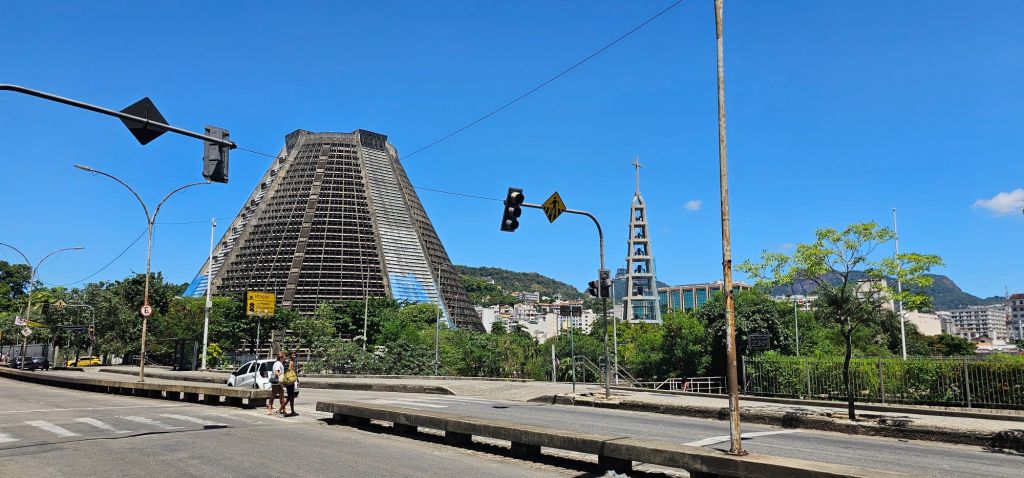
There is both an old cathedral and a metropolitan cathedral. The Metropolitan Sayo Sebastiano looks like a Mayan Temple. It was inspired by the Mayan Pyramids, but it is the headquarters for the Roman Catholic Archdiocese in Rio de Janeiro. It was constructed between 1964 and 1979.
The old cathedral was the Church of Our Lady of Mount Carmel of the ancient sea, and it was built in the 18th century and declared Rio’s Cathedral in the early 19th century.
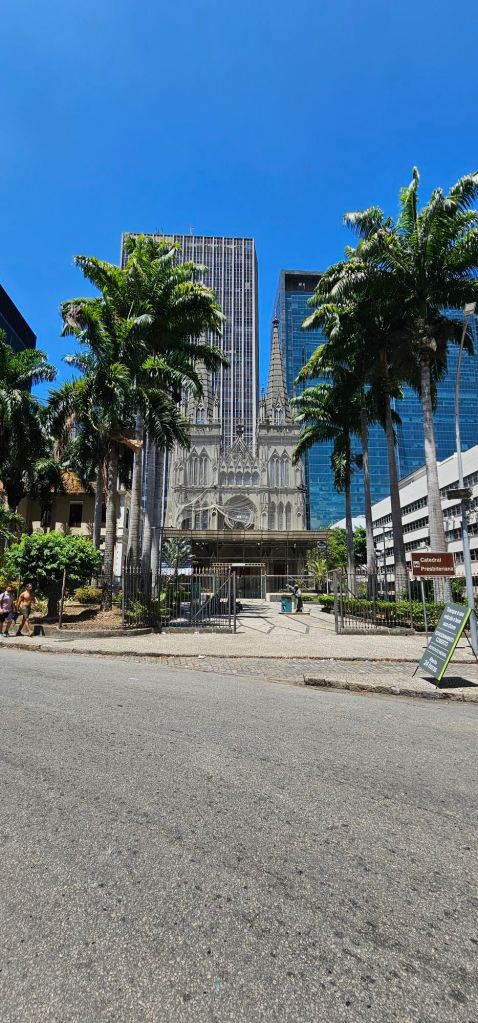
There are several other churches, temples, and other religious buildings scattered around Rio.
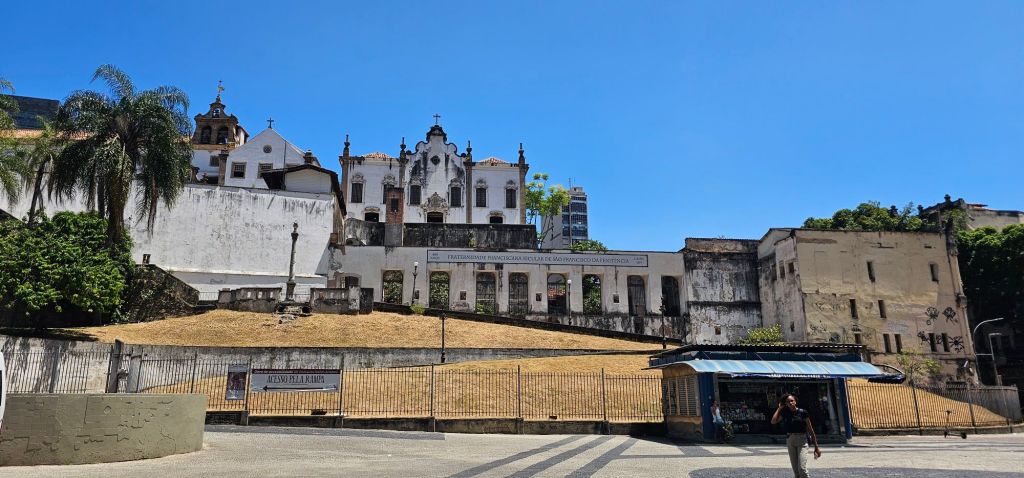

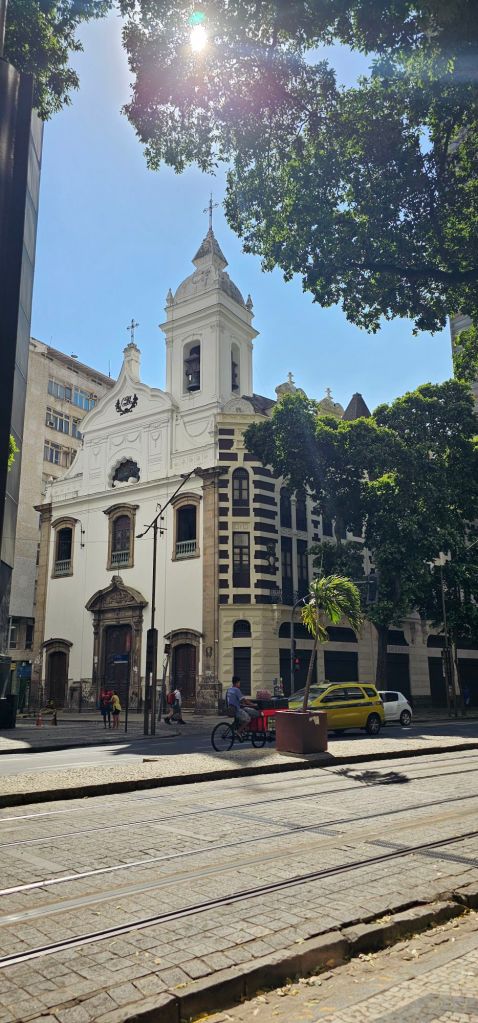
In Cinelandia Square, there are several impressive buildings surrounding it. One is the Camara Municipal or the Palacio Pedro Ernesto, it was completed in 1923. It is used by the City Council.
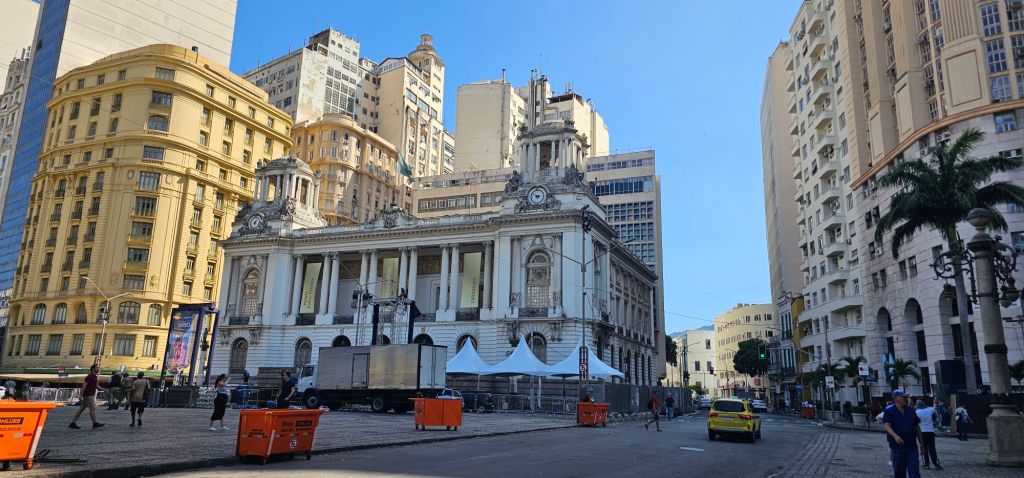
Dominating the top of the square is the municipal theatre which was inaugurated in 1909. It is both an opera house and a theatre and its productions are usually classical music in ballet performances.
Across from the Palacio Pedro Ernesto is the National Library. The library has over 900 million titles and is the 7th most extensive library collection in the world. It was completed in 1910.
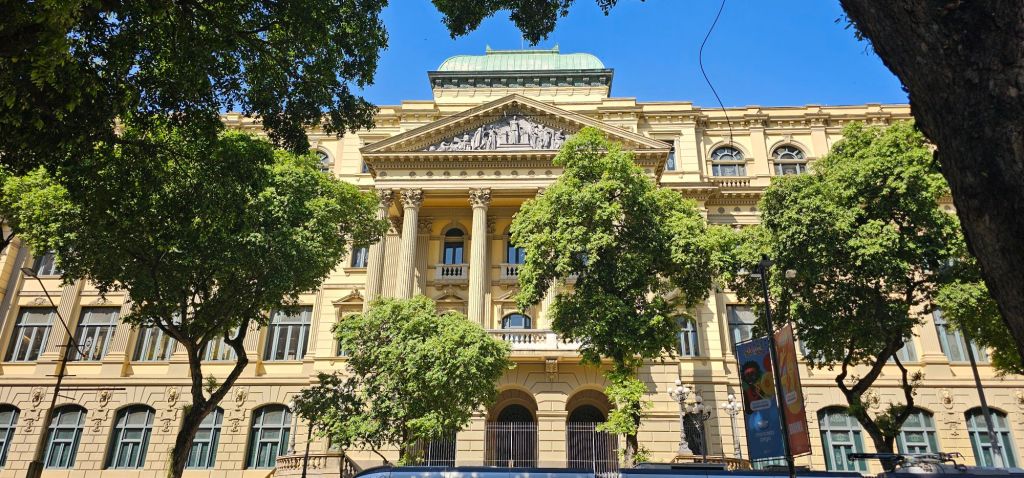

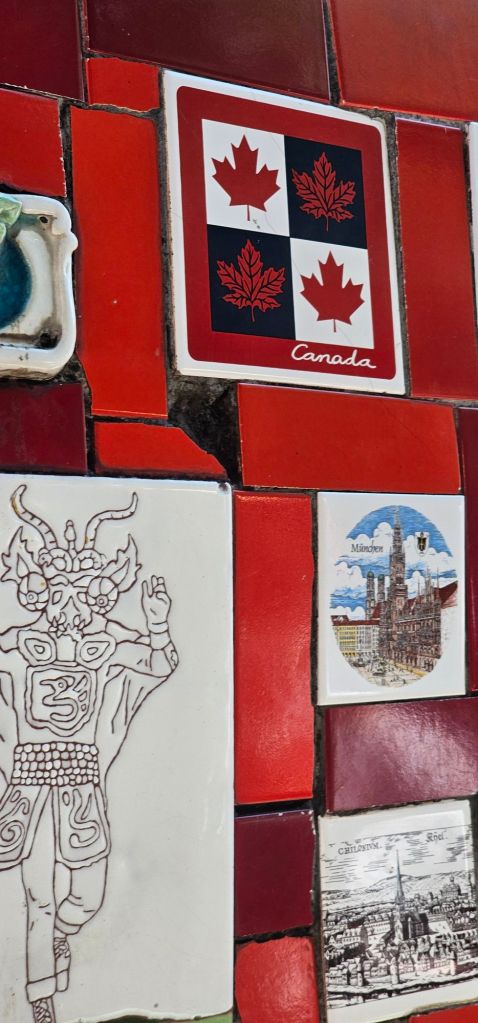
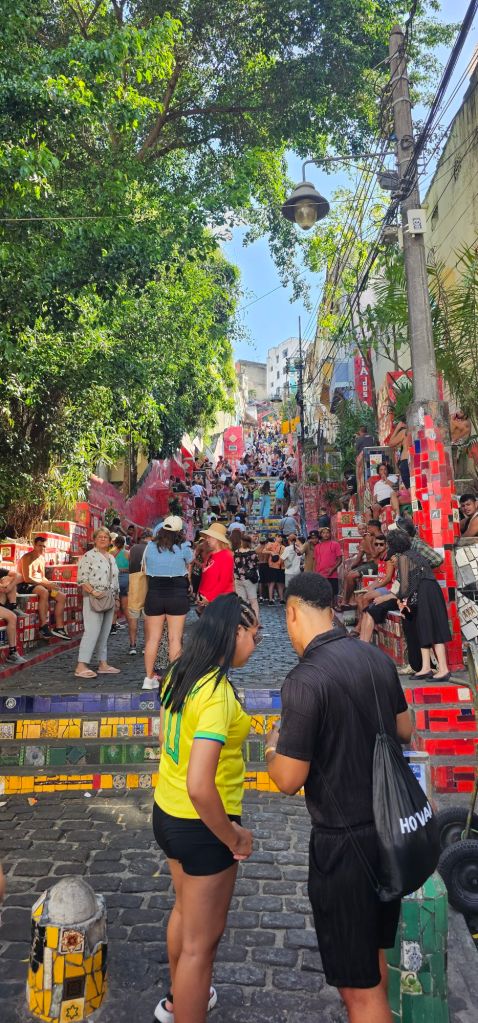
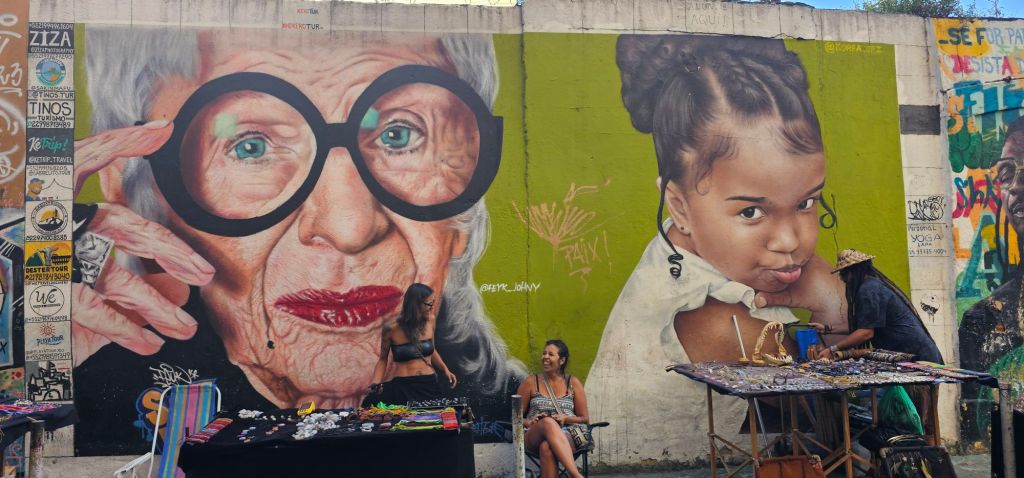
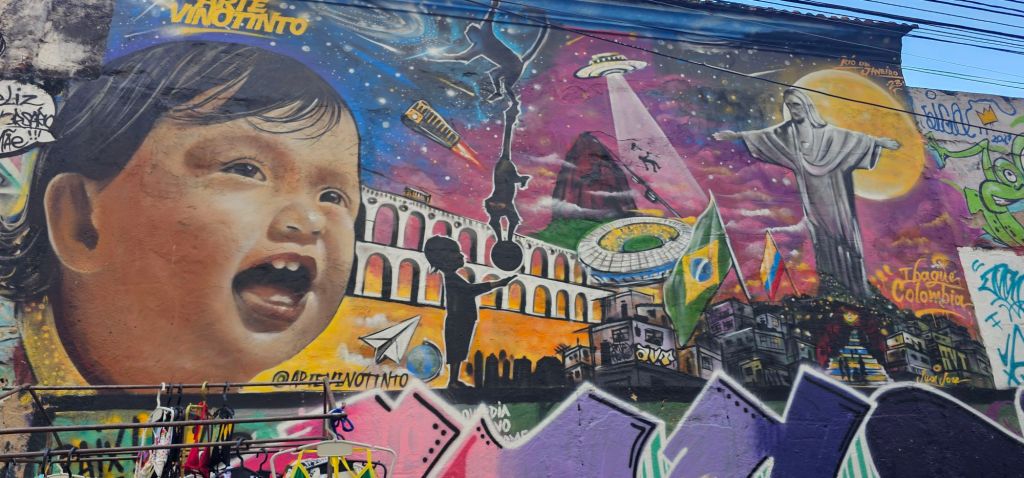
It’s not a building, but another interesting tourist site is Escadaria Seleron. This is a set of steps in total 215 joining Zoquim Silva St and Pinto Martinez St. The set of steps was created by Jorge Seleron, an artist originally from Chile, who calls it a tribute to the Brazilian people. They are ornately decorated and very visited.

The Real Gabinete Portugues de Leitura is an amazing library.

Along our walk we also stumbled upon Mercado Popular Uruguaiana, a popular market with streets of outdoor vendors and shops at great prices.

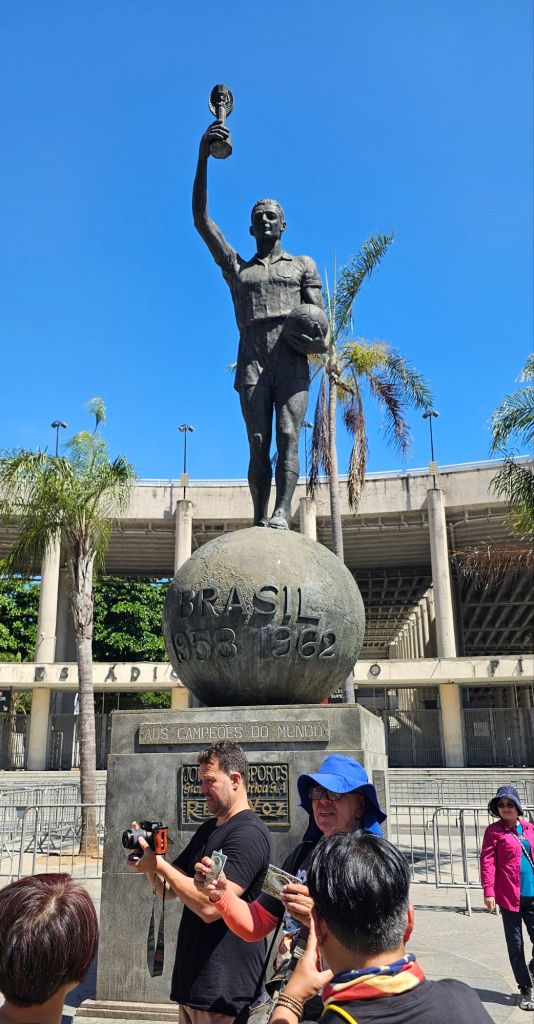
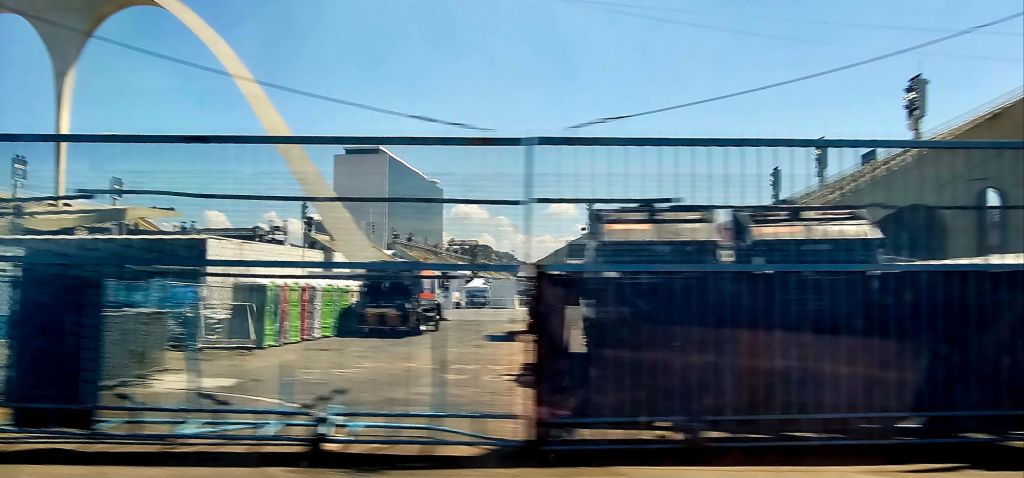
Brazilian style barbecue
Well, no trip to Brazil would be complete without a barbecue meal. In Brazil, it is, of course, not called Brazilian barbecue. You know the barbecue or the waiters come to the table with meat on skewers and cut you off pieces. Or you have a little coloured disc, green on one side to say give me more meat, and red when you’re finally finished.

In Brazil, this type of barbecue is called churrascaria. There are several of them throughout Rio, but most are by the Cocacabana Beach area. So Mike, Paul, and I hopped in an Uber and went down to Carretao Siqueira Campos for lunch. The buffet itself is 139 reals, but we also had some sangria, water, and extra pineapple. So our total bill for three people was 690.75 real. It ended up being about 68 Canadian dollars for me, an expensive lunch.
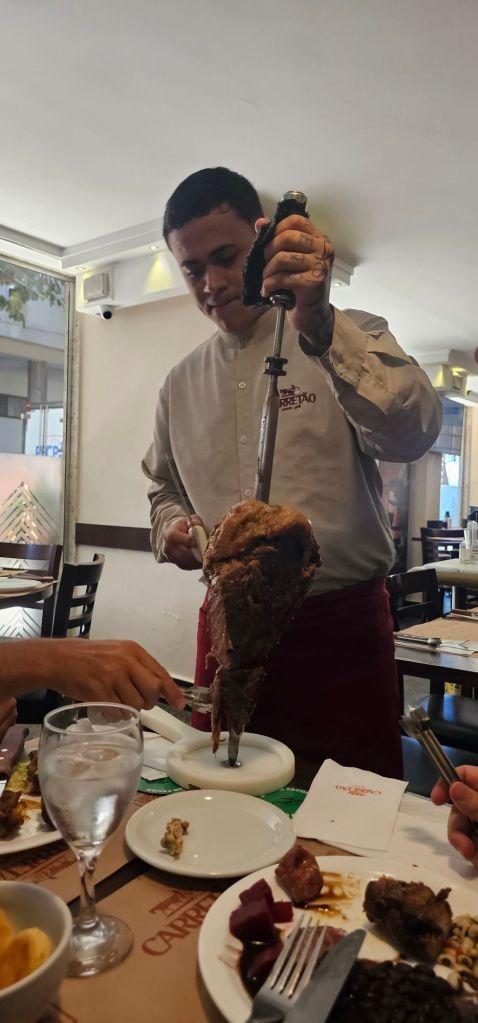
After our completely filling meal we did go for a little walk along the beach to work it off.
Disco time
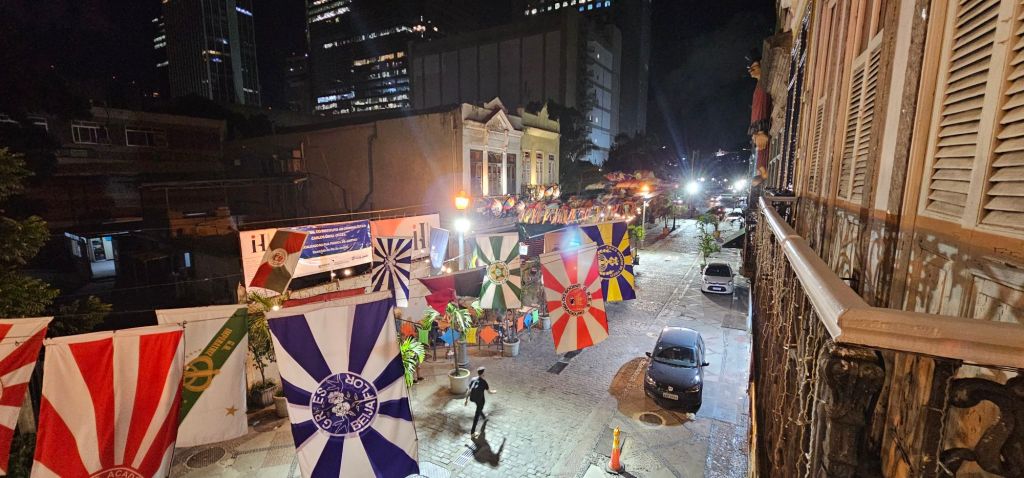
While in Brazil, there is a vibrant nightlife even with the warnings to be cautious after dark. A large group of us went to Rio Scenarium on Thursday night.
This bar has three levels and, within each level, multiple offshoots, creating one giant maze of a bar. They are very smart in that when you enter the bar, you hand over ID and are given a bar card. I used this card every time I ordered anything, and at the end of the evening, before I could leave, I turned in the card to find out and pay my balance. In this way, it doesn’t matter what floor and what bar I order on, I had an open bar tab.

Sadly, there is only music on the main floor, which means if you are seated on the second, third, or any of the offshoots, the music is quite low. Maybe that’s a good thing if you don’t like loud noise.
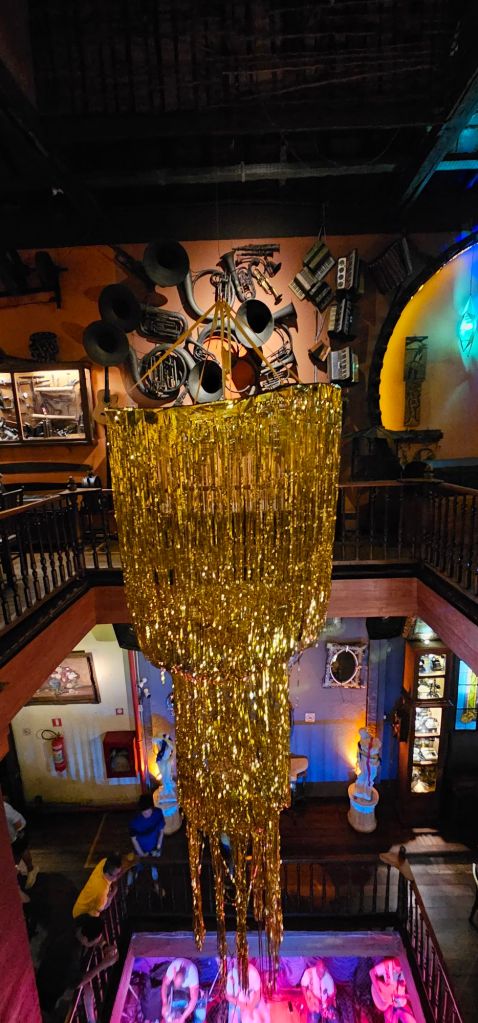
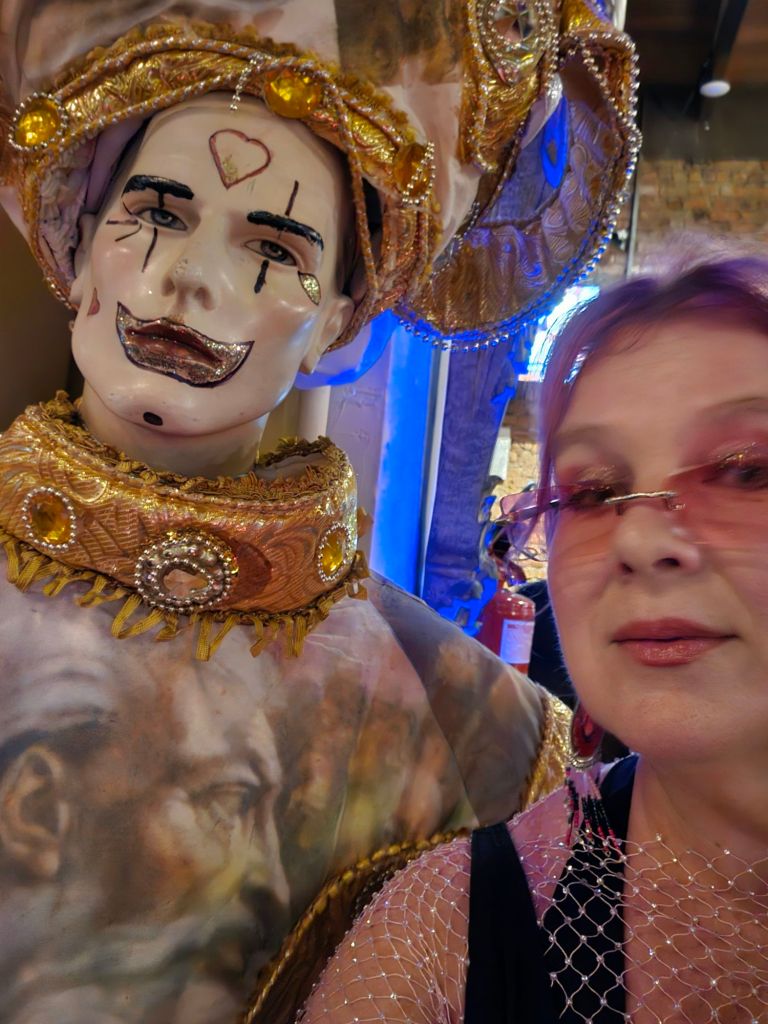
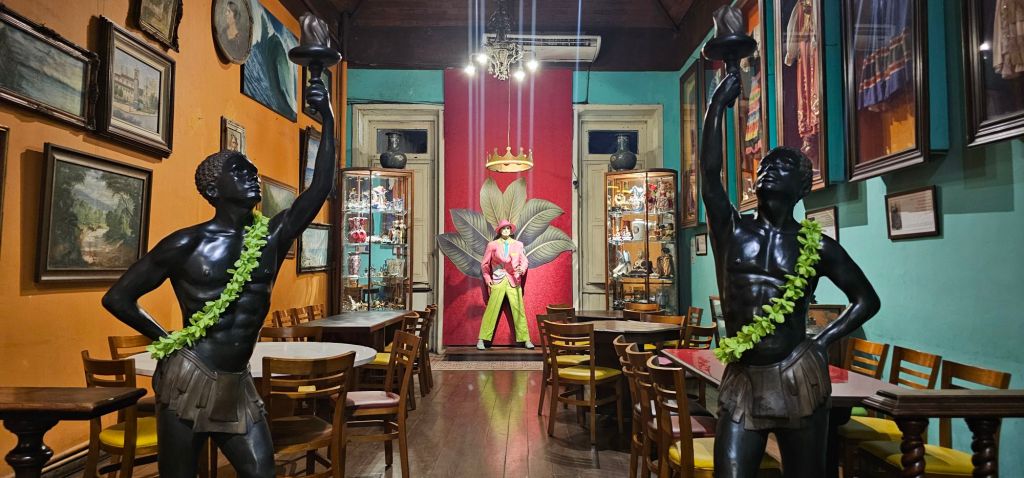
Each floor and room is decorated with the most unusual collections of paintings, statues, figures, refrigerator doors, jewelry, and just about anything else you can think of.
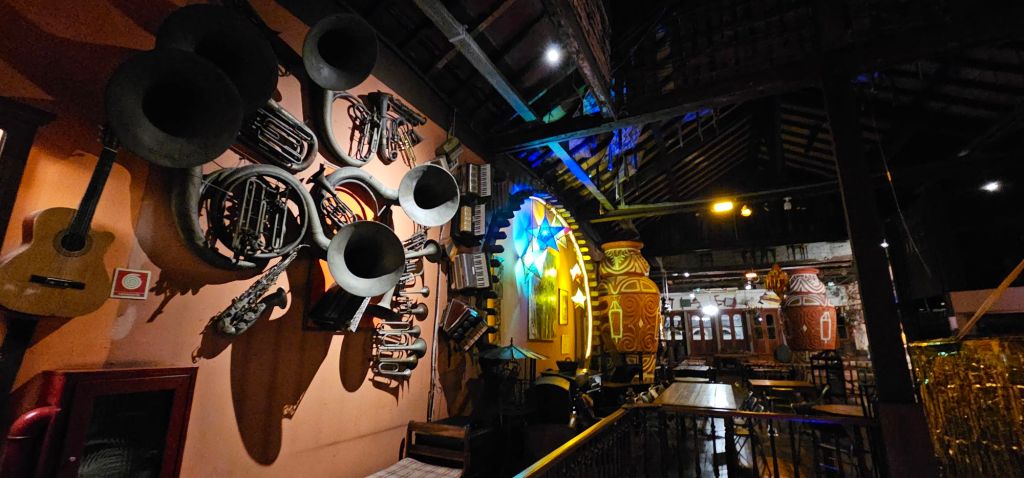
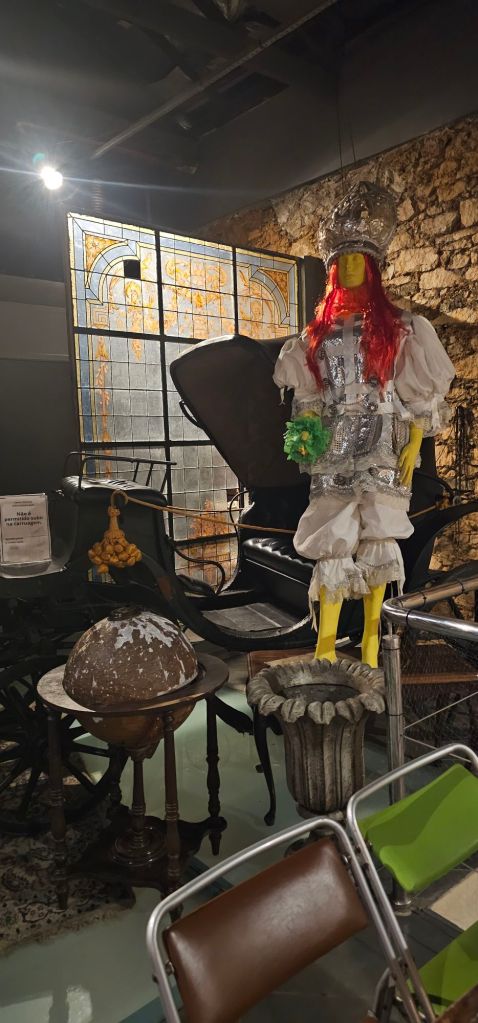
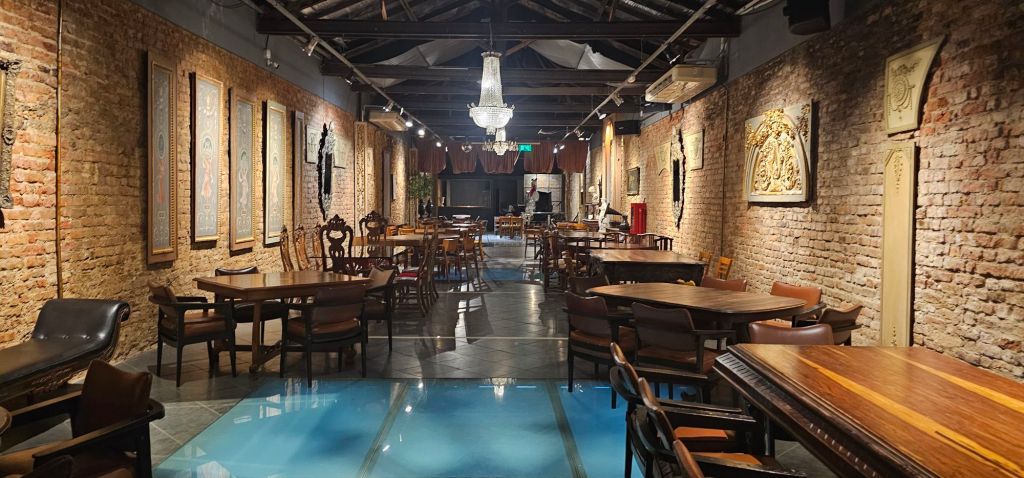
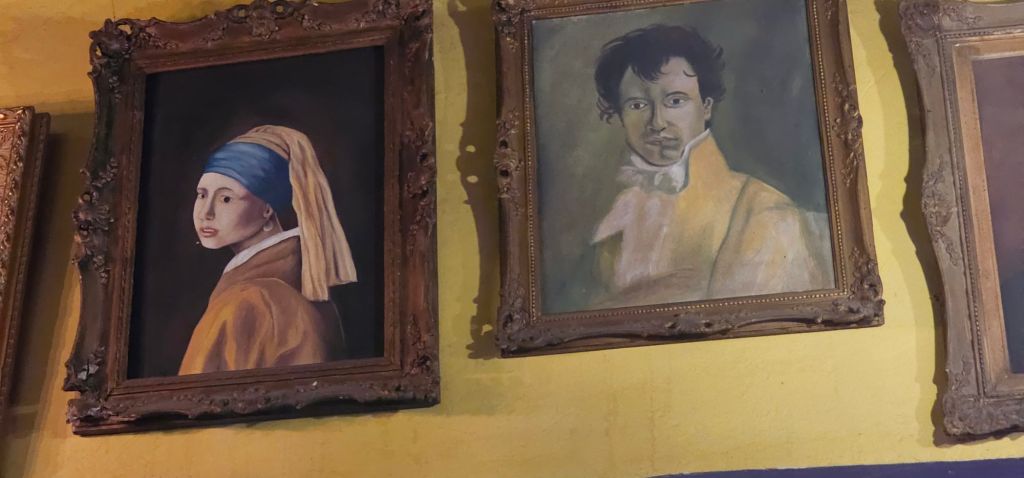
When we were there there were three different live performers and two professional dancers doing the samba.
Cristo Redentor
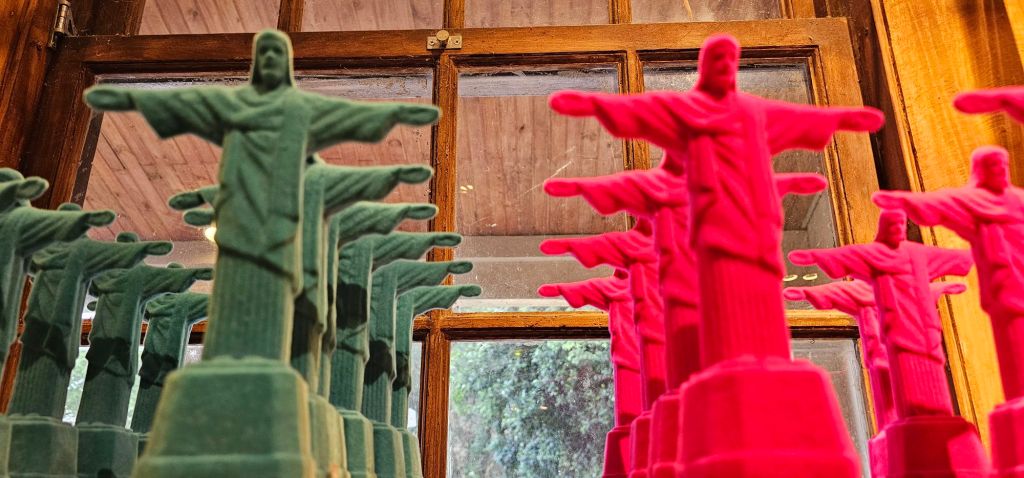
As one of the modern 7 wonders of the world, no trip to Brazil or Rio de Janeiro is complete without a visit to Christ the Redeemer statue. The statue is 30 meters tall with a base that is another additional eight meters, so 38 meters altogether.
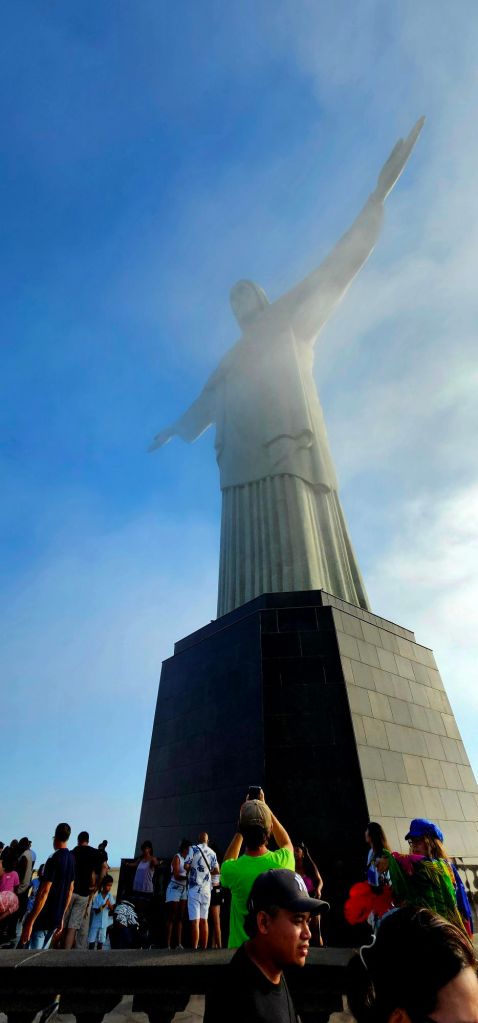
It is set at the top overlooking about 90% of Rio de Janeiro. This impressive monument can be seen from just about everywhere in Rio de Janeiro and is one of the most important landmarks.

Play statue of Jesus is the top of the peak of Corkovoda, meaning hunchback in Portuguese. It has a peak of 710 meters or 2,329 feet and is located in the Chiujaka Forest.
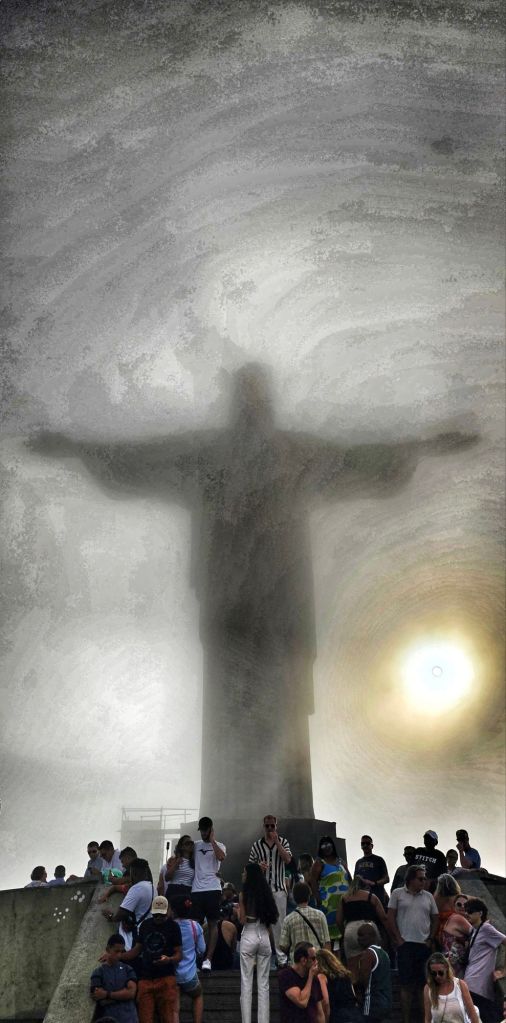
In order to reach the statue, there are three modes of transportation. You can drive to the visitor center and buy a ticket to take a bus up. An alternative is a train from the city up to the visitor center and then a second train station to near the viewing platform. The third is a hike. It takes about 5 hours round trip to hike to the top of the mountain where the monument is.
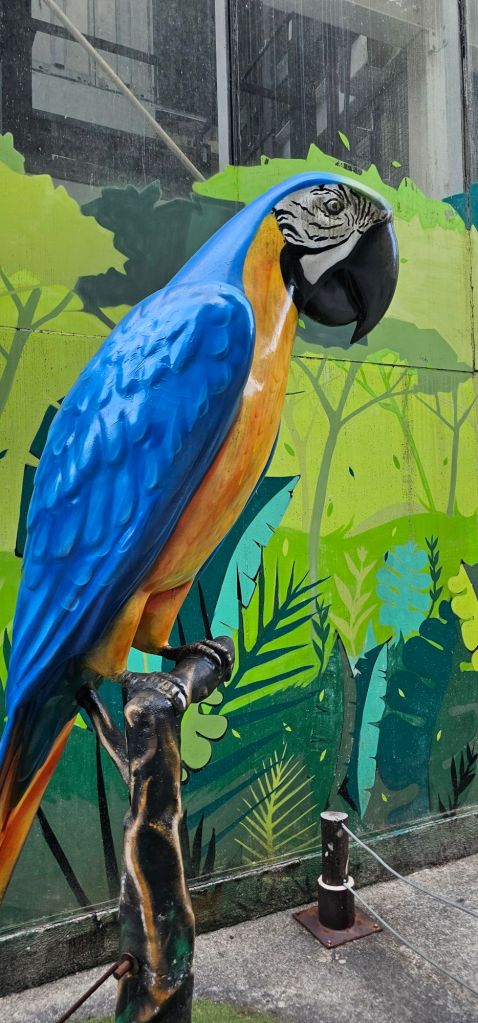
The weather as you go upwards is much cooler and often cloud obscured, so a sunny day is best for views. There are a variety of lizards and monkeys living on the top of this hill. Sadly, I never saw any of them.
From where the bus parking lot lets people off or the train, there are elevators and then escalators that can take you all the way up to the base of the statue. There are also stairs, a little better than 200 stairs to climb. Our guide just said if you’ve been sinning, you should take the stairs, but if you’ve been living a good life, the elevator is enough.

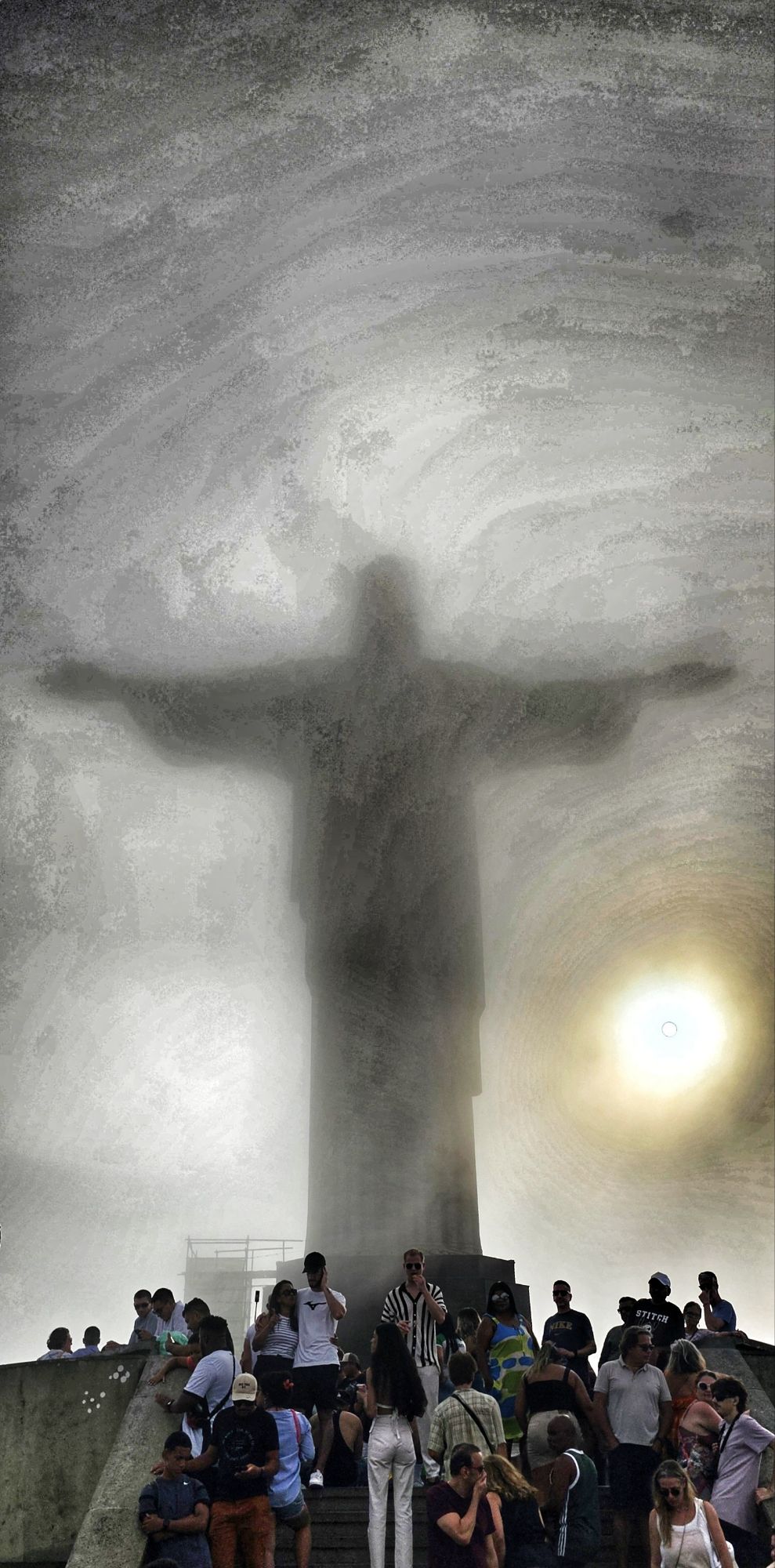
At the base of the monument, many people were waiting for perfect shots. There is also a viewing platform of the city a few steps down from the base of the Jesus statue. It was a bit cloudy when I was up there at 4 p.m., so people were waiting for the clouds to move to take pictures. I kind of liked the mysterious, cloudy look.
The road to get up to the statue is very windy and reminds me of going up Machu Picchu.
Sugar Loaf Mountain
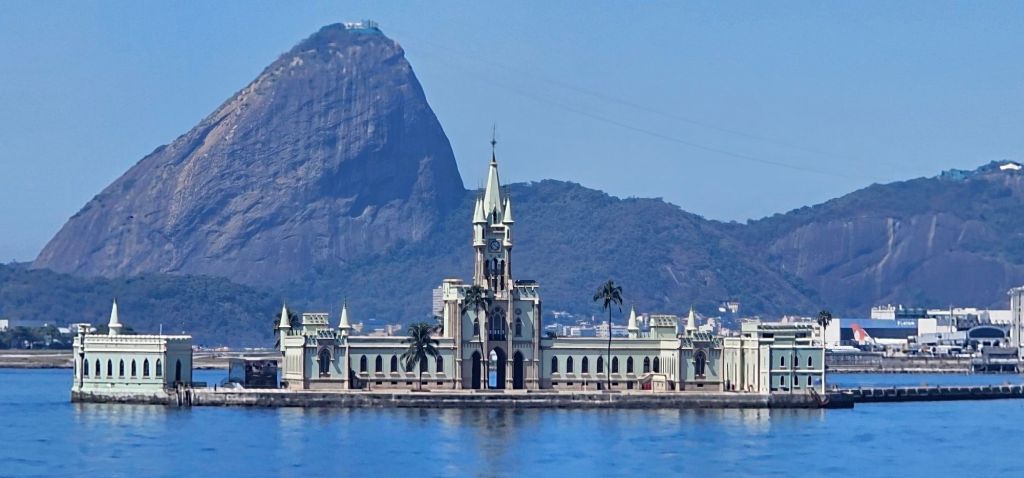
Another of the most notable landmarks in Rio de Janeiro is sugar loaf mountain. It is Pao de Acucar in Portuguese. It is found on the Guanabara Bay peninsula in the Atlantic Ocean.
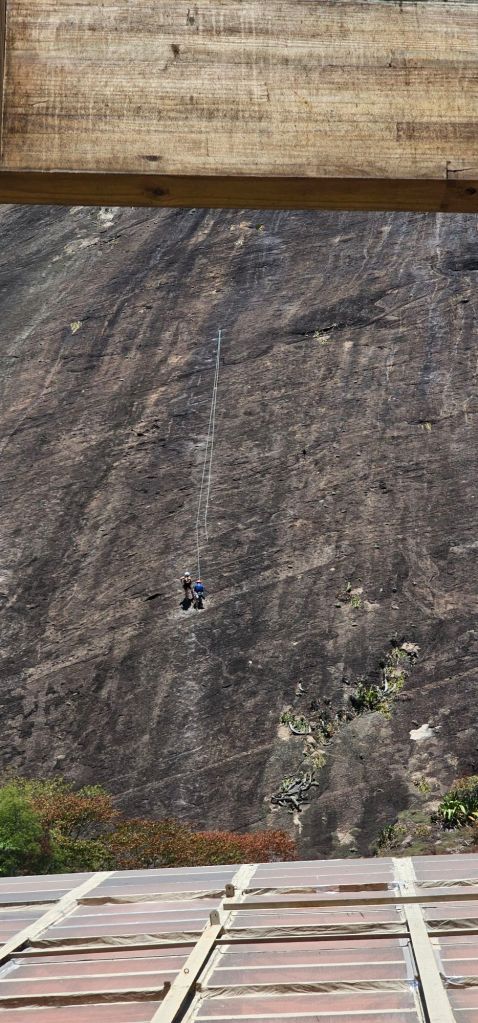
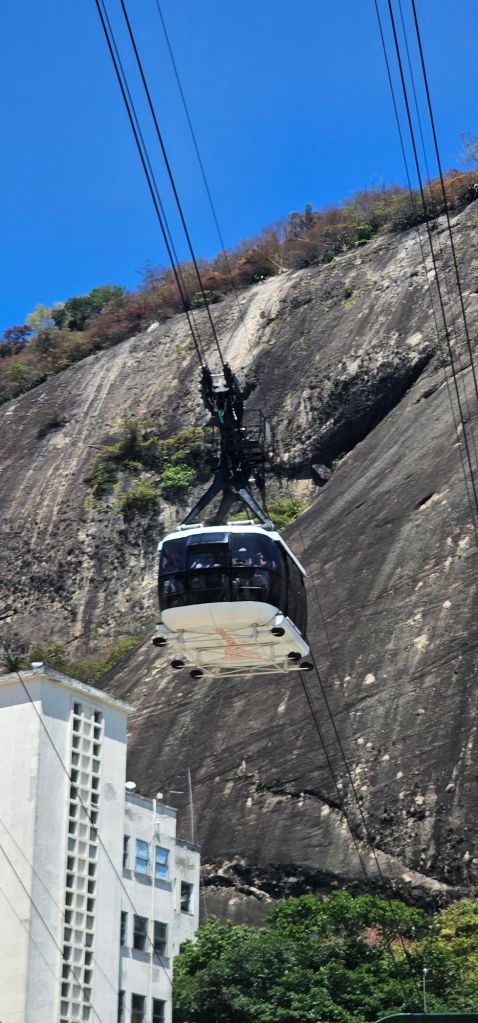
According to our guide, the name Sugarloaf comes from the 16th century when the sugar trade was the largest trade in the area. The liquid sugar was taken from the sugar canes and put into ceramic molds for shipping. The molds resembled loaves of bread, hence the name Sugarloaf.

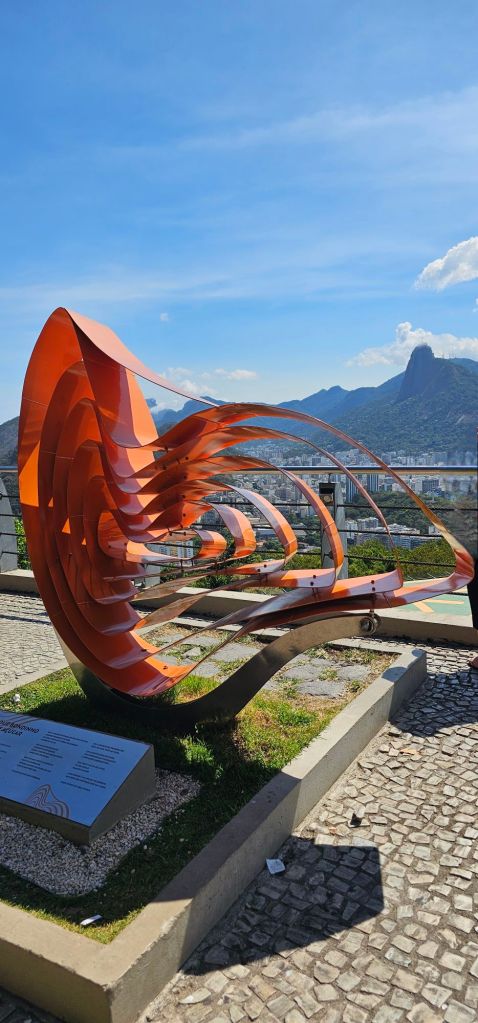
Two cable cars are needed to reach the summit of Sugarloaf Mountain. The first cable car stops at Urca Hill. There is a good view of Christ the Redeemer and Copacabana Beach from here. The second car goes from Urca Hill to the top of Sugarloaf Mountain. At the top there is a walking trail, shops, bathrooms, and several lookouts.
Sugarloaf Mountain became a UNESCO World Heritage site in 2012.
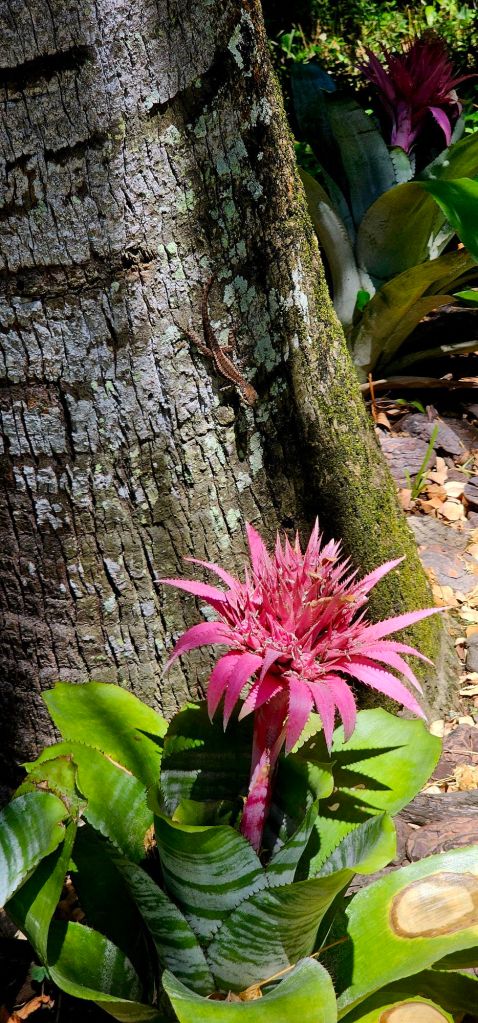
Sugarloaf mountain is also home to the smallest breed of monkey in the world. In order to see the monkeys, we needed to go early in the morning because by the time we arrived at lunchtime it was too hot and the monkeys were not out.

 Chasing Summer -
Leave a comment