December 31- January 3
What can I say? This was my third time in Cusco and my second in Machu Picchu. Of course, the last time was 22 years ago, so my memories were foggy. All I could recall correctly was that Cusco was freezing at night, when I ordered soup, it came with popcorn, and that Machu Picchu was not for those afraid of heights.
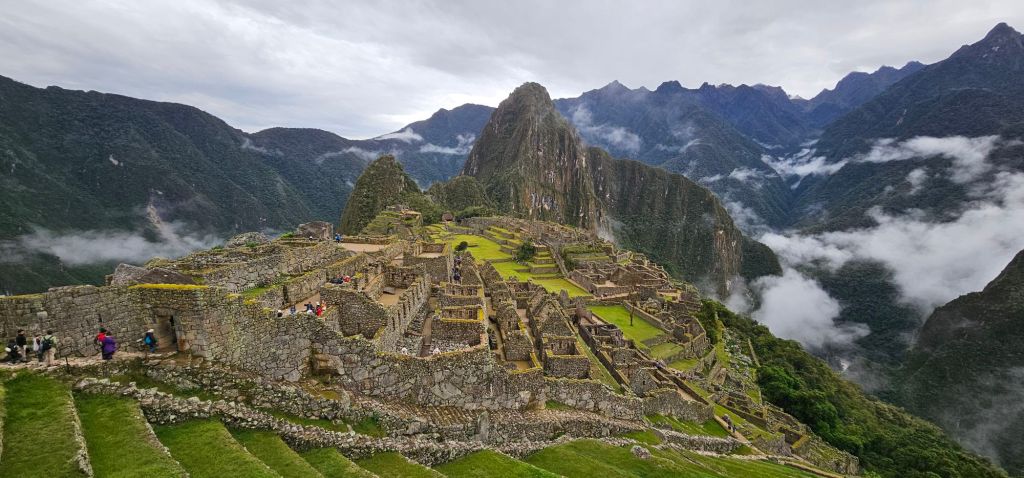
None of these three things seemed to hold true this time. Maybe it was because I went in the summer, but things were a little different than my recollections. I was plenty warm at night as each hotel had many heavy blankets on the beds, there was no popcorn with soup, and Machu Picchu was more maintained and had less treacherous steps and pathways.
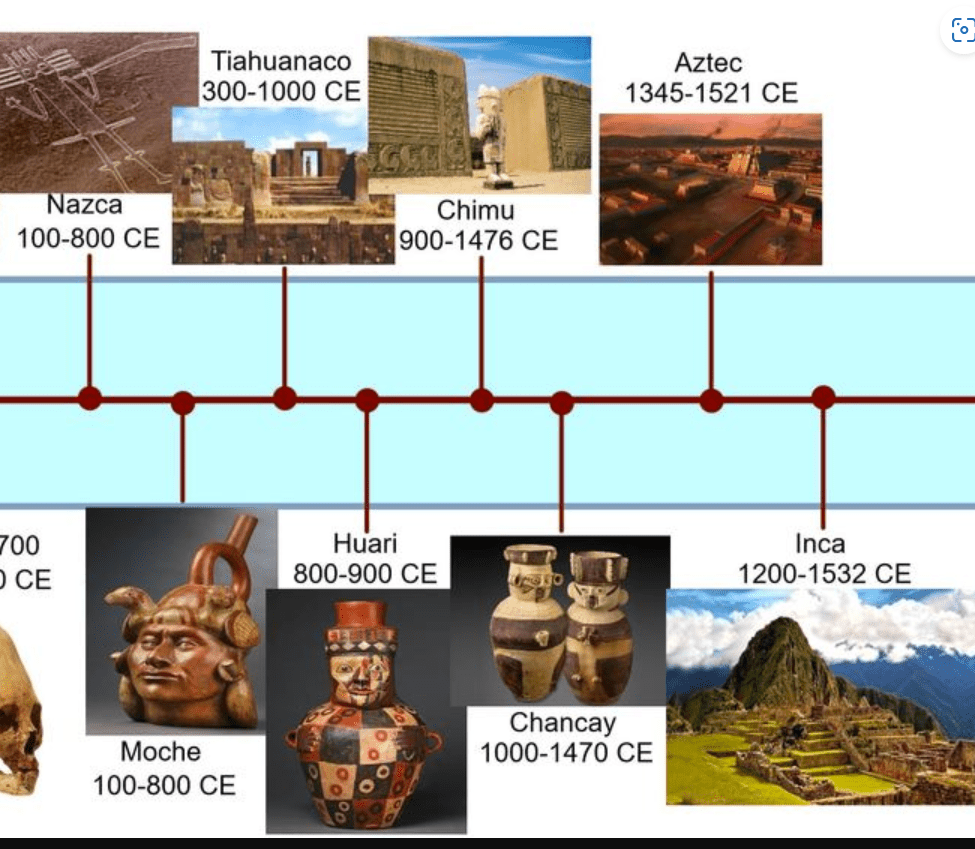
I know I am lucky to be able to have visited this site twice, and I loved that in the order of our visits to Peru, we saw the ruins in order of their time in history. First was the Moche (100-800 AD), who then became the Chimu (12th-15th century). The Chimu were then conquered by the Incas (1470), who brought the best Chimu artisans to Machu Picchu (15th century) to work.
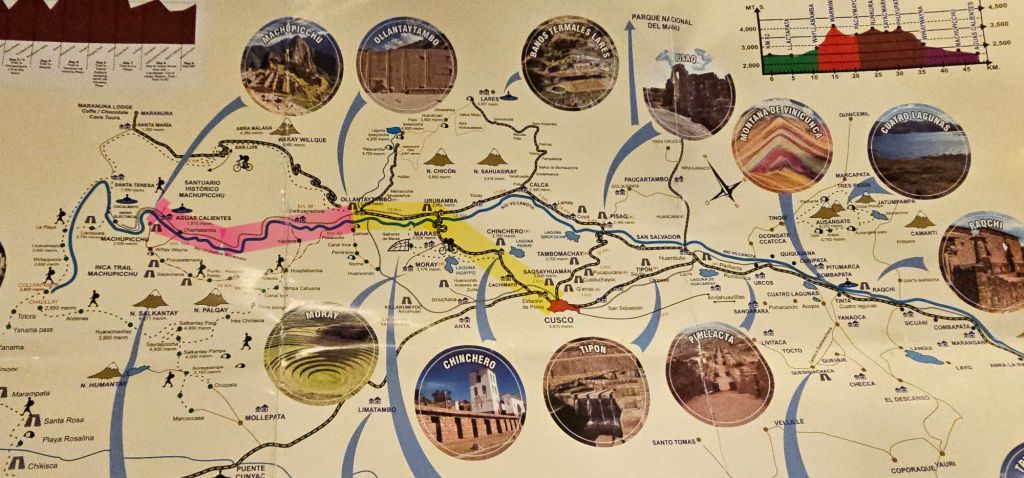
But before I got to Machu Picchu, I had to get from Lima to Cusco to Aguas Caliente. It was quite a journey that many residents of the Odyssey took in different ways.
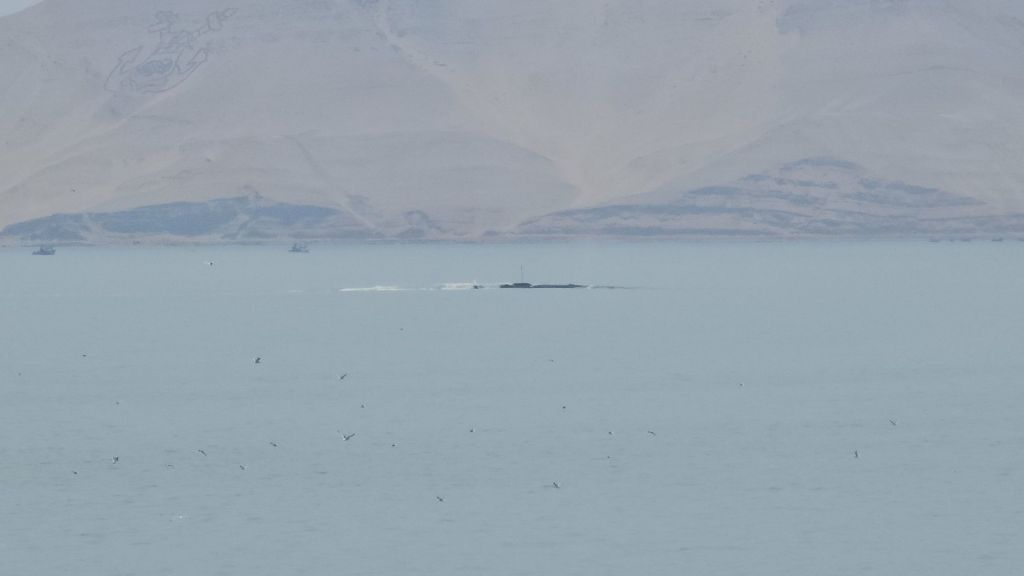
Our ship was unsure whether we would be able to dock in Callao on December 31st, and several of us were looking at alternatives if we couldn’t follow the original itinerary. Luckily, even though the port was closed for hundreds of container ships due to the tsunami waves, we were given the green light to enter.
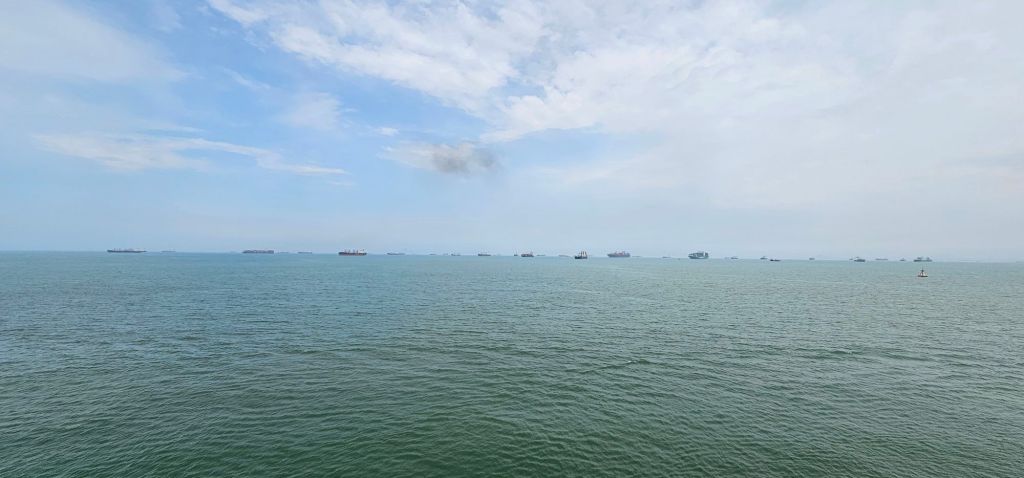
The ship docked after lunch and people were lined up at the gangway waiting to get off to catch flights to Cusco. Due to port regulations, people may not walk on the dock and port area, so residents needed to wait for the free shuttle or hire special transportation through the port agent.
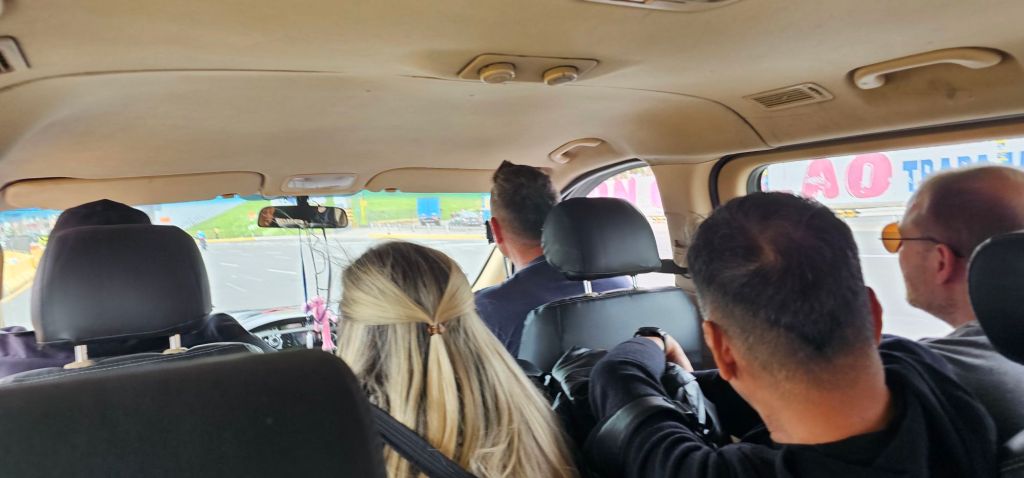
Paul had worked his magic with guest services and we had a large taxi waiting for us as we disembarked and we managed to cram 8 people into the 7 spots available. It cost us $20 each which is a ridiculous amount for a taxi in Peru. An Uber would have cost about $6 in total. Others however were charged $60 per person later, so I guess I should be happy.
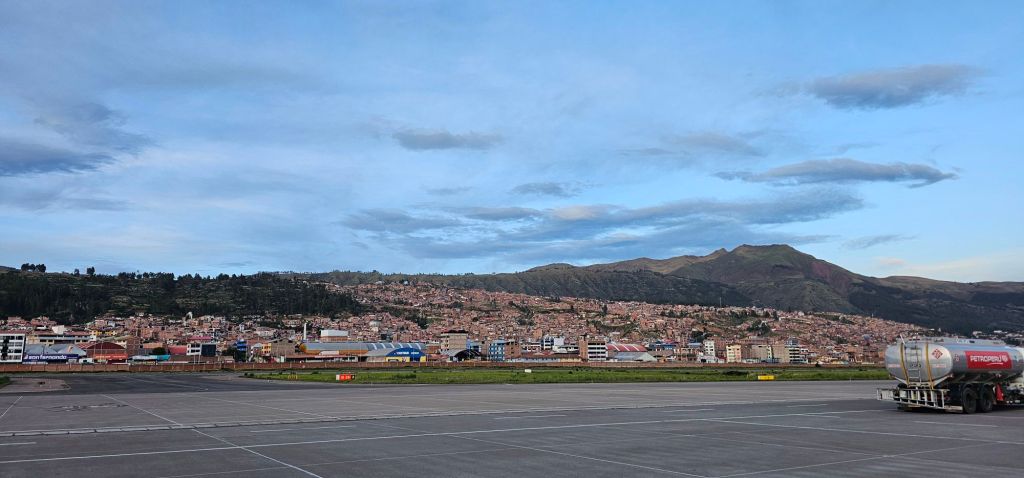
It was an 80-minute flight from Lima to Cusco. We arrived in Cusco in the evening and made our way to the historic center where we had a hotel. It was New Year’s Eve, so traffic was crazy.
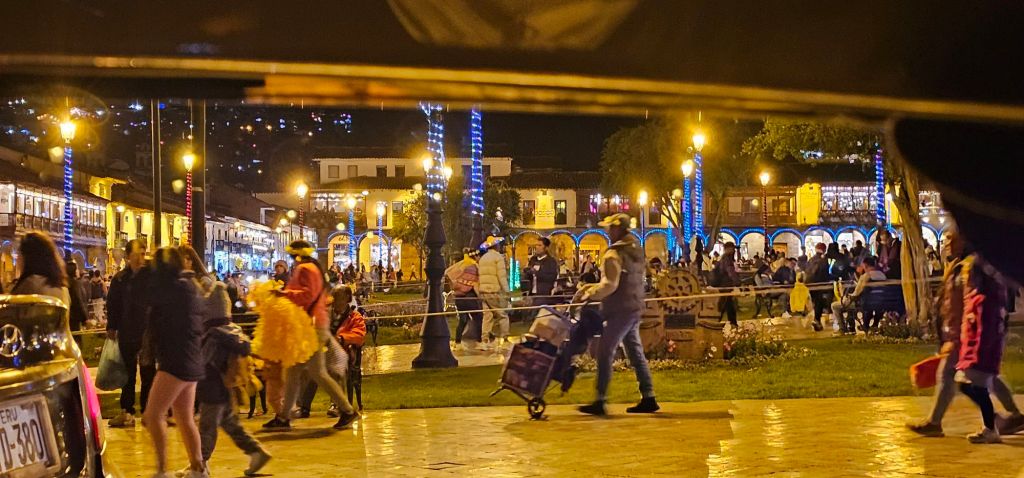
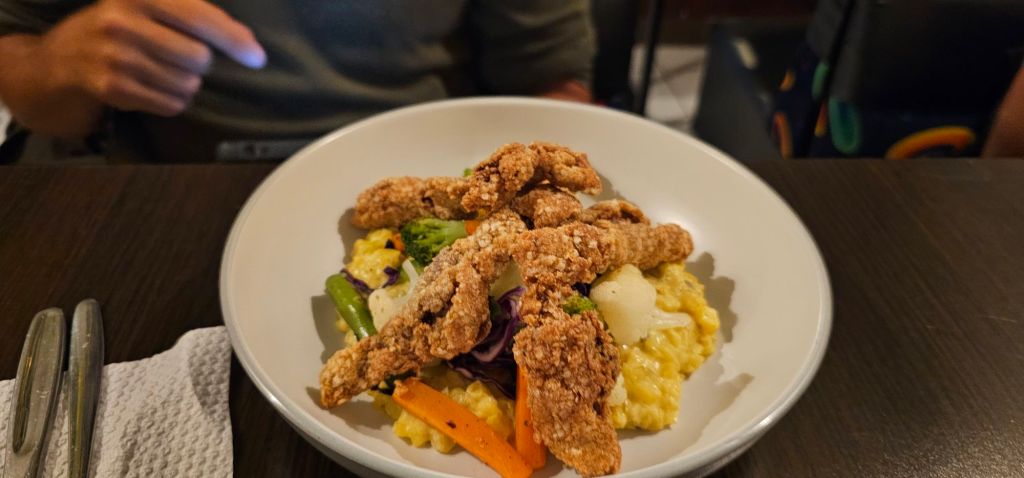
When we arrived, we met our guide, who gave us all of our tickets for the next few days and let us know when we needed to be certain places. We headed out for a late dinner, and Paul wanted to try Cuy (guinea pig). We found a place close by, but the altitude was already getting to people.
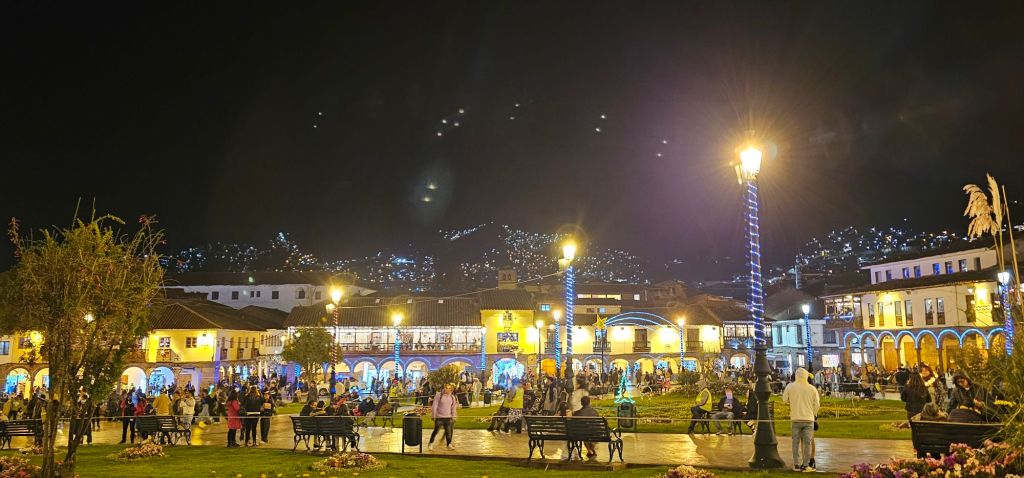
New Year’s Eve was already getting a good start for the locals with little firecrackers going off and mobs of people buying yellow (for luck). Angela, Steve, and I went to the main square to check things out before returning to our hotel to try and catch some sleep.
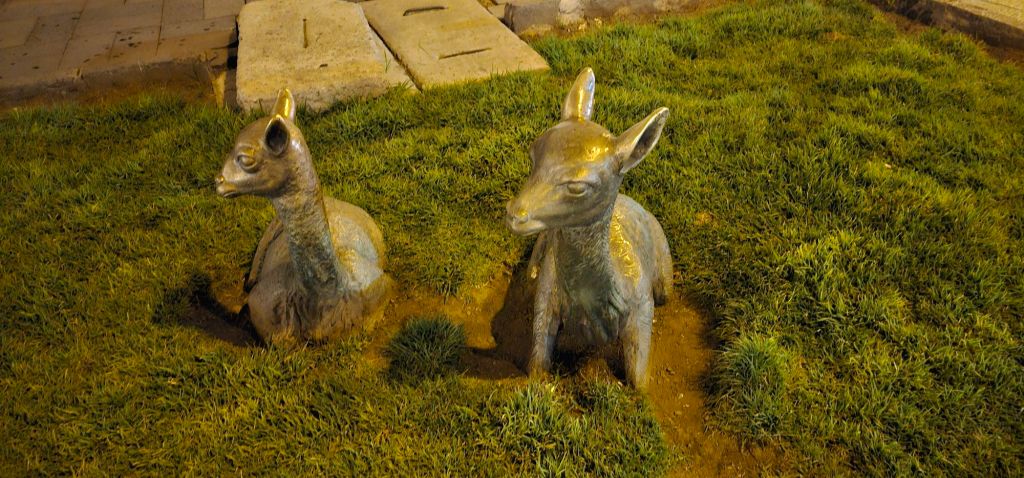
The next morning, we had breakfast, took a quick walk around in the daylight, and then headed to the bus station to start our way to Aguas Caliente. We also had a morning in Cusco on the return trip where I went to the market.
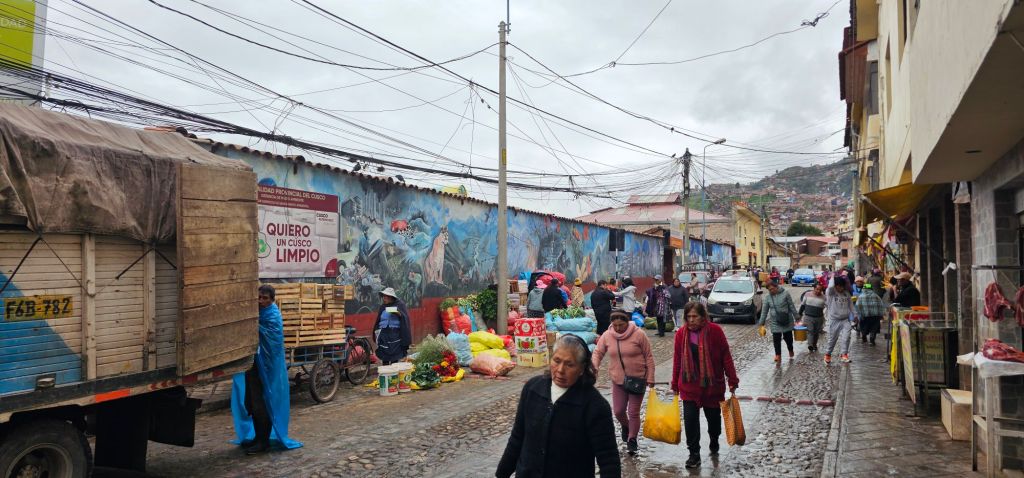

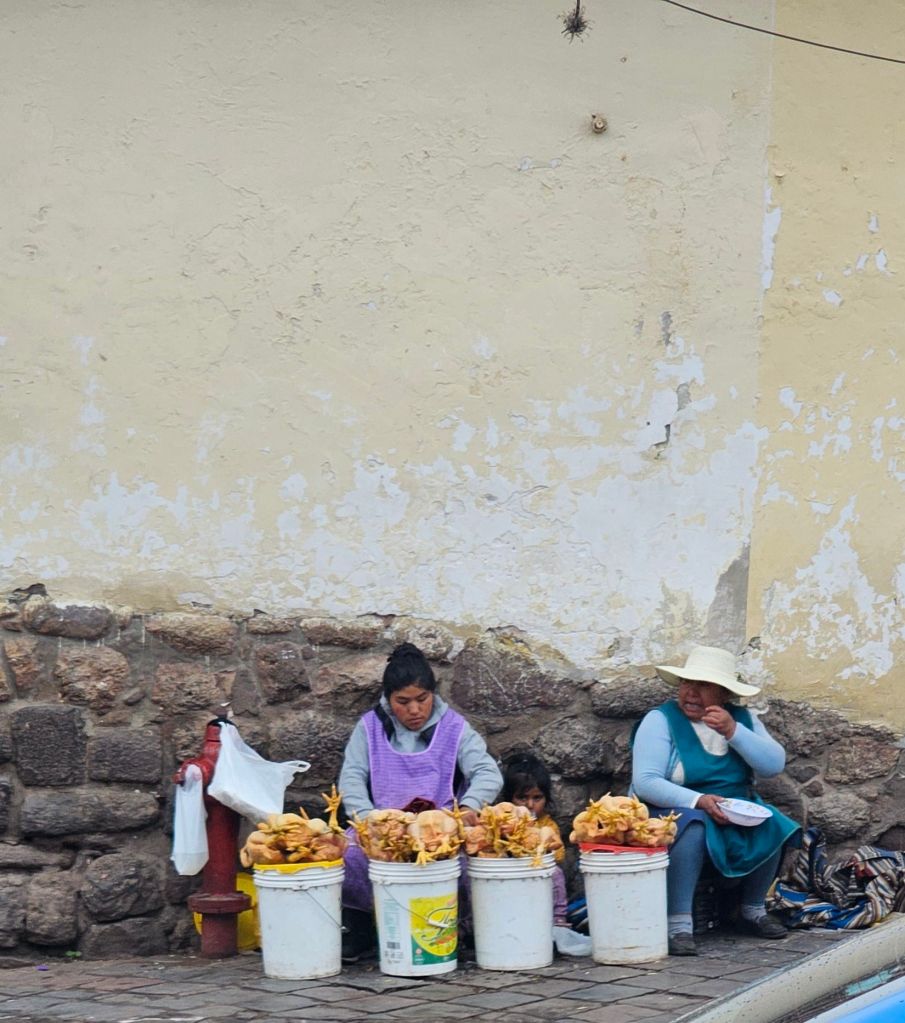
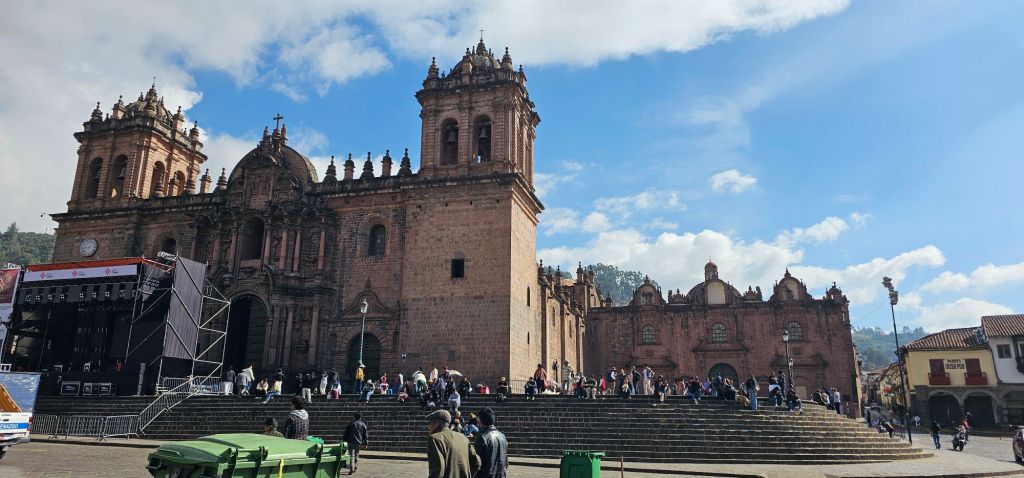
To get to Aguas Caliente, we chose the cheaper bus/train combo. Peru rail runs both, so we didn’t have to worry about one being late which was great because on the return our train was delayed an hour, but the busses waited for us and we could continue as soon as we arrived.
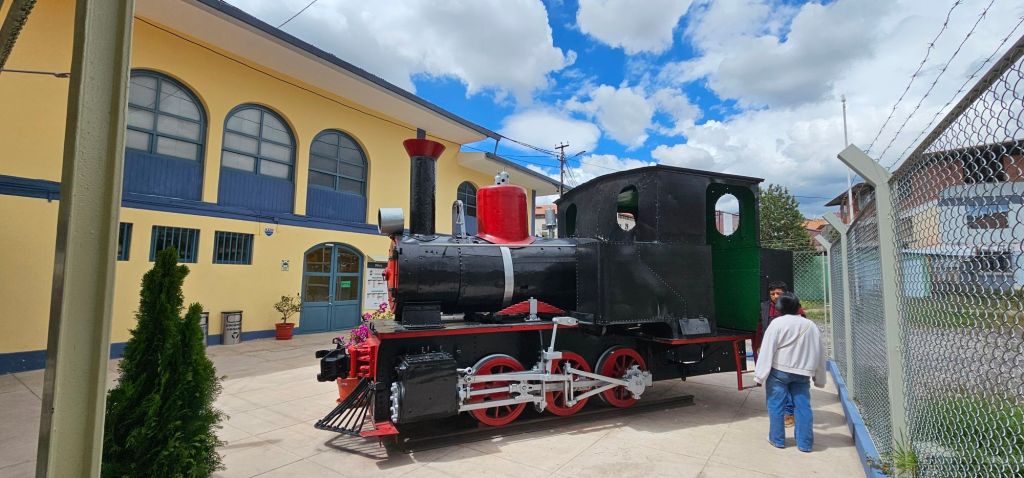
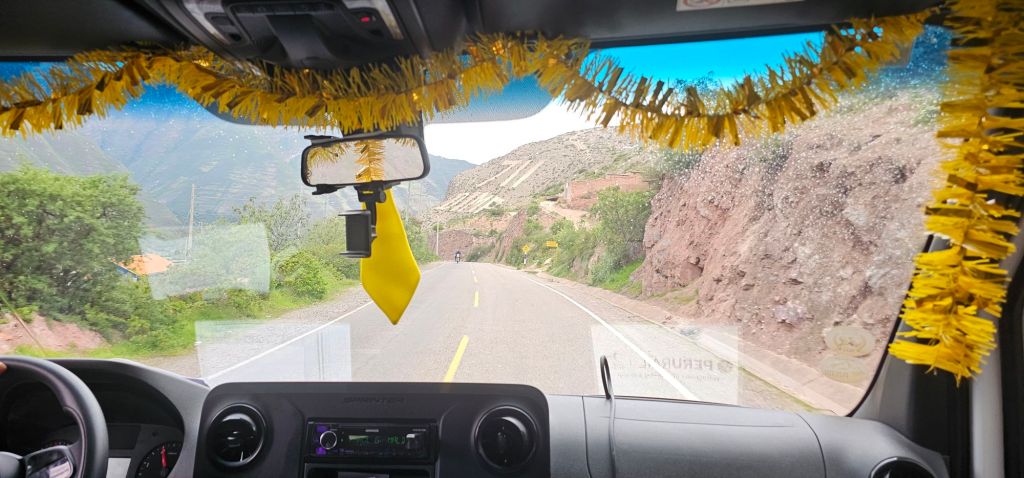
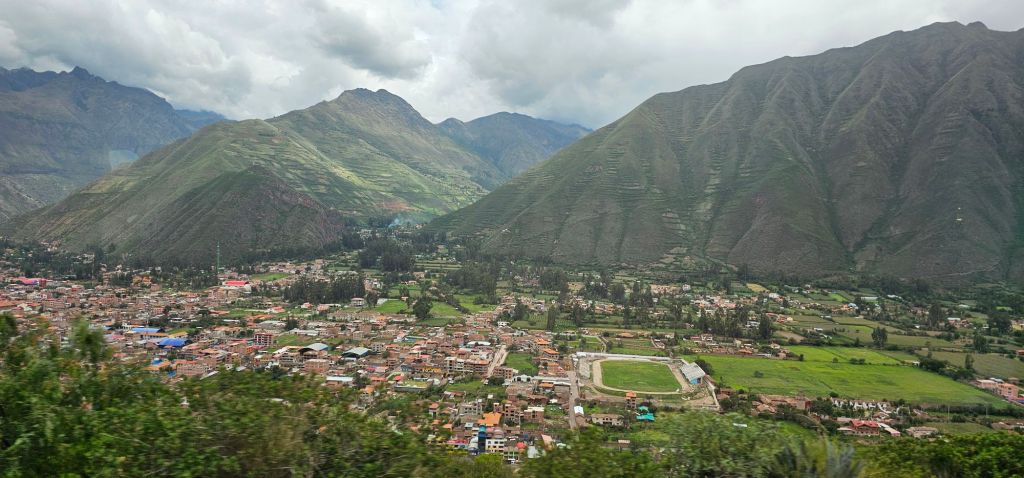
The trip to Ollantaytambo, where we would transfer to the train, was picturesque. With high peaks and towns in the valleys below.
In Ollantaytambo, the train station is a short walk from the bus depot, passing many vendors selling goods. If I did this again, I would stay a night here to see the town. Of course, it was raining both times we passed through.

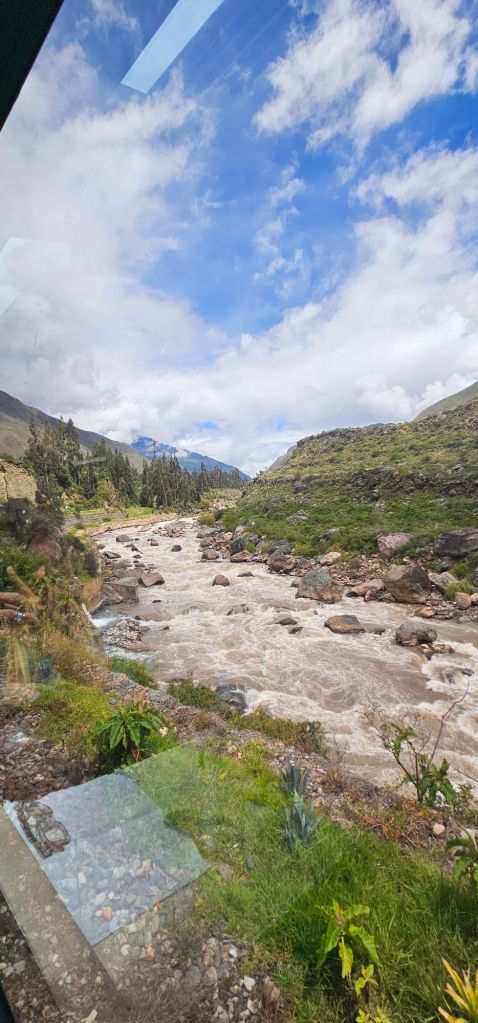
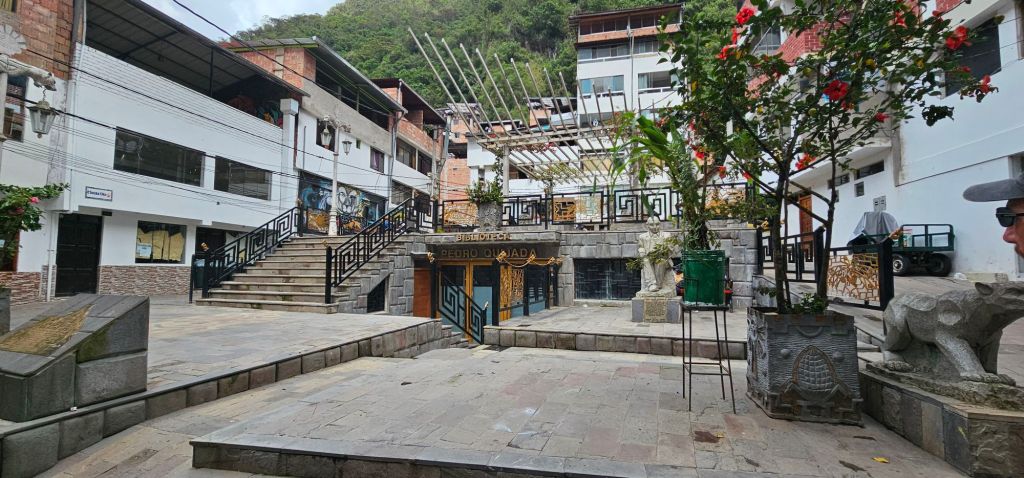
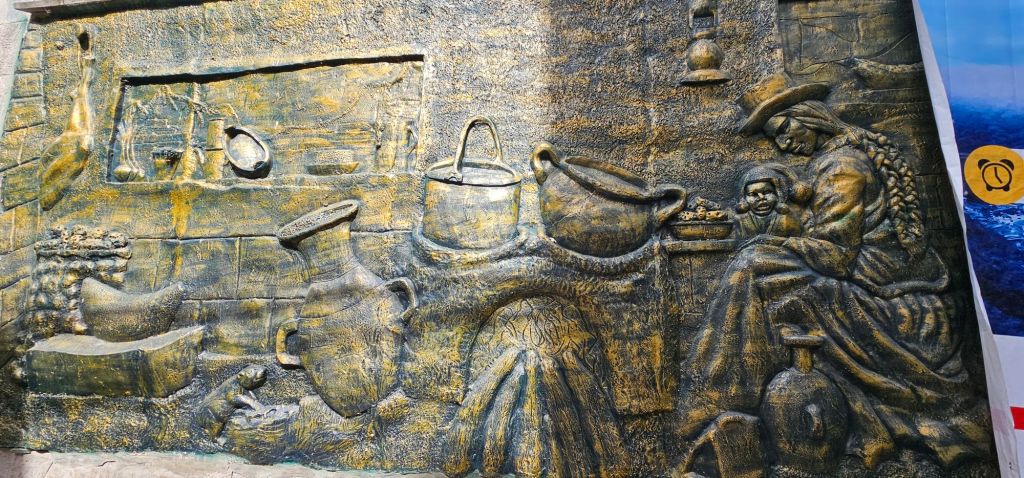


It is the rainy season right now in January and not the optimum time to be in the region. The Machu Picchu region is also right next to the Amazon region and gets regular rain. So it is no surprise that it was pouring rain all night long.
In fact, we were concerned that our entire visit to Machu Picchu would be in rain and fog.Our local guide told us not to worry and not to trust the phone weather apps. He was right.
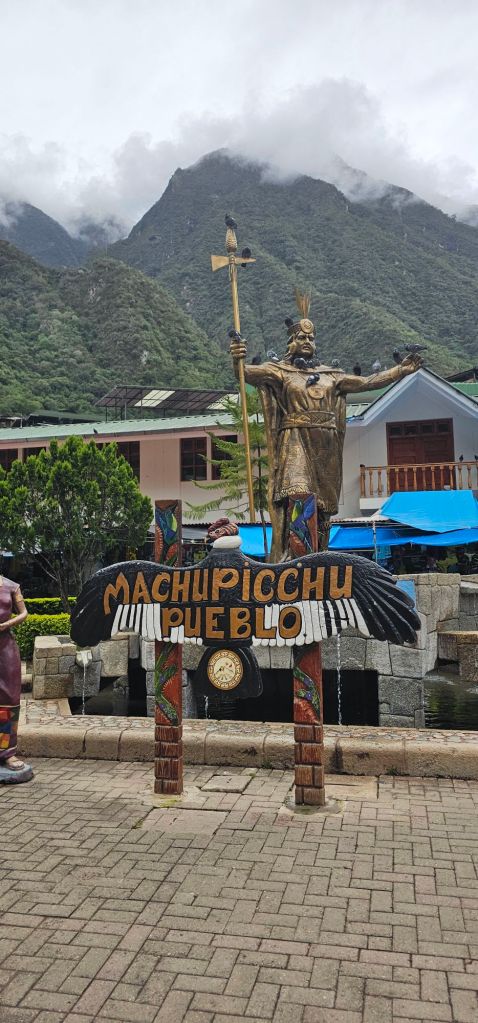
Machu Picchu is so wonderful that it is in a separate post. I hope everyone enjoys reading both.
 Chasing Summer -
Leave a comment