
Hanover is about 90 minutes from Bremen and much less touristic than the other cities in Germany, and I was the only one getting off the bus here. One thing I have noticed is that it is much windier than the other cities I’ve visited with my hair flying and table menus taking to the air.
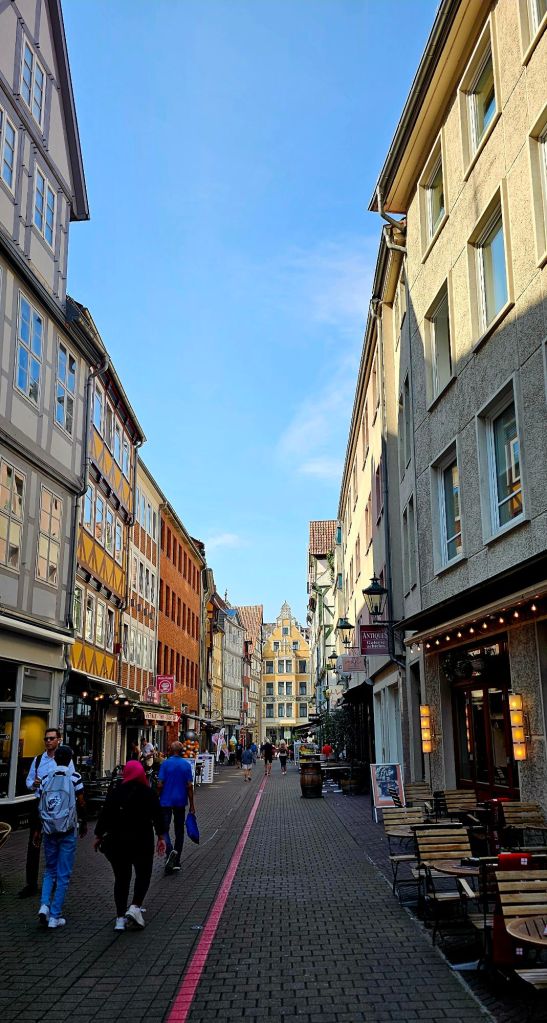
For a less touristic city, they have done it right with the red thread. They have painted a red line down the sidewalks to create a 4.2 km trail that goes past most of the landmarks that tourists would like to see.
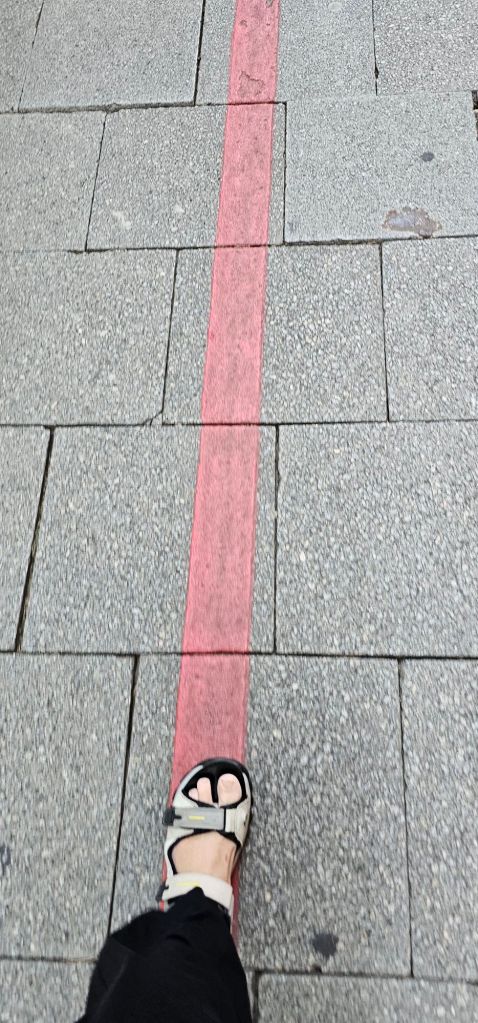
It’s great as you can’t really get lost and signs can’t be covered. It doesn’t hit everything but a good chunk.
There are a few short sections where the line is not there (perhaps due to recent construction or not marring the walkway), but it is easy to find again if you just keep going and arrows point in the direction you need to go.
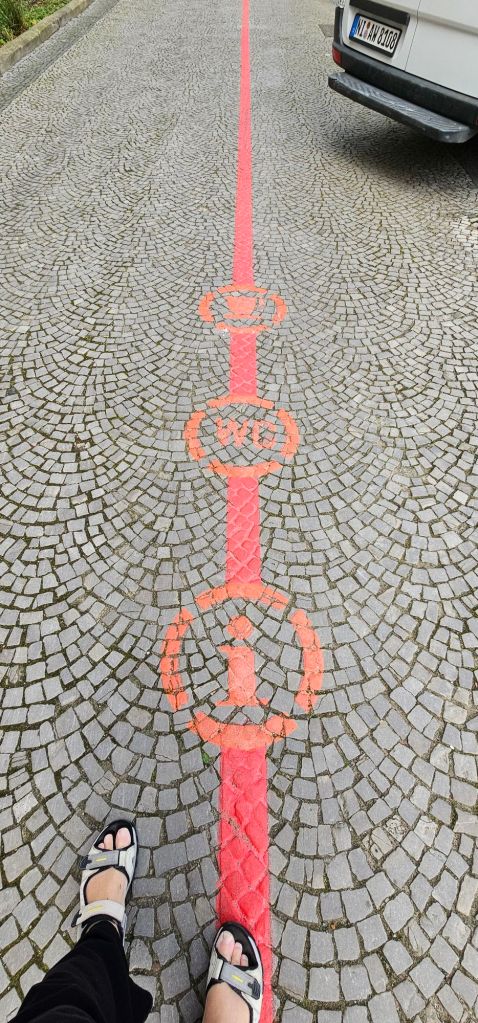
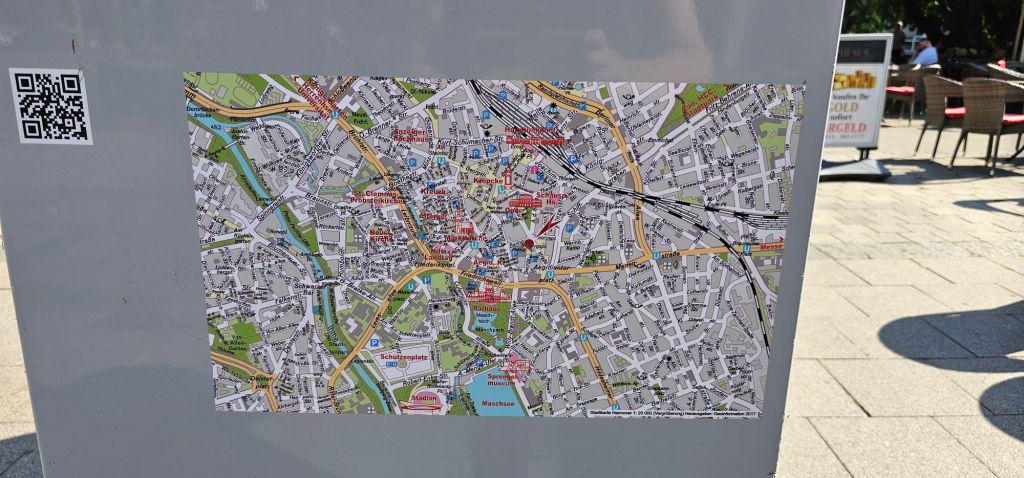
Apparently you can buy a map that goes with it and tells information about each site for 3.50 euro at tourist information centers, but I’m cheap so I just snapped pictures and will figure out what I’m looking at later. Good ole Google.
One of the major buildings in Hannover and the one I definitely spent the most time at is the new town hall. New, being a relative term, as it was inagurated in 1913.

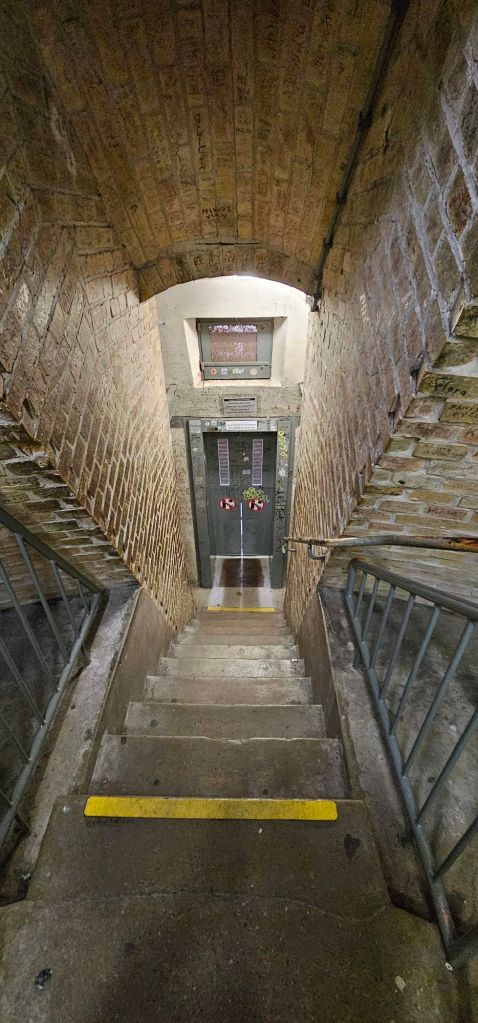
It has a tower that is 97.73 meters tall and offers panoramic views of the city. It costs 4 euros to go up the tower with a combination of regular elevators or stairs to the third floor and then another special elevator that ascends at a 17-degree angle for 50 meters. Finally, there are several sets of spiral staircases to climb up.
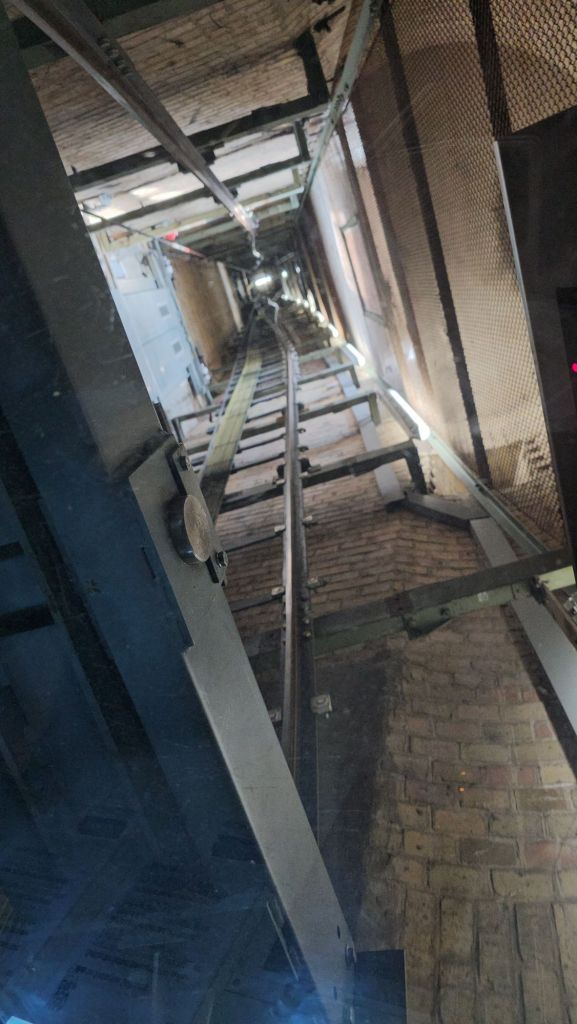
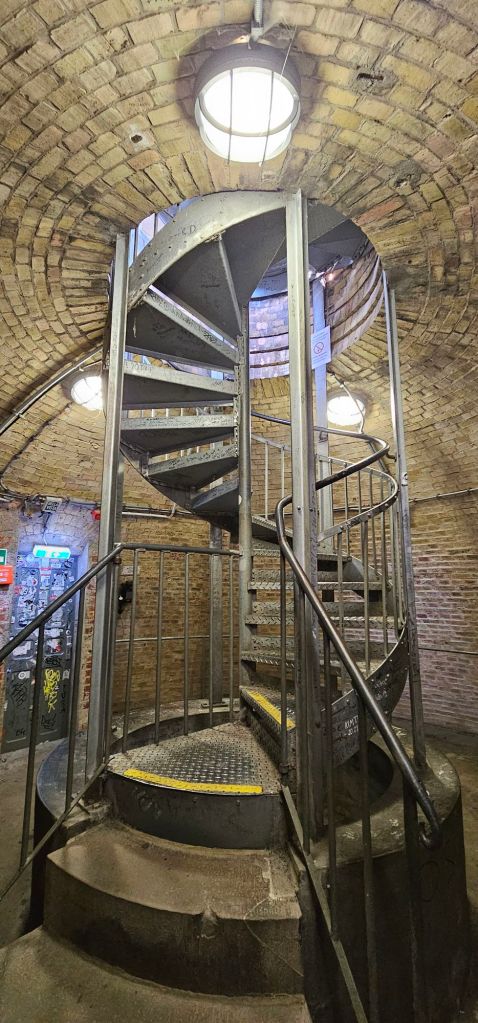
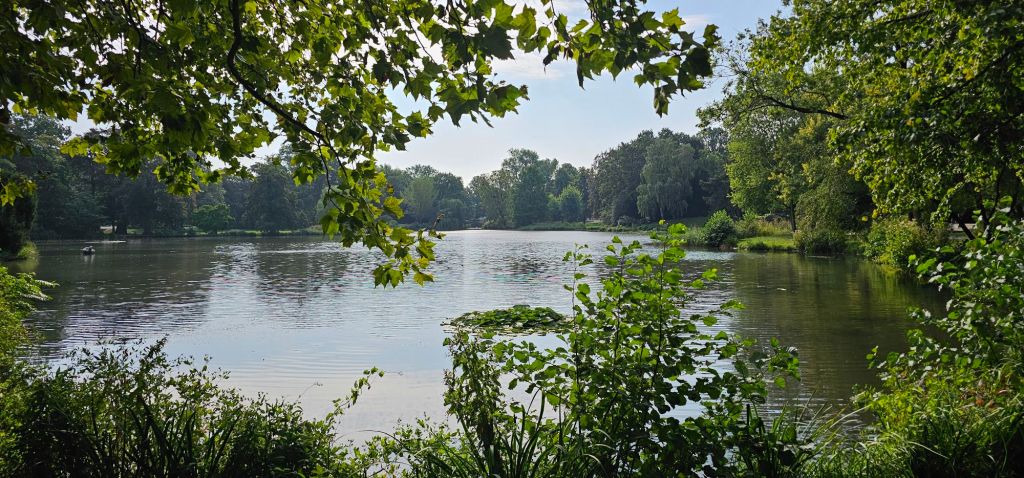
Outside the Neues Rathaus is the Leine River and gives wonderful photo ops of the castle-like town hall.

The churches here are rather disappointing. There is no cathedral, and while the exteriors of the churches are still impressive, the interiors are simple, plain, or nonexistent.
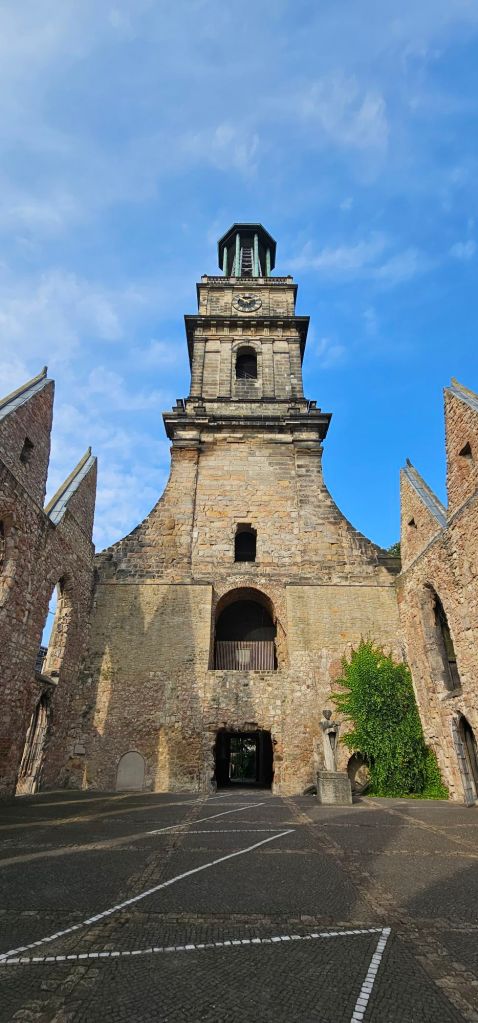
Aegidienkirche (Aegidia Church) was built in 1347. In 1943, the church was destroyed by WWII bombs and was never rebuilt. Only the outside walls remain as a memorial.

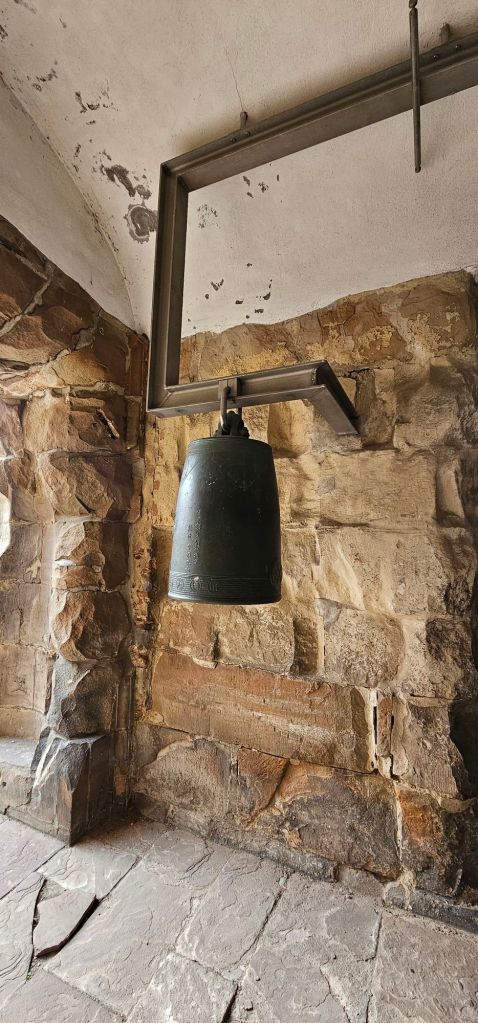
Hiroshima, Japan, is Hannover’s sister city, and they donated a peace bell, which is rung on August 6th, Hiroshima Day.
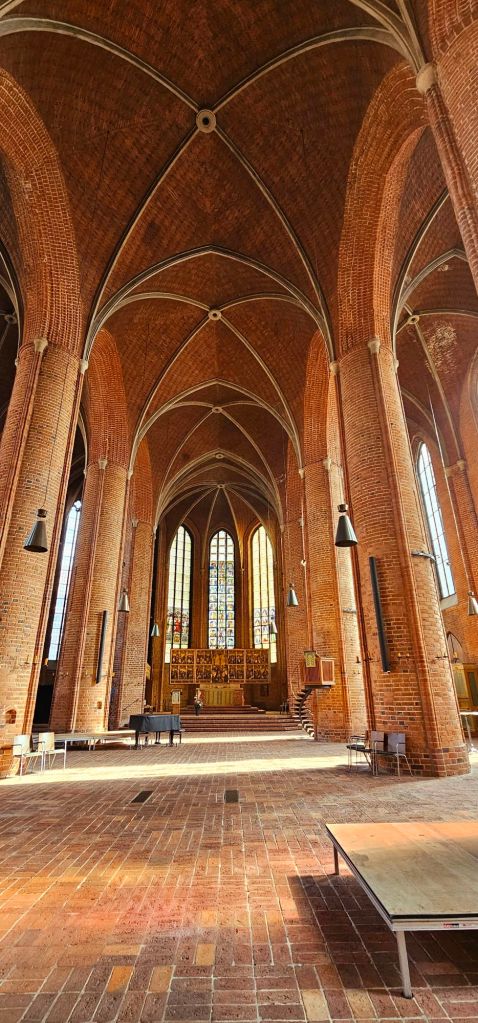
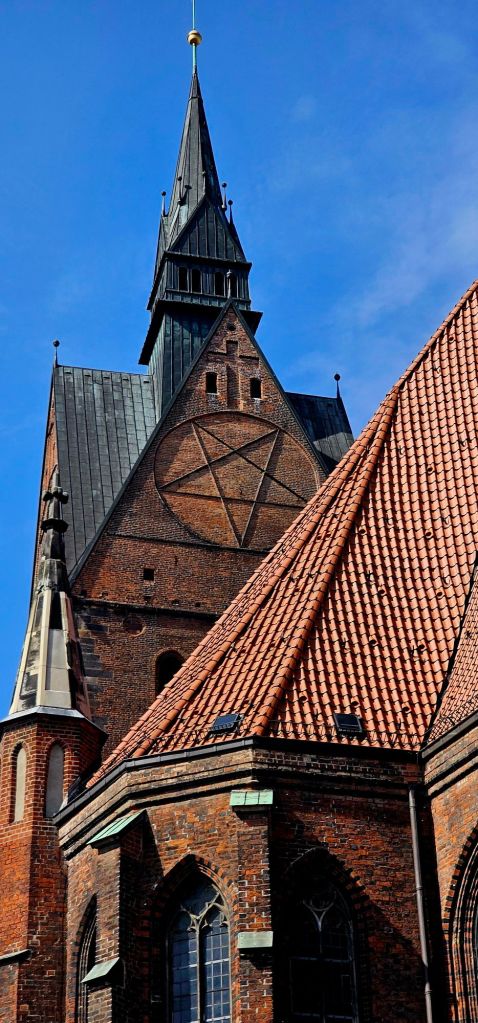
Marktkirche (Market Church) was built in the 14th century. Inside, the building is mostly empty with a few chairs, no pews. It also has a pentagram on its western tower. This was used by pagans and adopted by early christians. I don’t think my mom would approve.
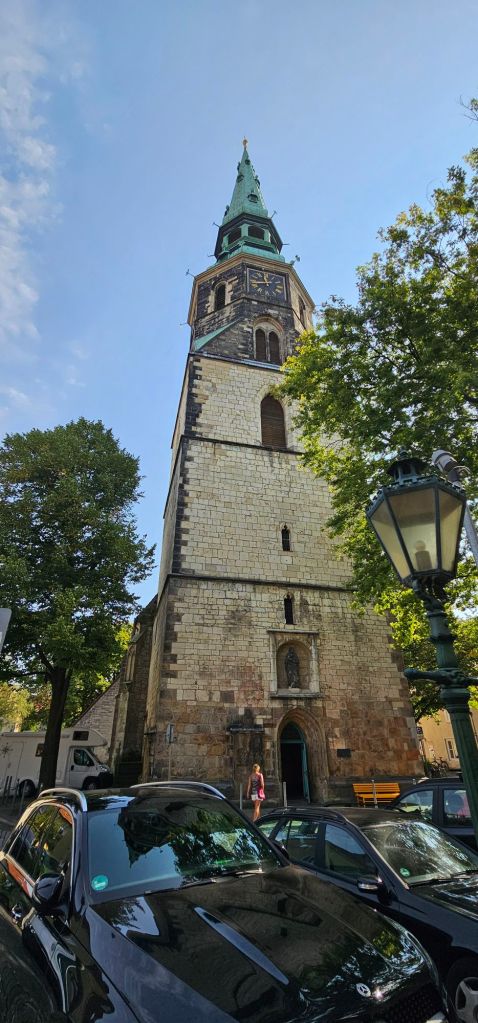
The Holy Cross Church (Kreuzkirche) is the oldest one here being built in 1284. Again, the interior, after being repaired from WWII bomb damage, is plain with no pews in sight. I don’t know if it is still used as a church because it looked more like a play area.
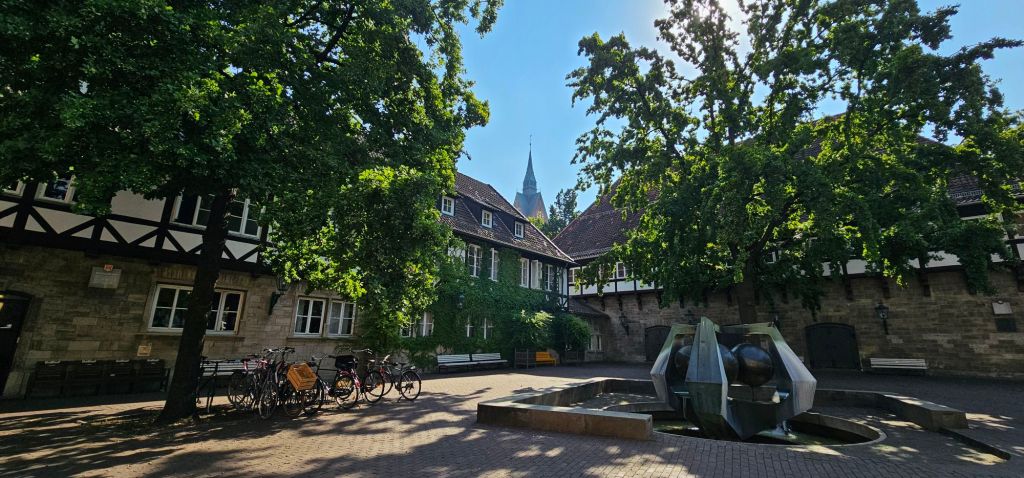
The Old Town Hall is currently under renovation, and I couldn’t see any way in to visit. It was established in 1410.
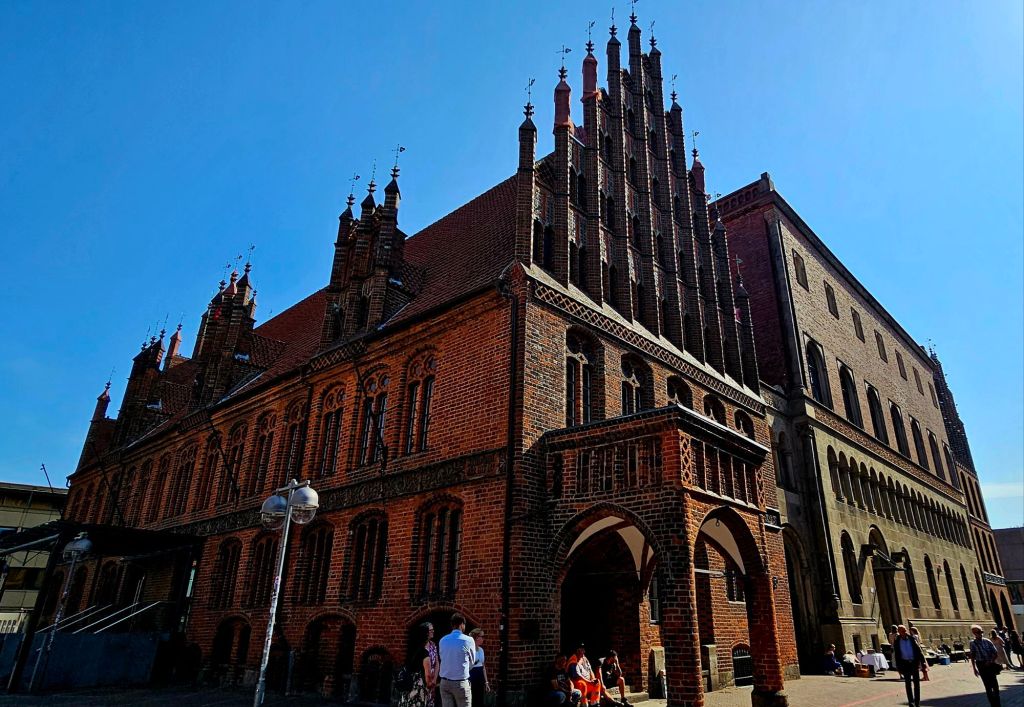
The Opera House is another impressive building from 1845. This is a replica as the original one burnt down in the war and was replaced in 1950.
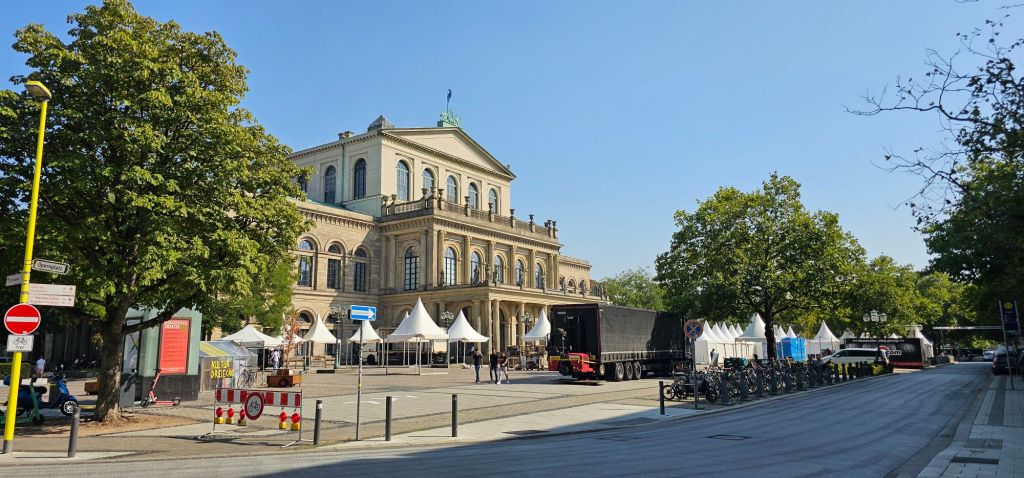
Wagenheim Palace (1832) was he residence for George V, the last king of Hannover lived. From 1863-1913, it served as the town hall. This makes me go what? There is an old town hall and a new town hall, and this functioned as one, too? How many town halls does one town really need?

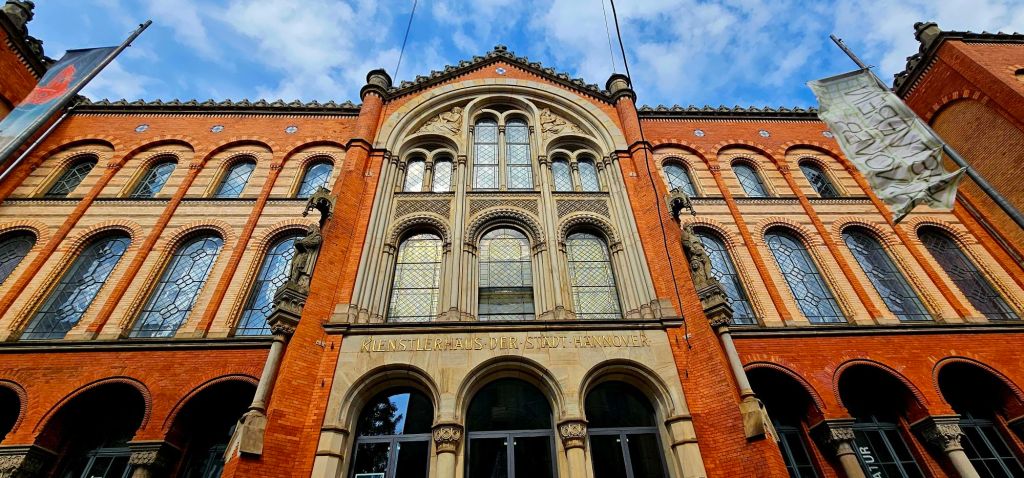
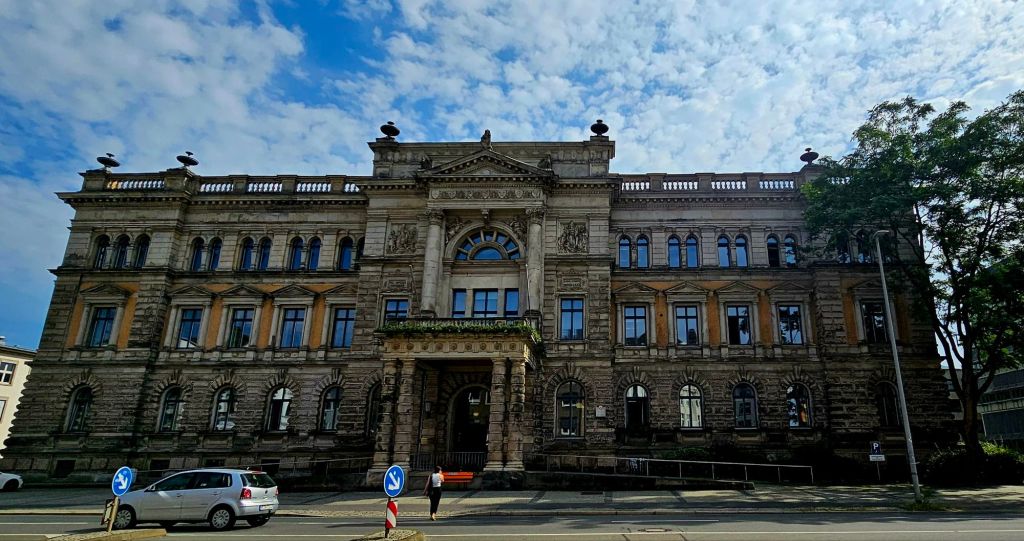
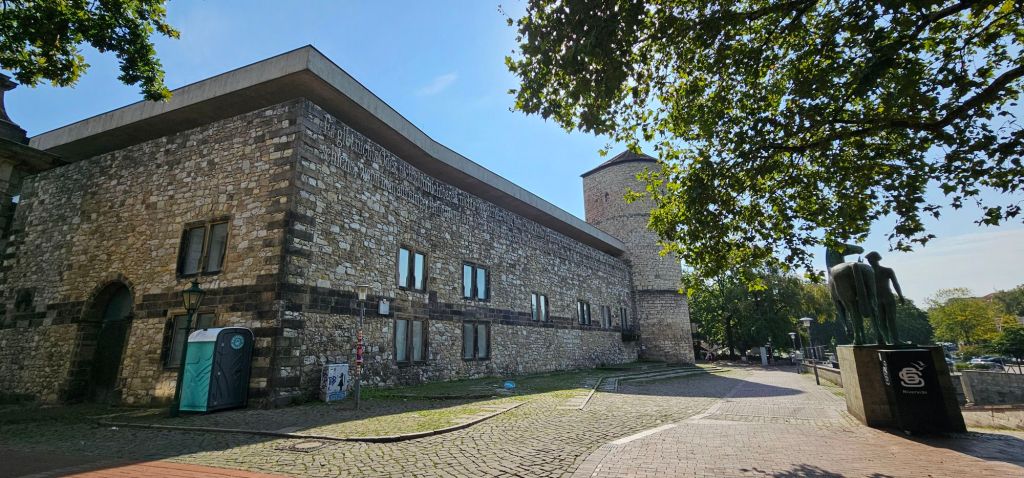
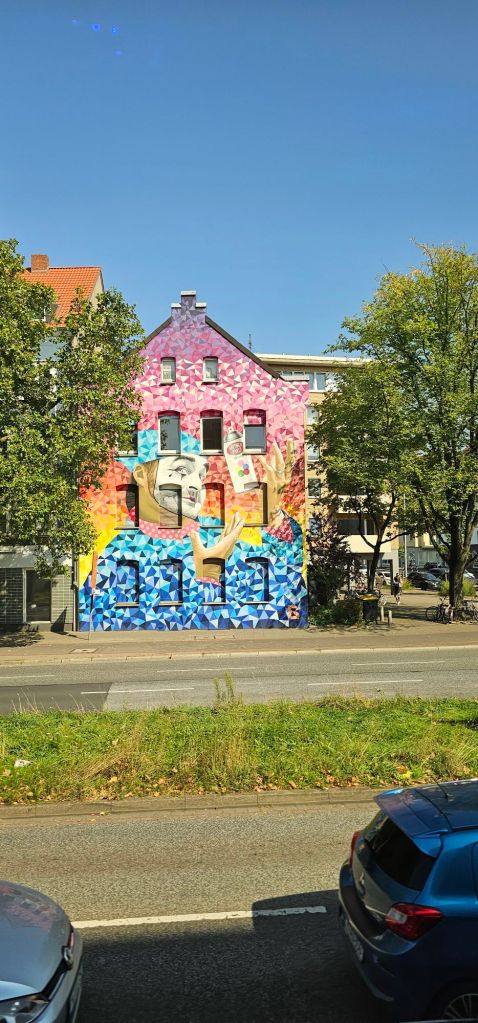
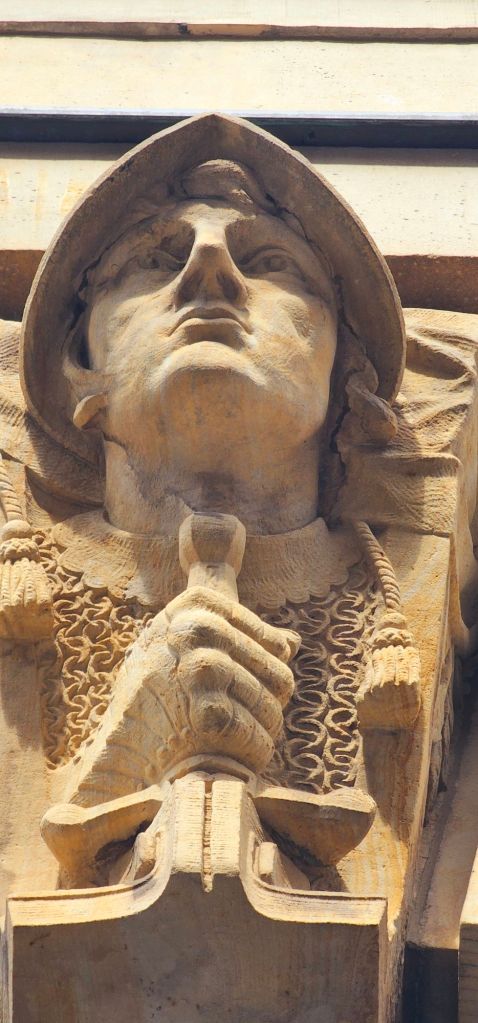
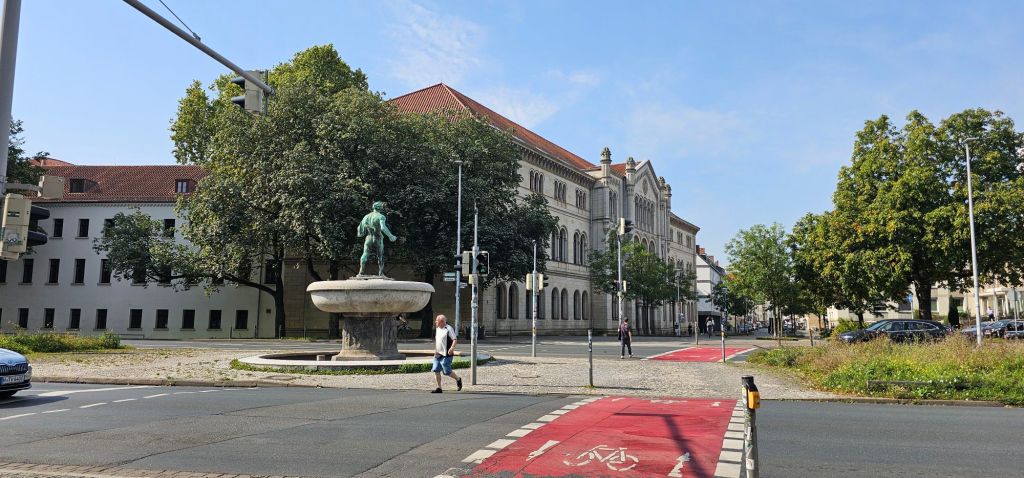
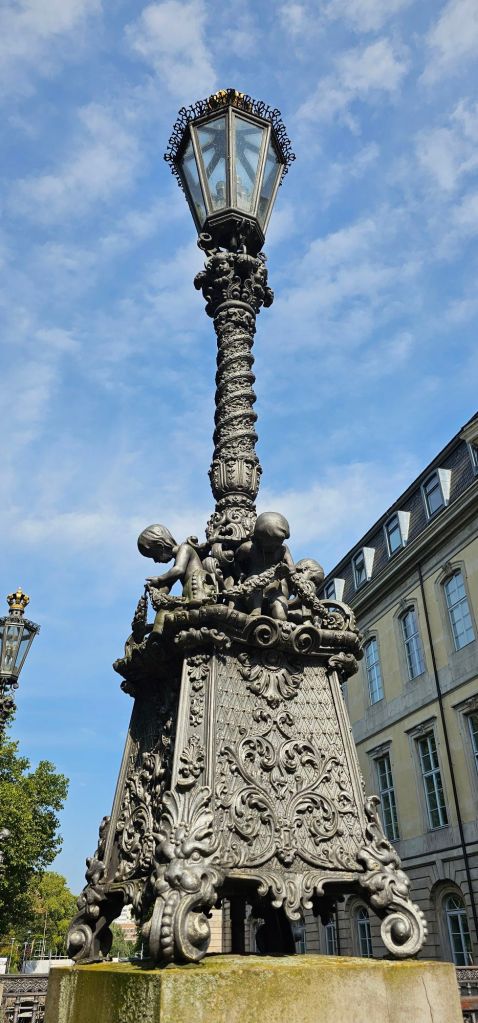
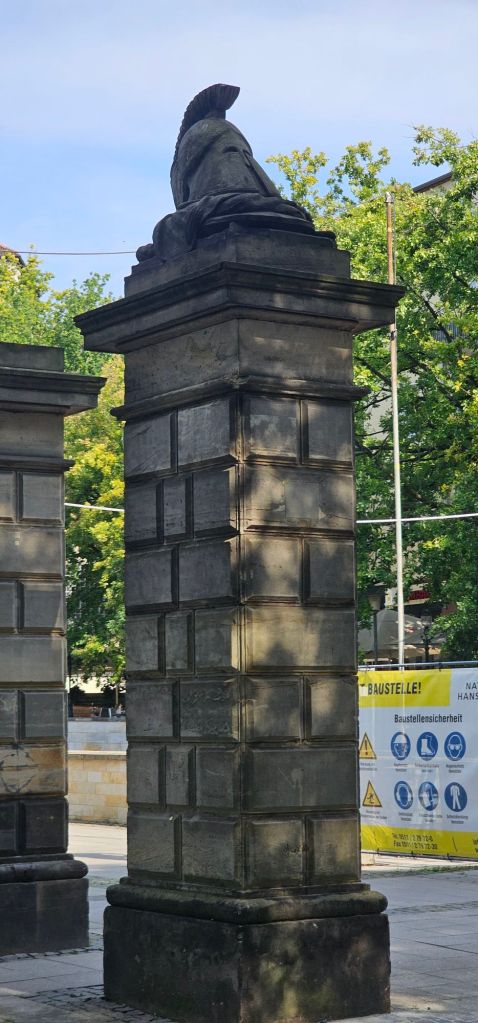
There are a few other buildings and such that I really didn’t get names for, but they look great.
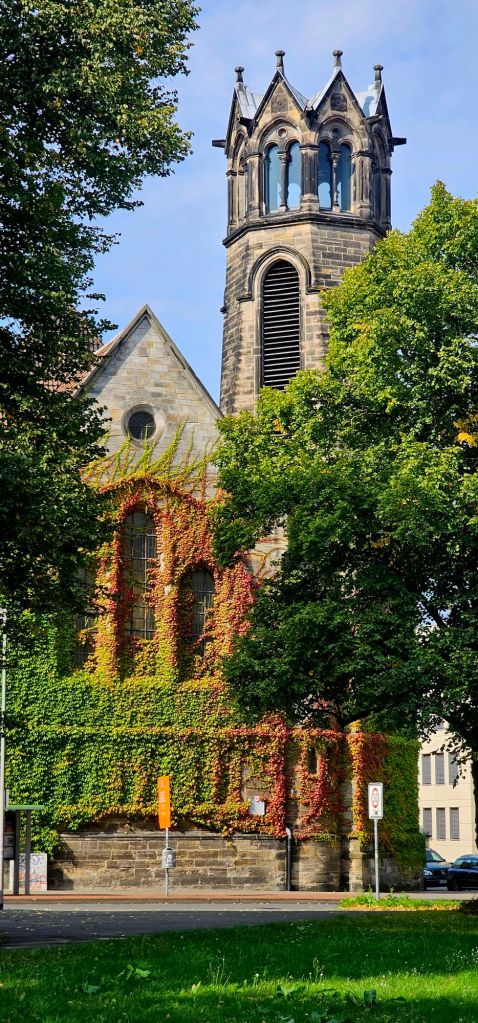

A more modern landmark that helps define the city are the nanas. They are three sculptures that found their home in Hannover in 1974. They depict voluptious women dancing around in exaggerated and colorful patterns. They are from artist Niki de Saint Phalle in the Pop Art Movement.


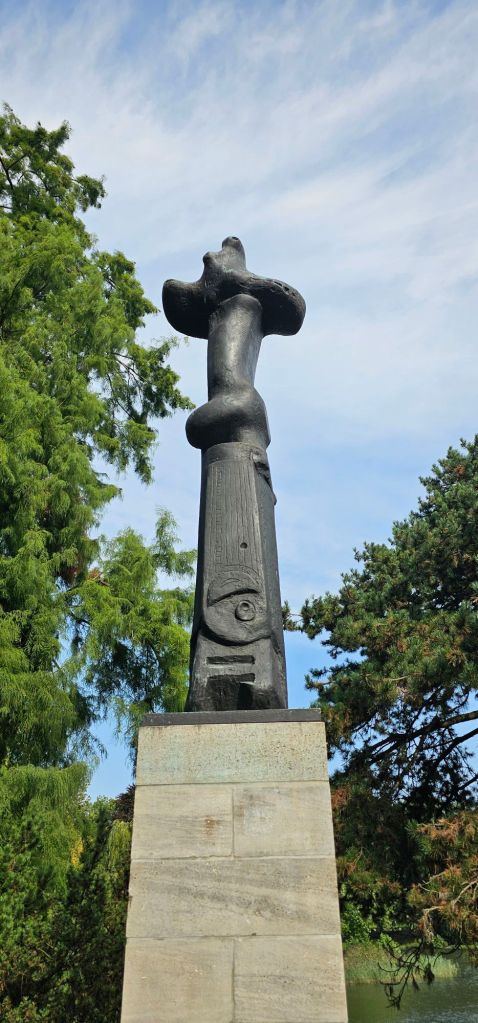
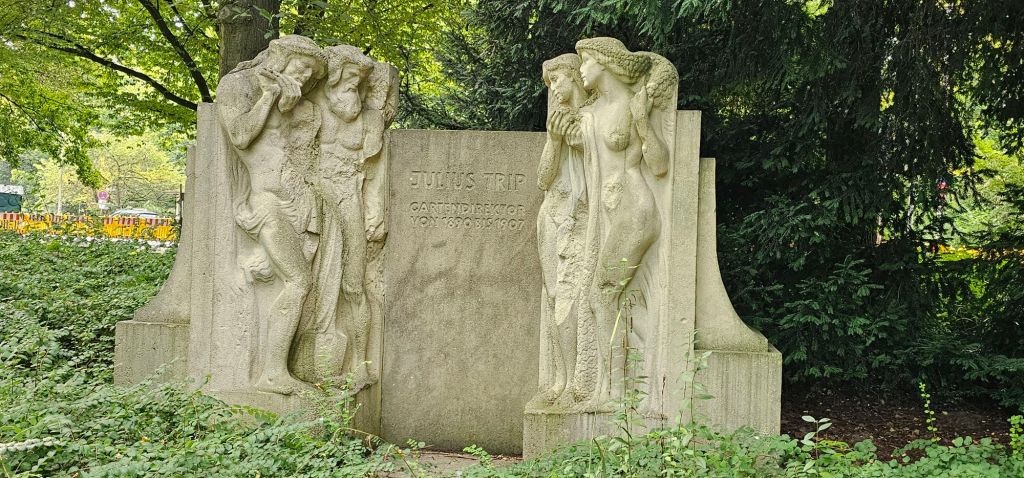
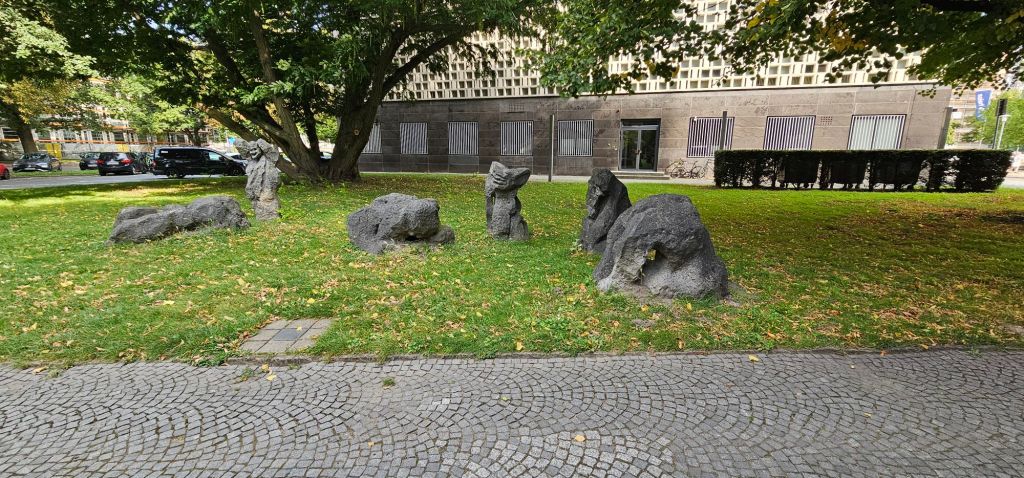
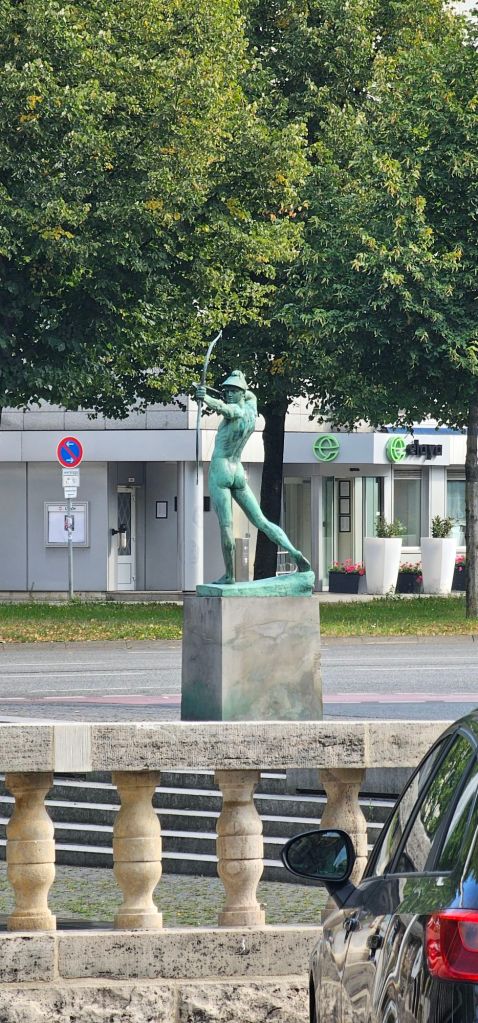
Even though there isn’t as much as some places relative to its size, Hannover was still a great place to explore for a day.
 Chasing Summer -
Leave a comment